Quick Guide
- What Exactly Is an Airplane Plant?
- How to Keep Your Airplane Plant Happy (It's Easier Than You Think)
- Top Reasons You Need an Airplane Plant in Your Life
- Solving Common Airplane Plant Problems (Troubleshooting)
- How to Propagate Your Airplane Plant: Making Free Plants
- Creative Ways to Display Your Airplane Plants
Let's talk about the Chlorophytum comosum. That's the scientific name, but you probably know it as the spider plant, or my personal favorite nickname, the airplane plant. I mean, look at it. Those long, arching leaves and the little "pups" (baby plants) it sends out on stems – they really do look like little green airplanes taking off from the mothership. It's the plant you see in dorm rooms, offices, and your grandma's sunroom for a reason. It just... survives. But surviving and thriving are two different things, right?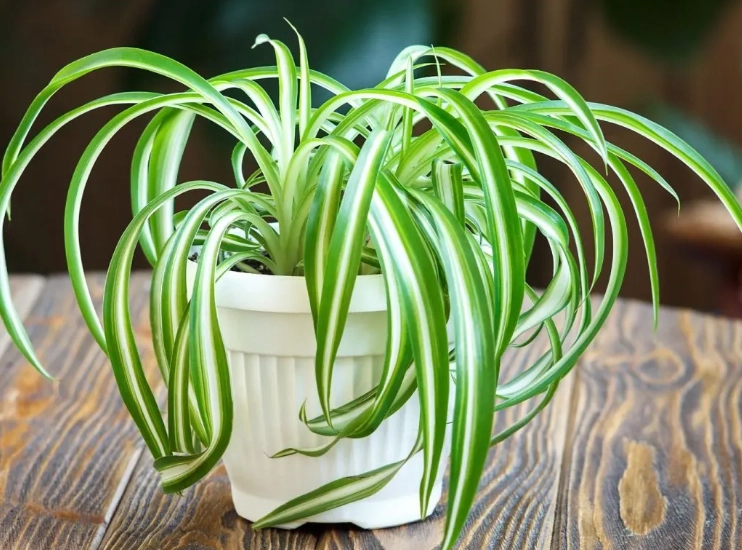
I killed my first one. True story. I got it because everyone said it was impossible to kill, and I took that as a personal challenge, apparently. I overwatered it, put it in a dark corner, and wondered why it looked sad. It was a humbling experience. Since then, I've learned a ton, and my current airplane plant is a sprawling, pup-producing monster that's been with me for years. This guide is everything I wish I knew back then.
What Exactly Is an Airplane Plant?
Before we dive into care, let's clear up the names. Airplane plant, spider plant, ribbon plant, hen and chickens – it's all the same resilient friend. It's a perennial herb native to southern Africa, which tells you something about the conditions it likes (think warm, not swampy). The classic variety has green leaves with white stripes down the middle (Chlorophytum comosum 'Vittatum'). There's also a reverse version with white edges ('Variegatum'), and an all-green one that's supposedly even tougher. They all share the same awesome trait: producing those adorable plantlets on long, wiry stolons that look like tiny versions of the parent plant dangling in mid-air. Hence, airplane plants.
How to Keep Your Airplane Plant Happy (It's Easier Than You Think)
Okay, so they're tough. But giving them what they actually want results in explosive growth and a constant shower of baby airplanes. Here's the breakdown.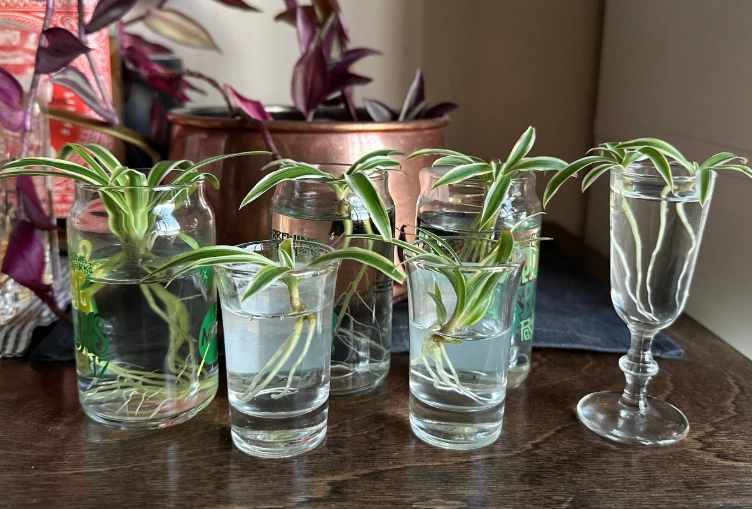
Light: The Bright Indirect Sweet Spot
This is the most common place people go wrong. Airplane plants are often labeled as "low light" plants. I'd call that misleading. They'll tolerate low light, sure. They won't die. But they'll become leggy, slow-growing, and might stop producing their iconic pups altogether. They'll just sit there, looking... meh.
What they truly love is bright, indirect light. A spot near an east or north-facing window is perfect. A few feet back from a south or west window (behind a sheer curtain) is also brilliant. Some morning or late afternoon direct sun is fine, but harsh midday sun can scorch the leaves, leaving ugly brown tips. If the only spot you have gets strong sun, just pull it back a meter or two. See? Flexible.
Watering: The Art of Neglect
This was my downfall. The number one killer of airplane plants is love. Specifically, too much watery love. Their roots are thick and tuberous, designed to store water. They'd rather be a bit dry than constantly soggy.
Water thoroughly until it runs out of the drainage hole (non-negotiable – the pot MUST have a drainage hole), then let all the excess water drain away completely. Don't let it sit in a saucer of water. That's a one-way ticket to root rot city. Browning leaf tips are often a sign of fluoride or chlorine in tap water, or inconsistent watering (going from bone dry to soaked). Using filtered, distilled, or rainwater can help, but honestly, I use tap water and just accept a few brown tips as part of its character. You can snip them off with clean scissors.
Soil and Potting: Keep It Loose and Chunky
They're not picky, but they despise heavy, water-retentive soil. A standard, well-draining potting mix is fine. I like to mix in a handful of perlite or orchid bark to mine to make it extra airy. This prevents the roots from staying wet for too long.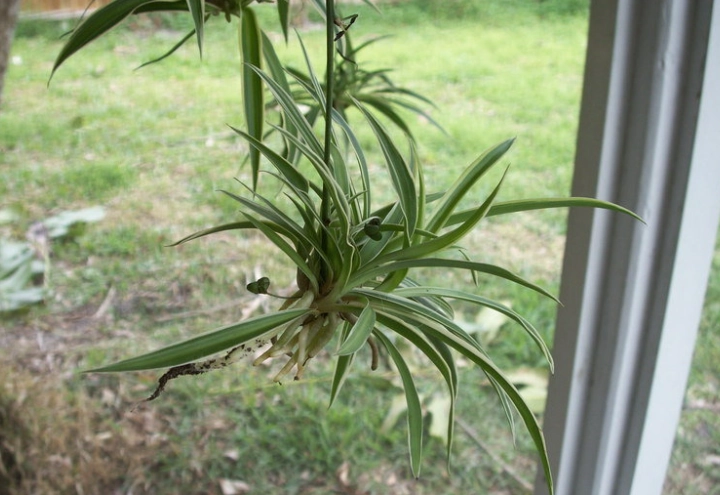
Here's a fun fact: airplane plants actually like to be slightly root-bound. They seem to produce more pups when their roots are a bit cozy. So, don't be in a rush to repot. Only size up when you see roots circling the bottom of the pot or growing out of the drainage hole. A pot that's slightly too small is better than one that's too large (which holds more wet soil).
| Care Aspect | What It Loves | What It Tolerates | What Will Make It Unhappy |
|---|---|---|---|
| Light | Bright, indirect light (east window) | Medium to low light | Hot, direct afternoon sun; deep, dark corners |
| Water | Drying out between thorough waterings | Occasional forgetfulness | Constantly wet soil; sitting in water |
| Soil | Well-draining, light potting mix | Most standard mixes | Heavy, clay-like, waterlogged soil |
| Temperature | 65°F - 75°F (18°C - 24°C) | Down to 50°F (10°C) for short periods | Drafts (hot or cold); freezing temps |
| Humidity | Average room humidity (40-50%) | Lower humidity | Extremely dry, arid air (may increase brown tips) |
Top Reasons You Need an Airplane Plant in Your Life
Beyond just looking cool, these plants are workhorses. Here’s why they’ve earned their legendary status.
- Champion Air Purifier: This is the big one. The famous NASA Clean Air Study tested plants for their ability to remove common volatile organic compounds (VOCs) like formaldehyde and xylene from the air. The spider plant (Chlorophytum comosum) was a top performer. While you'd need a jungle to fully purify a home's air, having a few of these around certainly doesn't hurt, especially in rooms with new furniture or carpets.
- Safe for Kids and Pets: The ASPCA lists the spider plant as non-toxic to cats and dogs. If your curious cat takes a nibble (and they often love batting at the dangling pups), it won't harm them. It might harm the plant, but not your pet. This is a massive peace-of-mind factor.
- The Gift That Keeps on Giving: Propagation is laughably easy. Those baby airplane plants are literally clones, ready to become new plants. You can snip them off and root them in water or soil. I've given away dozens as gifts. It's the most satisfying feeling.
- Forgives Your Mistakes: Going on vacation for a week? It'll be fine. Forget to water it on schedule? It has a built-in water reserve. Not the sunniest apartment? It'll adapt. It's the perfect confidence-builder for new plant parents.
Solving Common Airplane Plant Problems (Troubleshooting)
Even the tough guys have off days. Here’s how to read the signs.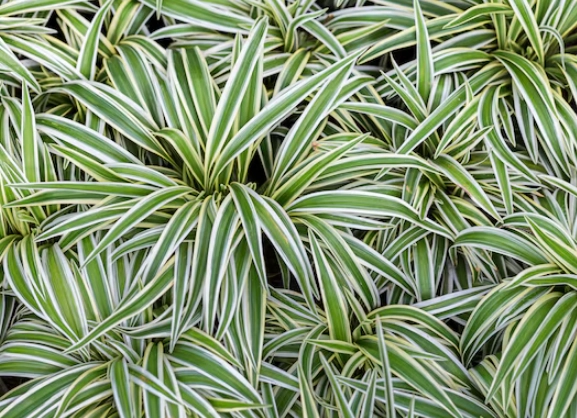
How to Propagate Your Airplane Plant: Making Free Plants
This is the fun part. When your plant sends out a long stem with a little pup at the end, wait until the pup has developed a few little nubs that look like the start of roots (they often do this in mid-air). You have two foolproof options:
Method 1: Water Propagation. Snip the pup off the stem, leaving a bit of the stem attached. Place the base in a small jar or glass of water, making sure only the nubby base is submerged, not the leaves. Put it in bright, indirect light. Change the water every few days. You'll see roots develop in 1-2 weeks. Once the roots are an inch or two long, pot it up in soil.
Method 2: Soil Propagation (My Go-To). This is even easier. While the pup is still attached to the mother plant by its "umbilical cord," place a small pot of moist potting mix next to the main pot. Pin the pup down onto the soil in the new pot using a bent paperclip or a piece of wire. Keep this soil lightly moist. In a few weeks, it will root into the new pot. Once it's anchored (give a gentle tug), you can snip the connecting stem. Boom. A new, already-established plant with zero transplant shock.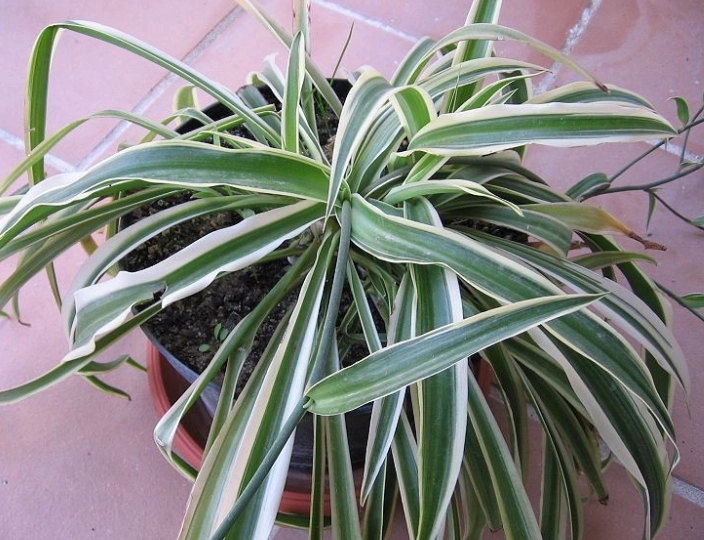
Creative Ways to Display Your Airplane Plants
Their cascading form begs to be shown off. Don't just stick it on a table.
- Hanging Baskets: The classic. Let those leaves and stolons cascade down. Perfect for saving shelf space.
- High Shelves or Bookcases: Let it spill over the edge like a green waterfall.
- Macramé Hangers: A retro look that's totally back in style.
- Terrariums (Open): A large, open terrarium can create a beautiful, humid microclimate for a smaller specimen.
- Propagation Station: Line up several small jars with water-propagating pups on a sunny windowsill. It's living art.
So, there you have it. The humble airplane plant isn't just a filler plant. It's a resilient, air-cleaning, pet-friendly, prolific machine that asks for so little and gives back so much. Whether you're a seasoned plant collector or someone who's nervous about keeping a cactus alive, this is the plant for you. Give it some bright, indirect light, water it when it's dry, and it will repay you with endless greenery and a squadron of little green airplanes ready to explore new pots in your home.
Got a specific question I didn't cover? Chances are, your airplane plant is trying to tell you something with its leaves. Look closely, adjust one thing at a time, and enjoy the process. Happy growing!

Comments