Let's cut straight to the point. You want more pothos plants. Free ones. The good news is, propagating pothos (Epipremnum aureum) is one of the easiest entries into the world of plant propagation. But "easy" doesn't mean there aren't tricks that separate a thriving new plant from a jar of slimy stems.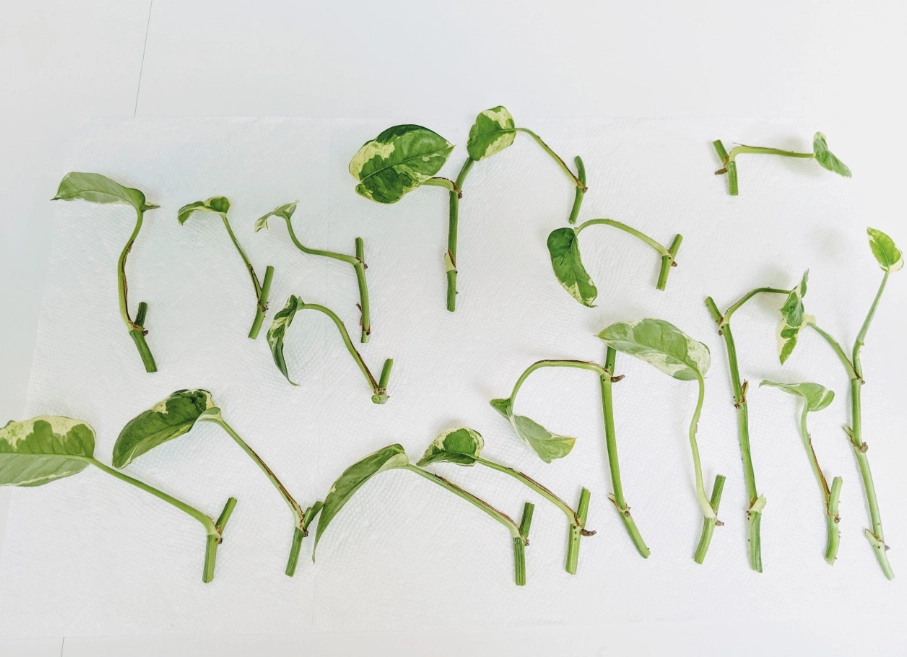
I've been doing this for over a decade, turning a single golden pothos into gifts for friends, trades, and a literal jungle in my own home. I've also created my share of compost fodder by making subtle, avoidable mistakes. This guide skips the generic advice and digs into the practical, nitty-gritty details of propagating pothos successfully in water, soil, and even on a moss pole.
What You'll Learn
Gathering Your Gear: The Propagation Toolkit
You don't need a fancy greenhouse. Here's the honest list: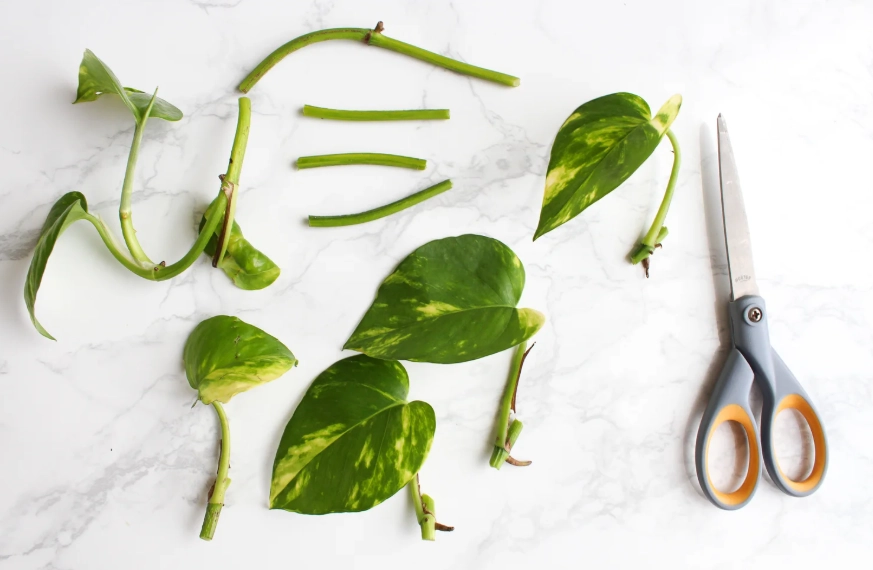
- Sharp Scissors or Pruners: Clean. Very clean. Wipe them with rubbing alcohol. A ragged, crushed cut invites disease.
- Your Vessel: For water, a clear glass jar lets you monitor roots. For soil, a small pot (3-4 inches) with a drainage hole is non-negotiable. No holes equals soggy, rotten stems.
- The Medium: Water (tap is fine, let it sit out overnight if you're worried about chlorine). Or, a well-draining potting mix. I mix two parts regular potting soil with one part perlite.
- Optional but Helpful: A rooting hormone (powder or gel). It's not magic, but it can speed things up, especially for soil propagation.
The Node is Everything. This is the single most important concept. The node is that little brown, bumpy nub on the vine where a leaf grows out. Sometimes you'll see tiny brownish nubs already there—those are aerial root primordia. Roots only grow from nodes. A stem with just leaves will look pretty in water forever but will never become a plant.
Water, Soil, or Moss Pole? Picking Your Path
This choice isn't just about preference; it's about your goals and your environment. Each method has a different personality.
| Method | Best For | Biggest Pro | Potential Con |
|---|---|---|---|
| Water Propagation | Beginners, the impatient, visual learners. | You can watch the roots grow. It's satisfying and low-commitment. | "Water roots" are different from "soil roots." The transition to soil later can shock the plant. |
| Soil Propagation | Those who want a plant ready-to-go, avoiding transplant shock. | The plant establishes directly in its final medium, leading to stronger, faster growth post-rooting. | It's a act of faith. You can't see what's happening underground for weeks. |
| Moss Pole Propagation | Enthusiasts with a leggy plant, aiming for a fuller, larger-leaved specimen. | Creates a stunning, mature-looking plant faster. Encourages massive leaf growth. | More setup required. Requires consistent moisture management. |
My take? If you love the process and the look of roots in a jar, go water. If you just want another potted plant with the least fuss, go soil. If you have a long, bare vine and ambition, try the moss pole.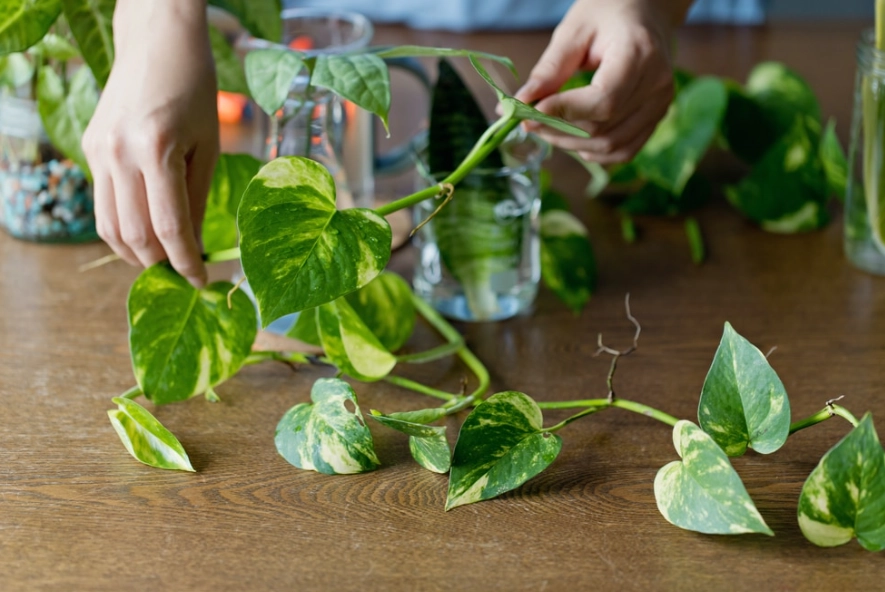
How to Propagate Pothos in Water: A Step-by-Step Guide
This is where most people start. Let's do it right.
1. Taking the Perfect Cutting
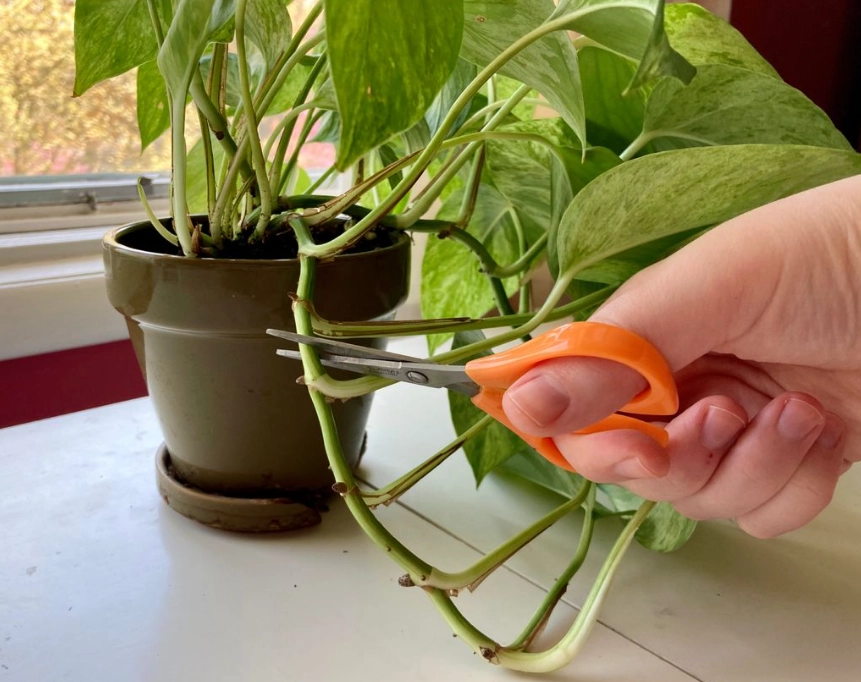
Find a healthy vine. Look for a section with 3-4 leaves. Using your clean shears, cut the stem about a half-inch below a node. You want that node intact on the cutting. You can make a cutting with just one node and one leaf, but I prefer at least two nodes for a better chance.
2. The Setup
Remove any leaves that would be submerged in your jar of water. Leaves rotting in water make a nasty soup that hinders rooting. Place the cutting in the jar so that only the node(s) are underwater. The leaf and the rest of the stem stay dry.
Common Mistake: Submerging the entire stem. This often leads to rot before roots ever form. Just the nodes.
3. The Waiting Game (With Maintenance)
Place the jar in bright, indirect light. A north or east-facing window is great. Change the water completely every 5-7 days. This is crucial—it re-oxygenates the water and prevents bacterial gunk from building up on the stem.
You'll see little white nubs emerge from the node in 1-2 weeks. Roots will follow. Let them grow until they are 2-3 inches long and have secondary roots (little roots branching off the main root).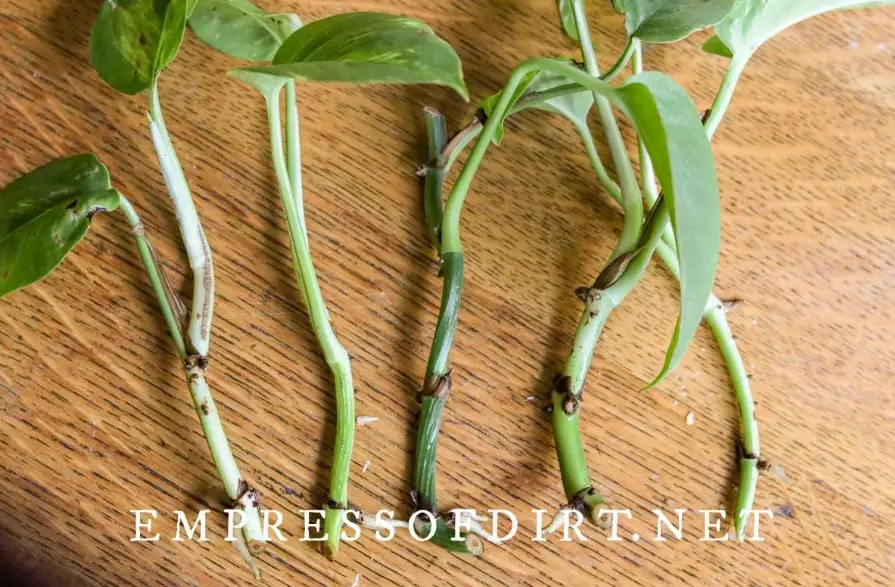
4. Transitioning to Soil (The Tricky Part)
This is where many fail. Water roots are fragile. Prepare a small pot with moist, well-draining soil. Make a hole, gently place the rooted cutting in, and fill around it. Water it thoroughly once to settle the soil. Now, keep the soil slightly more moist than usual for the first 1-2 weeks to help those water roots adapt. Then, gradually transition to your normal watering routine. Expect some drooping—it's normal as the plant adjusts.
How to Propagate Pothos Directly in Soil
This method is more straightforward but requires a bit more environmental control.
Take your cuttings as described above. You can dip the cut end (focusing on the node) in rooting hormone powder—this really does help. Have your small pots ready with pre-moistened soil. Poke a hole with a pencil, insert the cutting so the node is buried, and firm the soil around it.
Here's the key: humidity. The cutting has no roots to take up water, so it loses moisture through its leaves. To prevent it from drying out, create a mini-greenhouse. You can cover the pot with a clear plastic bag (prop it up with sticks so it doesn't touch the leaves) or use a clear plastic takeout container as a dome.
Place it in warm, bright, indirect light. Leave the cover on, only lifting it every few days for fresh air. In 3-5 weeks, give the cutting a very gentle tug. If you feel resistance, roots have formed. You can then remove the humidity dome and care for it as a normal, young plant.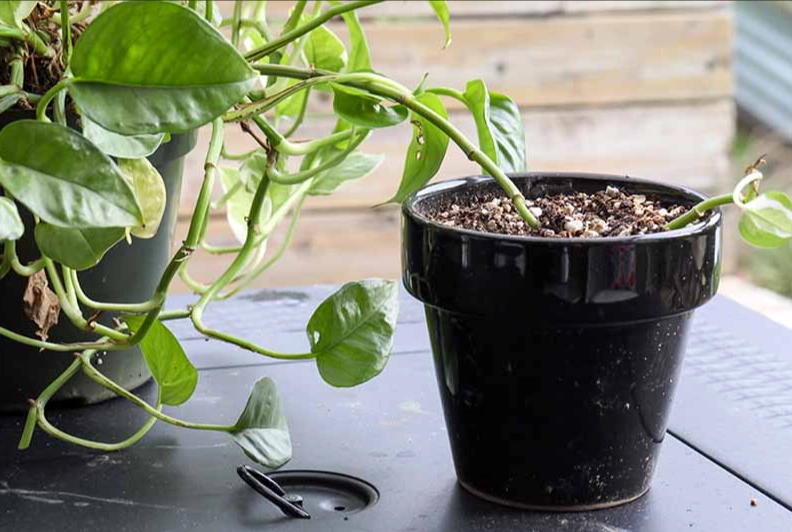
The Advanced Hack: Propagating on a Moss Pole
This is my favorite method for rehabbing a long, leggy pothos. You're essentially air-layering it.
Get a moss pole (or make one with sphagnum moss and a PVC pipe/trellis). Take a long vine and gently pin or tie it to the pole at several points using plant ties or soft wire. The trick is to position the nodes so they are in direct contact with the moist moss of the pole.
You must keep the moss pole consistently damp (not dripping). The high humidity and direct contact at the node encourage the plant to push roots directly into the moss. Once those roots are established in the pole, you can actually cut the vine below the new root system, and you'll have a top section that's already a mature, rooted plant. Meanwhile, the original plant will often sprout new growth from below the cut. It's a win-win for creating a fuller plant.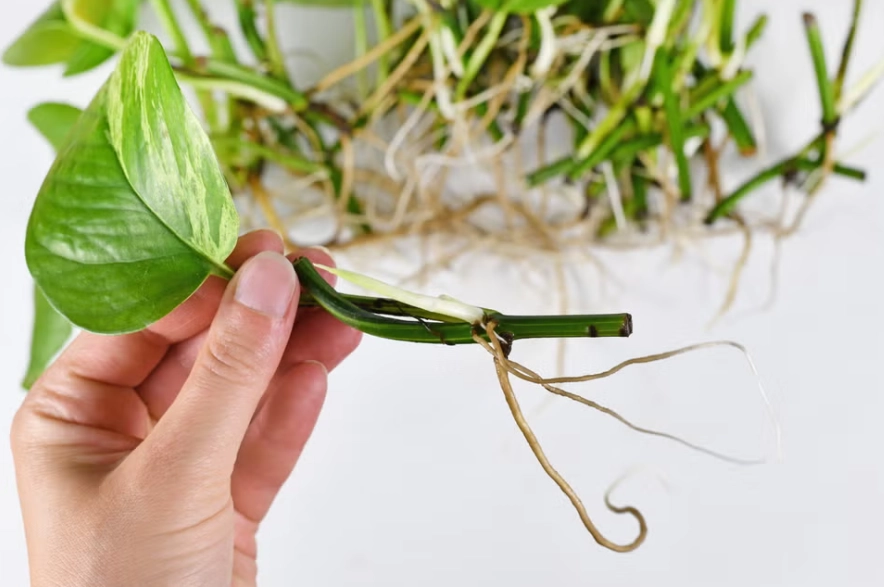
Why Are My Pothos Cuttings Not Rooting?
Let's diagnose. Here are the usual suspects:
- No Node: Re-check your cutting. If there's no brown, bumpy node submerged or buried, it will never root.
- Rot: In water, is the stem mushy and brown? You didn't change the water enough, or a leaf was submerged. In soil, is it mushy? The soil is too wet and/or has no drainage. Start over with a fresh cutting and a drier setup.
- Too Cold/Dark: Propagation is a growth process. It needs warmth and light. A dark, cold windowsill in winter will slow things to a crawl.
- Impatience: Soil propagation takes longer. Give it at least 4-6 weeks before you assume failure.
The biggest non-consensus tip I can give? For water propagation, use an opaque container. Clear glass is fun, but roots often develop better in darkness (think: they grow underground). A ceramic mug or a colored glass can sometimes produce stronger, less algae-covered roots.
Your Propagation Questions, Answered
Should I propagate pothos in water or soil for faster results?
My pothos cutting in water has been sitting for weeks with no roots. What went wrong?
How long should pothos roots be before planting in soil?
Is there a best time of year to take pothos cuttings?
 Propagating pothos is less about having a green thumb and more about understanding a few basic principles of plant biology. Get the node right, manage moisture and light, and choose the method that fits your patience level. Before you know it, you'll be passing on cuttings to friends, wondering what to do with all your new plants. It's a deeply rewarding part of the plant hobby—dive in and get your hands dirty (or wet).
Comments