Let's talk about peperomia, or radiator plants. If you've only seen them as the cute, compact foliage plants at the garden center, you might be missing half the story. Their flowers are a weird, wonderful, and often misunderstood part of the package. I've killed my share of plants over the years—a watermelon peperomia drowned by overenthusiasm with the watering can comes to mind—but I've also kept dozens thriving for a decade. The key isn't following generic advice; it's understanding what these plants are actually telling you.
What's Inside This Guide
The Truth About Peperomia Flowers
First, a reality check. Googling "peperomia flower" might show you stunning pink spikes. That's usually a Peperomia graveolens, and it's an outlier. For most common varieties—your Peperomia obtusifolia (Baby Rubber Plant), Peperomia caperata (Emerald Ripple), Peperomia argyreia (Watermelon)—the blooms are subtle. We're talking thin, tail-like spikes called inflorescences, often cream or greenish-white. They're not showy, but they're a sign of a happy plant. A common misconception is that these flowers sap energy from the foliage. In my experience, that's only true if the plant is already struggling. A healthy peperomia can flower without skipping a beat in leaf production.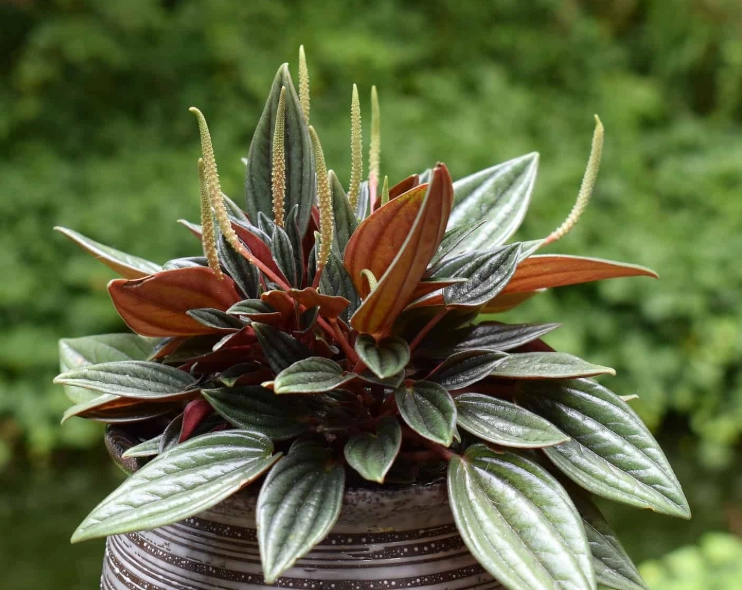
Pro Tip: Don't buy a peperomia solely for a floral display. Buy it for its incredible, often textured foliage. The flowers are a quirky bonus, like finding an extra fry at the bottom of the bag.
Getting Light and Watering Right (Where Most Go Wrong)
Here's where I see the most casualties. People hear "low light" and stick their peperomia in a dark corner. Then they hear "don't overwater" and let it turn into a crispy husk. It's a balancing act.
Light: Bright but Not Direct
Think of the light under a tree canopy—dappled and bright. An east-facing window is perfect. A west window with a sheer curtain works too. A north window might be okay for the tougher varieties like Peperomia obtusifolia, but growth will be slower. South windows? Move the plant back a few feet. If the leaves start looking faded or stretched out, it's begging for more light. If they get scorched marks, it's getting sunburned.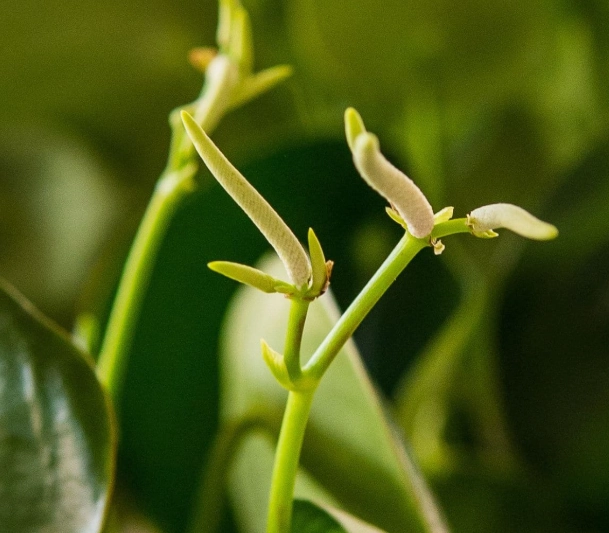
Watering: The Finger Test is Non-Negotiable
This is the single most important habit. Forget schedules. The number one killer is overwatering, which leads to root rot. Here's my method:
- Stick your finger into the soil up to the first knuckle (about 2-3 cm).
- If it feels dry, water thoroughly until water runs out the drainage hole.
- If it feels even slightly damp, walk away. Come back in 2-3 days.
In winter, you might only water every 3-4 weeks. The plant's succulent-like leaves store water, so it can handle drought better than flood. A mistake I made early on was using a decorative pot without a drainage hole. It's a death sentence. Always use a pot with a hole.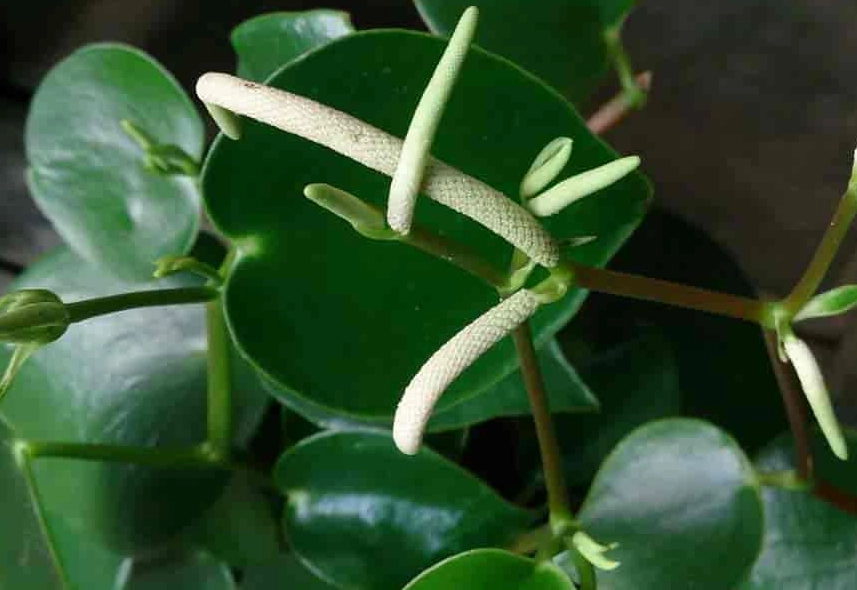
Soil and Repotting Secrets for Healthy Roots
Peperomias have fine, relatively shallow root systems. They hate sitting in dense, wet soil. A standard potting mix straight from the bag is often too moisture-retentive.
I make my own blend: 2 parts regular indoor potting mix, 1 part perlite, and 1 part orchid bark or coarse horticultural sand. This creates a chunky, airy, fast-draining environment that mimics their natural epiphytic or ground-cover habits. The American Orchid Society's resources on epiphytic mixes were a game-changer for my understanding here.
Repotting? Don't be in a hurry. Peperomias actually like being slightly root-bound. Repot only every 2-3 years, and only go up one pot size (e.g., from a 4-inch to a 5-inch pot). Spring is the best time. When you repot, be gentle with the roots and use the opportunity to check for any that are brown and mushy—snip those off.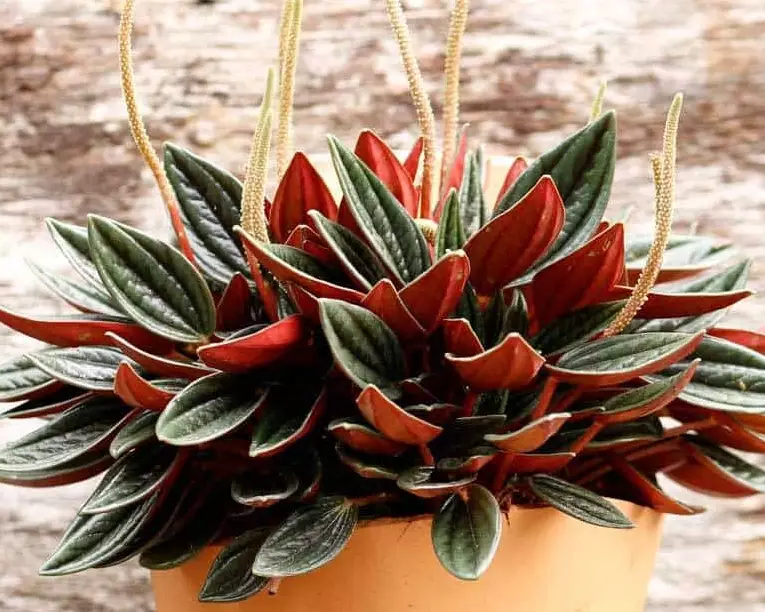
Feeding, Propagating, and Solving Common Problems
Fertilizing is simple. During the active growing season (spring and summer), use a balanced, water-soluble fertilizer (like a 10-10-10) diluted to half the recommended strength. Apply it once a month. Stop feeding in fall and winter. Over-fertilizing leads to salt buildup and can burn those delicate roots.
Propagation is where the fun is. Leaf cuttings are almost foolproof, especially for varieties with succulent leaves.
- Cut a healthy leaf with about an inch of stem.
- Let the cut end callous over for a few hours.
- Stick the stem into a small pot of moist perlite or your chunky soil mix.
- Place it in bright, indirect light and keep the medium slightly moist (not wet).
- In a few weeks to months, you'll see tiny new plants forming at the base. Patience is key.
For stem cuttings or even just dividing a clumping variety like Peperomia Frost, the process is similar. It's incredibly rewarding.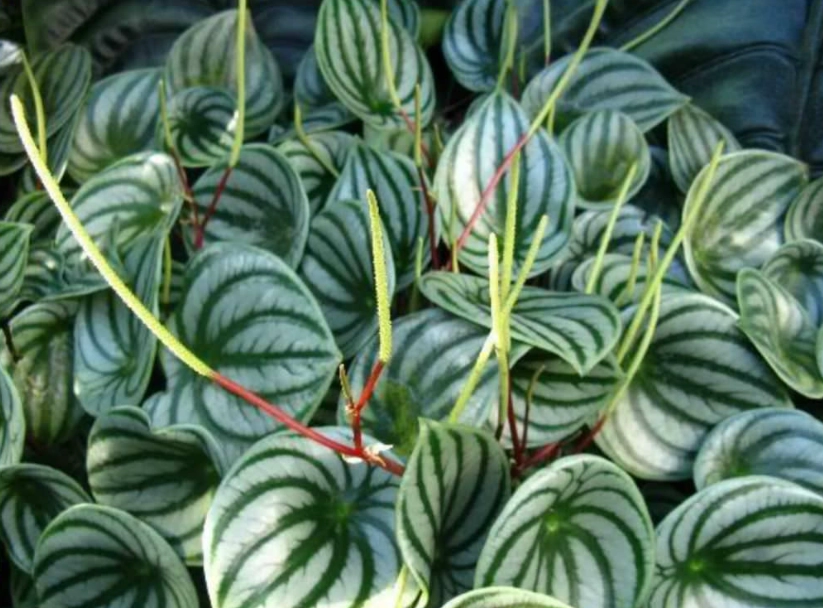
My Top 5 Peperomia Varieties to Grow
Not all peperomias are created equal. Some are bulletproof beginners' plants, while others are more finicky divas. Here’s a breakdown of my personal favorites based on years of trial and (plenty of) error.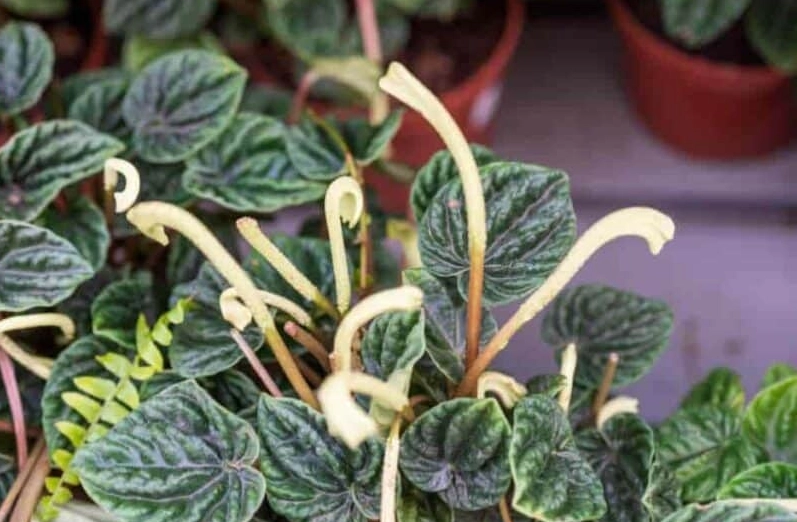
| Variety (Common Name) | Key Feature | Care Difficulty | My Personal Note |
|---|---|---|---|
| Peperomia obtusifolia (Baby Rubber Plant) | Glossy, rounded green leaves. Very tolerant. | Easy - Great for beginners | This was my first. It survived my early overwatering phase. Forgiving and sturdy. |
| Peperomia argyreia (Watermelon) | Striking silver stripes on rounded leaves. | Medium - Watch watering | Beautiful but prone to rot if over-loved. Let it dry out more than others. |
| Peperomia caperata (Emerald Ripple) | Deeply corrugated, heart-shaped leaves. | Easy - Consistent moisture | Likes a bit more humidity than most. A terracotta pot helps prevent soggy soil. |
| Peperomia Hope (P. deppeana x P. quadrifolia) | Trailing habit with small, plump leaves. | Easy - Perfect for hanging baskets | Grows fast and propagates like a dream. A real confidence booster. |
| Peperomia graveolens (Ruby Glow) | Succulent-like, red-edged leaves and pink flowers. | Medium - Needs bright light | The one for flower seekers. Needs more sun and even less water—treat it like a succulent. |
Your Peperomia Problems, Solved
Why are the leaves on my peperomia falling off?
Sudden leaf drop is almost always a temperature or watering shock. Did you move it near a cold drafty window or a heating vent? Did you forget to water it for a month and then drown it? Consistency is key. Check the environment first, then assess your watering habits against the finger test.
My peperomia's stems are getting long and leggy with few leaves. What's wrong?
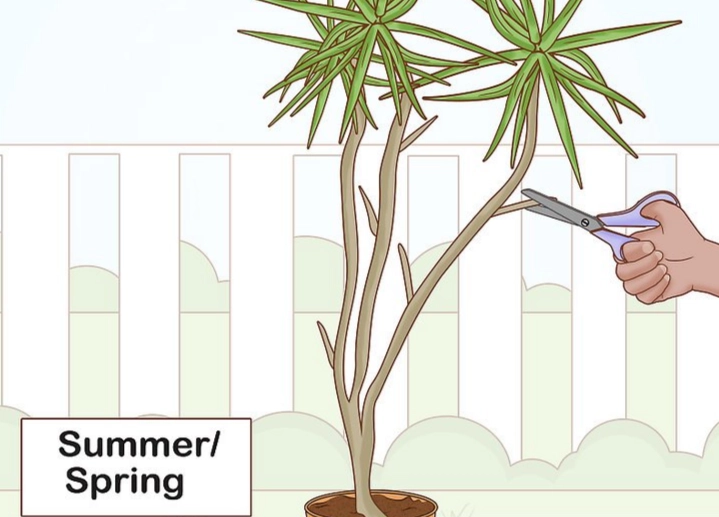
This is etiolation—it's stretching desperately for more light. It's not getting nearly enough. Move it to a brighter location immediately. You can also prune back the leggy stems to encourage bushier growth from the base. Don't be afraid to cut; these plants bounce back well from a good haircut.
I see tiny webs on my plant. What are they and how do I fix it?
Spider mites. They love dry, dusty conditions. First, isolate the plant. Then, take it to the shower or sink and give the leaves a strong spray of water, especially underneath, to dislodge the mites. Wipe leaves down. Repeat every few days. For bad infestations, use insecticidal soap or neem oil. Increasing humidity around the plant can help prevent their return.
Should I mist my peperomia to increase humidity?
This is a classic piece of advice I think is overrated. Misting raises humidity for about 5 minutes and can promote fungal issues on the leaves if water sits in the crevices. For most common peperomias, average household humidity is fine. If you're really concerned (maybe you have a Peperomia caperata in a very dry house), use a pebble tray with water or a small humidifier nearby. It's more effective and less risky.
Can I put my peperomia outside in the summer?
Yes, but with major caution. Never put it in direct sun. Find a completely shaded, sheltered spot on a patio or under a dense tree. The increased light and airflow can boost growth. But watch for pests more closely and bring it back inside well before nighttime temperatures drop below 50°F (10°C). Acclimate it gradually over a week to avoid shock.
The bottom line with peperomia flowers and the plants themselves is to embrace their quirks. They're not high-maintenance divas, but they do have specific, non-negotiable needs—primarily related to water and light. Get those right, provide a cozy pot with good drainage and airy soil, and you'll have a resilient, fascinating plant that might just surprise you with its curious, spiky blooms.


Comments