Jump to What You Need
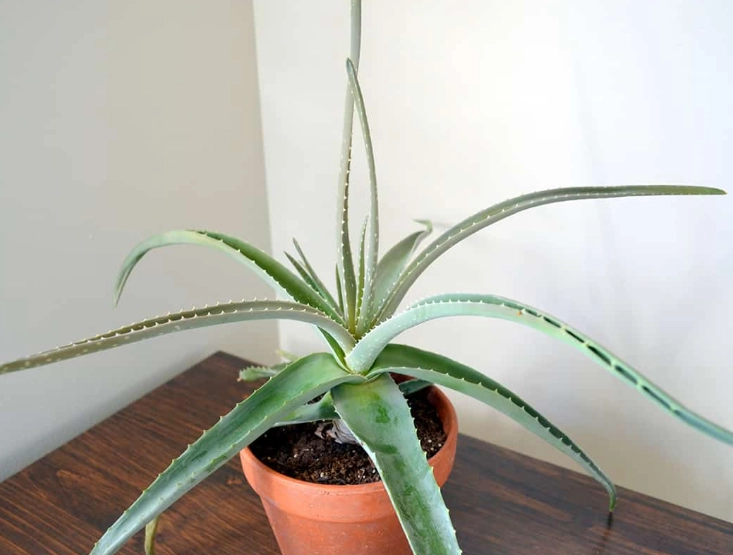
If you have an aloe vera plant at home, you're sitting on a natural remedy goldmine. But let's be honest—most people just water it and forget it. I've been growing aloe for over a decade, and I've seen too many folks miss out on its benefits because they don't know how to use it properly. This guide cuts through the fluff and shows you exactly how to use an aloe vera plant, from harvesting gel to treating everyday issues. No fancy jargon, just practical steps you can start today.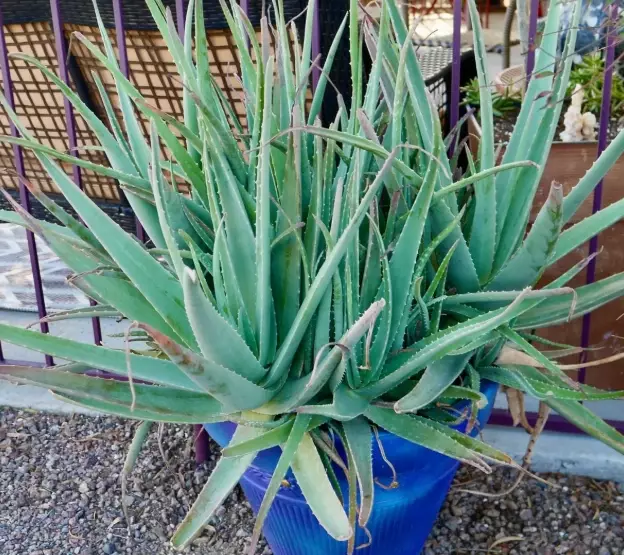
Why Aloe Vera is a Must-Have Plant
Aloe vera isn't just another pretty succulent. Its leaves are packed with gel containing vitamins, minerals, and anti-inflammatory compounds. According to the National Institutes of Health, aloe vera has been used for centuries in traditional medicine for skin conditions and wound healing. What makes it special for home use? It's low-maintenance, thrives indoors, and provides a fresh, chemical-free alternative to store-bought products. I keep one in my kitchen for burns and another in the bathroom for skincare—it's that versatile.
Quick tip: Not all aloe plants are created equal. The Aloe barbadensis miller species is the most common for medicinal use. If you're buying a plant, check the label or ask for this variety.
How to Harvest Aloe Vera Gel Safely
Harvesting gel might seem straightforward, but doing it wrong can damage the plant or reduce its potency. Here's my step-by-step method, refined from years of trial and error.
Tools You'll Need
A sharp knife, a clean cutting board, a spoon, and a glass container. Avoid plastic—aloe gel can react with it over time.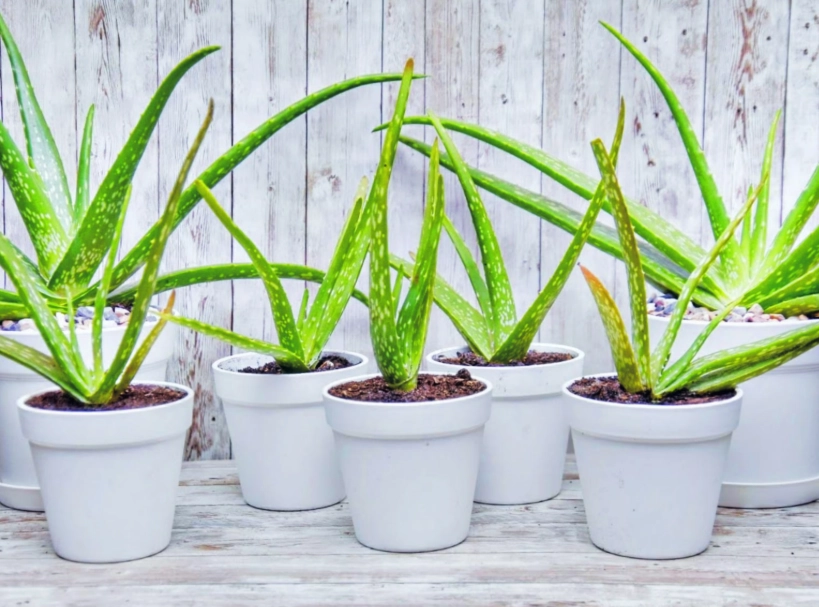
Step-by-Step Harvesting Process
Choose the right leaf: Pick a mature, outer leaf that's thick and fleshy, at least 8-10 inches long. Younger leaves won't have much gel.
Cut carefully: Slice the leaf close to the base at a slight angle. This helps the plant heal faster. I've seen people tear leaves off, but that invites infection.
Drain the latex: Let the leaf stand upright in a cup for 10 minutes. A yellow substance called latex will drain out—it's a laxative and can irritate skin, so don't skip this.
Extract the gel: Lay the leaf flat, cut off the spiky edges, then slice it open lengthwise. Use a spoon to scoop out the clear gel. It should be odorless and slimy.
Store unused gel in the fridge for up to a week, or freeze it in ice cube trays for longer storage. I once left gel out for a day, and it turned brown—lesson learned.
Practical Uses for Fresh Aloe Vera Gel
Now for the fun part. Fresh aloe gel isn't just for sunburns. Here are the top ways I use it, backed by personal experience.
For Skin Care
Sunburn relief: Apply gel directly to burned skin. It cools instantly. I used this after a beach trip last summer—worked better than any spray.
Moisturizer: Mix gel with a few drops of coconut oil for a lightweight face cream. Avoid if you have oily skin; it can clog pores for some people.
Acne treatment: Dab gel on spots overnight. Its antibacterial properties help reduce redness. But test a small area first—my sister broke out from overuse.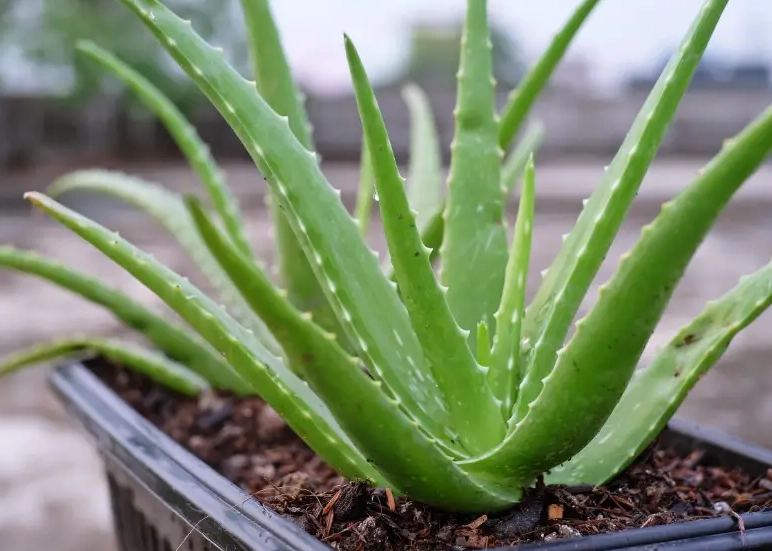
For Hair Care
Massage gel into your scalp before shampooing to reduce dandruff. I do this weekly, and it keeps my hair less itchy.
For Minor Burns and Cuts
Clean the wound, then apply a thin layer of gel. It acts as a natural barrier. According to Mayo Clinic, aloe may promote healing for first-degree burns, but avoid deep wounds.
| Use Case | How to Apply | Frequency | Notes |
|---|---|---|---|
| Sunburn | Apply directly, leave on | As needed | Reapply every 4-6 hours |
| Face Mask | Mix with honey, leave 15 min | Once a week | Rinse with warm water |
| Hair Conditioner | Apply to scalp, rinse after 30 min | Twice a month | Use before shampooing |
| Minor Cut | Clean area, apply gel | Daily until healed | Monitor for irritation |
Some folks swear by drinking aloe juice, but I'm skeptical—it requires careful processing to remove toxins. Stick to topical use unless you consult a pro.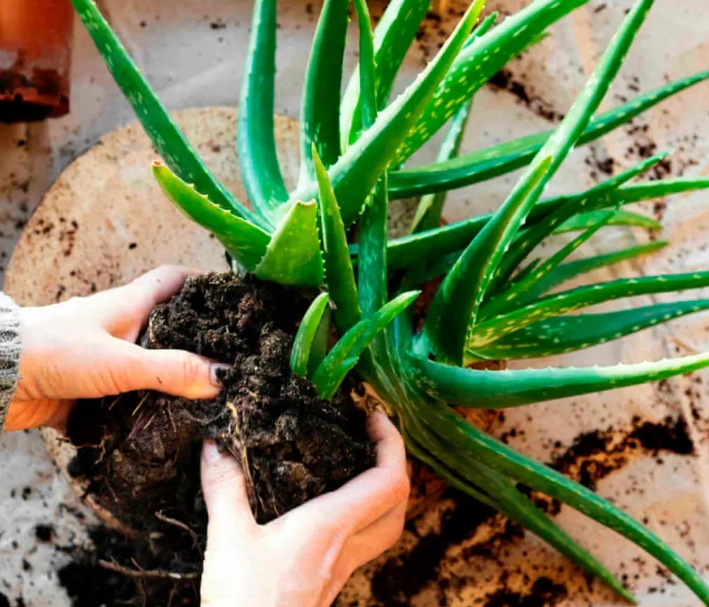
Caring for Your Aloe Vera Plant for Optimal Yield
A healthy plant means more gel. Here's how to keep yours thriving.
Light: Aloe loves bright, indirect sunlight. Mine sits near a south-facing window. Too much direct sun can scorch leaves—I learned that the hard way.
Watering: Water deeply but infrequently. Let the soil dry out completely between waterings. Overwatering is the #1 killer. I water mine every 3 weeks in winter.
Soil: Use a well-draining cactus mix. Regular potting soil holds too much moisture.
Fertilizing: Feed with a diluted succulent fertilizer in spring and summer. Skip it in fall and winter.
If your plant starts looking leggy or pale, it might need more light. Rotate the pot occasionally for even growth.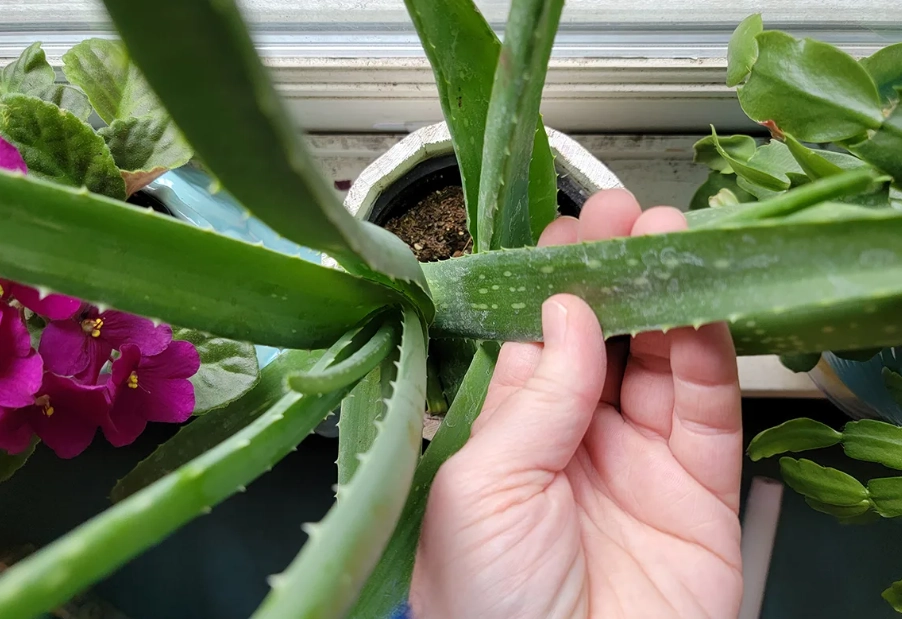
Common Mistakes When Using Aloe Vera Plant
Even experienced gardeners slip up. Here are pitfalls to avoid.
Harvesting too often: Don't take more than 2-3 leaves per plant every few months. Overharvesting stresses the plant. I once got greedy and stunted my aloe's growth for a year.
Using the latex: That yellow sap can cause skin irritation or digestive issues if ingested. Always drain it properly.
Neglecting plant health: A sick plant won't produce potent gel. Watch for signs like soft leaves (overwatering) or brown tips (underwatering).
Assuming it's a cure-all: Aloe is great for minor issues, but it's not a substitute for medical treatment. For severe burns or infections, see a doctor.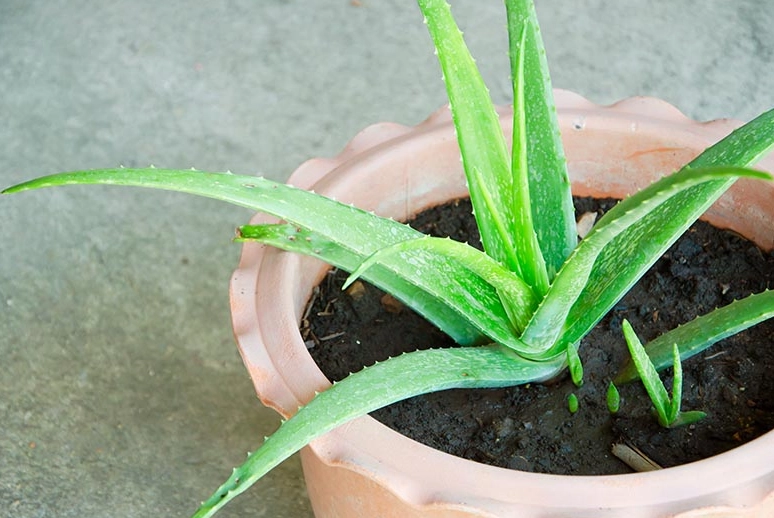
Frequently Asked Questions About Using Aloe Vera
Using an aloe vera plant is about balance—harvest wisely, care consistently, and apply thoughtfully. Start with one use, like treating a sunburn, and expand from there. Your plant will thank you with plenty of gel for years to come.
Comments