You got a Christmas cactus as a gift, or maybe you rescued one on clearance after the holidays. It was covered in gorgeous, fuchsia-pink blooms. Now it's a green lump. For years. Sound familiar? I've been there. Getting a Christmas cactus (Schlumbergera) to rebloom isn't about luck—it's about understanding its secret language. It's a tropical cactus with a built-in calendar, and if you miss its cues, it stays stubbornly green. Let's fix that.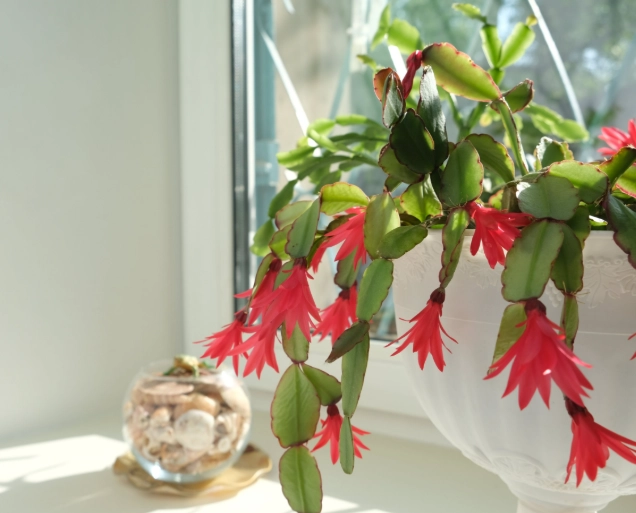
Your Quick Blooming Roadmap
The Light Trigger: It's All About the Dark
This is the biggest factor. Christmas cacti are short-day plants. They need longer periods of uninterrupted darkness to set flower buds. "Short-day" is a bit misleading. It's really about the long nights.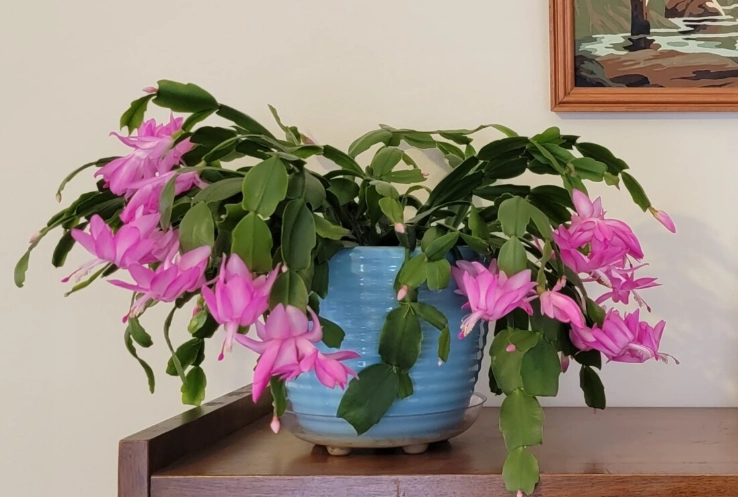
From late September or early October, you need to give your plant 12-14 hours of complete darkness every night, for about 6-8 weeks. A streetlight outside the window, a lamp you turn on in the room, even the glow from a TV or charger—it can all mess this up.
Here's what I do: I put mine in a spare bedroom that nobody uses at night. A closet also works, but you have to remember to take it out every morning for its daily light. Forget a day or two, and you reset the clock.
The Non-Consensus Tip: Don't just count hours of darkness. The quality of the light during the day matters just as much. During this bud-setting period, it still needs bright, indirect light for the other 10-12 hours of the day. A north or east-facing window is perfect. A south window with a sheer curtain works. Weak autumn light won't cut it—the plant needs energy to make those buds.
The Temperature Key Everyone Forgets
Light gets all the attention, but temperature is the silent partner. And this is where most generic advice falls flat.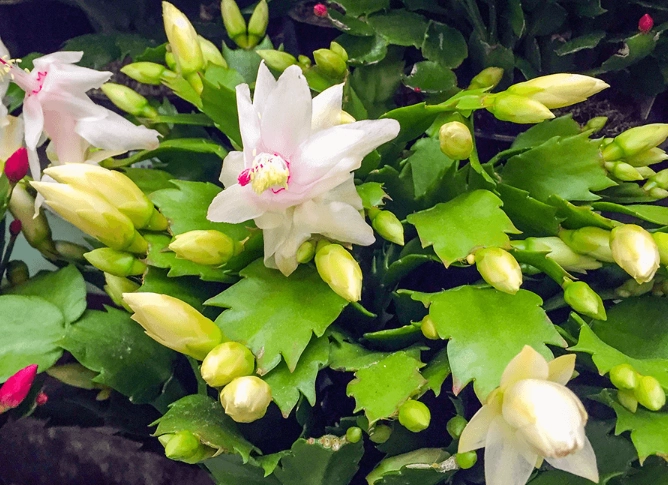
Your Christmas cactus wants a noticeable drop in temperature at night during the bud-setting period. We're talking about a difference of around 10-15°F (5-8°C). Ideal temps are around 50-55°F (10-13°C) at night and 60-70°F (15-21°C) during the day.
This cool period mimics its natural autumn habitat and is a crucial secondary signal that tells the plant, "Hey, it's time to get ready for the show." If your home is a constant 70°F (21°C) day and night, your cactus might be confused.
An unheated sunporch, a cooler bedroom, or even a spot near a drafty (but not freezing) window can provide this. I put mine on a table in my mudroom, which is noticeably cooler than the living room.
What Happens If It's Too Warm?
Heat, especially combined with the right dark period, can still trigger budding. But the buds that form are often fewer and more likely to drop off before opening. It's a classic frustration: "I saw buds, and then they all fell!" Stable, cool temperatures prevent that bud blast.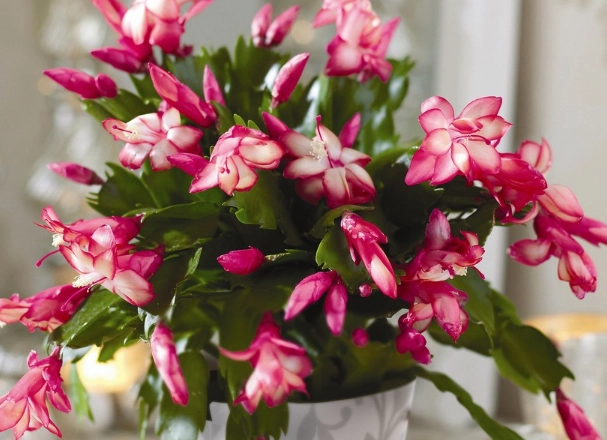
Watering & Fertilizing: Less is More (Sometimes)
Your watering schedule needs to change with the seasons. Think of it in two phases: the growing season (spring/summer) and the blooming preparation season (fall).
| Season | Watering Rule | Fertilizing Rule | Goal |
|---|---|---|---|
| Spring & Summer | Water when the top inch of soil feels dry. Keep evenly moist but never soggy. | Use a balanced fertilizer (like 10-10-10 or 20-20-20) every 2-4 weeks. | Grow healthy stems and leaves. Build energy. |
| Fall (Bloom Prep) | Let the soil dry out a bit more between waterings. Reduce frequency slightly. | Stop fertilizing in late September. No nitrogen during bud set. | Trigger dormancy and bud formation. Avoid soft growth. |
| Winter (In Bloom) | Water lightly when soil is dry. Don't let it wilt, but avoid wet feet. | None. Enjoy the flowers. | Support blooming without stress. |
The fertilizer shift is critical. Giving it nitrogen-rich food in the fall tells it to keep growing leaves, not switch to flower mode. I stop all fertilizer by October 1st.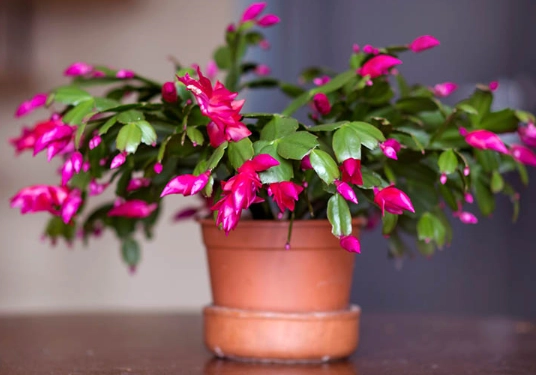
3 Mistakes That Keep Your Cactus From Blooming
Let's cut to the chase. After talking to hundreds of frustrated plant owners, these are the top culprits.
- Moving It Around Too Much: Once buds have formed, the plant hates change. A sudden shift in light direction, a move to a different room, or even rotating the pot can cause it to drop every single bud. Find a good spot and leave it be until the flowers fade.
- Repotting at the Wrong Time: Never repot a Christmas cactus while it's budding or in bloom. The best time is in the spring, after flowering is completely done. They actually bloom better when slightly pot-bound.
- Using the Wrong Soil: They hate heavy, water-retentive potting soil. It leads to root rot. They need a fast-draining, airy mix. I use a blend of 2 parts regular potting mix to 1 part perlite or orchid bark. The National Gardening Association recommends similar well-draining mixes for epiphytic cacti.
Your Step-by-Step Blooming Timeline
Here's a month-by-month plan. Treat this as a flexible guide, not a rigid law. Start adjusting based on your local climate.
January - April (Post-Bloom Rest): Flowers are done. Give it a light trim if needed for shape. Resume watering and start fertilizing with a balanced feed. This is the recovery and growth phase.
May - August (Prime Growing Season): It can enjoy the outdoors in dappled shade (no direct hot sun!). Water and fertilize regularly. This is when it stores energy.
September (The Transition): Bring it indoors if outside. Around Labor Day, start thinking about reducing fertilizer.
October 1 - Mid-November (The Critical Bud-Setting Period): This is the big one. Start the long-night treatment. Ensure 12-14 hours of uninterrupted darkness. Find a cooler spot. Stop fertilizing. Water less. Do this consistently for 6-8 weeks. You should see tiny buds forming at the tips of the segments.
Late November - December (Bloom Time): Once buds are well-formed (like little grains of rice that swell up), you can stop the strict dark treatment. Move it to your desired display location with bright, indirect light. Avoid drafts from heaters or doors. Water normally and watch the show.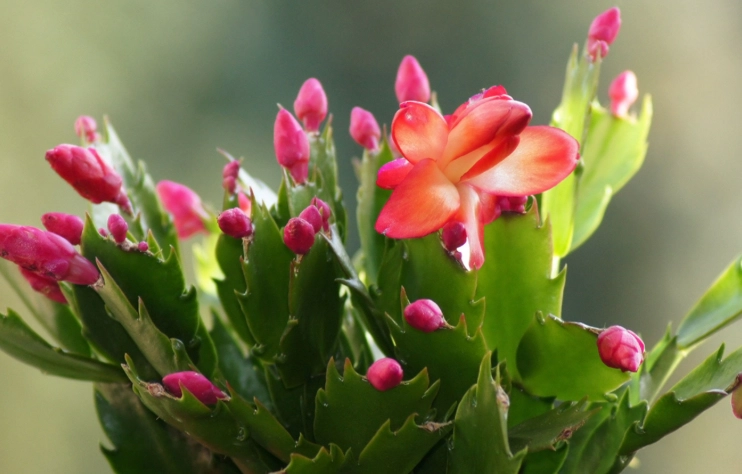
It seems like a lot, but it's just a seasonal rhythm. Once you get it once, it becomes second nature.
Comments