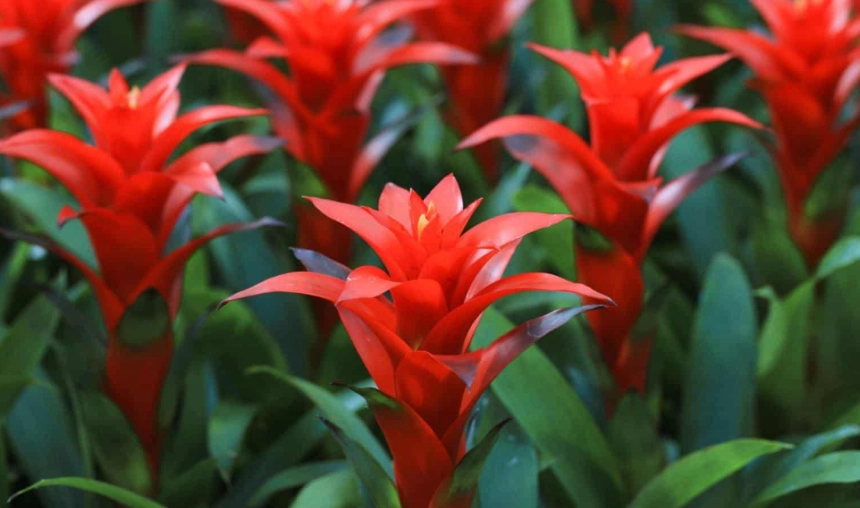
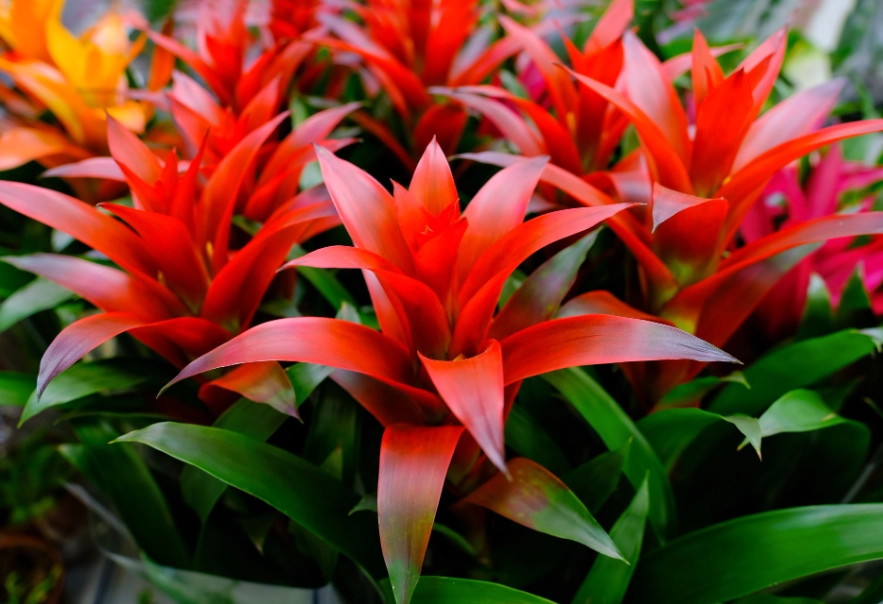
You see them everywhere—grocery stores, garden centers, even office lobbies. A Guzmania bromeliad, with its shocking red, orange, or pink flower spike (technically called an inflorescence) that seems to glow from within. It screams "tropical vacation" and "easy care." And for the most part, it is. But here's the thing most articles don't tell you: keeping that vibrant color for months is the easy part. The real test, and where most people quietly fail, is what happens after the show is over. I've grown these for over a decade, and I've seen the same cycle of excitement followed by confusion. This guide isn't just about keeping your Guzmania alive; it's about understanding its unique life cycle so you can enjoy it for years, not just months.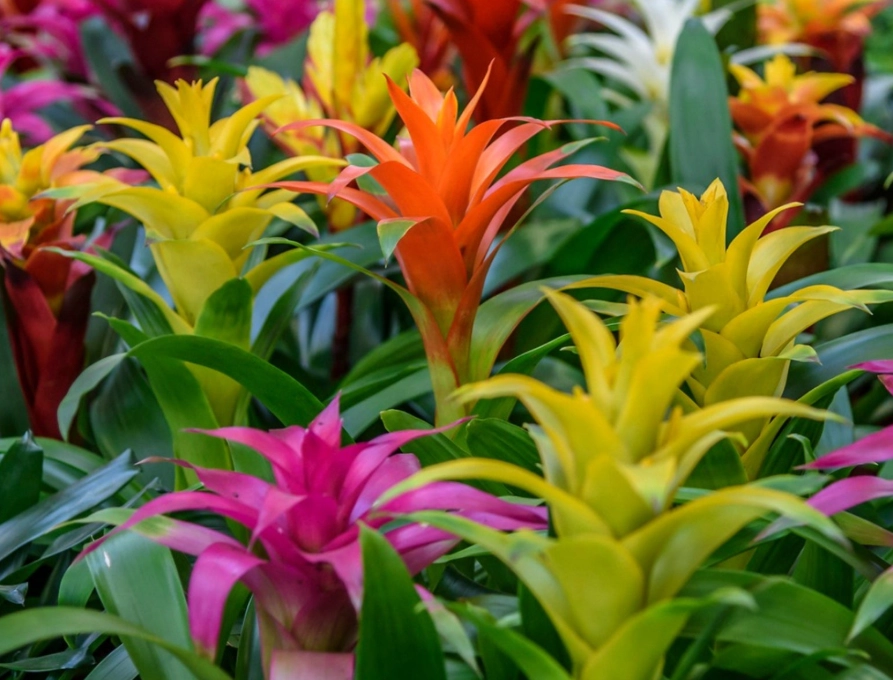
What You'll Learn Today
What Exactly Is a Guzmania Bromeliad?
Let's clear something up first. That bright red "flower" isn't a single bloom. It's a cluster of smaller, often less noticeable true flowers nestled among colorful leaf-like parts called bracts. The plant's strategy is brilliant: the bracts last for up to six months to attract pollinators from a distance. The actual flowers are fleeting.
Guzmania is one of the most common bromeliad genera sold as houseplants. They are epiphytes in nature, meaning they grow on trees in rainforests, not in the ground. This is the single most important fact for caring for them correctly. Their roots are primarily for anchorage, not for slurping up water and nutrients like a traditional plant. This changes everything about how you water them.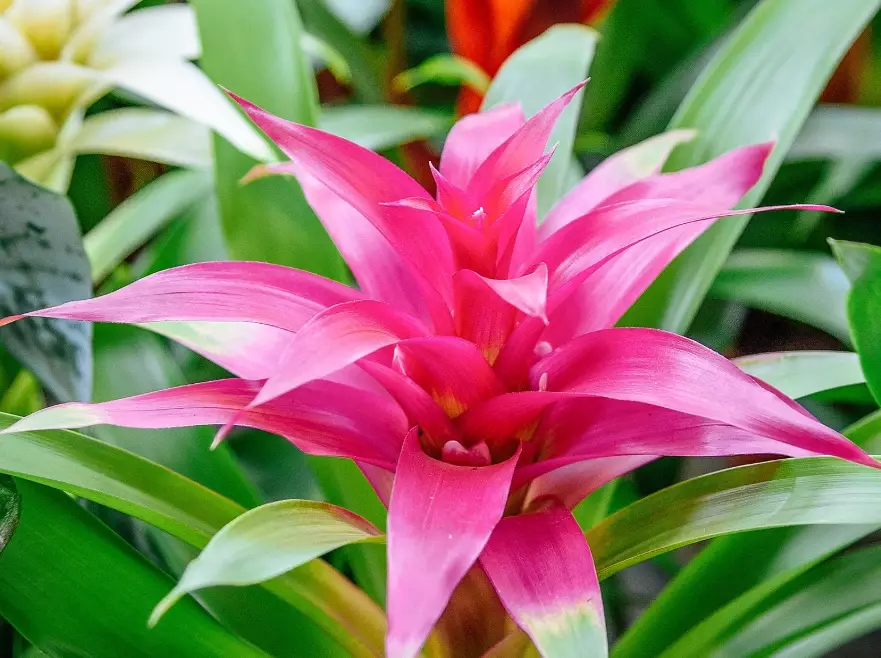
Key Takeaway: Think of your Guzmania as a tree-dweller, not a ground-dweller. Its central "cup" or "vase" (the tank) is its lifeline, not just a decorative feature.
The Complete Guzmania Care Breakdown
Forget complicated schedules. Guzmania care hinges on mimicking its natural, humid, dappled-light habitat. Here’s the detailed, no-fluff breakdown.
How to Water Guzmania Bromeliads Correctly (This is Where Everyone Messes Up)
This is the #1 killer. You cannot treat it like a pothos or a snake plant.
- The Tank Method: Always keep the central cup (the tank) about 1/4 to 1/2 full of water. This is non-negotiable. The plant drinks through specialized scales on its leaves. Use distilled water, rainwater, or filtered water. Tap water, especially if it's hard, leaves mineral deposits that can rot the tender base of the leaves. I learned this the hard way when the center of a prized specimen turned black.
- Root Zone Watering: The potting mix should be lightly moist, but never soggy. Water the soil only when the top inch feels dry. The roots are prone to rot in constantly wet soil. A good soak every 2-3 weeks is usually plenty.
- Drainage is Sacred: The pot must have drainage holes. After watering the soil, let all excess water drain out completely. Never let the pot sit in a saucer of water.
Finding the Perfect Light: Bright but Not Direct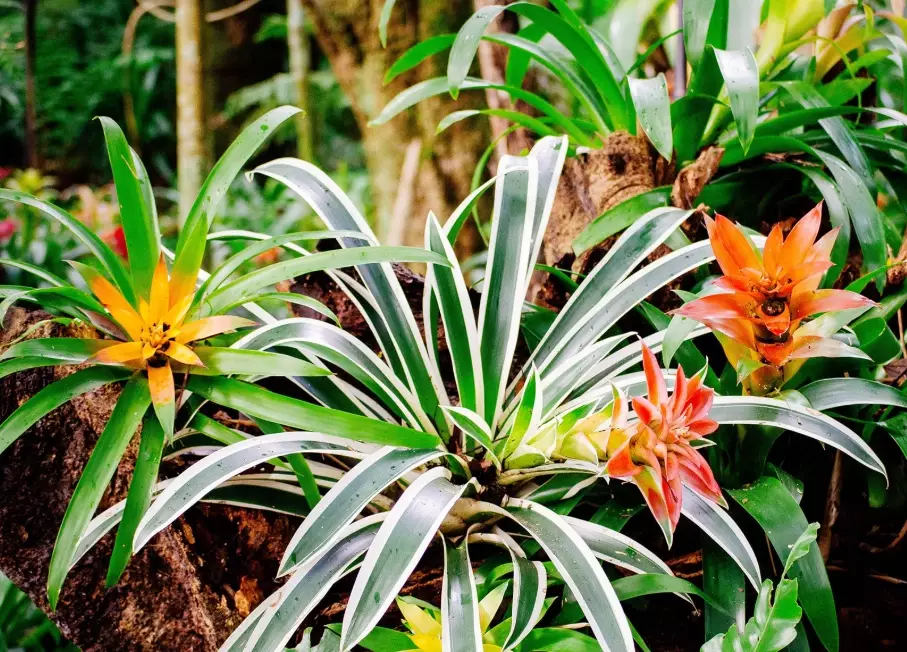
Imagine light filtering through a rainforest canopy. That's your goal. An east-facing window is ideal. A north window can work if it's bright. A south or west window needs a sheer curtain to diffuse the harsh rays. Too much direct sun will scorch the leaves, leaving bleached, crispy patches. Too little light, and the plant becomes leggy, the colors fade, and it may never produce pups (its babies).
The Ideal Environment: Warmth and Humidity
Guzmanias are tropical. They thrive in normal household temperatures between 65°F and 80°F (18°C - 27°C). Avoid cold drafts and sudden temperature drops below 50°F (10°C).
Humidity is their secret sauce. They love 50-60% humidity. In dry homes, especially in winter, group plants together, use a pebble tray, or run a humidifier nearby. Brown, crispy leaf tips are the classic cry for more humidity.
Feeding: Less is More
These are not heavy feeders. During the growing season (spring and summer), use a liquid fertilizer diluted to 1/4 or 1/2 strength. The best method? Pour the diluted fertilizer directly into the central tank, not the soil. Do this once a month at most. In fall and winter, stop feeding entirely. Over-fertilizing leads to salt buildup and can damage the plant.
| Care Aspect | Ideal Condition | Common Mistake to Avoid |
|---|---|---|
| Light | Bright, indirect light (e.g., east window) | Placing in hot, direct afternoon sun (scorches leaves) |
| Water (Tank) | Keep 1/4-1/2 full with distilled/filtered water | Using hard tap water (causes rot) or letting it dry out |
| Water (Soil) | Let top inch dry between waterings | Keeping soil constantly soggy (root rot) |
| Temperature | 65°F - 80°F (18°C - 27°C) | Exposing to cold drafts or temps below 50°F (10°C) |
| Humidity | 50-60% | Ignoring low humidity (causes brown leaf tips) |
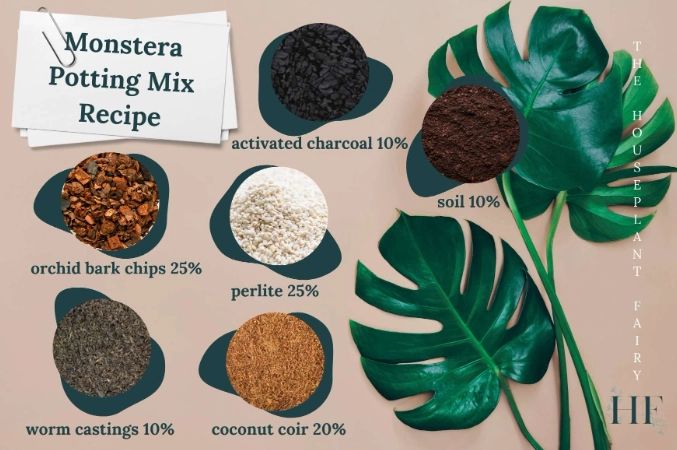
| Potting Mix | Fast-draining, airy mix (e.g., orchid bark, perlite, peat) | Using dense, moisture-retentive potting soil |
The Biggest Challenge: Life After the Bloom
Here's the bittersweet truth no one at the store tells you: a Guzmania blooms once in its lifetime. The magnificent flower spike can last for months, but once it finally fades and turns brown, the mother plant begins a slow decline. This isn't you failing—it's its natural monocarpic lifecycle.
But this is where the magic happens. Before it dies, it will produce offshoots called "pups" around its base. Your job is to nurture these pups to create your next generation of plants.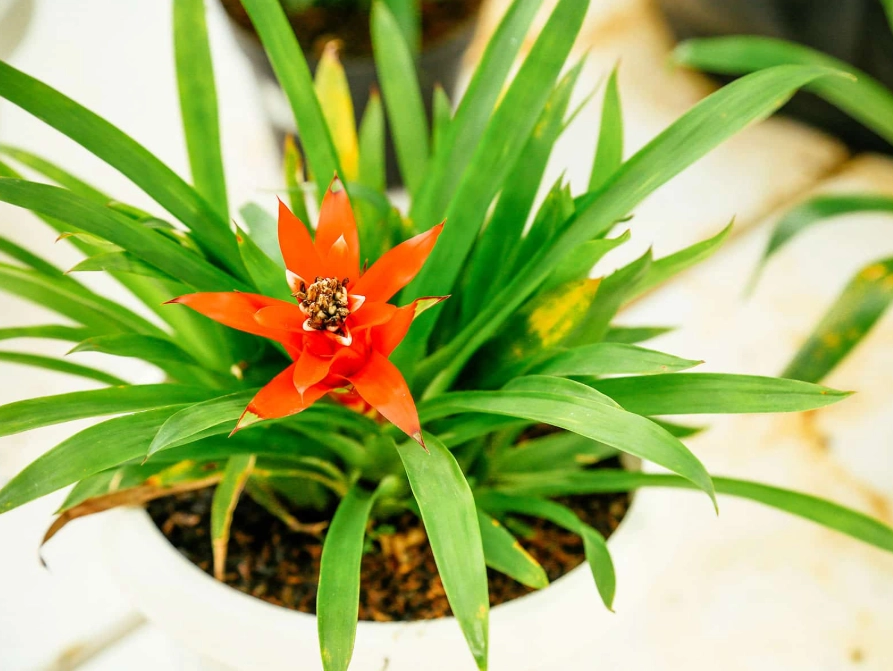
Don't Panic: When the flower fades, don't throw the whole plant away! The mother plant is now a pup factory. Keep caring for it as usual—this provides energy for the pups to grow.
How to Propagate Guzmania Pups: A Step-by-Step Case
Let's walk through a real scenario. Your Guzmania 'Scarlet Star' bloom has been brown for a month, and you now see two small green shoots at the plant's base.
- Wait for the Right Size: Don't rush. Let the pups grow until they are about one-third to one-half the size of the mother plant and have developed several of their own roots. This usually takes 4-6 months.
- Separation Day: Gently remove the entire plant from its pot. Using a clean, sharp knife, cut the pup away from the mother, ensuring you get some of its roots. It's okay if the mother plant looks rough at this point.
- Potting Up: Plant the pup in a small pot (4" is fine) with a fresh, airy bromeliad or orchid mix. Water the soil lightly and put a small amount of water in its new central cup.
- Encourage Growth: Place the potted pup in a warm, humid, bright spot (a propagation box or clear plastic bag can help). Care for it like an adult plant. With good care, it will mature and produce its own spectacular bloom in 2-3 years.
Your Guzmania Questions, Answered
 Guzmanias are more than just disposable decor. They're a fascinating introduction to the world of epiphytes and plant life cycles. By understanding their needs—especially the crucial tank watering and the post-bloom pup phase—you move from being a passive owner to an active grower. The reward isn't just one stunning bloom; it's the satisfaction of cultivating the next generation yourself.
Comments