Quick Guide
- Why Bother with Pothos Cuttings Anyway?
- The Absolute Basics: What Even Is a "Node"?
- Gearing Up: What You Actually Need
- The Great Debate: Water vs. Soil Propagation
- Step-by-Step: The Water Method (The Visual Feast)
- Step-by-Step: The Soil Method (The Direct Approach)
- Why Are My Pothos Cuts Failing? Troubleshooting Guide
- Leveling Up: From Spindly Cutting to Bushy Beast
- Your Pothos Cuttings Questions, Answered
- A Final, Personal Thought
Let's be real. You're probably here because you saw a gorgeous, trailing pothos (Epipremnum aureum, if we're being formal) spilling out of a pot on a friend's shelf or in some impossibly aesthetic cafe. And you thought, "I need that. But wait, can I just... snip a piece?" The answer is a resounding yes. Propagating pothos from cuttings is arguably the most satisfying gateway drug into the world of plant parenting. It feels like a little bit of magic. You take a piece of a plant, give it some water or dirt, and boom – you've created a whole new life. It's cheap, it's easy, and it's incredibly hard to mess up completely. But there's a difference between a cutting that just survives and one that explodes with vigorous, lush growth. That's what this guide is for.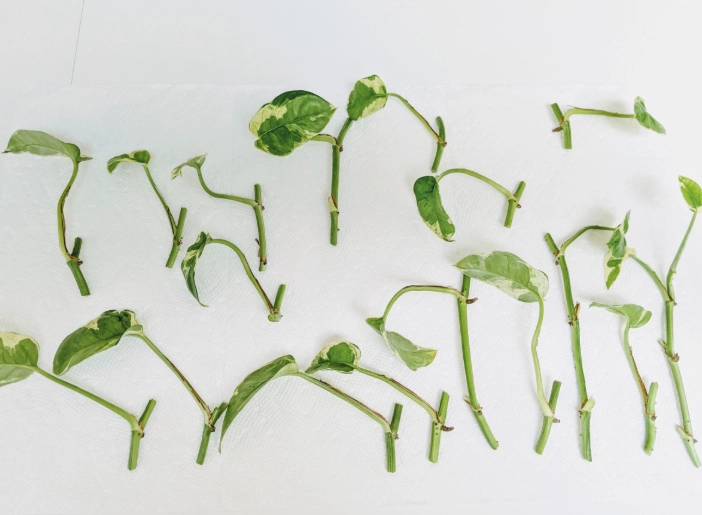
I've propagated more pothos cuttings than I can count. Some became magnificent, full plants I've given as gifts. Others... well, let's just say I've created my fair share of slimy, rotten stem soup. I learned from every single failure. This isn't just a rehash of the same "put it in water" advice you see everywhere. We're going deep. We'll cover the why, the how, the "why isn't it working?!", and the pro tips to turn your single vine into a bushy, jealousy-inducing specimen.
Why Bother with Pothos Cuttings Anyway?
Before we get our scissors out, let's talk motivation. Sure, you can buy a whole new pothos for maybe ten or fifteen bucks. But propagation is about so much more.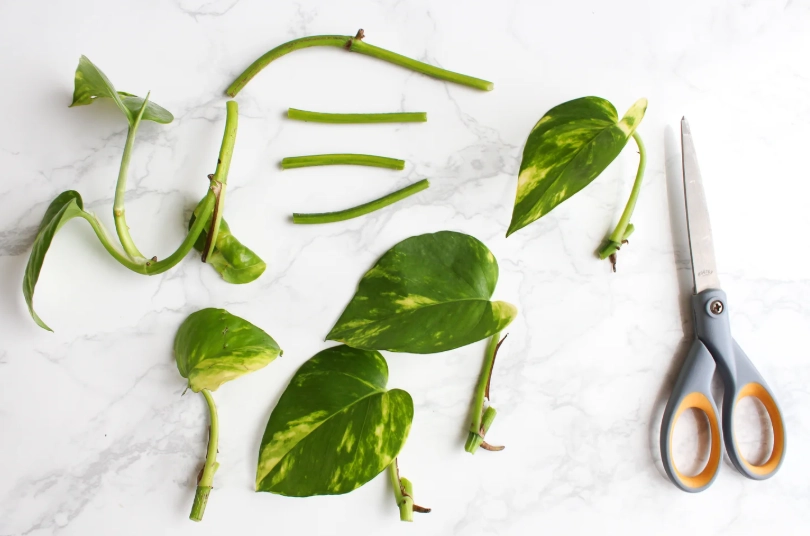
First, it's plant therapy. There's something deeply calming and rewarding about nurturing a cutting. Watching those first tiny, bright white nubs of roots appear in water is a genuine joy. It's a slow, quiet pleasure in a fast world.
Second, it's how you save a leggy plant. Got an old pothos that's all vine and no leaves at the top? That's called being "leggy." Instead of tossing it, you can chop those long vines into multiple pothos cuttings, root them, and plant them back into the same pot. Suddenly, your sparse plant is dense and full again. It's like a free haircut and a plant multiplication trick all in one.
And of course, it's the ultimate way to share the plant love. A rooted pothos cutting is a heartfelt, personal gift that keeps on growing. Starting new plants from pothos cuttings is a tradition among plant people.
The Absolute Basics: What Even Is a "Node"?
This is the single most important thing you will learn today. If you remember nothing else, remember this: No node, no life.
Okay, that sounds dramatic, but it's true. A node is that little bumpy section on the vine where a leaf grows out. If you look closely, you might also see a tiny brownish nub opposite the leaf stem – that's the aerial root primordia, a fancy term for "future root starter pack." This node is where all the growth magic happens. It contains the cells that can become either a new root or a new vine.
If you just cut off a leaf with a bit of stem but no node, you have a pretty leaf in water that will eventually turn yellow and die. It has zero capacity to grow roots. I made this mistake with my very first attempt years ago and was so confused when nothing happened for months. The leaf just sat there, taunting me.
Classic Fail: Taking a "cutting" that's just a leaf. It will never root. Always, always ensure your pothos cuttings include at least one healthy node.
The internode is the stretch of stem between nodes. When you make your cut, you'll usually cut through the internode, leaving the node itself intact and ready for action.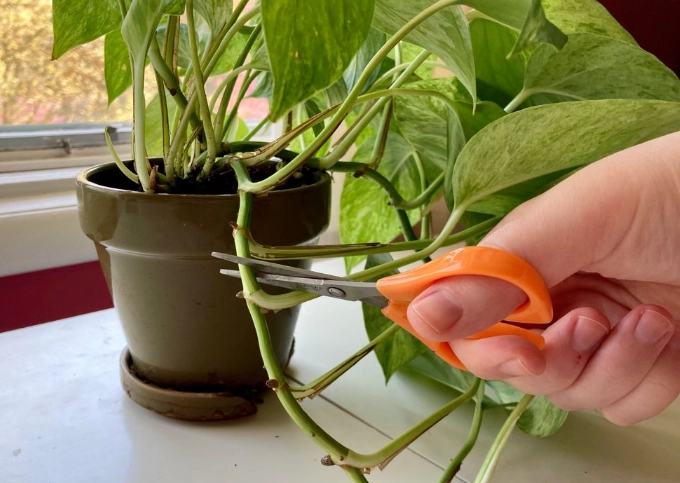
Gearing Up: What You Actually Need
You don't need a fancy gardening kit. Here's the real-world list:
- Sharp Scissors or Pruners: Clean and sharp. A clean cut heals faster and reduces risk of disease. I just use rubbing alcohol on my kitchen scissors. Crushing the stem with dull blades is a bad start.
- Your Mother Plant: Choose a healthy, pest-free vine. The better the parent, the better the kids.
- A Vessel for Water Propagation (if going that route): A clear glass, jar, or vase. Clear lets you spy on the roots, which is half the fun.
- Potting Mix and a Pot (for soil propagation): A well-draining mix is key. I use a regular potting soil with a big handful of perlite or orchid bark mixed in to keep it airy. The pot needs drainage holes. Non-negotiable.
- Optional but Helpful: A rooting hormone (powder or gel). It's not necessary for pothos, but it can speed things up, especially for soil propagation. It's like a confidence boost for your cutting.
The Great Debate: Water vs. Soil Propagation
This is the big fork in the road. Both work perfectly well, but they have different vibes and outcomes. Let's break it down so you can choose your own adventure.
| Factor | Water Propagation | Soil Propagation |
|---|---|---|
| The Process | Stick cuttings in water, wait for roots, then transplant to soil. | Plant cuttings directly into moist potting mix. |
| Biggest Pro | You get to watch the roots grow! It's foolproof and satisfying. Easy to monitor health. | No transplant shock later. Roots adapt to soil from day one, often leading to stronger initial growth. |
| Biggest Con | The roots that grow in water are "water roots." They're brittle and must transition to "soil roots" after transplanting, which can cause a period of adjustment (wilt). | It's a bit of a black box. You have to trust the process without visual confirmation, which can be nerve-wracking for beginners. |
| Speed | Roots often appear faster (1-2 weeks). | Rooting can feel slower as you can't see it, but the plant may establish itself quicker overall. |
| My Personal Preference | I love it for the show. Perfect for beginners who need the visual reward. | My go-to method now. I find the plants are sturdier and skip the post-transplant drama. |
I used to be a die-hard water propagator. It's how I learned. But after transplanting a bunch of water-rooted pothos cuttings and watching them sulk and droop for a week, I started trying the soil method. The first time I did it, I was poking the soil every other day, convinced I'd killed them. But then, a month later, I gave a gentle tug and felt resistance. That "aha!" moment was even better than seeing roots in water. The plant was just quietly getting on with it, building a proper foundation.
Step-by-Step: The Water Method (The Visual Feast)
Okay, let's do this. For water propagation of your pothos cuttings, follow these steps.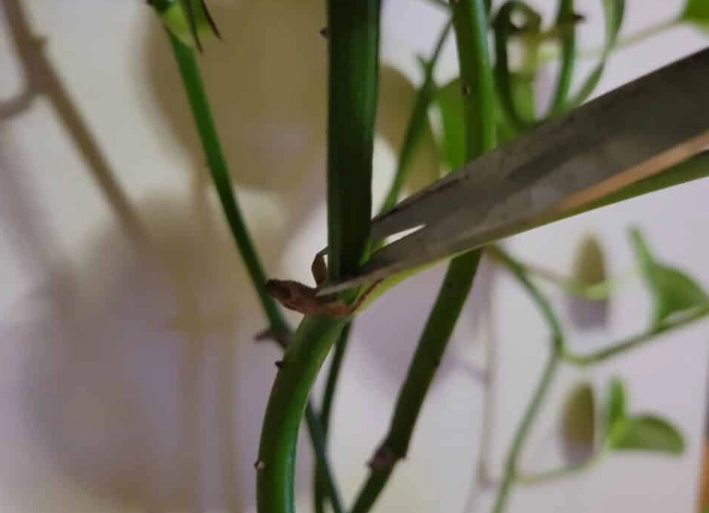
Taking the Perfect Cutting
Find a healthy vine on your mother plant. Look for a section with 3-4 leaves. Now, trace down from the tip until you find a plump, healthy node. Using your clean shears, make a cut on the internode, about a half-inch below that node. You want the node to be included on your cutting piece. You can make a cutting with just one node and one leaf, but I prefer sections with 2-3 nodes. It just gives the plant more to work with.
The Prep Work (Optional but Smart)
You can pop the cut end of your pothos cutting into rooting hormone powder if you have it. Tap off the excess. If you don't have any, don't sweat it. Pothos are eager rooters.
The Setup
Fill your clear glass with room-temperature water. Remove any leaves that would be submerged. Submerged leaves will rot, turn the water foul, and create a bacterial soup that can attack your cutting. Just pinch them off cleanly. Place your cutting in the water, ensuring the node(s) are underwater, but the leaves are high and dry.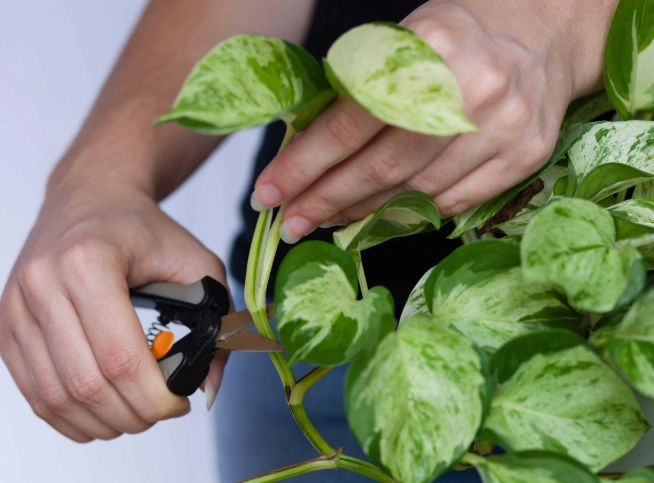
Pro Tip: Use opaque glass if you notice a lot of algae growth (green slime on the glass). Algae isn't a huge problem, but it can compete for oxygen. I actually don't mind it in a clear jar – it's a sign of life in the water. But if it gets thick, it's time for a fresh glass.
The Waiting Game & Care
Place your glass in a spot with bright, indirect light. No direct sun – it can cook the roots and encourage algae. Change the water once a week. This is crucial. Fresh water brings oxygen and prevents bacterial buildup. Just pour out the old, rinse the glass, and add new water.
In 1-3 weeks, you should see little white bumps forming at the node, which will lengthen into roots. Let those roots grow until they are 2-3 inches long and have some secondary roots (little roots branching off the main root). This usually takes 4-6 weeks total. Patience is key. Longer roots handle the transition to soil better.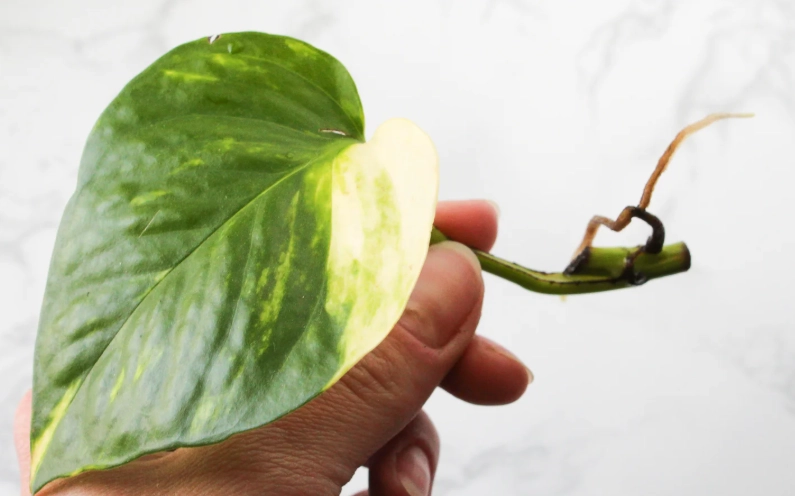
Step-by-Step: The Soil Method (The Direct Approach)
This method feels more like a leap of faith, but it's incredibly efficient.
Taking and Prepping the Cutting
Same as above: cut below a node. Here, using a rooting hormone is a bit more beneficial. It gives the cutting a protective layer and a growth signal right in the medium where it needs to perform.
Potting Mix and Pot Prep
Moisten your well-draining potting mix. It should feel like a wrung-out sponge – damp, not soggy, and definitely not dripping. Fill a small pot (3-4 inches is fine) with drainage holes. Don't use a huge pot; a small pot dries out more evenly and reduces rot risk.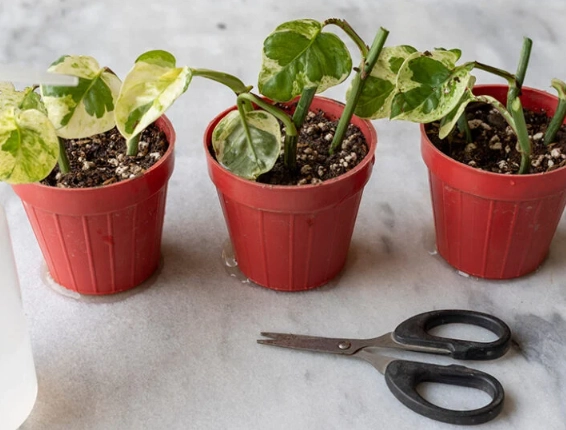
Planting
Make a small hole in the soil with your finger or a pencil. Insert the cutting, burying the node (and any other nodes you have on that cutting) under the soil. Gently firm the soil around the stem so it stands upright. You can put multiple pothos cuttings in one pot to create a fuller plant from the get-go.
The Crucial Post-Planting Care
Water it gently to settle the soil. Now, here's the trick: create a mini-greenhouse. Place a clear plastic bag loosely over the pot, or use the bottom half of a plastic bottle. This boosts humidity around the leaves, reducing water loss while the cutting has no roots to drink. Put it in bright, indirect light.
Keep the soil lightly moist, not wet. The plastic cover will help a lot. After 3-4 weeks, you can test for roots by giving a very gentle tug. If you feel resistance, roots have formed. You can then remove the plastic cover and treat it like a normal, young pothos plant.
Why Are My Pothos Cuts Failing? Troubleshooting Guide
Sometimes things go wrong. Here's how to diagnose the drama.
The Cutting is Rotting (Slimy, Brown/Black Stem in Water or Soil): This is usually from bacteria or fungus. In water, it means you didn't change the water often enough, or a leaf was submerged. Cut off the rotten part above a node, clean the glass, and start with fresh water. In soil, it means the soil stayed too wet. The mix might not drain well, or you overwatered. Unpot, cut off the rot, let the cutting callous over for an hour, and re-plant in fresh, drier mix. Water very sparingly.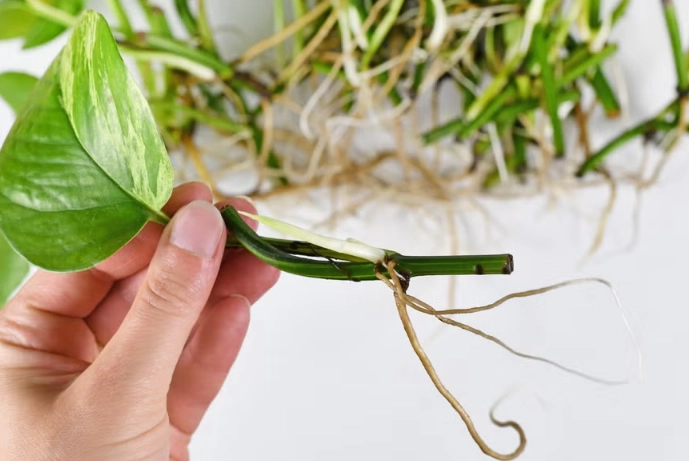
No Roots After a Month: First, double-check for a node. If there's a node, it might be too cold. Rooting happens faster in warmth (70-75°F is ideal). Or, it might need more light (but not direct sun). Lack of light slows everything down.
Yellow Leaves on the Cutting: A bottom leaf turning yellow is often normal. The cutting is redirecting energy to root production. If all leaves are yellowing, it's stressed. Check for rot, or if in water, ensure the node is submerged. If in soil, it might be too dry or too wet – check the moisture level an inch down.
Transplant Shock (Water -> Soil): This is super common. Your water-rooted pothos cuttings go into soil and wilt dramatically. The water roots are struggling to adapt. Keep the soil consistently moist (not soggy) for the first 1-2 weeks to help them transition. Provide high humidity (a plastic bag tent helps here too). It will bounce back.
Leveling Up: From Spindly Cutting to Bushy Beast
So you've rooted a single vine. Great! But now you have one long string. How do you get that full, lush look you see in magazines?
The secret is pinching and propagating back into the same pot. Once your new plant has a few vines that are 6+ inches long, you can pinch or cut off the very tip of the vine (just above a leaf). This signals the plant to break dormancy in the nodes further back on the vine, encouraging new side shoots to grow. It's like telling the plant, "Stop getting longer, start getting bushier."
Then, take those tips you pinched off, root them (in water or soil), and once rooted, plant them right back into the soil around the mother plant. This adds more growing points to the pot. Do this a few times, and you'll have an incredibly dense, voluminous pothos, all from your original pothos cuttings.
Pro Tip: For truly explosive growth, remember that pothos are tropical understory plants. They love warmth, humidity, and bright indirect light. A little liquid fertilizer during the growing season (spring/summer) goes a long way once the plant is established. I use a balanced, diluted fertilizer every month. The difference in leaf size and speed of growth is noticeable.
Your Pothos Cuttings Questions, Answered
A Final, Personal Thought
Working with pothos cuttings taught me more about patience and observation than any other plant. It's a forgiving teacher. You can follow every step perfectly and still have a cutting that just decides to take its sweet time. Or you can make what feels like a clumsy mistake and end up with a champion rooter.
The key is to start. Take that first cutting. Put it in a jar on your windowsill. Change the water every Monday. Watch it. That's the real magic – not just the new plant, but the connection you build by being part of the process. Before you know it, you'll be looking at every long vine not as the end of a plant, but as the beginning of a dozen new ones. Happy propagating!


Comments