Let's be honest. You probably bought a succulent because someone told you they're "impossible to kill." Now you're staring at a mushy, stretched-out, or just plain dead plant, wondering what went wrong. I've been there. I've killed my fair share of echeverias and haworthias before I figured out the rhythm. The truth is, succulent care isn't about neglect; it's about understanding their language. They don't need much, but what they need is specific. This guide cuts through the cute Instagram myths and gives you the actionable, no-nonsense advice to keep your plants not just alive, but genuinely thriving.
What You'll Learn in This Guide
The Non-Negotiable Core Principles of Succulent Care
Forget the "set it and forget it" advice. Think of your succulent as a camel with roots. Its entire biology is built for drought and sun. Every mistake—overwatering, low light, dense soil—contradicts its evolutionary design. The goal isn't to keep the soil slightly moist. The goal is to mimic a desert downpour followed by a long, dry, sunny spell.
Getting the Light Right: It's More Than Just "Bright"
"Bright, indirect light" is the most repeated and often misleading phrase for succulents. Most common varieties crave direct sunlight. We're talking a minimum of 6 hours. A south or west-facing window is your best bet indoors.
Here's a concrete test: if your succulent's shadow is soft and blurry, the light is too weak. You want a sharp, defined shadow. If new growth is stretched out with large gaps between leaves (this is called etiolation), it's desperately reaching for more sun.
| Succulent Type | Ideal Indoor Light | Signs of Not Enough Light |
|---|---|---|
| Echeveria, Sempervivum (Hens & Chicks) | Full, direct sun (South window) | Flattening rosette, stretching, pale color |
| Haworthia, Gasteria | Bright indirect to some direct (East/West) | Loss of markings, dark green, slow growth |
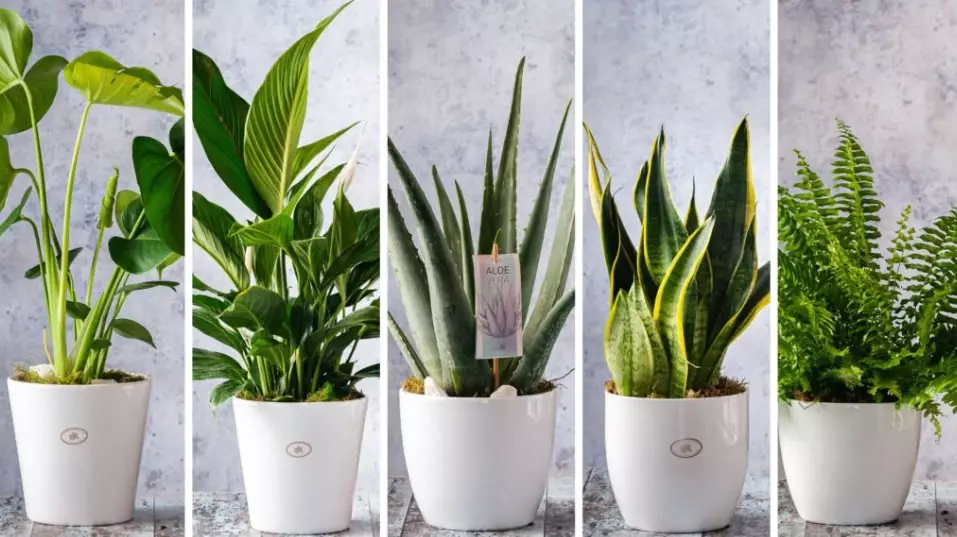
| Snake Plant, ZZ Plant | Low to bright indirect (Very adaptable) | No new growth, leaning severely |
If you only have a north-facing window or a dark apartment, you'll need a grow light. Don't cheap out on a weak one. Look for full-spectrum LED panels. I ran a 6-month test with some echeverias under a basic clip light versus a proper panel. The difference in color and compact growth was staggering. The panel plants looked like they'd been sunbathing in Arizona.
Watering Mastery: Conquering the #1 Killer
This is where 90% of succulent care fails happen. You cannot water on a schedule ("every Tuesday"). You must water based on signs of thirst and soil dryness.
How to Know When to Water
First, the soil must be 100% dry all the way to the bottom. Stick a wooden chopstick in the pot; if it comes out clean, it's dry. Second, look at the plant. A thirsty succulent will have leaves that feel less firm, slightly wrinkled, or thinner. They give a little when gently squeezed. A plump, hard leaf is a well-hydrated leaf.
The Right Way to Water
When both soil and plant signal thirst, it's time for a deep, thorough soak. Take the pot to the sink and water until it flows freely out of the drainage hole. You want to simulate a desert storm that soaks the entire root zone. Then, let all excess water drain away completely. Never let the pot sit in a saucer of water.
In winter, when growth slows and days are shorter, your watering might stretch to once a month or even longer. I've gone 8 weeks without watering some dormant succulents in a cool room. They were perfectly happy.
Soil & Potting: The Foundation Everyone Ignores
The potting mix that comes with your plant is usually terrible. It's often peat-based and retains too much moisture. Your succulent soil mix needs to be fast-draining. Think gritty, not fluffy.
You can buy a pre-made "cactus & succulent mix," but I find even these benefit from extra grit. My go-to recipe is: 50% succulent potting soil + 50% perlite or pumice. For sensitive plants like lithops, I might go 80% pumice. The goal is water that runs through it in seconds.
Pot choice matters. Always use a pot with a drainage hole. Terracotta pots are excellent for beginners because they're porous and help wick away moisture. Plastic pots retain water longer, so you must be even more careful with your watering.
When repotting (do this every 2-3 years or when the plant is root-bound), gently shake off the old soil, check for any black/mushy roots and trim them, let the plant air dry for a day if you've cut roots, then pot into slightly damp new mix. Don't water for about a week to let any root injuries callous over.
Temperature, Fertilizing & Other Nuances
Most common succulents prefer temperatures between 65-80°F (18-27°C). They can handle cooler nights, which often brings out beautiful stress colors. Avoid placing them near cold drafts or heating vents.
Fertilizing is simple and often overdone. Use a balanced, water-soluble fertilizer diluted to half strength (look for an NPK like 10-10-10). Apply it only during the active growing season (spring and summer), and only once a month at most. In fall and winter, stop fertilizing completely. More fertilizer does not mean more growth; it can lead to weak, leggy growth and salt buildup in the soil.
Pests like mealybugs (little white cottony blobs) and scale can appear. Isolate the infected plant immediately. Dab mealybugs with a cotton swab dipped in rubbing alcohol. For scale, you might need horticultural oil. Regular inspection is your best defense.
Your Succulent Care Problems, Solved
Succulent care boils down to respecting their origins. Give them desert-like conditions: tons of sun, infrequent but deep watering, and gritty soil. Pay more attention to the plant's signals than to the calendar. Start with one or two easy types, learn their rhythm, and you'll find they're not just hard to kill—they're incredibly rewarding to grow well. For further reading, the National Gardening Association has excellent plant databases and regional advice.
Comments