If you think growing cactus is just about sticking it in a pot and forgetting it, you're halfway to killing it. I've been there—lost a few precious plants to overwatering and poor light before I cracked the code. The truth is, cactus care is simple but nuanced. Get the basics right, and these desert survivors will thrive for decades. Let's cut through the noise and dive into what really works.
Your Cactus Care Roadmap
Why Cactus Are Different: Understanding Their Desert Origins
Cactus aren't your typical houseplants. They evolved in arid environments like the Sonoran Desert, where water is scarce and sun is brutal. Their spines reduce water loss, their thick stems store moisture, and their roots spread wide but shallow to catch occasional rains. Most beginners mess up by treating them like ferns or peace lilies.
The Anatomy of a Cactus: Spines, Stems, and Roots
Spines aren't just for protection—they shade the plant and reduce airflow, minimizing evaporation. The stem, often called the body, is a water reservoir. Roots are fine and fibrous, designed to absorb water quickly when it's available. If you repot and see dense roots, that's a sign of health, but if they're brown and soggy, you've overwatered.
Common Misconceptions: Debunking Cactus Myths
Myth 1: Cactus need no water. False—they need infrequent but deep watering. Myth 2: They love full sun all day. Not exactly; many species can sunburn. Myth 3: Any soil will do. Absolutely not; most potting soils retain too much moisture.
How to Choose the Right Cactus for Your Home
Picking a cactus isn't just about looks. Consider your light conditions and space. For low-light areas, go for Schlumbergera (Christmas Cactus). For sunny windowsills, Echinocactus (Golden Barrel) is great. Here's a quick comparison of popular varieties based on my experience.
| Cactus Type | Light Needs | Watering Frequency | Best For |
|---|---|---|---|
| Opuntia (Prickly Pear) | Full sun to partial shade | Every 2-3 weeks in summer | Outdoor gardens or bright indoors |
| Mammillaria (Pincushion) | Bright indirect light | Every 3-4 weeks | Windowsills |
| Schlumbergera (Holiday Cactus) | Low to medium light | Weekly when blooming | Low-light rooms |
| Echinopsis (Sea Urchin Cactus) | Direct sunlight | Every 2 weeks in growth season | Sunny balconies |
When I started, I grabbed a cute Ferocactus without checking its light needs—it etiolated (stretched) within weeks. Now, I always match the plant to my environment.
The Perfect Soil Mix: Why Store-Bought Often Fails
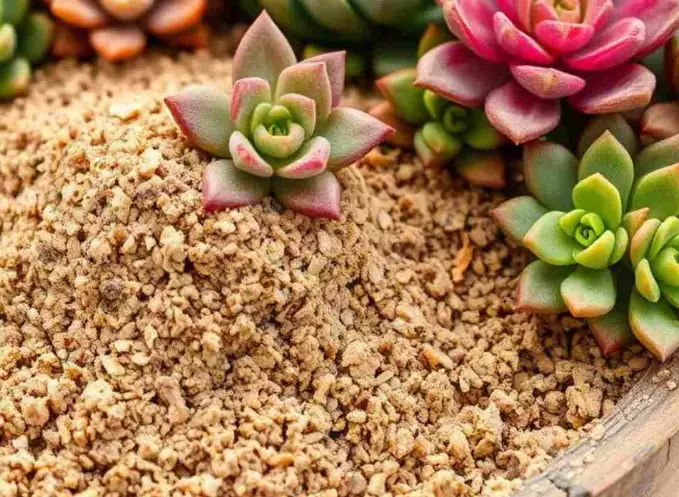
Most commercial cactus soils are garbage. They're just regular potting mix with a bit of sand, which compacts and holds moisture. Cactus need fast-draining soil to prevent root rot. After years of trial and error, I mix my own: 50% potting soil, 25% coarse sand or perlite, and 25% pumice or gravel. This mimics desert ground.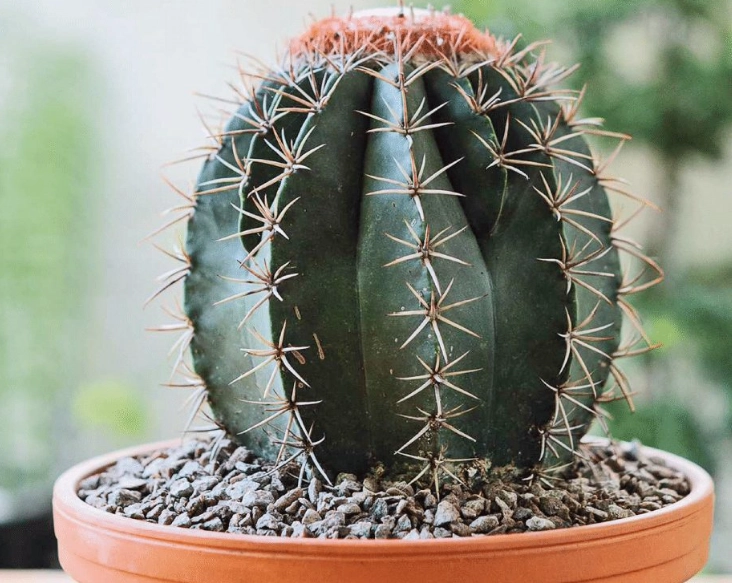
If you're lazy, look for brands that specify "for cacti and succulents" and check the ingredients. Avoid anything with peat moss—it retains water like a sponge.
Watering Cactus: The Art of Neglect
This is where 90% of cactus deaths happen. How often to water? There's no fixed schedule. It depends on season, temperature, and pot size. In summer, I water my indoor cactus every 2-3 weeks, but only when the soil is bone dry. In winter, maybe once a month or less.
Here's my method: Stick your finger an inch into the soil. If it's dry, water thoroughly until it drains out the bottom. Then, let it dry completely. Never let the pot sit in water—use a saucer and empty it after 30 minutes.
Signs of Overwatering and Underwatering
Overwatered cactus get soft, discolored (yellow or brown), and may ooze. Underwatered ones shrivel and wrinkle. If you see wrinkles, don't panic—water deeply, and it should plump up in a few days.
Light Requirements: How Much Sun is Too Much?
Cactus need bright light, but direct scorching sun can burn them, especially if they're not acclimated. South-facing windows are ideal in the Northern Hemisphere. If you notice bleaching or brown spots, it's sunburn—move to indirect light.
For indoor growing, rotate the pot weekly to ensure even growth. If natural light is low, consider a grow light. I use a simple LED panel for 12 hours a day during darker months, and my cactus stay compact and healthy.
Temperature and Humidity: Creating a Desert Oasis
Cactus prefer temperatures between 70-85°F (21-29°C) in day and 50-55°F (10-13°C) at night. They can handle brief dips to 40°F (4°C), but frost is deadly. Humidity should be low—under 50%. In humid climates, improve airflow with a fan to prevent fungal issues.
My apartment gets humid in summer, so I keep cactus away from bathrooms and kitchens. A dehumidifier helps, but simply spacing plants apart works too.
Potting and Repotting: When and How to Do It Right
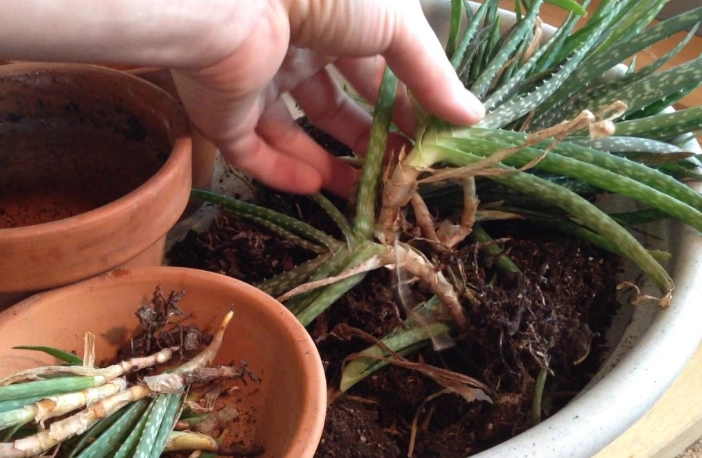
Repot every 2-3 years or when roots circle the pot. Use a pot with drainage holes—terracotta is best because it breathes. Size up gradually; a pot too large holds excess moisture.
Steps: Wear gloves. Remove the cactus gently, shake off old soil, trim dead roots, and plant in fresh mix. Wait a week before watering to let roots heal. I repot in spring when growth resumes.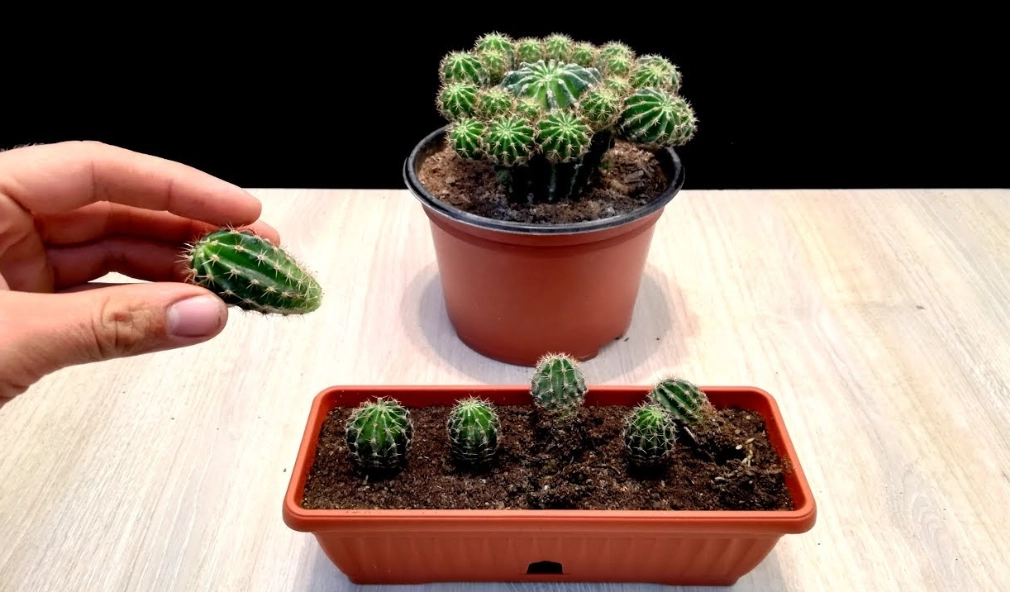
Fertilizing Cactus: Do They Even Need It?
Yes, but sparingly. Use a balanced fertilizer diluted to half-strength, like 10-10-10, during the growing season (spring to summer). Apply once a month. In fall and winter, stop fertilizing—the plants are dormant.
Over-fertilizing causes weak, leggy growth. I once used full-strength fertilizer on a young Rebutia, and it grew too fast, becoming prone to pests. Now, I stick to organic options like worm castings mixed into the soil annually.
Common Problems and Solutions: Saving a Sick Cactus
Pests like mealybugs and spider mites can attack. Isolate affected plants and dab pests with alcohol on a cotton swab. For root rot, cut away mushy parts, let the plant dry for a few days, then repot in dry soil.
Etiolation (stretching) means insufficient light—move to a brighter spot, but acclimate slowly. If the cactus is leaning, it might need more light or support.
Propagating Cactus: Easy Methods for Beginners
You can grow new plants from offsets (pups), cuttings, or seeds. For offsets, gently twist them off, let them callous for a few days, then plant in dry soil. Water lightly after a week.
Cuttings work for columnar types like San Pedro. Cut a segment, let it dry for a week, then plant. Seeds are slower but rewarding—sow in sterile mix and keep warm and moist until germination.
I propagated a Mammillaria from a single pup five years ago; now it's a cluster of 20 heads. It's addictive once you start.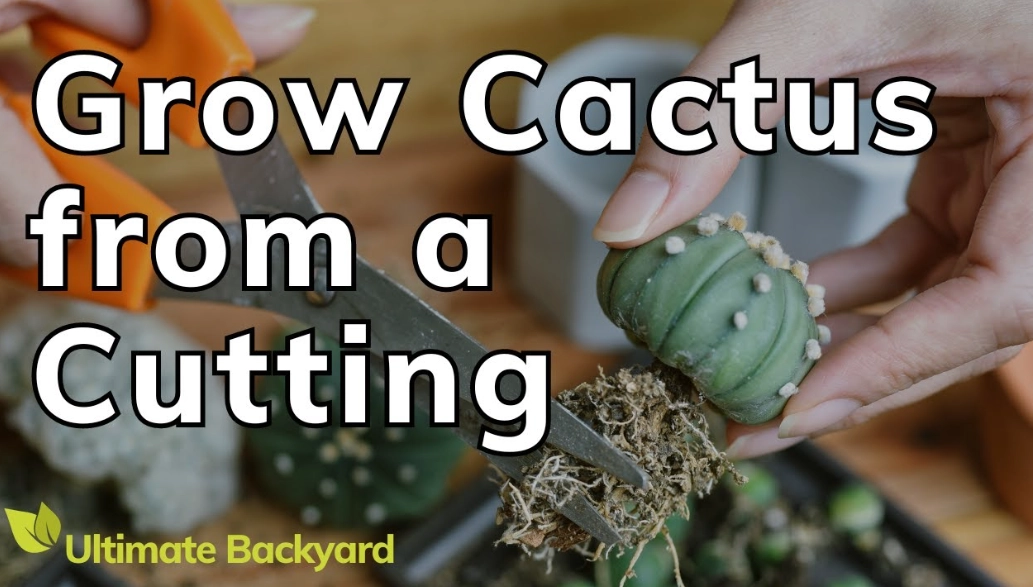
FAQ: Your Top Cactus Growing Questions Answered
 What's the best pot material for cactus?
Growing cactus is a journey of patience and observation. Start with a hardy variety, nail down the basics, and soon you'll have a collection that outlives your other plants. Remember, less is often more. Happy growing!

Comments