Let's be honest. You probably bought your Bird of Paradise plant because it looks incredible. Those huge, banana-like leaves scream "tropical vacation," and the promise of that crazy, bird-shaped flower is hard to resist. But after a few months, the reality sets in. Maybe the leaves are getting brown tips, or it hasn't grown an inch, or it just looks... sad. I've been there. I've killed my share of Strelitzias before I figured out their quirks. This guide is what I wish I'd had—a straight-talking, step-by-step manual to turn that struggling plant into the stunning centerpiece it's meant to be.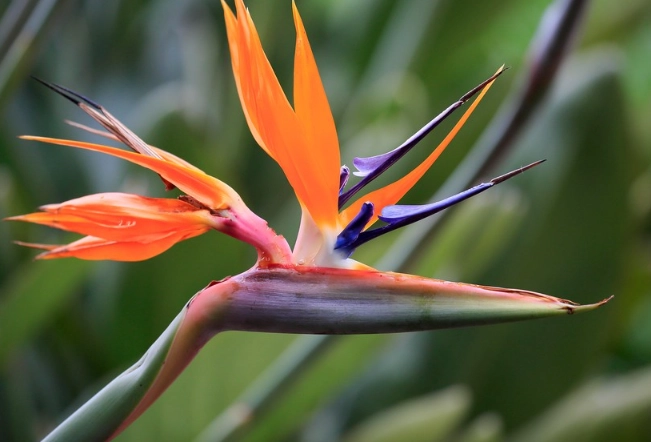
What You'll Find in This Guide
- Know Your Plant: The Two Main Types
- Light is Everything: The Biggest Make-or-Break Factor
- Finding the Watering Sweet Spot (It's Not What You Think)
- Soil, Pots, and When to Repot
- Temperature, Humidity, and Fertilizer
- Pruning, Cleaning, and Making More Plants
- Troubleshooting: Reading Your Plant's SOS Signals
- Your Questions, Answered
Know Your Plant: The Two Main Types
First things first, which one do you have? Most people get one of two species, and they have slightly different needs.
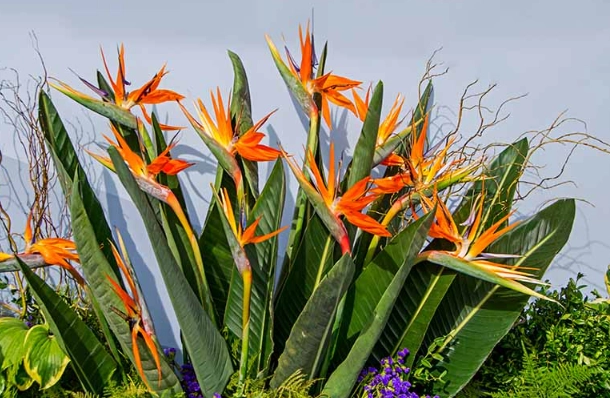
| Feature | Strelitzia reginae (Orange Bird) | Strelitzia nicolai (White Bird / Giant Bird) |
|---|---|---|
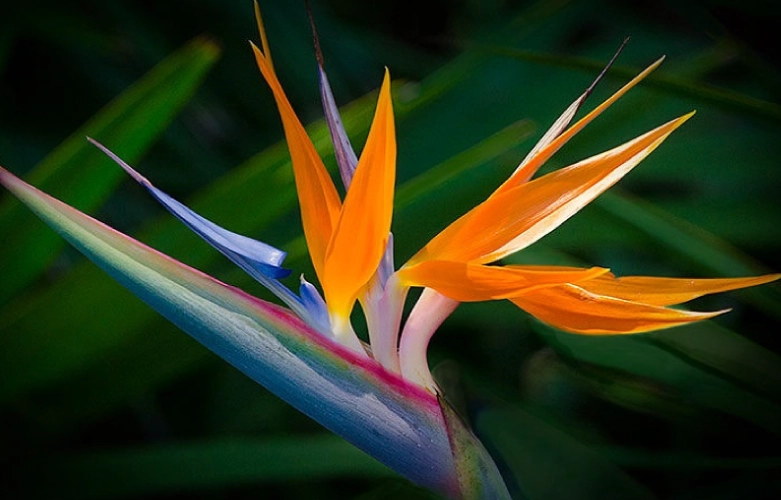
| Flower | Orange and blue, smaller, classic "bird" shape. | White and blue, larger, less common indoors. |
| Leaves | Smaller, paddle-shaped, on long petioles. Grows in a fan. | Massive, banana-tree-like, can split naturally. Forms a clump. |
| Indoor Size | Usually 3-5 feet tall. More manageable. | Can reach 8+ feet indoors. A true statement plant. |
| Common Goal | Grown primarily for the spectacular flowers. | Grown almost exclusively for its dramatic, architectural foliage. |
The care advice here applies to both, but I'll note differences where they matter. Most of the giant, leafy ones you see in designer homes are Strelitzia nicolai. The one on the plant tag at the big-box store is usually Strelitzia reginae.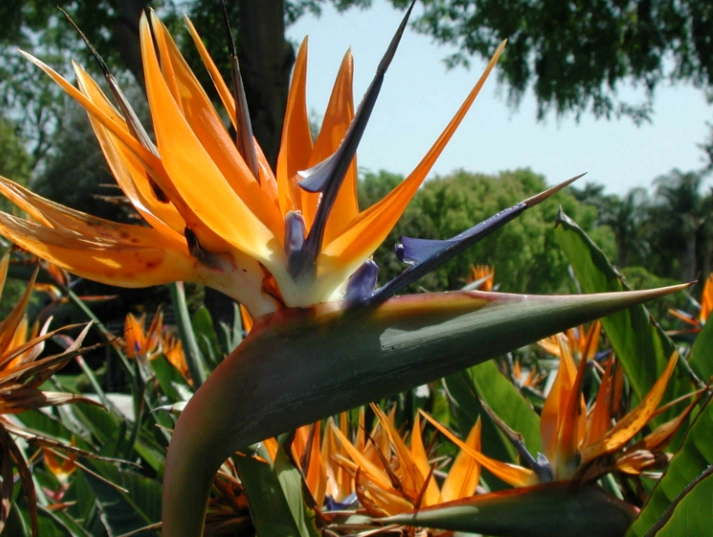
Light is Everything: The Biggest Make-or-Break Factor
This is the most common mistake. People treat Strelitzia like a low-light plant because it's a houseplant. It's not. In its native South Africa, it basks in bright sun.
What it really wants: As much direct indoor sunlight as you can give it. An unobstructed south or west-facing window is ideal. An east window works but growth will be slower.
Here's the expert nuance everyone misses: It's not just about growth, it's about structure. In low light, a Strelitzia will become "leggy." The new leaves will be smaller, the stems (petioles) will stretch out long and weak, and the whole plant gets floppy and awkward. It's trying to reach for light. In bright light, the leaves are larger, sturdier, and the plant maintains a tight, upright form. For S. reginae, bright light is absolutely non-negotiable if you ever want to see a flower. They often need a summer outdoors to trigger blooming.
Can it handle direct sun through a window? Yes, but introduce it gradually if it came from a dim nursery. A little afternoon sun scorch on the leaves is possible, but it's better than the slow decline of low light.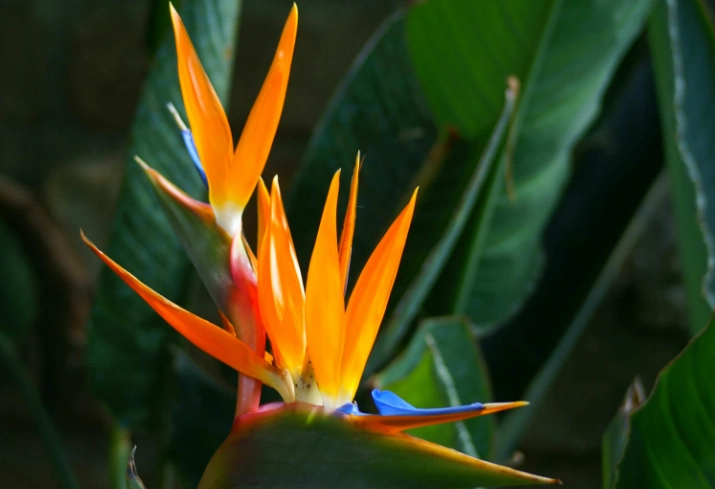
Finding the Watering Sweet Spot (It's Not What You Think)
Overwatering is the fastest killer. Underwatering makes it look terrible. The goal is deep, infrequent drinks.
The Finger Test is Your Best Friend
Forget the schedule. Stick your finger 2-3 inches into the soil. If it's dry, water thoroughly until it runs out the drainage hole. If it's still damp, wait. In a bright, warm spot, this might be every 7-10 days in summer. In a cooler, low-light winter spot, it could be 3 weeks. The plant will tell you.
Signs you're getting it wrong:
- Overwatering: Yellowing lower leaves, soft/mushy stems, a general soggy look. Root rot is the silent killer.
- Underwatering: The entire leaf will curl inwards lengthwise to conserve moisture. Brown, crispy edges and tips are also common, but those are often more about humidity or salt buildup.
Which brings me to water quality. These plants are sensitive to salts and chemicals. If your tap water is hard, using filtered or rainwater can prevent those unsightly brown leaf tips. Letting tap water sit out overnight helps a little.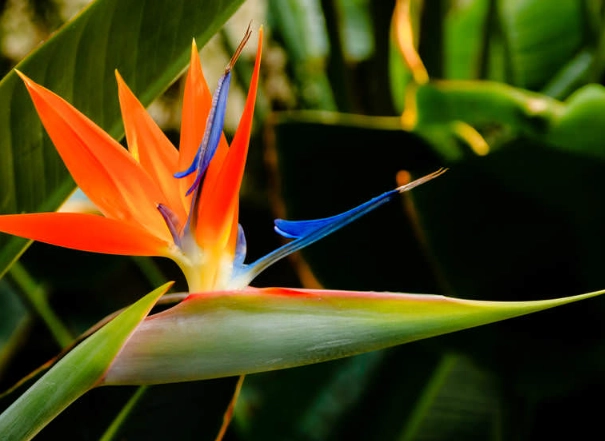
Soil, Pots, and When to Repot
Fast-draining soil is critical. A standard potting mix is too moisture-retentive on its own.
My go-to mix: 2 parts high-quality all-purpose potting soil, 1 part perlite, 1 part orchid bark (or coarse horticultural sand). This creates air pockets and lets water flow through quickly, mimicking their preferred growing conditions. The Royal Horticultural Society recommends similar well-draining mixes for container-grown Strelitzia.
Pot choice: Always, always a pot with a drainage hole. Terracotta is excellent because it wicks away extra moisture. When repotting, only go up 1-2 inches in pot diameter. A pot that's too big holds wet soil for too long around the roots.
When to repot? When you see roots circling the bottom of the pot or poking out the top. They actually like being a bit root-bound, especially for flowering in S. reginae. Repot in spring or early summer.
Temperature, Humidity, and Fertilizer
Temperature & Humidity
They enjoy room temperatures (65-80°F). Don't let them sit below 50°F. Average household humidity is usually fine, but low humidity exacerbates brown tips. A humidifier nearby, a pebble tray, or regular misting (focus on the air around it, not so much the leaves) helps.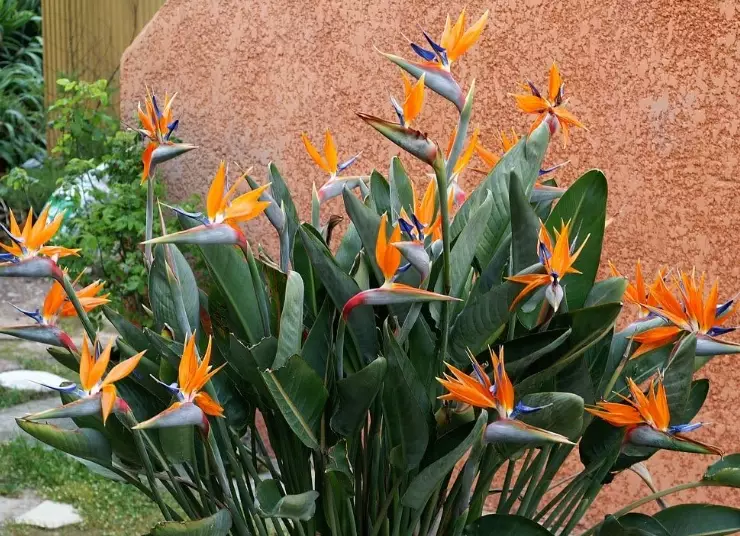
Fertilizing: The Secret to Those Huge Leaves
During the active growing season (spring-fall), feed monthly with a balanced, water-soluble fertilizer (look for an equal NPK ratio like 10-10-10 or 20-20-20), diluted to half strength.
Here's a non-consensus tip from a decade of trial and error: Don't fall for the "bloom booster" high-phosphorus fertilizer hype for your indoor Strelitzia. Flowering is triggered by maturity and intense light exposure, not just phosphorus. A balanced feed supports strong roots and the massive leaf growth you actually want. Over-fertilizing leads to salt buildup, which burns the roots and causes—you guessed it—brown leaf tips.
Flush the soil every few months by running slow, steady water through the pot for a few minutes to leach out excess salts.
Pruning, Cleaning, and Making More Plants
Cleaning: Dust those huge leaves regularly. It lets them breathe and photosynthesize. Use a damp cloth.
Pruning: Only remove leaves that are fully dead or damaged. Cut the leaf stem near the base. Don't go crazy—each leaf is a solar panel. A common mistake is cutting off older, slightly tattered outer leaves thinking it will "direct energy" to new growth. It doesn't work like that. The plant will shed what it doesn't need.
Propagation: You can't propagate from a leaf cutting. It must be done by division. When you repot a mature, multi-stemmed clump, you can gently separate a section with its own roots and pot it up separately. Do this in spring. It's the only reliable way for home growers.
Troubleshooting: Reading Your Plant's SOS Signals
- Leaves splitting: Normal for S. nicolai! It's an adaptation to wind in nature. For S. reginae, it can be from physical damage or low humidity.
- No new growth for months: Usually insufficient light, or it's dormant in winter. Check roots for rot if conditions seem good.
- Leaves curling: Almost always underwatering. Give it a good soak.
- Pests: Watch for spider mites (fine webbing, stippling) in dry air, and scale (little brown bumps). Wipe with insecticidal soap or neem oil.
Your Questions, Answered
Growing a stunning Strelitzia is about nailing the basics—brutally bright light, careful watering, and well-draining soil. Forget the perfect Instagram image; focus on the plant's health. Get those right, and you'll have a dramatic, thriving piece of the tropics that lasts for years, not months. Start with light. Go check your plant's spot right now.
Comments