That plump aloe vera sitting on your windowsill isn't just a survivor. It's a first-aid kit, a skincare lab, and a wellness booster all in one. Most guides tell you it's "good for burns," but then leave you staring at the plant, unsure how to get the goo out without making a mess or harming it. Let's fix that. I've killed a few aloes learning the hard way, so you don't have to. This is the practical, step-by-step manual for turning your aloe vera plant into a usable resource.
What You'll Learn in This Guide
How Do You Harvest Aloe Vera Gel Without Harming the Plant?
This is where most people go wrong. They hack off a leaf willy-nilly. The goal is to harvest sustainably so your plant keeps thriving and producing.
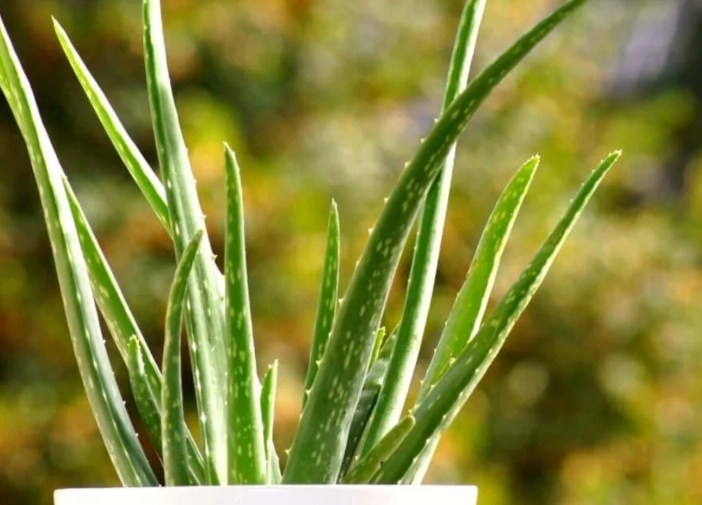
Pick the right leaf. Always choose a mature, outer leaf. It should be thick, fleshy, and pointing outwards or slightly downwards. The inner, upright leaves are the plant's new growth—leave them alone. A good leaf is often 8 inches long or more.
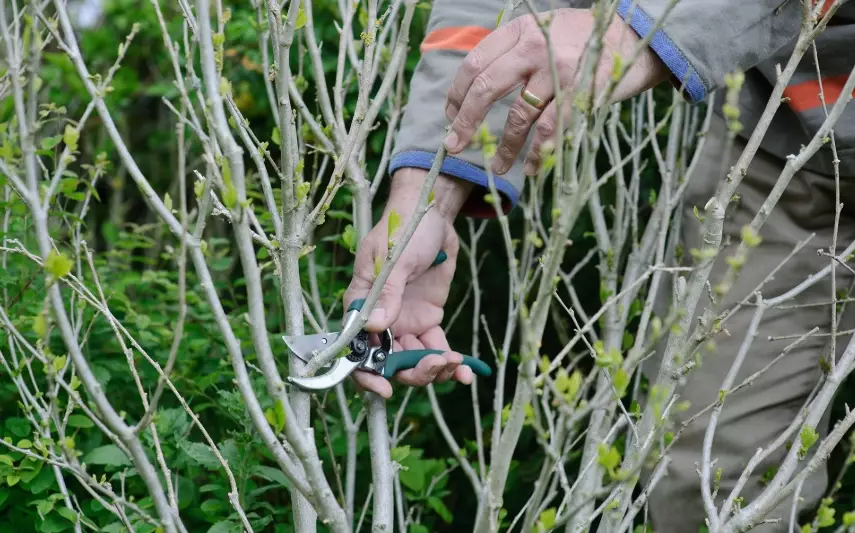
Cut, don't rip. Use a clean, sharp knife. Cut the leaf as close to the main stem as possible with one smooth motion. You'll see a yellow sap (latex) ooze out. Some people are sensitive to it, so be cautious.
Here's the part most blogs skip: let it drain. Stand the cut leaf upright in a cup or bowl for 10-15 minutes. This lets the bitter, yellowish latex (which contains aloin, a laxative compound) drain out. It makes the final gel purer and less likely to cause stomach upset if ingested.
Fillet the leaf. Lay the leaf flat. Carefully slice off the serrated edges. Then, place the flat side down and slice off the top green rind. You'll be left with a translucent, jelly-like fillet. Scoop it out with a spoon.
Top External Uses for Skin & Hair: Beyond the Basic Burn
Yes, it's fantastic for sunburns and minor kitchen burns. Apply the fresh gel directly for instant cooling relief. But its uses are far broader.
Skincare You Can Make Tonight
Fresh aloe gel is a humectant, meaning it draws moisture into the skin. It's also soothing. Here are two simple recipes:
Soothing After-Sun & Daily Moisturizer: Mix 2 tablespoons of fresh aloe gel with 1 teaspoon of a light oil like jojoba or sweet almond oil. A drop of lavender essential oil (optional) adds extra calm. Store in a small jar in the fridge for up to a week. It's light, non-greasy, and perfect for irritated or oily skin.
Overnight Scalp Treatment for Dandruff/Itch: Massage a few tablespoons of pure gel directly onto your scalp. Leave it on for 30 minutes, or even overnight with a shower cap. The anti-inflammatory properties can calm itchiness and flakiness. Wash out thoroughly in the morning.
Minor Cuts, Scrapes, and Razor Burn
Aloe vera has natural antibacterial properties. After cleaning a minor wound, applying a thin layer of gel can create a protective, moist barrier that may support healing. For razor burn, it's a godsend—cooling down the inflammation immediately.
| Use Case | How to Apply | Why It Works | Frequency |
|---|---|---|---|
| Sunburn Relief | Apply a thick layer of chilled gel directly. | Cools skin, reduces inflammation, provides moisture. | As needed, every few hours. |
| Minor Burn (e.g., cooking) | Apply after running under cool water for 5 mins. | Same as above, creates protective layer. | 2-3 times daily until healed. |
| Dry Skin Patch | Mix gel with a drop of oil, apply liberally. | Humectant draws moisture into skin. | Daily until improved. |
| Razor Bumps | Apply pure gel after shaving. | Soothes irritation, reduces redness. | After every shave. |
Considering Internal Use? Read This Safety Briefing First
This is the murky area. You'll see claims about digestion and detox. The reality is more nuanced and requires caution.
The #1 Rule: Never eat the green rind. It contains aloin, which is a powerful laxative and can cause severe cramping and diarrhea. This is the non-consensus point many miss—even small amounts from improper preparation can cause issues.
If you want to try aloe water or a smoothie: You must use only the inner fillet (the clear gel) after thoroughly draining the latex. Even then, start with a small amount, like one tablespoon. Some people's digestive systems are sensitive to it.
Who should avoid internal use completely? Pregnant or breastfeeding women, children, and people with intestinal conditions like Crohn's disease or ulcerative colitis. The National Center for Complementary and Integrative Health notes that oral aloe latex has laxative effects and its safety for long-term use is not established.
What Are the Most Common Mistakes When Using Aloe Vera?
After talking to dozens of plant owners, patterns emerge.
Mistake 1: Using a leaf that's too young. It won't have much gel, and harvesting it stunts the plant's growth. Wait for the outer leaves.
Mistake 2: Not draining the latex. That yellow sap is the main culprit behind skin irritation for some and digestive upset for others. Let it drip out.
Mistake 3: Assuming it's a cure-all. Aloe is great for minor, superficial issues. It is not a substitute for medical treatment for serious burns, deep wounds, or chronic skin conditions like eczema or psoriasis. In fact, for some with sensitive skin, it can cause contact dermatitis. Patch test first.
Mistake 4: Storing fresh gel wrong. Pure, fresh gel spoils quickly. If you have extra, store it in an airtight container in the fridge for 5-7 days max. For longer storage, freeze it in ice cube trays.
Your Aloe Vera Questions Answered
Can I apply aloe vera gel directly from the plant to my face every day?
Many people do, but it's not for everyone. For oily or normal skin, it can be a light, refreshing moisturizer. However, aloe vera isn't an occlusive—it doesn't seal in moisture on its own. If you have very dry skin, you might need to layer it under a cream or mix it with an oil. Always do a patch test on your jawline first to check for any redness or itching.
Why did my aloe gel turn pink or brown, and is it still safe to use?
That's oxidation, like an apple turning brown. It happens when the gel is exposed to air. It usually means it's starting to degrade. The antioxidant properties diminish, and it could harbor bacteria. If it's just slightly pink and smells fine, it's probably okay for external use for a day or two. If it's deep brown and smells off, toss it. To prevent this, store gel in the fridge in a sealed container and use it fast.
How can I tell if my aloe plant is mature enough to harvest?
Look for two things: overall plant size and leaf posture. A plant that's at least a year old and has multiple "rows" of leaves is a good candidate. The mature leaves you want are typically on the outermost ring, are plump, and often arch outwards or downwards under their own weight, rather than standing straight up in the center.
Is home-grown aloe better than store-bought gel?
For purity and potency, absolutely. You're getting 100% fresh aloe vera gel with no preservatives, thickeners, colors, or watered-down filler. Many commercial gels list "aloe vera" as the first ingredient but are mostly water and carbomer. The trade-off is shelf life and convenience. Fresh gel is more powerful but spoils quickly. Store-bought can be fine for casual use, but for serious soothing, fresh is best.
My aloe plant gel is very watery, not thick. Did I do something wrong?
Probably not. Gel consistency varies by species, how much you water the plant, and the season. Aloe barbadensis miller is the classic thick-gel variety. If you're underwatering, the plant uses its internal water reserves, leading to thinner gel. Try giving it a deep soak and then letting it dry completely before the next watering. Thinner gel still works, it's just messier to apply.
Comments