You want plants. You love how they look. But your track record? Let's just say the local compost heap has benefited from your efforts more than your living room. The idea of "easy care plants" sounds like a myth, right up there with unicorns and a completely clean kitchen sink.
I get it. I've killed my share of "unkillable" plants. The turning point was a pothos I forgot on a dark bookshelf for nearly two months. When I found it, wilted and pathetic, I gave it a good soak as a last rite. A week later, new shoots appeared. That plant taught me more about resilience than any gardening book. True easy care plants aren't just tolerant; they communicate. They have clear, simple needs and give you plenty of warning before things go south.
This guide is for the over-scheduled, the forgetful waterers, the apartment dwellers with questionable light. We're moving past vague advice and into the specifics of building a green space that fits your life, not the other way around.
What You'll Find in This Guide
The Top 7 Easy Care Plants You Can Actually Trust
Forget generic lists. Here are the workhorses, ranked by their ability to withstand real-life neglect and still look good. I'm including their "tell"—the sign they give you when they need something.
>| Common Name | Botanical Name | Key Strength / "Easy" Factor | Its "Tell" | Light Needs (The Reality) |
|---|---|---|---|---|
| Snake Plant | Sansevieria trifasciata | Thrives on drought. Can go 4-6 weeks between waterings. | Leaves get wrinkled or thin when severely thirsty. | Low to Bright Indirect. A north window is fine. |
| ZZ Plant | Zamioculcas zamiifolia | Stores water in potato-like rhizomes. The ultimate forgetter's plant. | Stems may lean dramatically or yellow when overwatered. | Low to Medium. Avoid direct hot sun. |
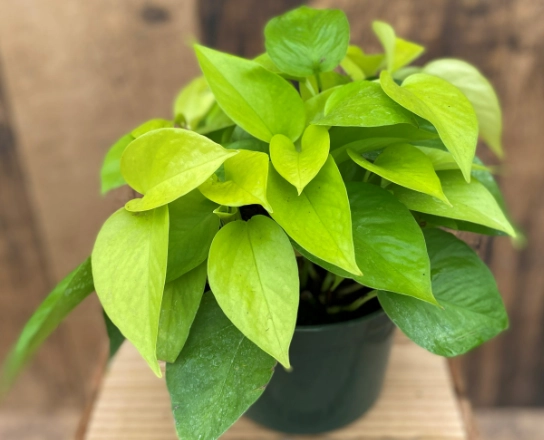
| Pothos / Devil's Ivy | Epipremnum aureum | Grows fast, tells you clearly when thirsty. Perfect for visual feedback. | Leaves go limp and droopy. Perks up within hours of watering. | Low to Bright Indirect. Variegation fades in low light. |
| Spider Plant | Chlorophytum comosum | Forgives inconsistent watering. Produces "babies" for easy propagation. | Leaf tips brown from fluoride in tap water or under-watering. | Medium to Bright Indirect. More light = more babies. |
| Cast Iron Plant | Aspidistra elatior | Handles low light, dust, and temperature swings. Slow grower. | Very few. Brown spots usually mean overwatering. | Truly Low Light. Dark corners are its specialty. |
| Peace Lily | Spathiphyllum spp. | Dramatic communicator. Great for learning watering cues. | Whole plant droops spectacularly when thirsty. | Low to Medium. Direct sun burns leaves. |
| Chinese Evergreen | Aglaonema spp. | Adaptable to various light conditions. Slow, steady growth. | Leaf edges curl inward when dry. Yellowing from overwatering. | Low to Medium. Brighter light enhances leaf color. |
My personal favorite for absolute beginners is the ZZ Plant. I left one in a poorly lit office for two months over a holiday break with zero water. It didn't just survive; it pushed out a new shoot. That's the kind of low maintenance we're talking about.
The Real Foundations of Low Maintenance Care
Choosing tough plants is half the battle. The other half is not sabotaging them with kindness. Most easy care plants die from over-attention, not neglect.
Light: It's Not About "Bright Indirect"
That phrase is useless if you don't know what it means. Let's get specific.
Low Light: This is enough light to read a book comfortably at noon without a lamp. It's usually several feet from a north-facing window or in the center of a room with a south-facing window. Snake plants, ZZ plants, and cast iron plants live here.
Medium/Bright Indirect: This is the sweet spot near an east or west-facing window, or about 3-5 feet back from a south-facing window. The sun never directly hits the leaves, but the room is bright. Pothos, spider plants, and peace lilies are happy here.
A common mistake? Putting a "low light" plant in a pitch-black bathroom. No plant grows in total darkness. If you can't read, neither can your plant photosynthesize.
Watering: The Finger Test is Gospel
Forget schedules. Your plant doesn't know it's Tuesday.
Stick your finger into the soil up to the second knuckle. If it feels dry, water thoroughly until it runs out the drainage hole. If it feels damp, walk away. For plants like Snake and ZZ, let the soil dry out completely throughout the entire pot before even thinking about water.
Here's the expert nuance everyone misses: watering needs change with the seasons. In winter, with lower light and indoor heating, your plant might need water half as often. In summer, it might be twice as often. Always go back to the finger test.
Soil and Pot: The Unsexy Essentials
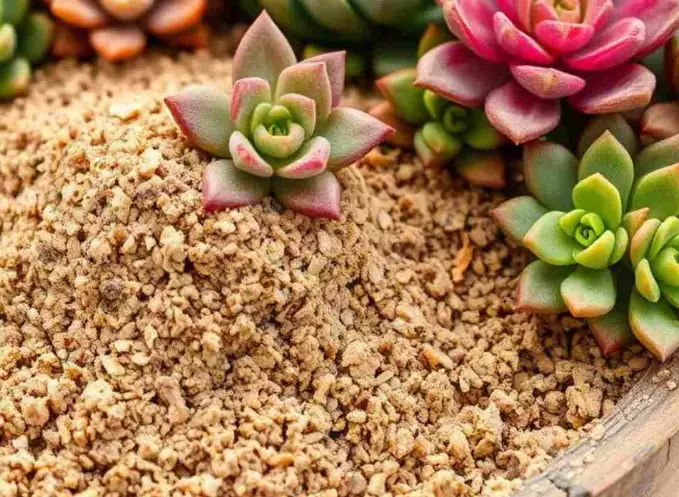
A "well-draining mix" usually means a standard potting soil with something chunky added, like perlite or orchid bark. This prevents roots from sitting in soggy soil.
And that pot must have a drainage hole. No exceptions. Decorative cache pots are fine, but the inner plastic pot needs a hole. Root rot is a silent, wet killer, and it's almost always caused by water trapped at the bottom of a pot.
Next-Level Tips from a Recovering Plant Killer
Once you've kept a plant alive for six months, these tips will help them thrive, not just survive.
Dust is the Enemy. A layer of dust on leaves (like on a Snake Plant) blocks sunlight. Wipe them down with a damp cloth every month or two. You'll see a noticeable difference in growth.
Hold the Fertilizer. Easy care plants are slow growers. Fertilizing a struggling or dormant plant is like force-feeding a sick person. If you must, use a diluted, balanced liquid fertilizer only during the active growing season (spring and summer), and only once a month at most.
Propagation is Your Safety Net. The best thing about plants like Pothos and Spider Plants? You can make clones. Snip a stem with a few nodes, pop it in water, and in weeks you have roots. If the mother plant ever dies, you've got a backup. It takes the pressure off.
Your Easy Care Plant Questions, Answered
What's the best easy care plant for a dark bedroom or a windowless office?
The Cast Iron Plant (Aspidistra) is the undisputed champion of dim spaces. A ZZ Plant is a close second, but it still needs some ambient light over time. For a truly dark spot, consider a high-quality fake plant—no shame in that game. A real plant will eventually decline without any light source.
I keep overwatering. How do I break the habit?
Switch to terracotta pots. They're porous and pull moisture out of the soil, helping it dry faster. More importantly, get a moisture meter. It's a $10 tool that takes the guesswork out. Stick it in the soil, and it gives you a reading. It's a training wheel that helps you recalibrate your instincts.
 Why are the leaf tips on my Spider Plant turning brown even though I water it regularly?
That's likely fluoride or chlorine in your tap water. Spider Plants are sensitive to it. Try using filtered water, rainwater, or just leave a jug of tap water out overnight so the chemicals can dissipate before you water. Also, ensure you're not keeping the soil soggy—brown tips can also be a sign of inconsistent moisture.
Can I put my easy care plants outside in the summer?
You can, but you must acclimate them slowly. Don't move a ZZ plant from your living room to full sun on the patio. Start in deep shade for a week, then move to dappled light. Always check for pests before bringing them back inside. And remember, they'll need more frequent watering outside due to wind and heat.
My Snake Plant hasn't grown a single new leaf in a year. Is it dead?
Probably not. Snake Plants are notoriously slow growers, especially in lower light. No growth is often a sign of being pot-bound or in very low energy (light) conditions. Check if roots are circling the bottom of the pot. If they are, repot in spring into a pot only 1-2 inches larger. Otherwise, as long as the leaves are firm and not mushy, it's just existing happily in its low-maintenance way.
 The goal with easy care plants isn't to create a perfect, Instagram-ready botanical collection. It's to bring a bit of resilient, quiet life into your space. Start with one—a ZZ in a dim corner, a Pothos on a shelf. Learn its language. Kill it if you must (we all have). Then try again. The simplicity and steady growth become a small, satisfying counterpoint to a busy world.
Comments