Jump to What You Need
Kalanchoe plants are tough, colorful succulents that can survive neglect, but to make them thrive—not just survive—you need to ditch the generic advice. I’ve grown these for over a decade, and most guides miss the subtle tricks that prevent leggy growth or bloom failure. Let’s cut to the chase: proper light and watering are key, but the devil’s in the details like pot choice and seasonal adjustments.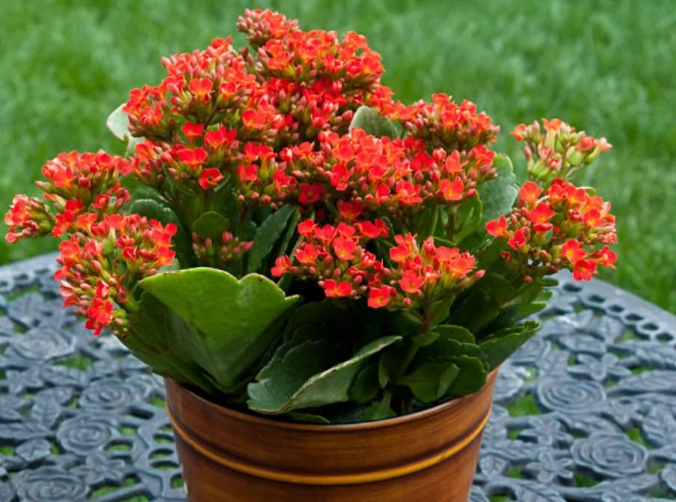
What Exactly is a Kalanchoe?
Kalanchoe is a genus of succulent plants native to Madagascar and Africa, part of the Crassulaceae family. They’re popular for their fleshy leaves and vibrant flowers that come in red, pink, yellow, or white. You’ll often see them sold as gift plants during holidays, but they’re more than just decor—they’re perennials that can live for years with the right care. A fun fact: some species, like Kalanchoe daigremontiana (mother of thousands), produce plantlets on leaf edges, which is cool but can become invasive if not managed.
I remember buying my first kalanchoe from a grocery store; it looked perfect but dropped all its blooms in weeks because I treated it like a regular houseplant. That’s the first lesson: these aren’t your average ferns or peace lilies.
The Non-Negotiable Care Basics
Getting kalanchoe care wrong usually boils down to overwatering or poor light. Here’s the breakdown from my experience.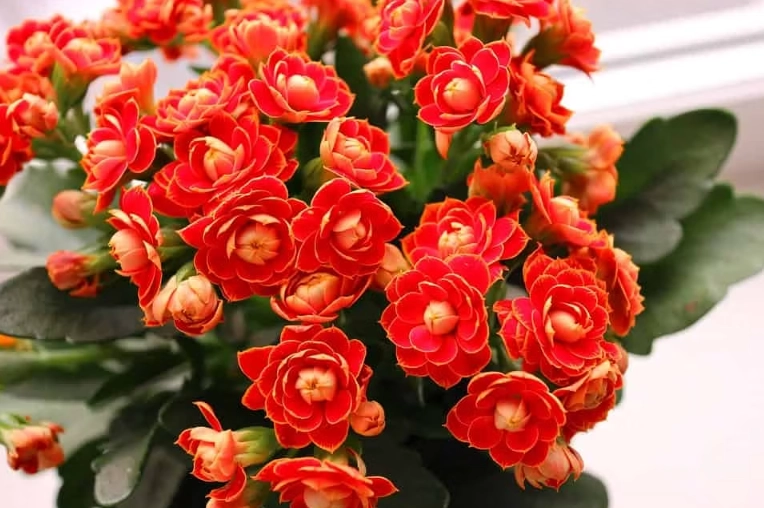
Light Requirements: More Than Just “Bright”
Kalanchoe needs bright, indirect light for at least 6 hours a day. Direct afternoon sun can scorch leaves, especially in summer. East or west-facing windows are ideal. If your plant starts stretching toward the light (called etiolation), it’s begging for more. I’ve used a simple trick: rotate the pot every week to ensure even growth. In low-light areas, consider a grow light—but keep it 12 inches away to avoid heat stress.
Watering Schedule: The Biggest Killer
Overwatering is the top reason kalanchoe dies. These plants store water in their leaves, so they hate soggy soil. Water only when the top 1-2 inches of soil are dry. In winter, cut back to once a month. Use the “soak and dry” method: water thoroughly until it drains out the bottom, then let it dry completely. A moisture meter saved my plants when I was starting out—it costs $10 and prevents guesswork.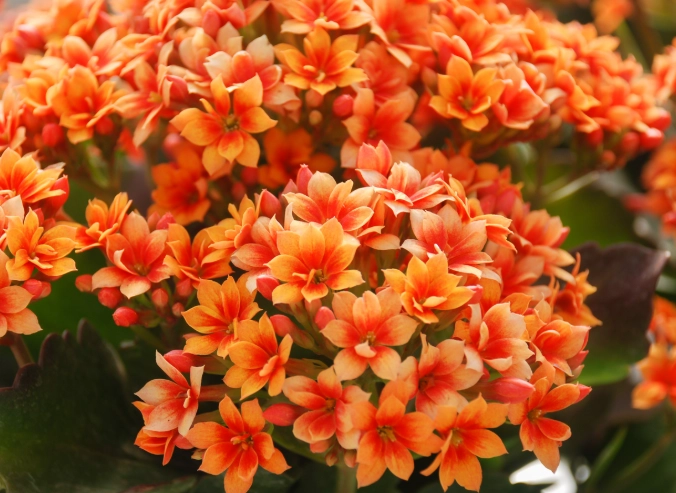
Soil and Potting: Drainage is Everything
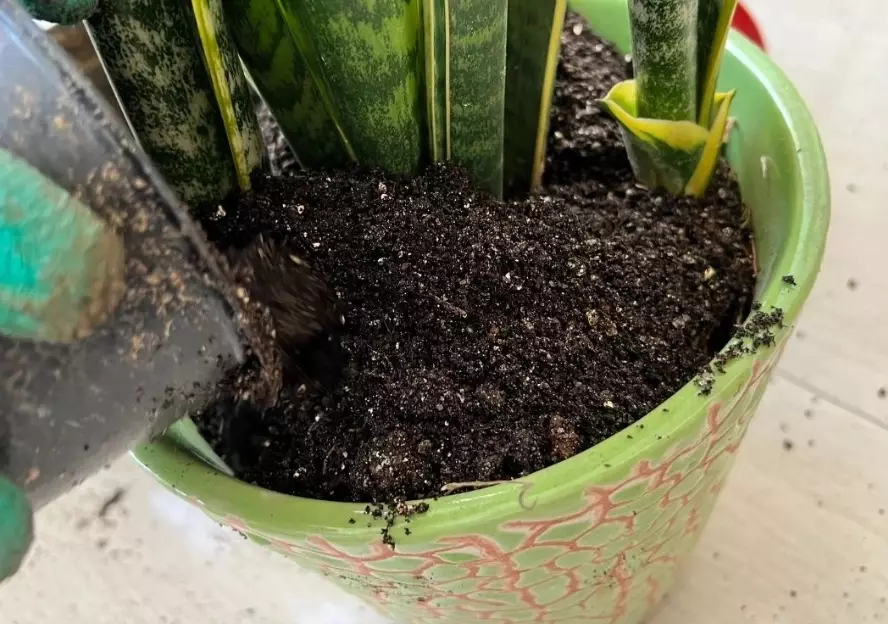
Use a well-draining cactus or succulent mix. I often amend it with perlite or coarse sand (about 1:1 ratio) for extra aeration. Terracotta pots are best because they wick away moisture. Avoid decorative pots without drainage holes—I learned this the hard way when a beautiful ceramic pot caused root rot within a month.
Temperature and Humidity: Keep It Simple
Kalanchoe prefers temperatures between 60-85°F (15-29°C). It can tolerate down to 50°F (10°C) but will suffer in frost. Average household humidity is fine; don’t mist the leaves, as it can lead to fungal issues. In dry climates, a pebble tray helps, but it’s rarely necessary.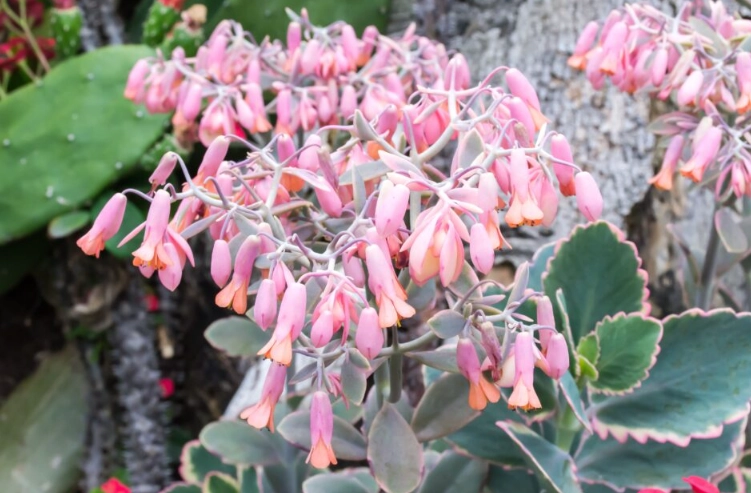
Popular Kalanchoe Varieties to Know
Not all kalanchoes are the same. Here’s a quick table of common types, based on availability at nurseries like Monrovia or online retailers.
| Variety | Key Features | Care Notes |
|---|---|---|
| Kalanchoe blossfeldiana | Classic flowering type; blooms in clusters. | Needs darkness at night to rebloom; pinch spent flowers. |
| Kalanchoe tomentosa (Panda Plant) | Fuzzy, silver leaves with brown tips. | Very drought-tolerant; avoid wet leaves. |
| Kalanchoe luciae (Flapjack) | Flat, paddle-shaped leaves that redden in sun. | Loves full sun; water sparingly in winter. |
| Kalanchoe daigremontiana | Produces plantlets on leaf edges. | Can be invasive; grow in controlled pots. |
I’m partial to Kalanchoe blossfeldiana because it’s reliable, but the Panda Plant is great for beginners—it forgives mistakes. If you want something unusual, look for Kalanchoe fedtschenkoi, which has variegated leaves.
How to Propagate Kalanchoe Successfully
Propagation is easy and saves money. Most people use leaf cuttings, but stem cuttings work faster. Here’s my step-by-step method, tested on dozens of plants.
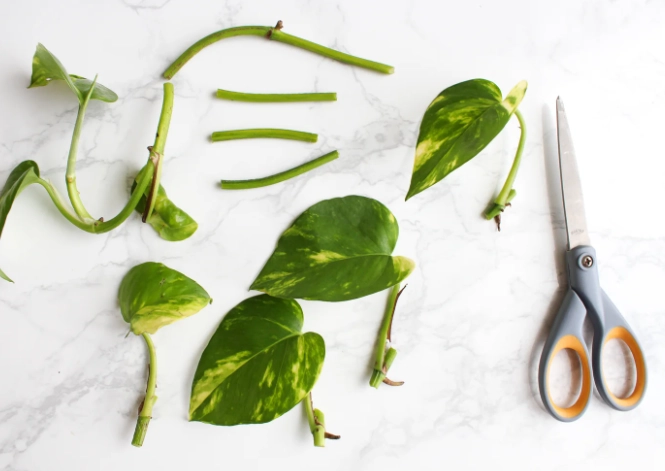
Step 1: Choose a healthy leaf or stem. For stems, cut a 3-4 inch piece with a clean, sharp knife. Let it callous over for 1-2 days—this prevents rot. I skip this sometimes, and it leads to mushy failures.
Step 2: Place the cutting on well-draining soil. Don’t bury it; just lay it on top. Mist lightly every few days to keep the soil barely moist. Roots should appear in 2-3 weeks.
Step 3: Once roots form, plant it gently and treat as a mature plant. A common mistake is watering too soon—wait until you see new growth.
For Kalanchoe daigremontiana, those plantlets drop and root on their own. Just scoop them up and pot them. It’s almost too easy.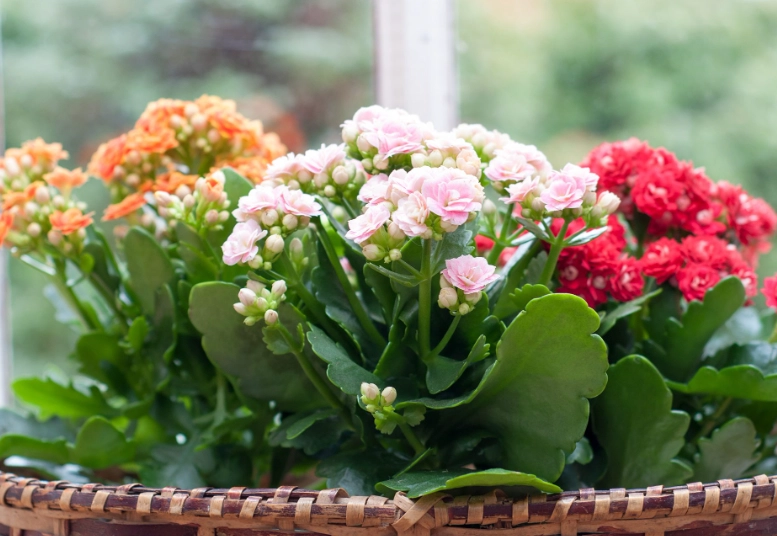
Fixing Common Kalanchoe Problems
When things go wrong, it’s usually one of these issues. I’ve compiled this from forums like GardenWeb and my own blunders.
- Leggy Growth: This means insufficient light. Move to a brighter spot and prune back the stems. You can use the cuttings for propagation.
- No Blooms: Kalanchoe needs short days to flower. Provide 14 hours of darkness daily for 6 weeks. I use a cardboard box to cover the plant in fall.
- Pests: Mealybugs and aphids can appear. Wipe with alcohol-soaked cotton swabs. For severe cases, insecticidal soap works, but test on a leaf first.
- Root Rot: Caused by overwatering. If the plant is mushy, cut away rotten parts, repot in dry soil, and reduce watering. Sometimes, it’s too late—I’ve lost a few to this.
According to the Royal Horticultural Society, kalanchoe is generally pest-resistant, but stress from poor conditions invites problems. Keep an eye out during seasonal changes.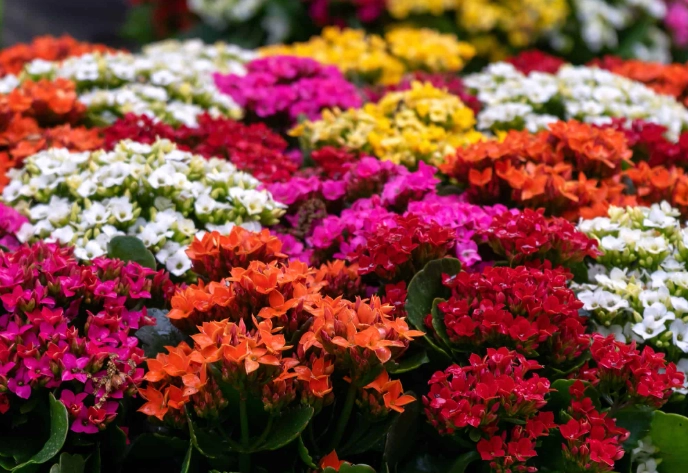
Your Burning Questions Answered
Kalanchoe isn’t fussy, but it rewards attention to detail. Start with the basics, adjust based on your home’s conditions, and don’t be afraid to experiment. If you kill one, learn and try again—that’s how I got here. For more info, check resources like the ASPCA’s list of pet-safe plants (kalanchoe is toxic to pets, so keep it out of reach). Happy growing!
Comments