In This Guide
Okay, let's be real. The String of Pearls plant is one of those succulents that looks absolutely stunning in photos—a gorgeous cascade of plump, green beads—but can turn into a string of disappointments faster than you can say "overwatered." I know because I've been there. My first one? Let's just say it didn't make it. I loved it to death, quite literally, with too much water and not enough light. But after that heartbreaking experience (yes, I get attached to my plants), I decided to figure this out. And you know what? Once you crack the code, caring for a string of pearls isn't some mystical art. It's about understanding what it wants, which is mostly to be left alone in the right conditions.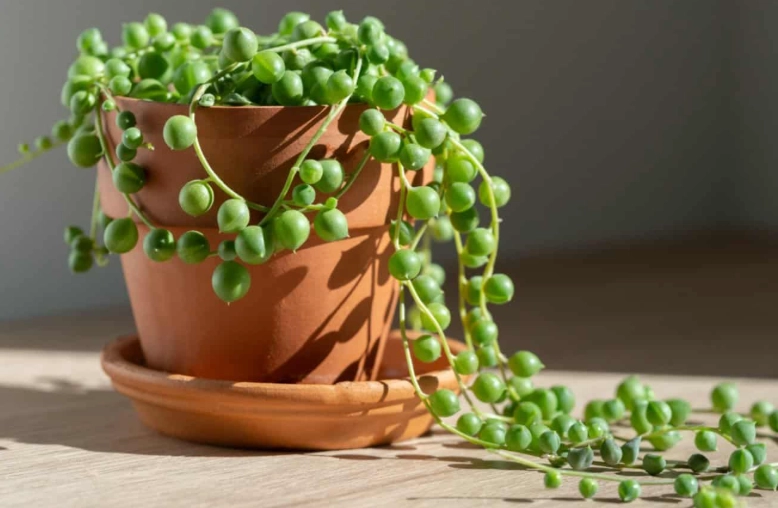
This guide is everything I wish I'd known. We're going deep, beyond the basic "bright light and don't overwater" advice you see everywhere. We'll talk about the why behind the what, how to read your plant's signals, and how to fix the common disasters before it's too late. Whether you're a new plant parent nervous about your first strand or someone trying to revive a struggling one, this is your manual.
Getting to Know Your String of Pearls (It's More Than Just a Pretty Face)
Before we dive into the nitty-gritty of care, let's meet the plant. Scientifically known as Senecio rowleyanus (though some experts now reclassify it as Curio rowleyanus), it's native to the dry, rocky regions of southwest Africa. That origin story is the key to everything. In its natural habitat, it scrambles across the ground, with its trailing stems and spherical leaves designed to store precious water. Those "pearls" aren't just for show; they're tiny water reservoirs. The little translucent slit on the side of each bead is called a "window," and it allows light to penetrate deeper into the leaf tissue for more efficient photosynthesis—a brilliant adaptation for a plant that often grows partially shaded by rocks or other vegetation.
This background explains its core personality: it's a drought-tolerant, light-loving succulent that despises wet feet. It's not a tropical vine that craves humidity; it's a desert crawler that thrives on neglectful affection. I find it helpful to think of it less as a delicate necklace and more as a tough little survivor with specific needs. The Royal Horticultural Society, a long-trusted authority in gardening, classifies it as a tender succulent best grown indoors in temperate climates, which aligns perfectly with our focus on indoor care.
Understanding this makes the care rules click into place.
The Core Pillars of String of Pearls Care
This is the heart of it. Get these four things right—light, water, soil, and climate—and you're 90% of the way to a happy plant. Mess up one, and the whole thing can unravel.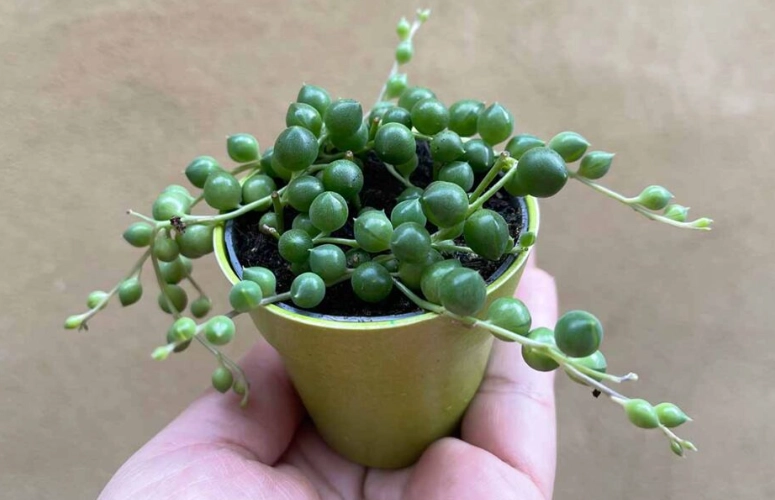
Light: The Non-Negotiable Sunshine Buffet
This is, hands down, the most important factor. Your string of pearls needs bright, indirect light. I'd even argue it appreciates a few hours of gentle direct morning sun. A south or west-facing window is ideal (in the Northern Hemisphere). An east-facing window can work well too. A north-facing window? Almost always too dim.
How can you tell if it's getting enough light? A healthy, well-lit plant will have tightly packed, round, firm pearls and a robust growth rate. The stems will be a vibrant green, not stretched out and pale. If your pearls are looking spaced out on the stem (a condition called etiolation), with large gaps between them, it's desperately reaching for more light. It's the plant's way of saying, "Hey, I'm over here in the shadows!"
I made the mistake of putting my first one on a shelf about five feet from a south window. It looked nice there, but the light was too filtered. The growth was slow and leggy. Once I moved it to a hanging basket right in front of the same window (with a sheer curtain to diffuse the harsh afternoon sun), it was like someone flipped a switch. New growth everywhere.
Watering: The Delicate Dance (Where Most People Fail)
This is the killer. The number one reason strings of pearls die is overwatering. Their roots are fine and prone to rot if they sit in moisture. The goal is to mimic a desert downpour: a thorough soak followed by a complete dry-out.
Here's my fail-safe method:
- Check the Soil: Don't water on a schedule. Stick your finger into the top inch of the soil. Is it completely dry? Not just on the surface, but an inch down.
- Check the Pearls: Look at the beads themselves. A well-hydrated pearl is firm and plump. A thirsty pearl will start to feel slightly soft and may look a little shriveled or puckered along its "window." The plant will use the water stored in its pearls before it signals serious distress.
- Water Thoroughly: When both soil and pearls indicate dryness, take the pot to the sink. Water slowly and evenly until you see water flowing freely out of the drainage holes. This ensures the entire root ball gets moisture.
- Let it Drain: This is critical. Let the pot sit in the sink or on a draining rack until no more water drips out. Never let it sit in a saucer of water.
- Wait Again: Return it to its spot and do not water again until the soil is dry once more.
In the summer, with more light and growth, this might be every 7-14 days. In the winter, when growth slows or stops, it could be once a month or even longer. The plant is dormant. I've gone six weeks in winter without watering mine. It's always better to underwater than overwater. A dehydrated plant can often be revived with a good soak. A rotten one is usually a goner.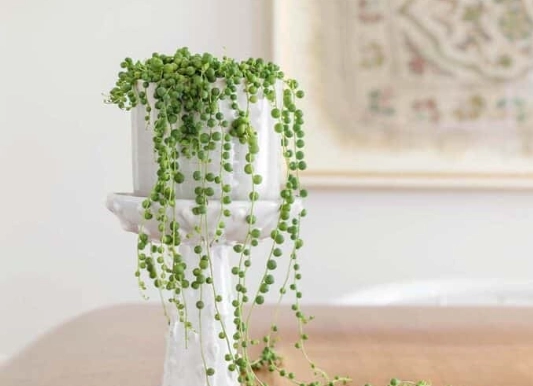
Soil and Pot: Building the Right Foundation
You can have perfect light and watering habits, but if your plant is sitting in the wrong soil in the wrong pot, it will struggle. The mantra is: fast-draining.
Soil Mix: A standard cactus or succulent potting mix is a good start, but I like to make it even grittier. Here's a simple, effective DIY mix I use:
| Ingredient | Percentage | Purpose |
|---|---|---|
| Succulent & Cactus Potting Mix | 50% | Provides base structure and some nutrients. |
| Perlite or Pumice | 30% | Creates air pockets and dramatically improves drainage. |
| Coarse Sand (Horticultural Grade) | 20% | Adds weight and further prevents compaction. |
This mix ensures water flows through quickly, preventing the roots from staying soggy. You can find excellent guidelines for succulent soil composition from institutions like the University of California's Integrated Pest Management program, which emphasizes the importance of well-draining media for preventing root diseases.
Pot Choice: Always, always use a pot with drainage holes. Terracotta pots are fantastic for strings of pearls because the porous clay allows the soil to dry out more evenly from the sides as well as the bottom. Plastic pots retain moisture longer, so you need to be extra careful with watering. The pot shouldn't be massively oversized either; just an inch or two wider than the root ball is perfect. Too much soil holds too much moisture.
Temperature & Humidity: Comfort Zone
Your average home environment is usually just fine. They prefer temperatures between 70-80°F (21-27°C) during the growing season and can tolerate down to about 50°F (10°C) in winter. Avoid cold drafts from windows in winter and direct blasts from heating or air conditioning vents.
Humidity isn't a big concern. Average household humidity (around 30-50%) is acceptable. They don't need the high humidity that some tropical plants crave. In fact, high humidity combined with cool temperatures and wet soil is a dangerous trifecta for rot.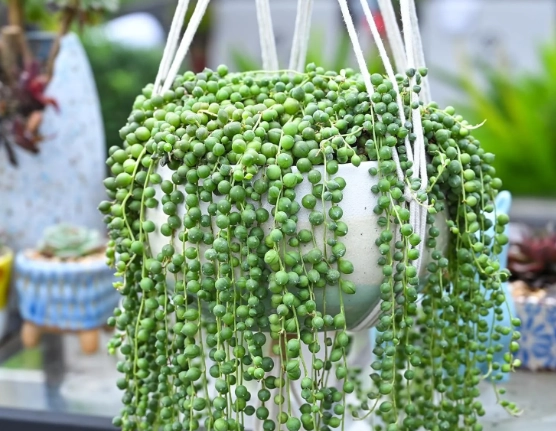
Diagnosing and Fixing Common String of Pearls Problems
Even with great care, things can go sideways. Here’s how to play plant detective.
This is the plant's classic distress signal. But is it screaming for water or dying from too much? You have to check the soil.
If the soil is bone dry: It's underwatered. Give it a thorough soak using the method above. The pearls should plump back up in a day or two. If the stems have turned crispy and brown, those parts are dead and won't recover. You can prune them off.
If the soil is damp or wet: This is serious. Shriveling with wet soil almost always means root rot. The roots are dead and can't take up water, so the plant dehydrates even though it's sitting in moisture. You need to act fast.
How to tackle root rot:
- Gently remove the plant from its pot and shake off the old soil.
- Inspect the roots. Healthy roots are firm and white or light tan. Rotten roots are mushy, dark brown or black, and may fall apart easily. They often smell bad.
- Using sterilized scissors or pruners, cut away ALL the rotten roots. Be ruthless. Any rot left behind will spread.
- If a lot of the stem base is rotten, you can try to save healthy strands by cutting them off above the rot for propagation (more on that later).
- Let the plant (or cuttings) sit out in a shady, airy spot for a day or two to let the cut ends callous over. This is crucial to prevent new rot when you plant it.
- Repot in fresh, dry, fast-draining soil. Do not water for at least a week to allow the plant to settle and any root injuries to heal.
This is etiolation—insufficient light. The plant is stretching to find a brighter spot. The solution is simple: move it to a brighter location. The new growth will be compact, but the old, stretched sections won't shrink back. You can prune these leggy stems to encourage bushier growth from the base. Don't be afraid to give it a haircut; it promotes fullness.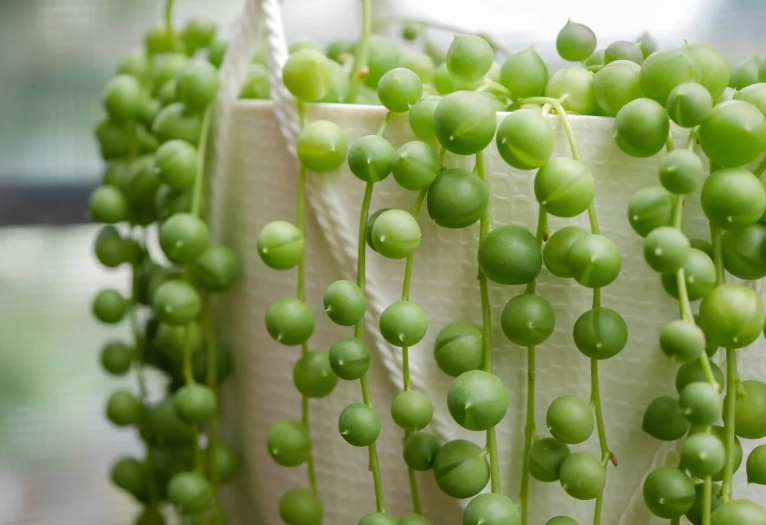
Almost certainly overwatering and the onset of rot. Follow the root rot rescue steps above immediately. The mushiness is a sign of cell walls breaking down from too much water.
Consider three factors: Light (is it enough?), Season (is it winter dormancy?), and Nutrients. During active growth (spring/summer), a gentle feed can help. But first, ensure the light is adequate. No amount of fertilizer can compensate for low light.
Advanced Care: Propagation, Repotting & Feeding
Making More Pearls: Propagation is Surprisingly Easy
This is the fun part! Propagating your string of pearls lets you create new plants for free and is a great way to salvage parts of a struggling plant. The easiest method is stem cuttings.
- Take a healthy cutting, at least a few inches long. Use clean scissors.
- You can lay the cutting directly on top of moist succulent soil. Seriously, just lay it on top. Remove a few pearls from the end of the stem that will be in contact with the soil, and gently press that node into the soil surface.
- Place it in bright, indirect light and keep the soil lightly moist (not wet) until you see new growth emerging from the nodes. This is the one time you don't want the soil to go completely bone dry.
- Once it's established and growing, treat it like a mature plant.
You can also propagate in water, but I find the soil method has a lower risk of rot for this particular plant. The University of Florida's Gardening Solutions provides great general guidance on plant propagation techniques that apply here.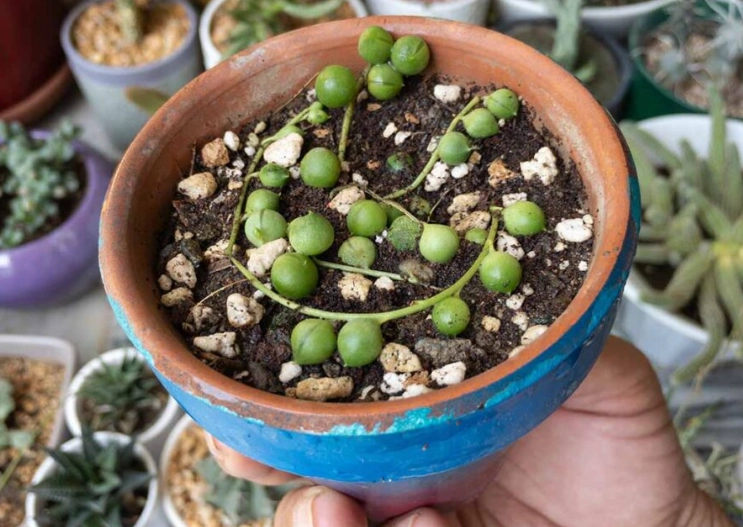
When and How to Repot
You don't need to repot often. Every 2-3 years is usually sufficient, or when you see roots growing out of the drainage holes. Spring is the best time. Choose a pot only slightly larger than the previous one, and always use fresh, fast-draining soil. Be gentle with the delicate stems and roots when transferring.
To Feed or Not to Feed?
Fertilizer is like a vitamin supplement, not a main meal. During the active growing season (spring and summer), you can feed a diluted, balanced liquid fertilizer (like a 10-10-10 or one formulated for succulents) at half strength once a month. Do not fertilize in fall and winter when the plant is dormant. Over-fertilizing can burn the roots and cause weak, unnatural growth.
Styling and Enjoying Your Plant
Part of the joy of a string of pearls is displaying it. Its trailing nature is its best feature.
- Hanging Baskets: The classic choice. Lets the strands cascade freely. Make sure the basket liner has drainage or use a plastic nursery pot inside the decorative basket.
- High Shelves or Bookcases: Let the strands trail down the side. Perfect for that bright spot above a window.
- Shallow, Wide Pots: You can coil the strands on top of the soil in a wide pot. As they root along the stems, you'll get a wonderfully dense, mat-like effect.
The key is to place it where you can enjoy it but where it also gets the light it needs. Don't sacrifice its health for aesthetics.
Your String of Pearls Care Questions, Answered
Let's tackle some of the specific things people are searching for.
So, there you have it.
Caring for a string of pearls plant comes down to respecting its origins. It wants to bask in bright light, drink deeply but infrequently, and sit in a gritty home that never gets waterlogged. It's a plant that rewards observation and patience more than constant fussing. When you see those plump, glossy beads and vigorous new trails of growth, it's incredibly satisfying. You've managed to keep a little piece of the desert happy on your windowsill. Don't get discouraged by setbacks—they happen to everyone. Use them as clues to tweak your care. Now go check on your pearls!


Comments