Inside This Guide
- What Even Is a Spider Plant?
- The No-Fuss, No-Muss Care Routine (That Actually Works)
- Meet the Family: Popular Spider Plant Varieties
- The Joy of Propagation: Making Free Plants
- Solving the Inevitable Problems: A Troubleshooting Guide
- Beyond the Basics: Fertilizing and Grooming
- Styling Your Spider Plant: From Pot to Placement
- The Final Word: Is the Spider Plant Right for You?
Let's be honest. You probably got your first spider plant because someone told you it was impossible to kill. Maybe a friend gave you a baby "spiderette" from their overflowing parent plant. You stuck it in a mug with some dirt, watered it when you remembered, and hoped for the best. And for a while, it worked. The spider indoor plant lived. It might have even put out a few new leaves, looking a bit pale and leggy, but alive.
But then the brown tips appeared. Or the leaves lost their vibrant stripes and turned just... green. Or worse, nothing happened. No cascading runners, no little plantlets, just a stagnant clump of grass-like leaves sitting in the corner. That's when you realize the gap between keeping a spider plant alive and helping it truly thrive.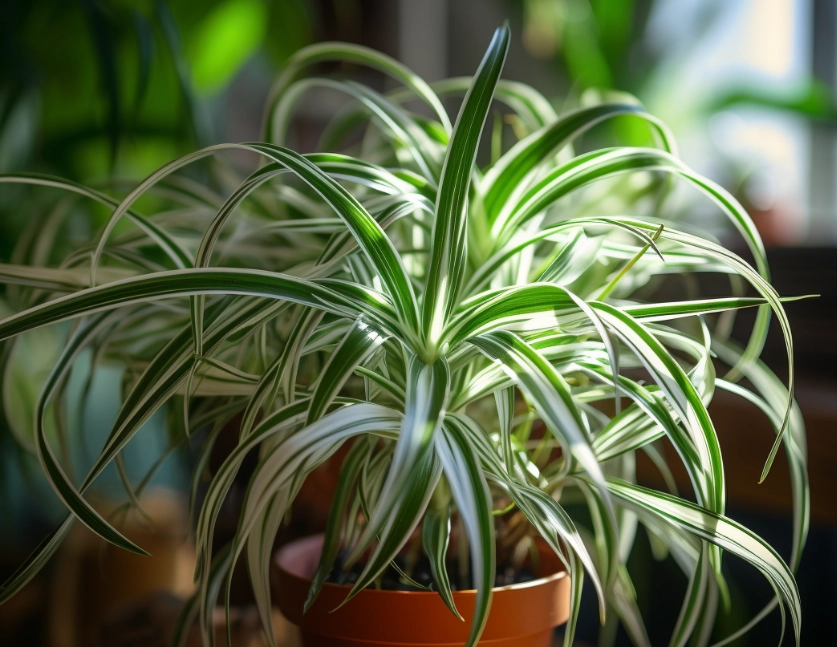
I've been there. I've had spider plants that looked fantastic and others that looked, well, sad and crispy. The difference wasn't magic; it was understanding what this deceptively simple plant actually wants. This guide is that understanding, boiled down from years of trial, error, and finally, success. We're going past the basic "water it sometimes" advice. We're diving into the how, why, and what-if of spider plant care, so you can grow a specimen that's so lush and productive it becomes your own personal plantlet factory.
What Even Is a Spider Plant?
First, let's get acquainted. The plant we're talking about is scientifically known as Chlorophytum comosum. You'll also hear it called the airplane plant, ribbon plant, or hen-and-chickens. It's a perennial herb native to southern Africa, which tells us a lot about its preferences right off the bat.
What makes a spider indoor plant so recognizable? It has long, arching leaves that grow in a rosette from the center. The most common varieties are variegated, with creamy white stripes running down the middle or along the edges of the leaves. The solid green version is less common but just as lovely. The real party trick, though, is its reproduction. A mature, happy spider plant sends out long, wiry stems called stolons or "runners." At the end of these runners, tiny replicas of the mother plant develop—the famous "spiderettes" or "pups." These dangle in the air, giving the plant its spidery, cascading appearance, perfect for a hanging basket.
But here's a piece of trivia I find fascinating: its fame isn't just about looks. The spider plant earned legendary status in the indoor plant world thanks to a pivotal NASA Clean Air Study back in the late 80s. The study, aimed at finding ways to purify air in space stations, identified Chlorophytum comosum as one of the top plants for removing common household toxins like formaldehyde and xylene from the air. Now, the real-world impact in a home is debated (you'd need a forest of them), but the finding cemented its reputation as a beneficial, not just a pretty, houseplant. The Royal Horticultural Society also lists it as an excellent, easy-care choice for beginners.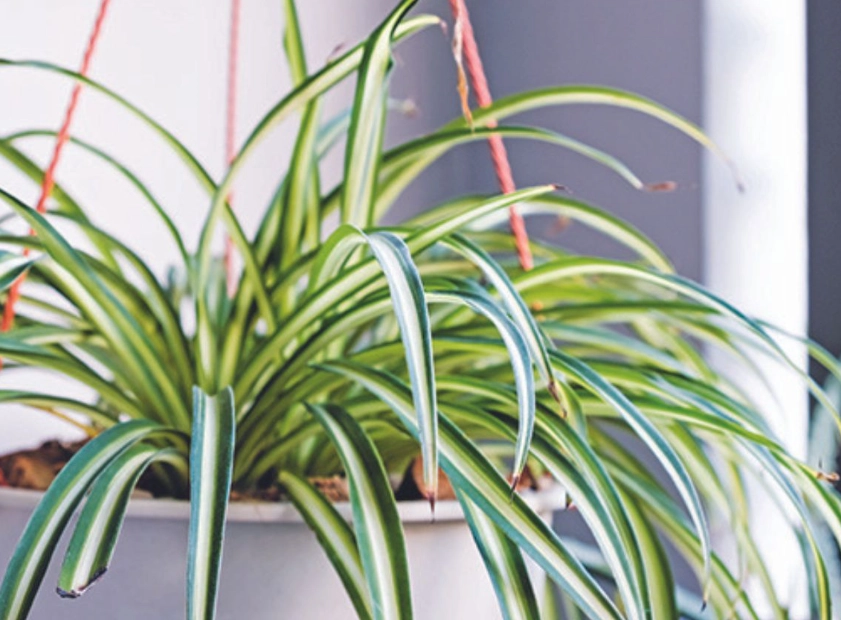
The No-Fuss, No-Muss Care Routine (That Actually Works)
Okay, let's get into the meat of it. How do you care for this thing? I'm going to break it down into the core elements. Think of this as the foundation. Get these right, and 90% of your problems disappear.
Light: The Bright Indirect Sweet Spot
Spider plants are often labeled as "low light" plants. This is a half-truth that leads to a lot of mediocre-looking specimens. They will survive in low light. But to thrive, put out runners, and maintain strong variegation, they need bright, indirect light.
What does that mean in your home? A spot near an east or north-facing window is perfect. A few feet back from a south or west window (where the sun is harsher) also works. Direct, hot afternoon sun will scorch the leaves, leaving bleached patches or worsening those brown tips. Not enough light, and the growth will slow to a crawl, the plant will become leggy (reaching for light), and the variegated stripes may fade to a dull green.
Watering: The Biggest Pitfall
This is where most people, myself included, have messed up. Spider plants like their soil to dry out somewhat between waterings. They have thick, tuberous roots that store water. Constantly soggy soil is a one-way ticket to root rot.
The best method? The finger test. Stick your finger about an inch into the soil. If it feels dry, it's time to water. If it still feels damp, wait. In most average home environments, this translates to watering roughly once a week in the warmer, brighter growing season (spring/summer) and every 10-14 days or less in the dormant winter months.
When you water, do so thoroughly. Pour water evenly over the soil until you see it running freely out of the drainage holes at the bottom of the pot. This ensures the entire root ball gets hydrated. Then, let the pot drain completely. Never let the plant sit in a saucer of water.
See? I told you we were getting past the basics. Most guides don't mention the water quality issue until you're already googling "why are my spider plant tips brown?".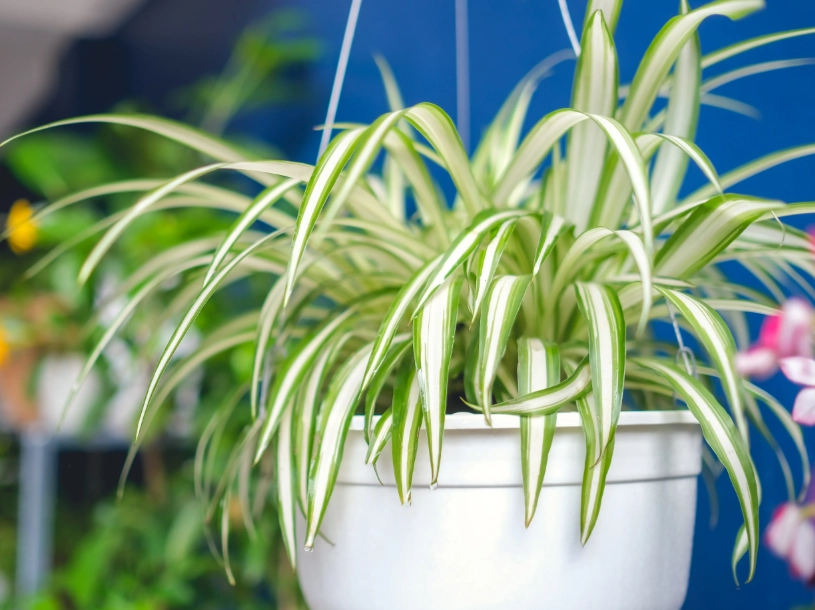
Soil and Potting: Giving the Roots Room to Breathe
Spider plants aren't picky, but they do need well-draining soil. A standard, high-quality all-purpose potting mix is fine. To improve drainage even more, you can mix in about 20-30% perlite or orchid bark. This creates air pockets and prevents compaction.
Now, about pots. Spider plants are known for being "pot-bound," meaning they like to be a little crowded in their container. This can actually encourage them to produce more offsets (those spiderettes). However, there's a limit. When the roots are so tight they're circling the pot and pushing the plant up out of the soil, or growth has stalled, it's time to repot.
Repotting is simple. Choose a pot only 1-2 inches larger in diameter than the current one. Going too big means too much wet soil surrounding the roots, which they hate. Gently loosen the root ball, place it in the new pot with fresh soil, and water it in. Do this in the spring or early summer for best results.
Temperature and Humidity: Comfortable Home = Happy Plant
Here's some easy news: spider plants are perfectly happy with average room temperatures and humidity. They thrive between 65°F and 75°F (18°C - 24°C) and should be kept away from cold drafts, air conditioning vents, or heat sources like radiators.
They can handle average home humidity, but if your air is very dry (especially in winter), the leaf tips might brown more easily. Grouping plants together, using a pebble tray, or running a humidifier can help. But honestly, unless you live in a desert, this is usually not a major issue for a resilient spider indoor plant.
Meet the Family: Popular Spider Plant Varieties
Not all spider plants are created equal. While the care is identical, the look can vary. Choosing the right one can match your aesthetic and light conditions.
| Variety Name | Key Identification Feature | My Personal Take |
|---|---|---|
| Chlorophytum comosum 'Vittatum' | The classic. Broad, arching green leaves with a bold, creamy-white stripe down the center. | The most common for a reason. Elegant, timeless, and a prolific producer of babies. A solid A+ choice. |
| Chlorophytum comosum 'Variegatum' | The reverse. Green leaf margins with white or cream stripes running down the edges. Leaves are often curlier. | I find this one looks a bit more playful and textured. It can show brown tips more obviously on the white edges, though. |
| Chlorophytum comosum 'Bonnie' (Curly Spider Plant) | Compact with distinctly curled, twisted leaves. Usually has variegation similar to 'Vittatum'. | Perfect for smaller spaces. The curls add fantastic visual interest. Grows a bit slower in my experience. |
| Chlorophytum comosum 'Green' (Solid Green) | No variegation. Lush, solid green leaves from base to tip. | The understated workhorse. Tolerates lower light best and the lack of white means no browning on variegated parts. |
| Chlorophytum comosum 'Ocean' | A newer cultivar. Very compact with shorter, stiffer green leaves edged in white. | Has a more modern, architectural look. Doesn't cascade as dramatically, so it's great for tabletops. |
The Joy of Propagation: Making Free Plants
This is the most rewarding part of spider plant ownership. Once your plant matures and sends out those runners with spiderettes, you have an endless supply of new plants to expand your collection or give away. There are two main methods, and both are foolproof.
Method 1: Rooting in Water (The Visual Method)
This is great for beginners because you can see the roots grow.
- Select a healthy-looking spiderette that has already started to form little nubs at its base (these are pre-roots).
- Snip it off the runner, leaving a bit of the stem attached.
- Place the base of the spiderette in a small glass or jar of water, ensuring only the base is submerged.
- Put it in bright, indirect light. Change the water every few days to keep it fresh.
- In 1-2 weeks, you'll see a network of white roots developing. Once they're an inch or two long, it's ready to pot up into soil.
Method 2: Direct Potting (The Easy Method)
This skips the water step and lets the baby plant root directly into soil while still attached to the mother.
- While the spiderette is still attached to the runner, place a small pot filled with moist potting mix next to the mother plant.
- Gently pin the base of the spiderette into the soil of the new pot using a bent paperclip or a piece of wire. Don't sever the runner.
- Keep the soil in the small pot lightly moist.
- In a few weeks, give the new plant a gentle tug. If it resists, it has rooted. You can now snip the runner connecting it to the mother plant.
What if your spider plant isn't producing babies? Patience, young grasshopper. It needs to be mature enough and, crucially, receive enough light. A stressed or under-lit plant will focus on survival, not reproduction. Ensure it's getting that bright indirect light and isn't severely root-bound in a tiny pot.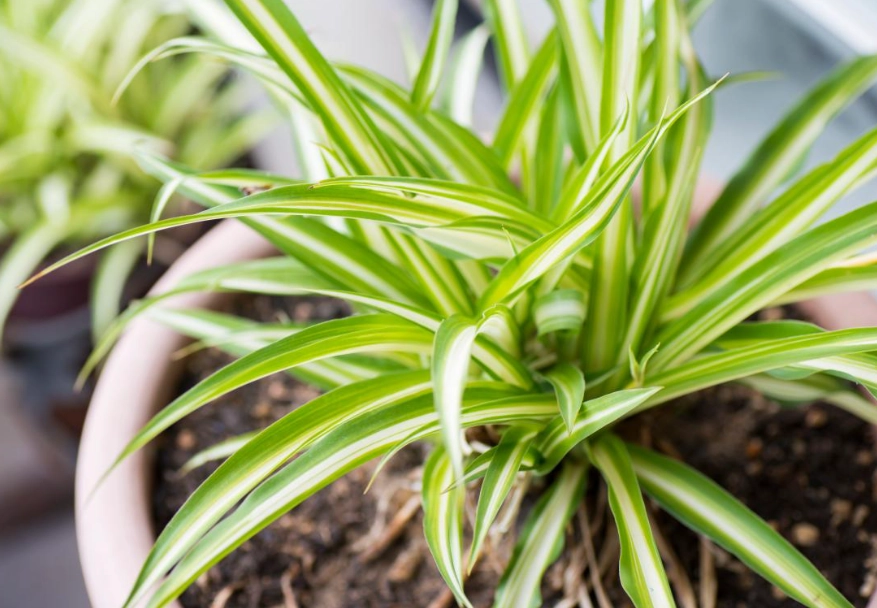
Solving the Inevitable Problems: A Troubleshooting Guide
Even with the best care, things happen. Here’s how to diagnose and fix the most common spider plant issues.
- Water Quality: Fluoride/chlorine toxicity is suspect #1 if you use tap water. Switch to filtered/rain water.
- Underwatering: Chronic dryness. The plant draws moisture from the leaf tips first. Stick to a more consistent watering schedule.
- Low Humidity: Especially combined with other factors. Increase ambient moisture.
- Salt/Fertilizer Buildup: Flush the soil every few months by watering thoroughly until water runs freely from the bottom for a minute.
- Remove the plant from its pot and gently wash the soil from the roots.
- With sterile scissors, cut away any roots that are brown, black, slimy, or mushy. Healthy roots are firm and white/tan.
- Repot in fresh, well-draining soil and a clean pot with drainage.
- Water very sparingly until you see new growth, indicating the plant has recovered.
Honestly, spider plants are relatively pest-resistant. Good care is the best prevention.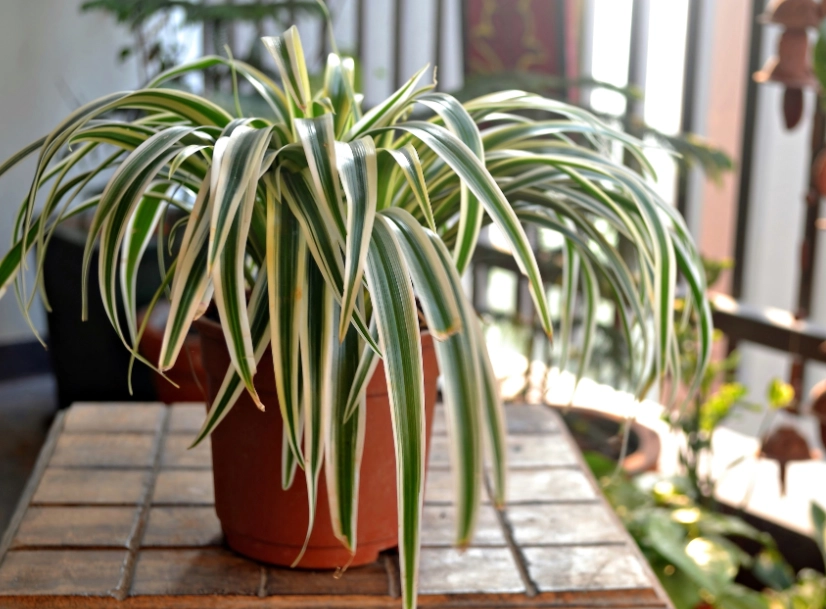
Beyond the Basics: Fertilizing and Grooming
To push your spider indoor plant from good to great, a little extra attention goes a long way.
Fertilizing: Spider plants are not heavy feeders. During the active growing season (spring and summer), you can feed them once a month with a balanced, water-soluble fertilizer (like a 10-10-10 or 20-20-20) diluted to half the recommended strength. Over-fertilizing leads to salt buildup and, you guessed it, brown tips. Do not fertilize in the fall and winter when growth slows.
Grooming: Don't be afraid to give your plant a haircut. Regularly remove any completely brown or yellowed leaves at the base by pulling them gently or cutting them off. This keeps the plant looking tidy and directs energy to healthy growth. You can also trim off old, spent flower stalks (the small white flowers come before the spiderettes) and runners once the babies have been removed.
Styling Your Spider Plant: From Pot to Placement
A thriving spider plant is a beautiful design element. Its arching, cascading form begs to be displayed properly.
The Classic: A hanging basket or macramé hanger. This showcases the runners and spiderettes perfectly as they spill over the edges. Place it in a bright corner near a window.
The Modern: A solid-colored, minimalist pot (ceramic or concrete) on a high shelf, plant stand, or mantelpiece. Let the leaves cascade down the side like a living waterfall.
The Tabletop: For compact varieties like 'Bonnie' or 'Ocean', a decorative pot on a side table, desk, or bathroom counter adds a touch of life without taking up too much space.
When choosing a pot, remember: drainage is non-negotiable. Aesthetic pots without holes are best used as a cachepot—keep the plant in its plastic nursery pot with drainage, and slip it inside the decorative one. Just remember to empty any excess water that collects in the outer pot after watering.
The Final Word: Is the Spider Plant Right for You?
Let's wrap this up with some straight talk.
The spider plant is an absolute champion for beginners, forgetful waterers, and anyone who wants a touch of vibrant, growing life in their home with minimal drama. Its air-purifying reputation, rapid growth, and gift-giving potential (via spiderettes) add to its appeal.
It's not without its quirks. The brown tips can be annoying, and a large, mature plant with dozens of runners can look a bit chaotic (some might say "messy") if not groomed occasionally. If you crave a perfectly manicured, sculptural plant, a snake plant or ZZ plant might be more your speed.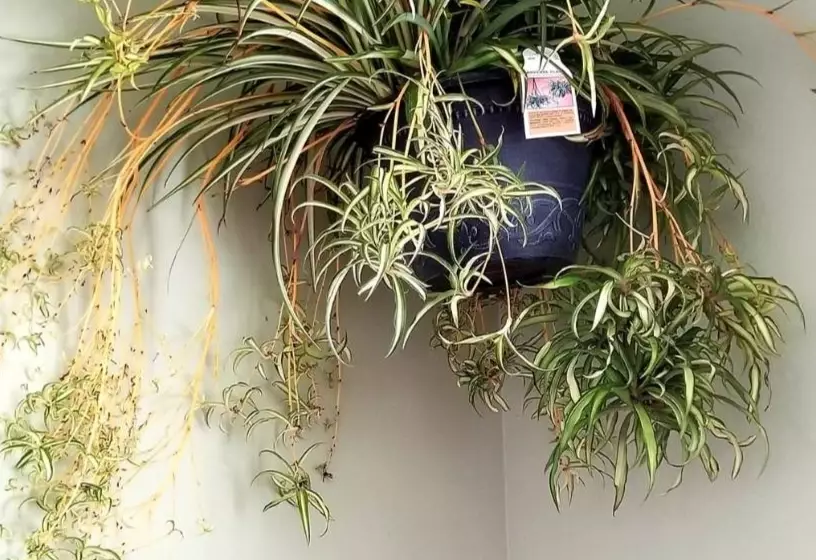
But if you want a plant that feels alive, interactive, and generous—a plant that clearly responds to good care by showering you with offspring—then the humble spider indoor plant is your perfect match. Start with the basics in this guide, pay attention to what it's telling you (those leaves are great communicators), and you'll have a lush, thriving specimen that might just outlive you.
And when it does start producing those spiderettes, you'll know you've made it. You're not just keeping a plant alive; you're running a successful spider plant nursery. Welcome to the club.

Comments