Let's cut to the chase: replanting a Christmas cactus isn't rocket science, but get it wrong, and you might end up with a droopy, bloom-less plant for years. I've seen it happen—friends complaining their cactus never flowers again after a repot. After a decade of nurturing these holiday favorites, I've learned the nuances that most guides skip. The key is understanding that Christmas cacti (Schlumbergera) aren't your typical succulents; they're jungle epiphytes with specific needs. Replanting done right can revive a struggling plant, boost blooms, and prevent root rot. Here's everything you need to know, from timing to aftercare, based on hard-earned experience.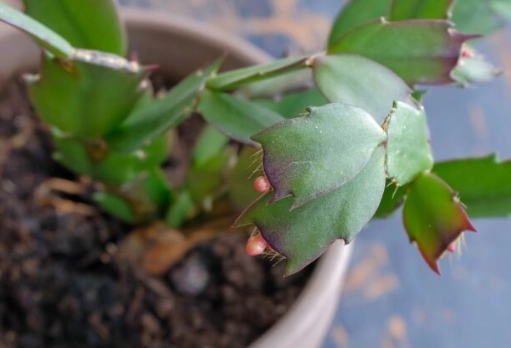
What You'll Learn in This Guide
Why Replanting Is Crucial for Your Christmas Cactus
You might think your Christmas cactus is fine sitting in the same pot for years. I did too, until mine stopped blooming and the segments started looking pale. Replanting isn't just about giving roots more space—it's about refreshing the soil, which degrades over time, losing nutrients and drainage. Christmas cacti are prone to becoming root-bound, where roots circle the pot, choking the plant. This limits water uptake and stunts growth. According to the American Horticultural Society, epiphytic plants like Christmas cacti benefit from periodic repotting to mimic their natural habitat on tree branches, where organic matter accumulates slowly. Ignoring this leads to leggy growth, fewer flowers, and eventually, root rot from compacted soil. If you notice water pooling on the surface or the plant drying out too fast, it's a cry for help.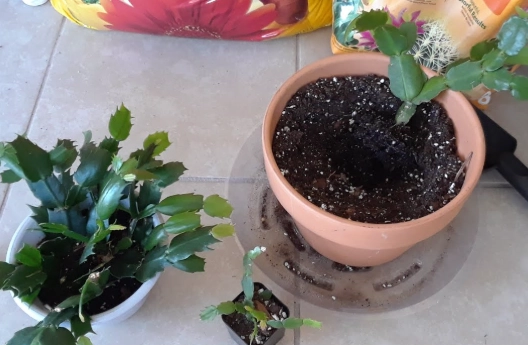
The Real Supplies You Need (No Fancy Tools)
Skip the gardening store hype. You don't need expensive gadgets. Here's my go-to list, refined after trial and error:
- A new pot: Only one size up from the current one—about 1-2 inches wider in diameter. Too big, and soil stays wet, inviting rot. I prefer terracotta for breathability, but plastic works if you're careful with watering.
- Soil mix: This is where most fail. Don't use regular potting soil or pure cactus mix. Christmas cacti need a lightweight, slightly acidic blend. My recipe: 2 parts cactus potting mix, 1 part peat moss or coco coir (for moisture retention), and 1 part perlite (for drainage). Some gardeners add orchid bark for aeration, but it's optional.
- Tools: Gloves (the segments can be prickly), a trowel or spoon, and pruning shears sterilized with rubbing alcohol. Oh, and a newspaper to catch the mess.
- Water: Have room-temperature water ready for after planting. Avoid cold tap water—it shocks the roots.
Personal tip: I once used a gorgeous ceramic pot without drainage holes because it matched my decor. Big mistake. The plant developed root rot within months. Always choose a pot with holes, or drill them yourself.
Step-by-Step Replanting Process: A Hands-On Walkthrough
Let's walk through the replanting like we're doing it together. I'll assume it's early summer, the ideal time.
Step 1: Preparing the Plant and Workspace
Water your Christmas cactus lightly a day before replanting. This reduces transplant shock and makes roots easier to handle. Clear a table near a window—good light helps you see what you're doing. Lay out your supplies. I like to mix the soil in a bucket beforehand: combine the cactus mix, peat moss, and perlite until it feels fluffy. If it clumps, add more perlite.
Step 2: Removing the Plant Gently
Turn the current pot sideways and tap the bottom. Gently squeeze the pot if it's flexible. Ease the plant out; don't yank. If stuck, run a knife around the edges. Once out, inspect the roots. Healthy roots are white or tan and firm. Brown, mushy roots mean rot—trim them with shears. Shake off old soil, but be gentle; these roots are brittle. I've broken too many by being hasty.
Step 3: Potting Up with Care
Place a layer of fresh soil in the new pot, about an inch deep. Set the plant in, spreading roots outward. Add soil around, filling gaps. Press lightly to eliminate air pockets, but don't compact it. Leave about half an inch from the rim for watering. The base of the stems should sit at the same depth as before—burying them deeper can cause rot.
Here's a quick table comparing pot materials, based on my experience:
| Pot Type | Pros | Cons | Best For |
|---|---|---|---|
| Terracotta | Breathable, prevents overwatering | Dries out fast, needs more frequent watering | Beginners prone to overwatering |
| Plastic | Lightweight, retains moisture | Can lead to root rot if overwatered | Experienced gardeners who monitor soil |
| Ceramic (glazed) | Aesthetic, stable | Poor drainage if no holes, heavy | Decorative use with added caution |
Step 4: The First Watering
After planting, water thoroughly until it drains from the bottom. This settles the soil. Then, let it drain completely—no sitting in a saucer of water. I place mine on a rack for an hour. Skip fertilizing for at least a month; roots need to heal first.
Aftercare: How to Keep Your Cactus Thriving Post-Replant
This part is critical. Many people think the job's done after potting, but that's when problems start. For the first two weeks, keep the plant in bright, indirect light. Avoid direct sun—it can scorch the stressed segments. East-facing windows are perfect. Water only when the top inch of soil feels dry. Stick your finger in; if it's moist, wait. Overwatering now is the top killer.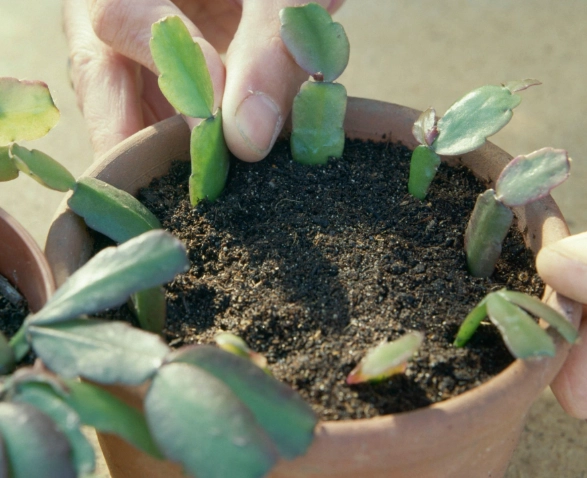
After a month, resume normal care: water when the soil surface dries, and fertilize monthly with a balanced, water-soluble fertilizer diluted to half strength during spring and summer. In fall, reduce watering to encourage blooming. Christmas cacti need cool nights (around 50-55°F) and 12-14 hours of darkness to set buds—a fact often overlooked. I move mine to a spare room in October to simulate this.
Common Mistakes I've Made (And How to Avoid Them)
Let's get real. I've messed up replanting more than once. Here are pitfalls to dodge:
- Replanting during bloom: I did this out of excitement once. The buds dropped within days. Always wait until after flowering.
- Using heavy soil: Early on, I used garden soil mixed with sand. It compacted, suffocating roots. Stick to the lightweight mix I mentioned.
- Over-potting: A bigger pot seems better, right? Wrong. It holds excess moisture, leading to root rot. Go up gradually.
- Neglecting root inspection: I once replanted without checking roots and missed early rot. Always trim dead parts.
Another subtle error: disturbing the plant too much after replanting. Moving it around different spots confuses it. Pick a location and stick with it for a few months.
Your Top Questions Answered
Replanting a Christmas cactus isn't just a chore—it's a chance to reconnect with your plant and ensure its longevity. I still have my first cactus, repotted three times over ten years, blooming profusely each holiday. It's all about patience and attention to detail. If you follow these steps, you'll avoid the common pitfalls and enjoy a healthier, happier plant. For more insights, resources like the Royal Horticultural Society offer guidelines on epiphyte care, which align with these practices. Happy replanting!

Comments