Quick Navigation
- Why the Pothos Plant is Everyone's Favorite Starter Houseplant
- Your No-Stress Pothos Care Routine (What It Really Needs)
- Choosing Your Green Companion: A Tour of Popular Pothos Varieties
- Keeping Your Pothos Looking Its Best: Pruning and Propagation
- Troubleshooting: Solving Common Pothos Problems
- Frequently Asked Questions (The Stuff You Actually Search For)
- Final Thoughts: Just Get One
Let's be honest. We've all been there. You bring home a beautiful, leafy friend full of hope, only to watch it slowly (or sometimes not so slowly) turn into a crispy, yellowing monument to your neglect. I've killed my share of plants, believe me. A fern that turned to dust, a peace lily that just gave up. It's discouraging. Then I found the pothos. Or maybe it found me. A friend gave me a cutting in a mason jar, saying "just stick it in water, it'll be fine." I was skeptical. But that scrappy little cutting? It not only survived, it thrived. It's now a sprawling jungle across my bookshelf, and it forgives me every time I forget about it for a couple of weeks. That's the magic of the houseplant pothos. It's not just a plant; it's a confidence booster.
If you're searching for information on this plant, you're probably either a hopeful beginner looking for a safe bet, or someone who's already fallen for its trailing vines and wants to keep it happy. Good news on both fronts. This guide isn't a dry scientific manual. It's the collective wisdom from years of growing pothos in different corners of my home, through trial and plenty of error. We'll cut through the noise and get to what actually works.
Why the Pothos Plant is Everyone's Favorite Starter Houseplant
Its reputation isn't hype. The pothos plant earns its "easy" status through a combination of forgiving traits. First, it's adaptable to light. While it has preferences (we'll get to that), it won't immediately perish in a less-than-sunny room. Second, it communicates. When it's thirsty, the leaves get noticeably soft and droopy. Water it, and it perks right back up in a few hours. It gives you clear feedback, which is a godsend for new plant parents. Third, it grows fast. There's nothing more rewarding than seeing new leaves unfurl regularly. That visual progress keeps you engaged.
There's also the science-backed benefit. A famous NASA Clean Air Study, which you can still reference through archives from the NASA Technical Reports Server, included pothos as one of the plants tested for removing common household volatile organic compounds (VOCs) like formaldehyde, xylene, and benzene from the air. Now, you'd need a veritable forest of them to match the purification power of a good air filter, but it's a nice bonus. It's a living thing quietly working to make your space a bit better.
Honestly, the biggest perk is psychological. Caring for something, even something as low-maintenance as a pothos, adds a small rhythm of nurture to your day. You notice it. You check its soil. You admire its new growth. In a world of screens, that tangible connection is surprisingly valuable.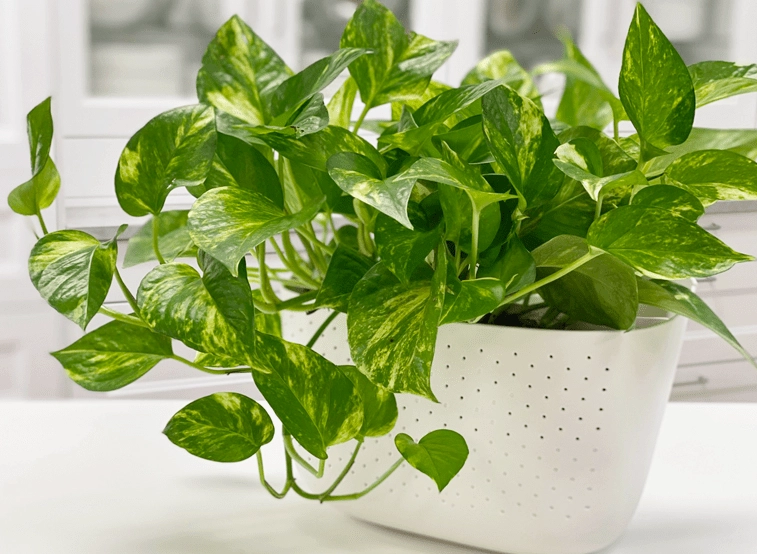
Your No-Stress Pothos Care Routine (What It Really Needs)
Forget complicated schedules. Pothos care boils down to a few simple principles. Think of it as a laid-back roommate with just a couple of basic requests.
Light: Where Should I Put My Pothos?
This is the most common question. The golden rule for pothos light needs is bright, indirect light. Imagine the light in a spot near a sunny window, but where the sun's rays never directly touch the leaves. An east-facing window is often perfect. A few feet back from a south or west window works too.
But here's where its toughness shines:
- Lower Light: Yes, pothos can survive in lower light. It's one of the best low light houseplants you can find. The trade-off? Growth will be much slower, and the variegation (those pretty white or yellow streaks) may fade, with leaves turning more solid green. The plant is conserving energy.
- Direct Sun: This is the real danger. Strong, direct afternoon sun can scorch the leaves, leaving ugly brown, crispy patches. If the only spot you have gets harsh sun, use a sheer curtain as a filter.
I have one in my relatively dim bathroom (it loves the humidity) that grows at a glacial pace but stays healthy and green. Another hangs in my bright living room and grows like it's on steroids, putting out huge, highly variegated leaves. Same plant, different light, different personalities.
Watering: The #1 Way People Mess Up (And How to Get It Right)
Overwatering is the arch-nemesis of more houseplants than anything else. Pothos dislikes having wet feet. Its roots need to breathe.
Forget watering on a strict schedule ("every Tuesday"). Your plant's thirst depends on the season, the light, the temperature, and the pot size. Instead, use the finger test.
- Stick your index finger about 2 inches into the soil.
- If the soil feels dry at that depth, it's time to water.
- If it still feels damp or cool, wait a few more days and check again.
When you do water, do it thoroughly. Take the plant to the sink and water until you see a good amount draining freely out of the bottom holes. Let it drain completely before putting it back in its decorative pot or saucer. Never let it sit in a pool of standing water.
- Overwatered Pothos: Yellowing leaves, often starting with the older ones. The soil feels constantly soggy. A musty smell can indicate root rot.
- Underwatered Pothos: Wilting, drooping leaves that feel limp and thin. The soil is bone dry and may pull away from the edges of the pot. The plant looks sad and deflated.
Soil and Fertilizer: Keeping It Simple
Pothos isn't picky about soil, but it does need something that drains well. A standard, good-quality all-purpose potting mix is perfectly fine. If you want to optimize it, you can mix in some perlite or orchid bark (about 20-30%) to increase aeration and drainage.
Fertilizer? Think of it as vitamins, not food. During its main growing season (spring and summer), you can feed your pothos plant a balanced, water-soluble fertilizer (like a 10-10-10 or 20-20-20) diluted to half the recommended strength, once a month. In fall and winter, when growth slows, stop fertilizing. The plant is resting.
My personal rule? I fertilize maybe three or four times during the summer, and often forget. The plant never seems to mind. It's better to under-fertilize than overdo it, which can lead to salt buildup in the soil and burned leaf tips.
Temperature and Humidity: Comfortable Home = Happy Pothos
Your pothos will be perfectly happy in the same temperatures you are. Ideal range is between 65°F and 85°F (18°C - 29°C). The main thing to avoid is sudden drafts or prolonged exposure to temperatures below 50°F (10°C), like near a drafty window in winter.
Humidity is a bonus. Average household humidity (around 30-50%) is acceptable. But if you can provide more (like in a kitchen or bathroom, or by using a humidifier), you might see larger, lusher leaves. Brown, crispy leaf tips can sometimes be a sign of air that's too dry, especially in winter with heating on.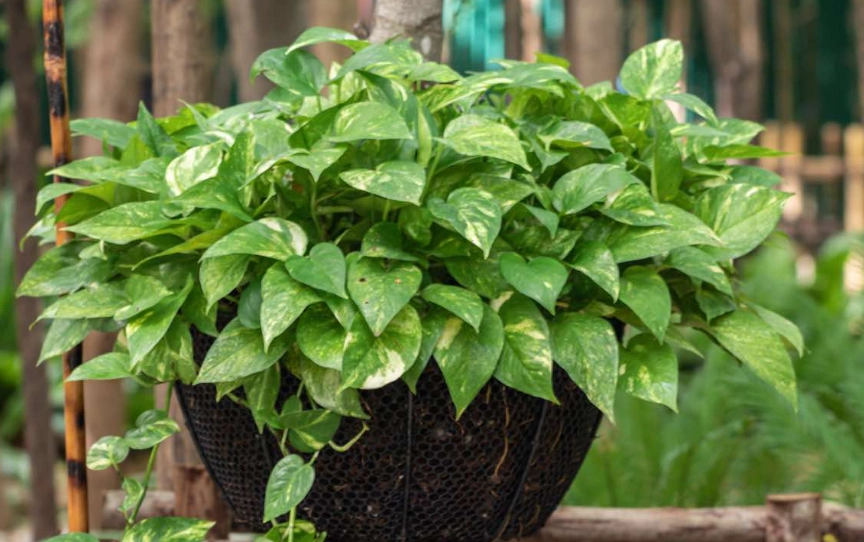
Choosing Your Green Companion: A Tour of Popular Pothos Varieties
This is the fun part. There are so many stunning types of pothos, each with its own character. Choosing one (or five) is a matter of matching their look to your style. Here’s a breakdown of some of the most common and gorgeous varieties.
| Variety Name | Key Appearance | Light Needs & Growth Notes | Why You Might Love It |
|---|---|---|---|
| Golden Pothos | The classic. Green leaves marbled with creamy gold or yellow variegation. | Very adaptable. Tolerates lower light but variegation is best with medium indirect light. Fast grower. | It's the iconic, cheerful pothos. Impossible to miss and incredibly easy to find. |
| Marble Queen Pothos | Stunning white and green marbling, often with more white than green. | Needs brighter indirect light to maintain its dramatic white variegation. Grows a bit slower than Golden. | For a bright, graphic pop. Looks almost painted. A real statement maker. |
| Neon Pothos | Vibrant, electric lime-green leaves with little to no variegation. | Medium to bright indirect light. The color can fade/wash out in low light. | It GLOWS. Perfect for brightening up a dark corner with its luminous color. |
| Jade Pothos | Rich, solid, deep jade green leaves. | The most tolerant of lower light conditions. A steady, reliable grower. | Elegant and lush. Its deep green is satisfyingly classic and it thrives where other variegated types might struggle. |
| Pearls and Jade Pothos | Smaller leaves with a mix of green, white, and grey-green speckles and streaks. | Medium indirect light. Compact, slower trailing habit. | Delicate and intricate patterning. Great for smaller spaces like shelves or terrariums. |
| Manjula Pothos | Large, wide, heart-shaped leaves with stunning swirls of green, white, cream, and silver. | Prefers consistent bright, indirect light. Can be a slower, more expensive variety. | Each leaf is a unique work of art. Highly sought after by collectors for its beautiful, complex patterns. |
My first was a Golden. My favorite right now is a Manjula I managed to snag a cutting of—it feels special. But the Neon in my office never fails to make me smile. There's no wrong choice.
Keeping Your Pothos Looking Its Best: Pruning and Propagation
As your pothos grows, it might get long and leggy, with more vine than leaf in some sections. Don't be afraid to cut it! Pruning encourages bushier growth from the base.
How to prune: Simply take clean scissors or pruning shears and cut the vine just below a "node." The node is that little brown bump on the stem where a leaf attaches. New growth will often sprout from the node you left on the plant.
Now, you have cuttings! Don't throw them away. This is how you make more pothos plants—for free. Propagation is almost embarrassingly easy and is the best proof of this plant's resilient nature.
Step-by-Step: Propagating Pothos in Water
- Take your cutting, ensuring it has at least one or two nodes (the brown bumps). Remove any leaves that would be submerged.
- Place the cutting in a jar or glass of room-temperature water. Make sure at least one node is underwater.
- Put it in a spot with bright, indirect light. Change the water every week or so to keep it fresh.
- In 1-2 weeks, you should see tiny white roots starting to sprout from the node. Let them grow to an inch or two long.
- Once the roots are a couple of inches long, you can pot the cutting in soil. Keep the soil slightly moist (not soggy) for the first few weeks as it transitions from water to soil.

Troubleshooting: Solving Common Pothos Problems
Even the toughest plants can have issues. Here’s a quick diagnostic guide for when your pothos looks unhappy.
Yellow Leaves
The most common cry for help. Usually, it's overwatering. Let the soil dry out more between waterings. Could also be a natural process of the plant shedding its oldest leaves. If it's just one or two at the base, don't panic.
Brown, Crispy Leaf Edges or Tips
Often a sign of low humidity, or possibly inconsistent watering (letting the plant get too dry, then overcompensating). Fluoride or chlorine in tap water can also cause this in sensitive plants. Try using filtered or distilled water, or let tap water sit out overnight before using.
Leggy Growth with Long Spaces Between Leaves
This is called "etiolation." It means the plant is stretching out desperately searching for more light. Move it to a brighter location (but not direct sun).
Pests (Rare, but Possible)
Pothos is fairly pest-resistant. Mealybugs (look like tiny white cotton balls) or spider mites (fine webbing, leaves look stippled) can occasionally appear. Isolate the plant. Wipe leaves with a cloth dipped in a mix of water and a few drops of mild dish soap or neem oil. Repeat weekly until gone.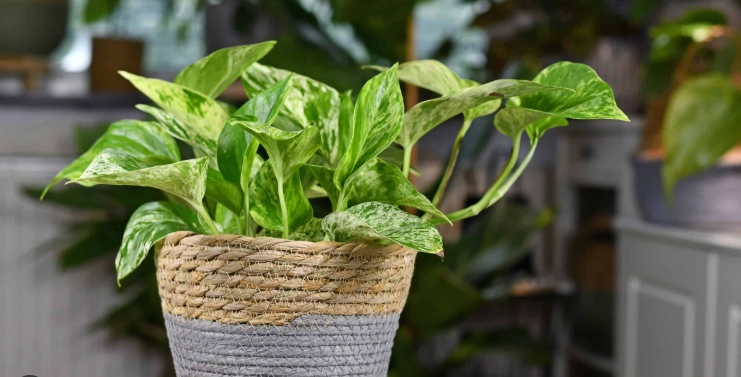
Frequently Asked Questions (The Stuff You Actually Search For)
Final Thoughts: Just Get One
If you've read this far, you're probably overthinking it (I do that too). The truth about the houseplant pothos is that it wants to live. It's waiting for a chance to trail down your bookshelf or brighten your desk. You don't need a green thumb; you just need a willingness to occasionally stick your finger in some dirt.
Start with a small one. Or ask a friend for a cutting.
The journey with a pothos is a gentle one. It teaches you to observe, to respond, and to be patient. And when you see that first new leaf unfurl from a cutting you propagated yourself? That's a tiny, quiet victory. It's not just about having a houseplant; it's about bringing a little resilient, growing piece of life into your daily space. And that's always a good idea.
Comments