What You'll Find in This Guide
- When Is It Absolutely Time to Repot Your Money Tree?
- Gathering Your Arsenal: What You Need Before You Start
- The Main Event: Step-by-Step Repotting Process
- Post-Repotting Care: The Critical Recovery Period
- Common Repotting Problems and How to Fix Them
- Your Money Tree Repotting Questions, Answered
- Wrapping It Up: The Long-Term Benefits
You know that feeling when your money tree just looks... sad? The leaves might be a bit pale, growth has stalled, or maybe you see roots peeking out from the bottom of the pot like they're trying to escape. It's a clear sign. Your plant is telling you it needs more space, fresh nutrients, and a little TLC. That's where repotting your money tree comes in. Honestly, a lot of people get nervous about it. I did too, the first time. You're worried about shocking the plant, damaging the roots, or just doing it wrong and ending up with a worse situation. But let me tell you, once you understand the process, it's one of the most satisfying things you can do for your green friend.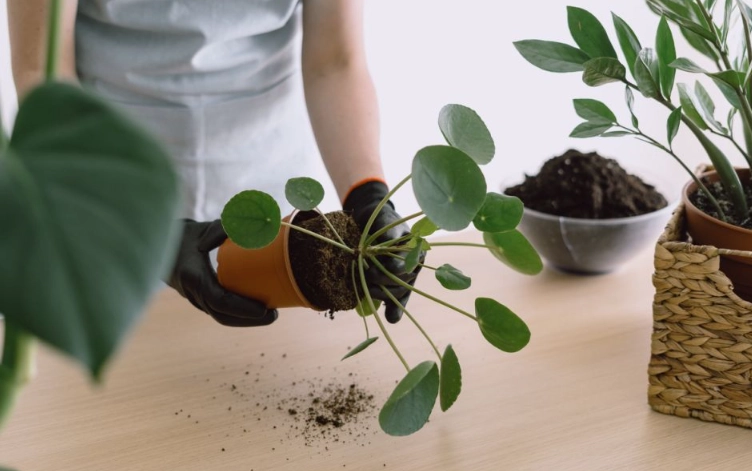
This guide is here to walk you through everything, from the very first "should I?" to the weeks after the move. We'll ditch the jargon and get straight to the practical, actionable steps. I'll even share a couple of my own blunders along the way so you can avoid them. By the end, you'll feel confident tackling this task, and your Pachira Aquatica (that's its fancy name) will thank you with lush, vibrant growth.
When Is It Absolutely Time to Repot Your Money Tree?
Timing is everything. Repotting a money tree at the wrong time can cause unnecessary stress. The best time is during its active growing season, which is late spring through early summer. The warm weather and longer days help it recover quickly. But sometimes, the plant itself forces your hand. Don't just repot on a calendar schedule; repot based on what you see.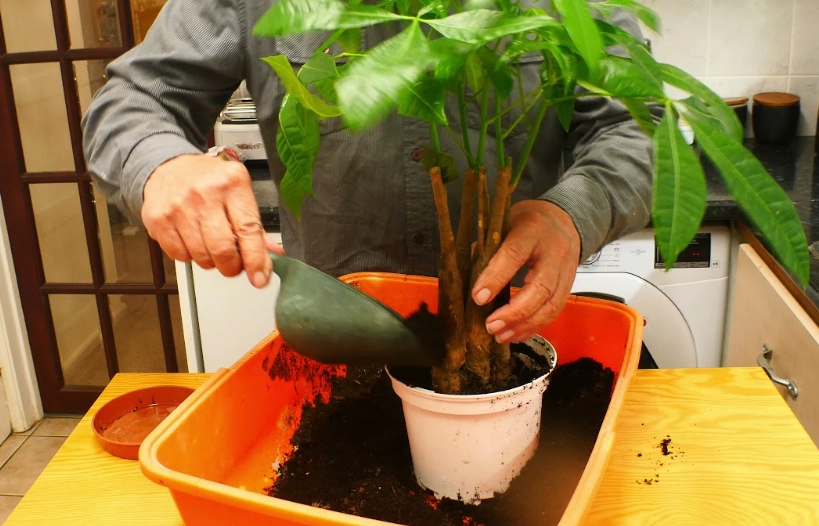
- Root-Bound City: This is the #1 reason. Gently tip the pot sideways and slide the plant out (you can do this for a quick check). If you see a dense, tangled web of roots circling the outside of the soil ball, with very little soil visible, it's root-bound. Roots coming out of the drainage holes are a late-stage symptom.
- The Growth Grind Has Halted: If your money tree hasn't put out any new leaves or stems for an entire growing season, despite good light and care, it might be starving for space and nutrients.
- Water Runs Straight Through: When you water, does it immediately pour out the bottom without the soil absorbing much? This means the root mass is so dense it's repelling water, or the soil has broken down and become hydrophobic.
- The Soil Looks Exhausted: The potting mix has become compacted, crusty, or looks depleted. It might even pull away from the sides of the pot.
- The Plant is Top-Heavy and Unstable: A large money tree in a small, light pot will constantly tip over. Repotting into a larger, heavier base provides stability.
Now, here's a personal note. I once had a money tree that was doing okay, not great. I thought, "Maybe a bigger pot will give it a boost!" and repotted it in the dead of winter. Big mistake. It dropped a bunch of leaves and looked miserable for months. It recovered, but it taught me to respect the plant's natural cycle. Don't be like past me. Wait for the signs or the right season.
Gathering Your Arsenal: What You Need Before You Start
You wouldn't build a shelf without your tools, right? Same goes for repotting a money tree. Having everything ready makes the process smooth and minimizes the time your plant's roots are exposed to air.
Let's break it down.
The New Pot: Size and Material Matter
This is crucial. The biggest error is going too big. A pot that's massively larger than the old one holds too much wet soil, which the roots can't absorb, leading to rot. The golden rule: Only go up 1-2 inches (2-5 cm) in diameter. If your current pot is 8 inches wide, choose a 10-inch pot. That's it.
Material Choices: Terracotta/clay pots are porous, which allows soil to dry out more evenly and is great for preventing overwatering, but you'll need to water more often. Glazed ceramic or plastic pots retain moisture longer. For money trees, which prefer to dry out slightly between waterings, I lean towards terracotta or pots with excellent drainage. Whatever you choose, drainage holes are non-negotiable.
The Perfect Potting Mix
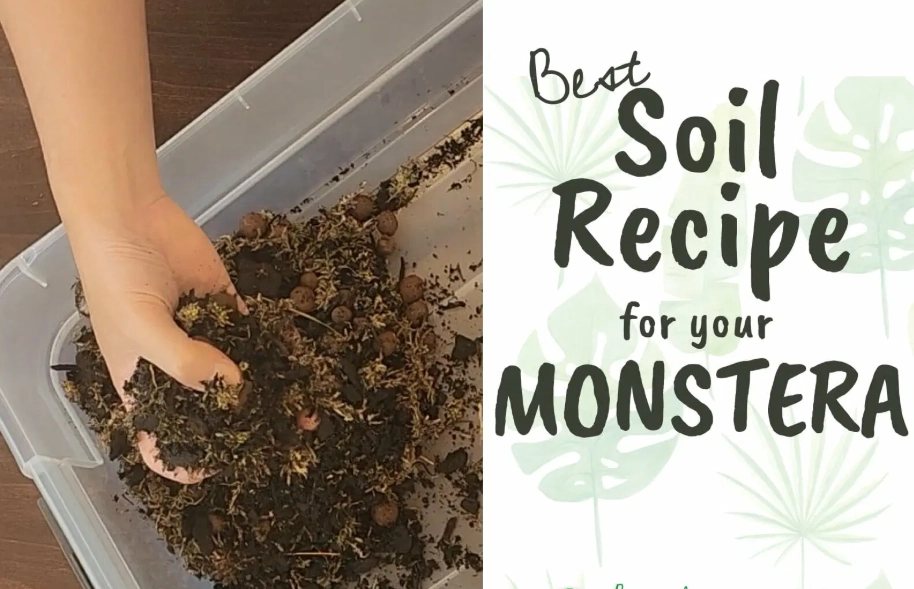
Money trees need a well-draining, airy mix. They hate sitting in soggy soil. You can buy a quality, general-purpose indoor plant mix, but I highly recommend amending it. Here's my go-to recipe that has never failed me:
- 60% Premium Potting Soil: The base. Avoid cheap, dense soils.
- 30% Perlite or Pumice: This is for aeration and drainage. It creates air pockets so roots can breathe. Perlite is cheaper and works great.
- 10% Orchid Bark: Adds chunkiness and further improves drainage, mimicking their natural growing conditions.
Mixing this yourself gives you control. If you're buying a pre-mixed bag, look for ones labeled for "cacti/succulents" or "well-draining." The Royal Horticultural Society, a trusted authority, emphasizes the importance of a free-draining medium for most houseplants to prevent root diseases, and money trees are no exception. You can read more about their soil recommendations on the RHS website.
Other Essential Tools
- Gardening Gloves: Optional, but keeps your hands clean.
- Newspaper or a Tarp: To contain the mess.
- A small trowel or scoop: For adding soil.
- Pruning shears or sharp scissors: Sterilized with rubbing alcohol. For trimming any dead or rotten roots.
- A watering can with a narrow spout.
The Main Event: Step-by-Step Repotting Process
Okay, you've got your signs, your tools, and your new pot. Let's do this. Plan for this to take 20-30 minutes of focused time.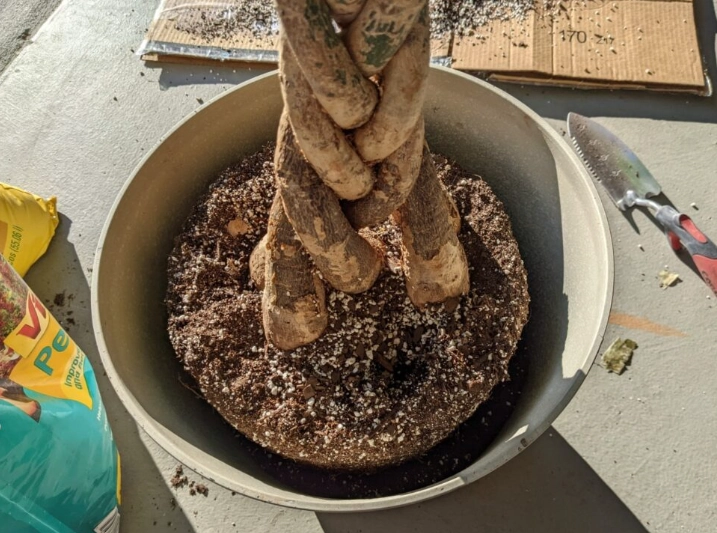
Step 1: The Gentle Exit
Lay down your newspaper. Hold the base of the plant's stems firmly and tilt the pot. Gently squeeze or tap the sides of a plastic pot to loosen it. For a rigid pot, you might need to run a knife around the inside edge. The goal is to slide the entire root ball out in one piece. If it's really stuck, don't yank on the stems. Be patient and work it loose.
Step 2: The Root Inspection (This is Important)
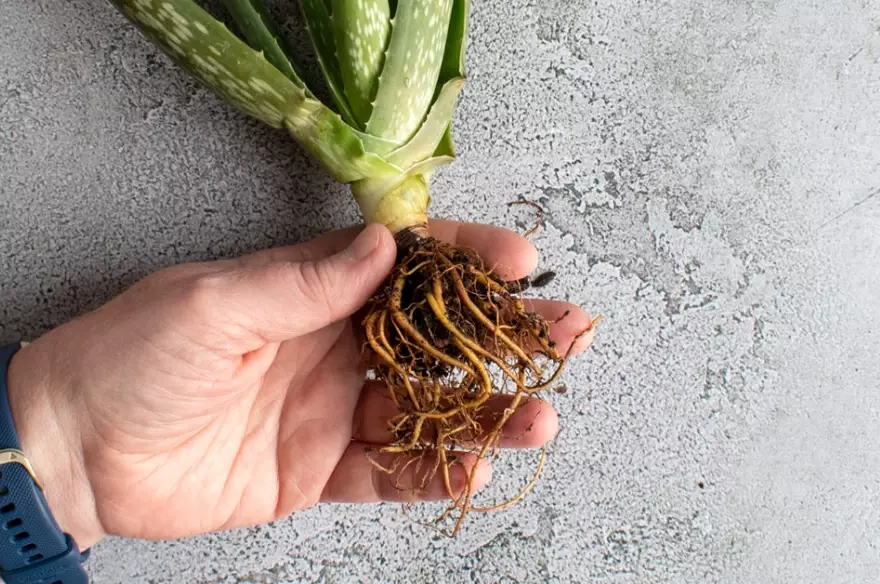
Now, take a good look at the roots. Healthy roots are firm and can be white, tan, or light brown. Gently loosen the outer layer of the root ball with your fingers. You're not ripping it apart, just encouraging the roots to grow outward into their new space.
What to look for (and do) during inspection:
- Circling Roots: Untangle them gently or make a few vertical cuts with your clean shears to break the pattern.
- Dead or Rotten Roots: These will be mushy, dark brown or black, and might smell bad. Snip them off completely. This is like removing dead weight and gives the healthy roots room to thrive.
- Very Dense Mat: If it's an impenetrable mat, you can be a bit more aggressive, teasing them apart or shaving off a thin layer from the bottom and sides.
Step 3: Prepping and Filling the New Pot
Place a piece of broken pottery, a mesh screen, or a coffee filter over the drainage hole. This prevents soil from washing out while allowing water to flow. Add a layer of your fresh potting mix to the bottom of the new pot. The depth should be such that when you place the root ball on top, the top of the root ball sits about an inch below the pot's rim. This leaves room for watering.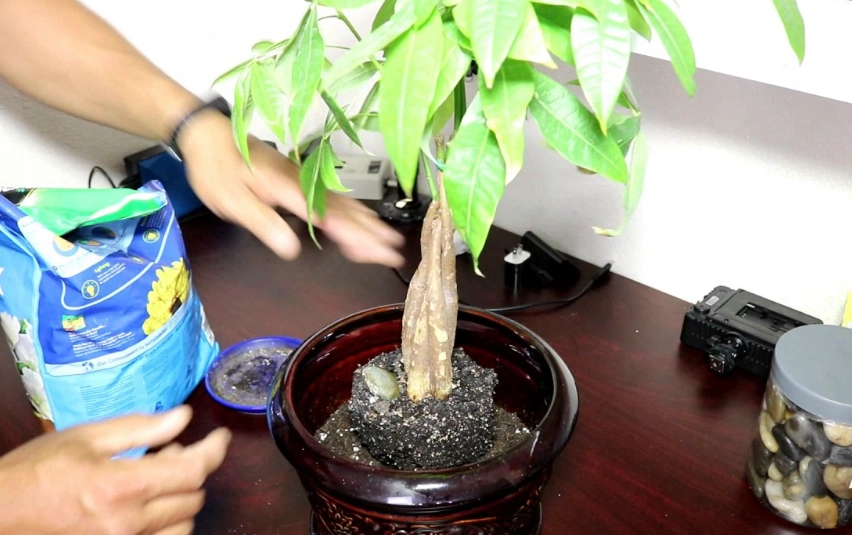
Step 4: The Perfect Placement
Center your money tree in the new pot. Hold it upright at the right height. Start filling in the gaps around the sides with your potting mix. Use your fingers or a chopstick to gently push the soil into the voids, ensuring there are no large air pockets. Don't pack it down hard—you want it firm but still airy.
The soil level should remain the same on the stem. Don't bury the trunk deeper than it was before.
Step 5: The First Watering (The "Settle-In" Shower)
Once the plant is securely in place, give it a thorough, gentle watering. Water until you see it flow freely from the drainage holes. This serves two purposes: it settles the new soil around the roots, eliminating air pockets, and it hydrates the plant after the stressful move. Let all excess water drain away completely.
Post-Repotting Care: The Critical Recovery Period
The job isn't over once the pot is back on the shelf. The next few weeks are key. Your plant is in a mild state of shock—it's focusing energy on root establishment, not top growth.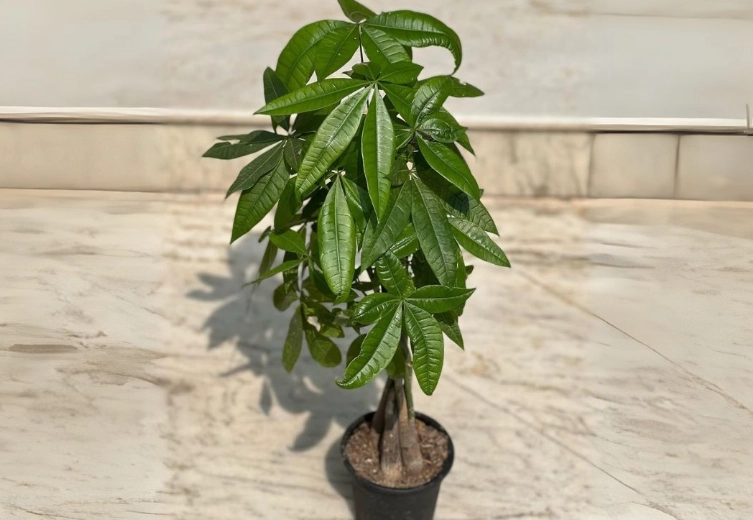
Light: Place your repotted money tree in bright, indirect light. Avoid direct, hot sun for the first 2-3 weeks, as the plant is more vulnerable. A north or east-facing window is ideal.
Watering: This is where many people mess up. Your fresh soil is moist from the initial watering. Now, wait. Let the top 1-2 inches of soil dry out completely before you even think about watering again. Stick your finger in the soil to check. Overwatering now is the fastest way to cause root rot in the new, roomy environment.
Fertilizer: Do not fertilize for at least 4-6 weeks. The fresh potting mix has nutrients. Fertilizing now can chemically burn the new, sensitive roots. Wait until you see signs of new growth, which indicates the roots have settled and the plant is ready.
Leaf Drop: Don't panic if a few leaves turn yellow and drop. It's a common stress response. The plant is shedding older leaves to redirect energy. As long as the new growth at the tips looks healthy, you're fine.
Common Repotting Problems and How to Fix Them
Even with the best intentions, things can happen. Here's a quick troubleshooter.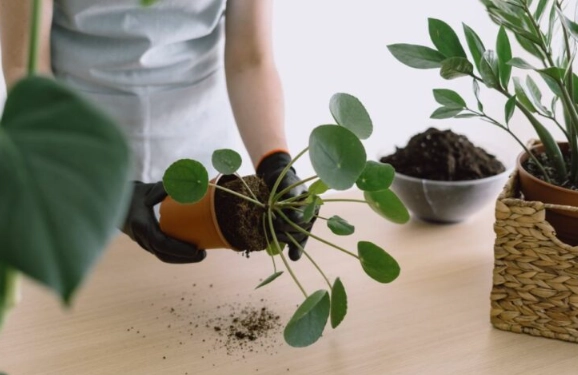
| Problem | Likely Cause | How to Fix It |
|---|---|---|
| Massive leaf drop after repotting | Severe transplant shock (wrong season, root damage, overwatering after). | Ensure proper care (bright indirect light, let soil dry). Be patient. If stems are firm, it may recover. |
| Leaves wilting, but soil is wet | Root rot from overwatering or poor-draining soil. | Stop watering immediately. Check roots. If rotten, you may need to repot again into drier mix, removing rotten parts. |
| No new growth for months | Pot too large, low light, or still acclimating. | Ensure adequate light. If pot is huge, just wait—it's focusing on roots. Avoid repotting again. |
| Plant leaning or unstable | Not planted deeply enough or soil not firmed. | You can add more soil to the base for support or use stakes temporarily. |
Your Money Tree Repotting Questions, Answered
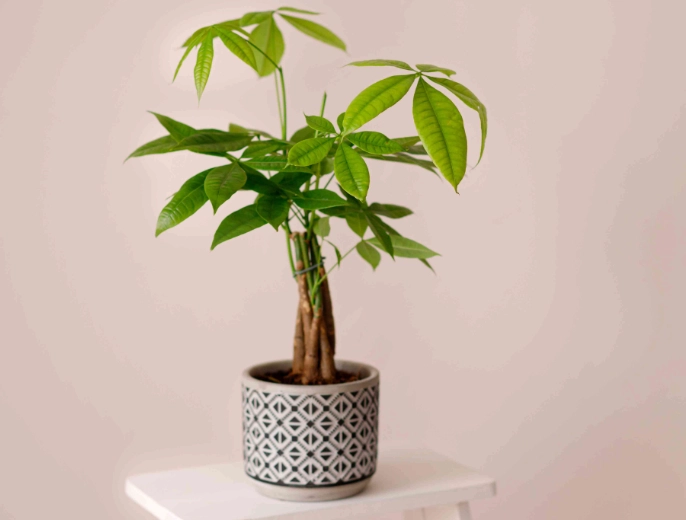
Wrapping It Up: The Long-Term Benefits
Think of repotting your money tree not as a chore, but as a renewal. You're giving it the foundation for years of future growth. Fresh soil means access to nutrients. More space means room for a stronger, healthier root system, which translates to a lusher, more resilient plant above the soil. It's a reset button.
The process of repotting a money tree connects you to your plant in a deeper way. You see its hidden structure, understand its needs, and actively participate in its lifecycle. So when you see those first new, shiny leaves emerge a few weeks after the move, you'll know it was all worth it. Your thriving money tree will be a testament to your care.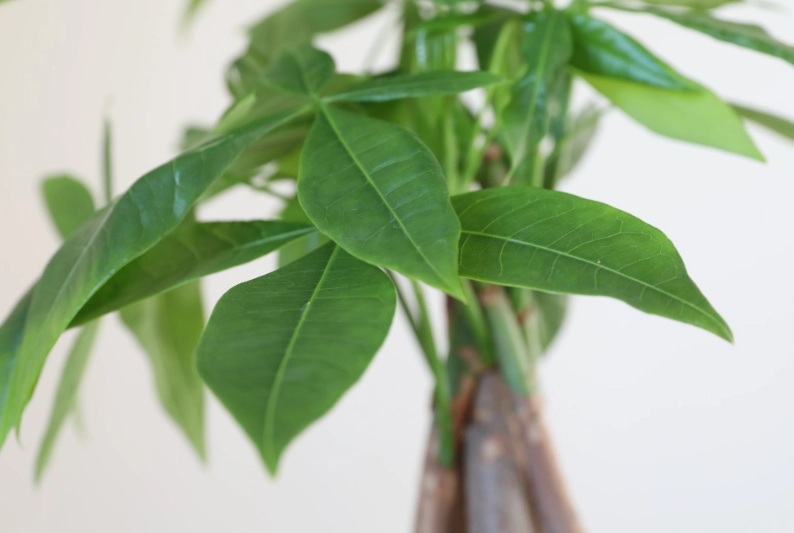
Just remember the golden rules: size up slowly, use airy soil, water wisely after, and give it time. You've got this.

Comments