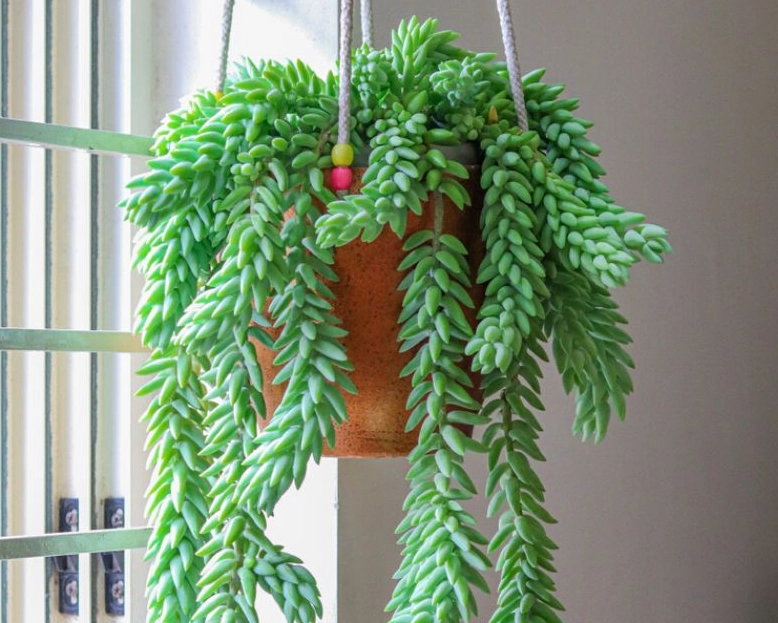
Let's get straight to it. The donkey tail succulent, known to botanists as Sedum morganianum, is that stunning, trailing plant covered in plump, blue-green leaves that look like little beans or tears. It's the plant that makes every succulent collector's heart beat a little faster, and for good reason. A mature, well-grown specimen is a true showstopper, with stems cascading down several feet like a living curtain. But here's the thing everyone online glosses over: it's also notoriously fragile and has a reputation for being fussy. That reputation, in my experience, is mostly due to a few simple but critical mistakes that are easy to avoid if you know what you're doing.
I've killed my share of donkey tails over the years. I've overwatered them, sunburned them, and watched in horror as entire stems shed their leaves at the slightest touch. But from those failures, I've learned a system that works. This guide isn't just a rehash of basic succulent care. It's the deep-dive, practical manual I wish I had when I started, covering the nuances that most articles skip.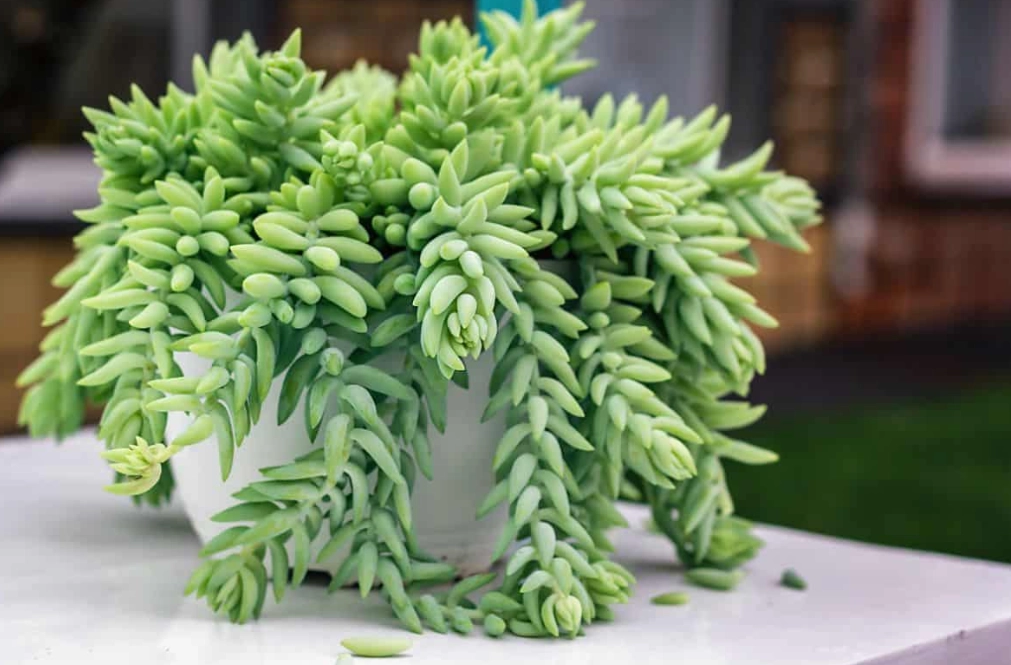
Quick Navigation: What You'll Learn
- Spotting a True Donkey Tail vs. Lookalikes
- The Right Light: Not Just "Bright Light"
- Watering: The #1 Killer and How to Beat It
- Soil and Potting: Building a Drainage Fortress
- Propagation: Multiplying Your Plant (Step-by-Step)
- Troubleshooting: Leaf Drop, Stretching, and Pests
- Your Donkey Tail Questions Answered
Is It a True Donkey Tail? Spotting Sedum Morganianum
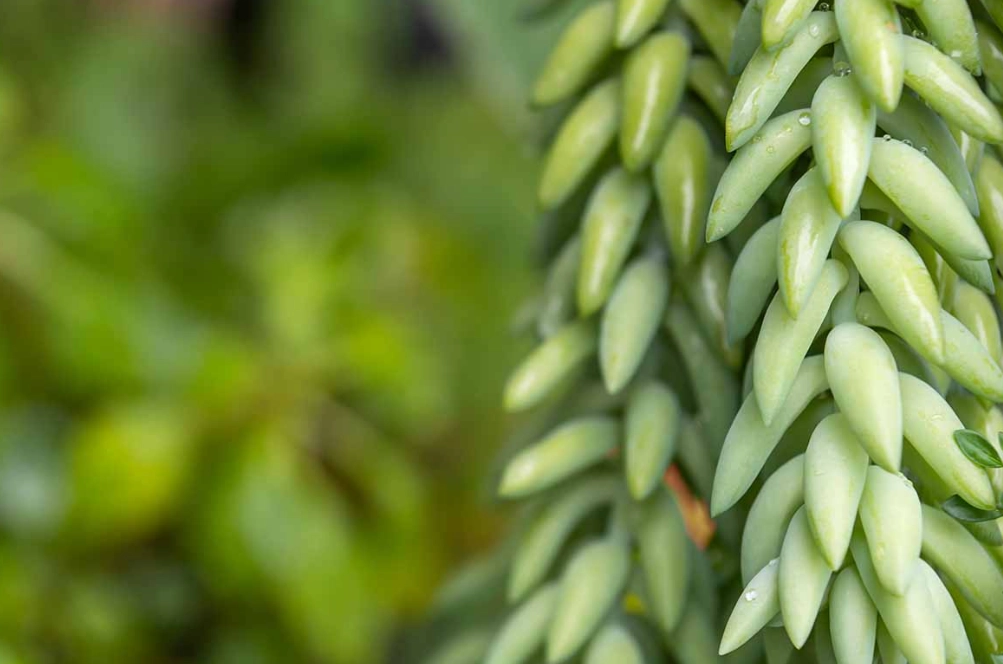
First, make sure you actually have one. "Donkey tail" is often used loosely for a few similar plants, but the care differs slightly. The true Sedum morganianum has leaves that are tightly packed, slightly curved, and have a distinctive powdery coating called farina. This coating is a natural sunscreen—touch it and it smudges, leaving a permanent fingerprint.
The main imposter is Sedum burrito, or "Baby Donkey Tail." Its leaves are rounder, more like little green grapes, and less pointy. It's often sold interchangeably, but burrito is generally considered a bit more compact and forgiving. According to the Royal Horticultural Society's plant database, both are valid species with minor morphological differences. For this guide, the core care principles apply to both, but knowing which you have helps set expectations for growth habit.
Light Requirements: Where to Place Your Plant
"Bright, indirect light" is the mantra, but what does that mean in your home? This is where people get it wrong. They either fry it on a south-facing windowsill or stunt it in a dark corner.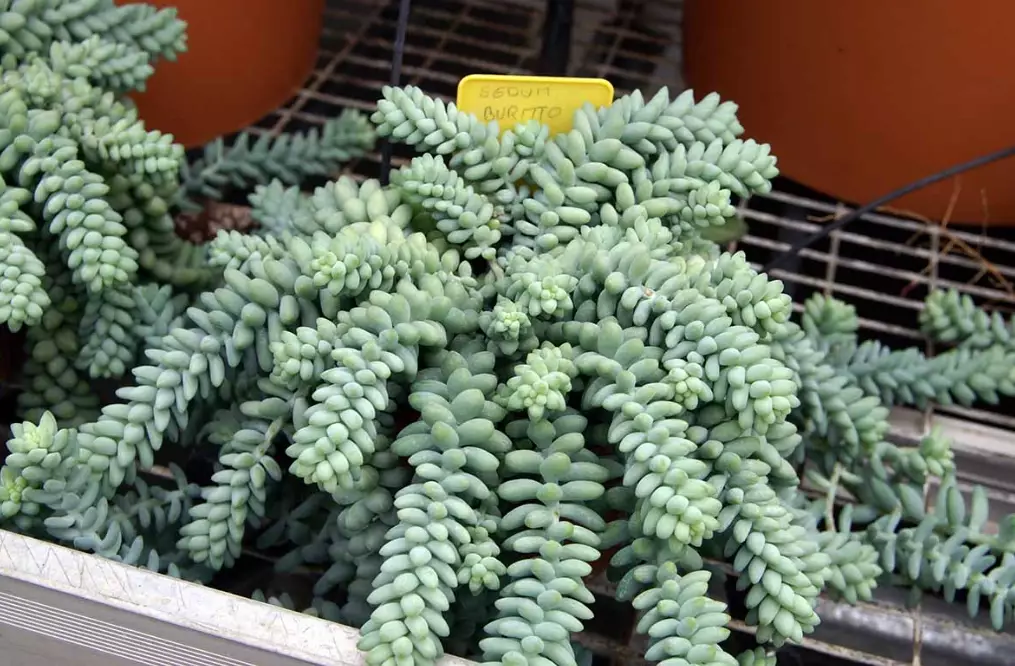
The Ideal Spot: An east-facing window is perfect. It gets several hours of gentle morning sun. A west-facing window can work, but you might need to diffuse the harsh afternoon sun with a sheer curtain, especially in summer. A south-facing window is usually too intense unless the plant is set back a few feet or filtered by other plants.
The Stretch Test: If the spaces between the leaves (internodes) are getting longer and the plant looks leggy, it's begging for more light. The leaves should be tightly stacked. Conversely, if the leaves are getting a reddish or brownish tinge or look shriveled despite watering, it might be getting too much direct sun.
I keep mine about two feet back from a large east window. It gets about 4 hours of direct morning sun and bright light the rest of the day. No burns, no stretching.
Watering Your Donkey Tail: A Delicate Balance
Overwatering is the fastest way to kill this plant. Root rot sets in quietly. The "soak and dry" method is gospel, but the timing is everything.
Here's my non-negotiable rule: Water only when the soil is 100% dry all the way through. Not just the top inch. Stick your finger deep into the pot, or better yet, lift the pot. A dry pot is significantly lighter. In the growing season (spring and summer), this might be every 10-14 days. In winter, it could stretch to every 3-4 weeks or longer.
How to Water: Take the plant to the sink. Water thoroughly until it runs freely out of the drainage hole. Let it drain completely before putting it back in its cache pot or saucer. Never let it sit in water. The leaves store water; a slightly underwatered donkey tail is always better than a soggy one.
Soil and Potting Mix: The Foundation of Health
Standard potting soil is a death sentence. It holds too much moisture. You need a gritty, sharply draining mix.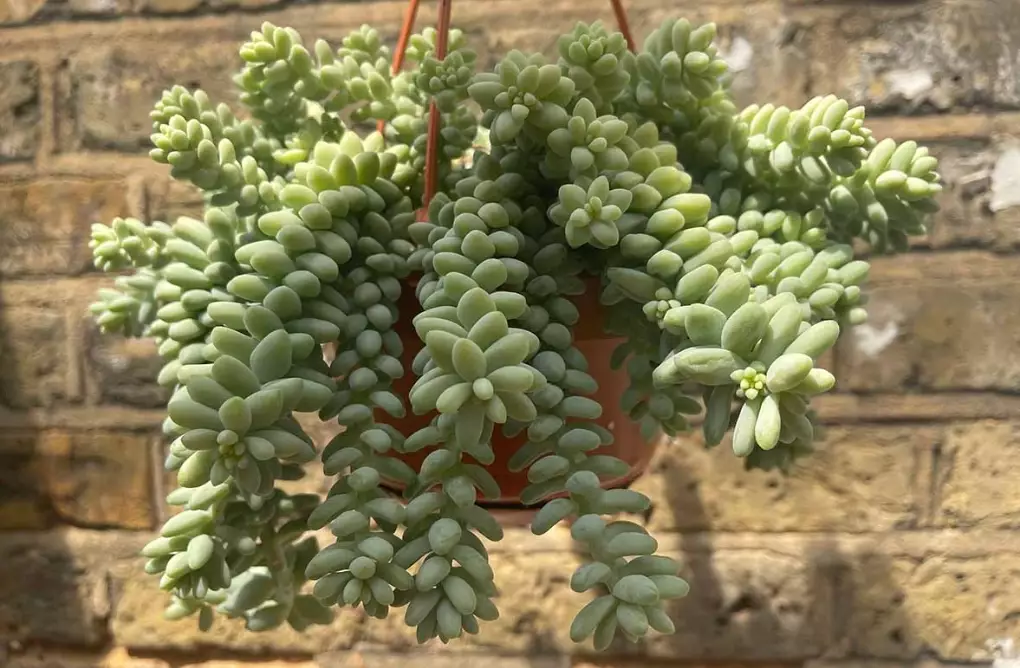
My Go-To Recipe: I mix 2 parts of a good succulent/cactus potting mix (like Bonsai Jack or a brand you trust) with 1 part additional perlite or pumice and 1 part coarse sand. This creates an airy, fast-draining environment. The goal is for water to flow through in seconds.
Pot Choice: Terracotta pots are your best friend. They're porous, allowing the soil to dry from the sides as well as the top. Ensure the pot has a drainage hole—no exceptions. The pot shouldn't be too large; a little root-bound is fine and reduces the risk of wet soil lingering.
How to Propagate Donkey Tail Succulent
This is the fun part. Donkey tails propagate easily from leaves or stem cuttings, but there's a trick most guides miss.
Method 1: Leaf Propagation (The Slow but Rewarding Way)
- Choose the right leaf: Gently twist a healthy, plump leaf from the stem. Get the whole base; a broken leaf won't propagate.
- The Critical Step: Let the leaf callus over. Place it on a paper towel out of direct sun for 2-4 days until the broken end forms a dry scab. Skipping this leads to rot.
- Lay, Don't Bury: Place the callused leaves on top of dry succulent soil. Do not bury them. Mist the soil surface very lightly every few days only after the mother leaf starts to shrivel.
- Wait: In a few weeks, you'll see tiny pink roots, then a rosette. The mother leaf will eventually wither. Be patient.
Method 2: Stem Cuttings (The Faster Way to a New Plant)
- Use clean scissors to snip a healthy stem, at least 4 inches long.
- Remove the lower leaves to expose about an inch of bare stem.
- Let the cutting and the exposed stem callus for 2-3 days.
- Stick the bare stem into dry succulent soil. Do not water for at least a week, then water lightly. Roots will form from the nodes where leaves were removed.
| Propagation Method | Best For | Time to See Roots | Time to Mature Plant | Success Tip |
|---|---|---|---|---|
| Leaf Propagation | Creating many new plants, repairing a bare stem | 3-5 weeks | 1+ years | Ensure a clean pull for a viable leaf. |
| Stem Cutting | Quickly replacing a leggy plant or filling a pot | 2-3 weeks | 6-8 months | Let the cut end callus completely to prevent rot. |
Fixing Common Donkey Tail Problems
Don't panic when things go wrong. Here's how to diagnose and fix the most common issues.
| Symptom | Likely Cause | Immediate Action | Long-Term Fix |
|---|---|---|---|
| Leaves falling off at a touch | Overwatering, physical shock, or natural shedding of older leaves. | Stop watering. Check stem/roots for mushiness (rot). | Adjust watering schedule. Handle the plant minimally. Propagate fallen leaves. |
| Wrinkled, shriveled leaves | Underwatering or root damage from previous overwatering. | Give a deep soak if soil is bone dry. If soil is wet, you may have root rot. | Establish a consistent soak-and-dry routine. Repot if roots are damaged. |
| Stems stretching, sparse leaves | Insufficient light (etiolation). | Gradually move to a brighter location. | Provide more bright, indirect light. Propagate the leggy stems to start fresh. |
| Brown, crispy spots on leaves | Sunburn from too much direct, hot sun. | Move to a location with gentler light immediately. | Filter intense afternoon sun. The damaged leaves won't recover but new growth will be fine. |
| White, cottony patches | Mealybugs. The arch-nemesis. | Isolate plant. Dab bugs with a cotton swab dipped in 70% isopropyl alcohol. | Repeat alcohol treatment weekly. Check leaf axils and undersides. Improve air circulation. |
I once lost half a plant to mealybugs because I didn't isolate a new purchase quickly enough. Now, every new plant gets a two-week quarantine and a thorough inspection.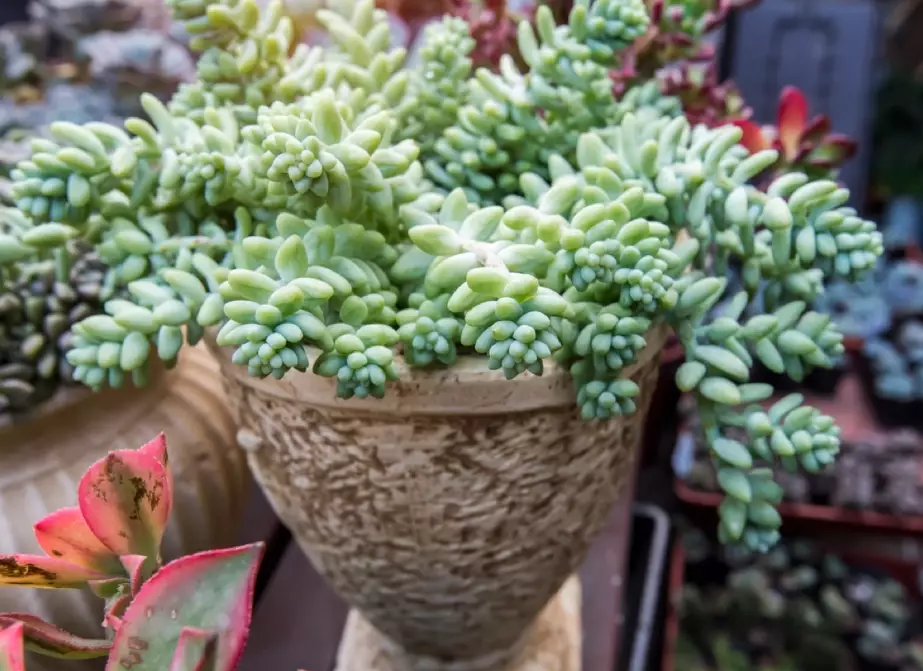
Donkey Tail Succulent: Your Questions Answered
Why are the leaves on my donkey tail succulent falling off so easily?
It's usually a watering issue or physical stress. Chronic overwatering weakens the leaf joints. Also, this plant is genetically brittle—it's a survival trait in its native cliff-side habitats to allow pieces to break off and root elsewhere. Minimize moving or brushing against it. If you must move it, support the whole pot and stem base, not the tails.
Can I revive a donkey tail that has lost most of its leaves from the base?
Absolutely. This is common as the plant ages. You have two options. First, you can "behead" it: cut off the healthy, leafy top section (let it callus), and replant it. The old stem may produce new offshoots. Second, you can leave it as is—the trailing bare stems with a leafy "ponytail" at the end have a unique, sculptural look many growers appreciate.
What's the best fertilizer for a donkey tail, and how often?
Use a balanced, water-soluble fertilizer diluted to half-strength (e.g., 10-10-10 or a specialized succulent fertilizer). Feed only during the active growing season (spring and early summer), once a month at most. Do not fertilize in fall or winter. Over-fertilizing causes weak, leggy growth and can burn the roots. Less is more.
 My donkey tail has a white powdery substance on it. Is that bad?
That's the farina or epicuticular wax. It's a good sign of a healthy plant! It protects against sunburn and moisture loss. Try your hardest not to touch it or wipe it off. If it's patchy from handling, it won't grow back on those leaves, but new growth will have it.
How fast does a donkey tail succulent actually grow?
With ideal care, you can expect about 4-8 inches of growth per year. It's not a fast grower. The satisfaction comes from the gradual, lush development over years. A plant with 3-foot tails is likely 4-5 years old or more. Patience is key.
The donkey tail succulent asks for a little more attention than your average jade plant, but the payoff is immense. It's a living sculpture. Start with the basics—fast-draining soil, careful watering, and the right light—and you'll avoid 90% of the problems. Don't be discouraged by a few fallen leaves; propagate them. That's the cycle of growth with this wonderful, fragile, and utterly rewarding plant.

Comments