In This Guide
Let's be honest. Sometimes a little succulent on the windowsill just doesn't cut it. You walk into a room and feel like something's missing. The ceiling feels too high, the corner feels too empty, the whole space lacks that "wow" factor. That's where the big guys come in. We're talking about the biggest indoor plants – the living sculptures that can completely redefine your home's atmosphere.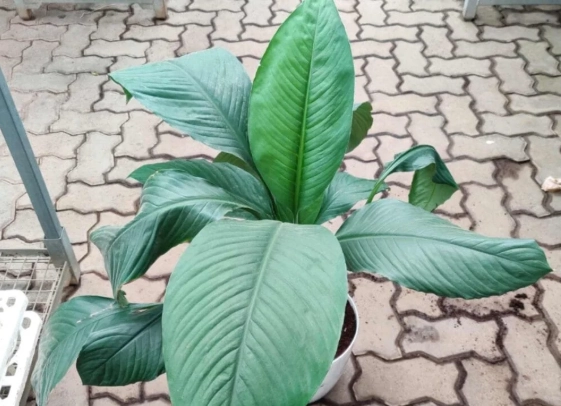
I remember the first time I brought home a properly large fiddle-leaf fig. It was a bit of an impulse buy, I'll admit. I saw it in the nursery, this towering, leafy thing, and just thought "yes." Getting it through the door was a comedy of errors, and my cat looked at it like it was an alien invader. But once it was settled in that sunny corner of my living room? The whole room changed. It felt alive, sophisticated, and just… better.
But diving into the world of large houseplants isn't just about grabbing the tallest thing you see. There's a lot to consider. Which ones are actually happy inside? How do you keep a tree alive in your apartment? And which of these big indoor plants won't secretly hate you if you forget to water it for a week?
That's what this guide is for. We're going past the basic Pinterest list and getting into the nitty-gritty. We'll look at the top contenders, their real-world needs, their quirks, and how to avoid the common pitfalls that turn your indoor jungle dream into a crispy, leaf-dropping nightmare.
Why Go Big? It's not just about aesthetics (though that's a huge part). Large plants act as natural air purifiers on a major scale, they can help humidify dry indoor air, and there's solid psychological benefit to being around substantial greenery. They create privacy, dampen noise, and become an instant focal point. A single, well-chosen large indoor tree often has more impact than a dozen small pots.
The Champions' Circle: Top Contenders for Biggest Indoor Plants
Not all large plants are created equal. Some are divas, some are tanks. Your choice depends heavily on your space, light, and how much of a "plant parent" you want to be. Here’s a breakdown of the most popular and reliable giants.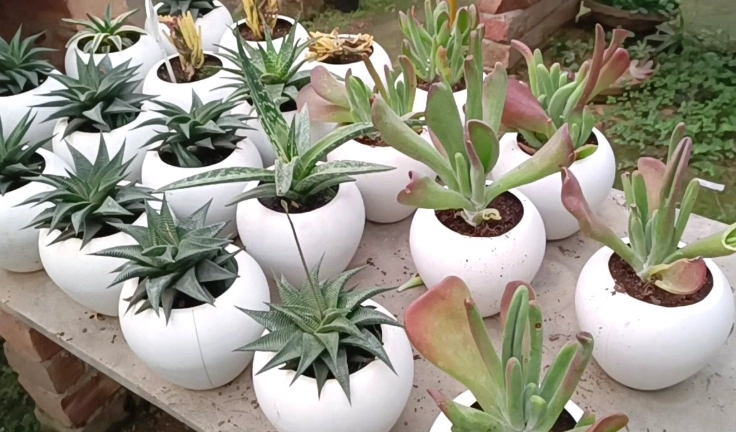
The Fiddle-Leaf Fig (Ficus lyrata)
The undisputed celebrity of the big indoor plants world. Its large, glossy, violin-shaped leaves are iconic. It loves, and I mean craves, bright, indirect light. A south or west-facing window is ideal. The biggest mistake people make? Moving it around too much. Find a good spot and leave it be. It throws a fit (read: drops leaves) with drafts, sudden temperature changes, or inconsistent watering.
My personal take: It's a bit overhyped and fussy. Gorgeous, yes, but it's the high-maintenance supermodel of the plant world. If you're a beginner prone to overwatering or have lower light, maybe admire these from afar at your friend's house.
The Rubber Plant (Ficus elastica)
Think of this as the fiddle-leaf fig's tougher, more adaptable cousin. It has broad, deep green or burgundy leaves and a strong, upright growth habit. It's more forgiving of lower light and occasional missed waterings. It's a fast grower under good conditions, so you can buy a medium-sized one and watch it become one of your biggest indoor plants in a couple of years.
Pro tip: Wipe those big leaves down with a damp cloth every few weeks. They collect dust which blocks sunlight. It's a bit of a chore, but the plant will thank you with vigorous growth.
The Monstera Deliciosa (Swiss Cheese Plant)
This is the one with the iconic split and hole-filled leaves. It's a climber in the wild, so inside it tends to get wide and sprawling as much as tall. Give it a moss pole to climb, and it will reward you with larger, more fenestrated leaves. It's surprisingly low-maintenance, tolerating medium light pretty well. The "deliciosa" part refers to its fruit, which you'll almost never see indoors, so don't get your hopes up for a homegrown snack.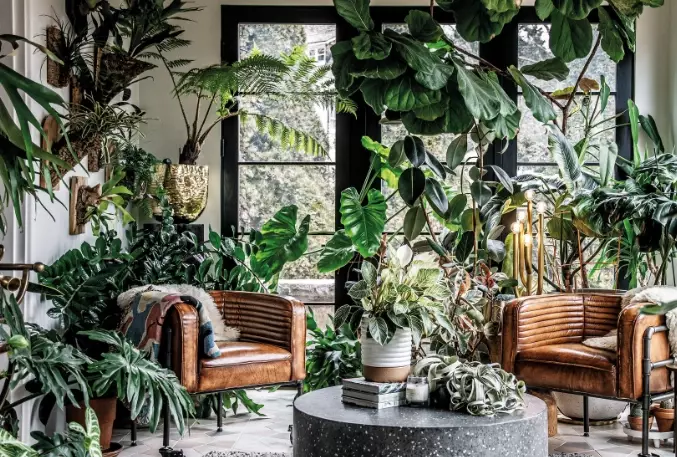
The Bird of Paradise (Strelitzia nicolai)
Want a truly tropical, palm-like vibe? This is your plant. It produces huge, banana-tree-like leaves on long, elegant stems. The white Bird of Paradise (Strelitzia nicolai) is the one that gets truly massive indoors, potentially hitting ceilings. It needs very bright light to thrive and put out new leaves consistently. It also loves humidity. A bright sunroom or right in front of a huge south-facing window is perfect.
Be warned: This plant is a space-hog. Those leaves can stretch out several feet wide. Don't cram it into a narrow hallway.
The Corn Plant (Dracaena fragrans)
An old-school favorite for a reason. It's incredibly tolerant of low-light conditions, which is rare for a tall houseplant. It has a woody stem with a cluster of long, arching green or striped leaves at the top. It grows slowly and steadily. It's also one of the top plants identified in NASA's Clean Air Study for removing common household toxins like formaldehyde and benzene. You can find more on that research from NASA's technical reports server.
The Ficus Audrey (Ficus benghalensis)
This is rising in popularity as a more forgiving alternative to the fiddle-leaf fig. It has smaller, velvety leaves and a more rustic, branching look. It's generally more pest-resistant and less prone to dramatic leaf drop. It still wants good light, but it seems to handle the imperfections of indoor life a bit better.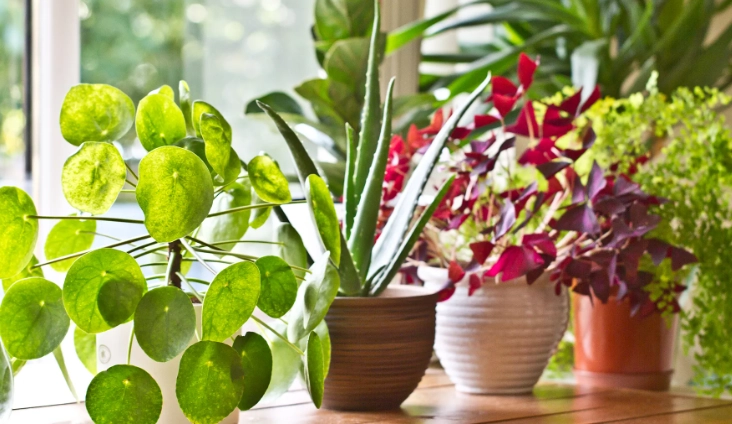
| Plant Name | Light Needs | Watering | Growth Speed | Key Trait / Warning |
|---|---|---|---|---|
| Fiddle-Leaf Fig | Bright, indirect | Let top soil dry | Medium | Diva. Hates change. |
| Rubber Plant | Medium to Bright | Let dry partially | Fast | Very adaptable. Great for beginners. |
| Monstera | Medium to Bright | Let top soil dry | Fast | Sprawling habit. Needs support. |
| Bird of Paradise | Very Bright | Keep evenly moist (not soggy) | Medium-Fast | Needs space and light. Not for dark rooms. |
| Corn Plant | Low to Medium | Let dry out between | Slow | Super tolerant. Classic office plant. |
| Ficus Audrey | Bright, indirect | Let top soil dry | Medium | Easier-going Ficus. |
The Not-So-Glamorous Stuff: Challenges of Big Plants
Okay, so you've picked your green giant. Now what? The care for these biggest indoor plants is different from your little pothos.
Light: The Non-Negotiable
This is the biggest make-or-break factor. A plant that needs "bright indirect light" isn't getting it 10 feet back from a north-facing window. That's a one-way ticket to leggy, sparse growth and decline. You might need to get creative—sheer curtains to diffuse direct southern sun, or even consider a strong grow light if your space is naturally dark. The Missouri Botanical Garden, a fantastic resource for plant info, always lists light as the primary requirement for any species, like in their Monstera deliciosa profile.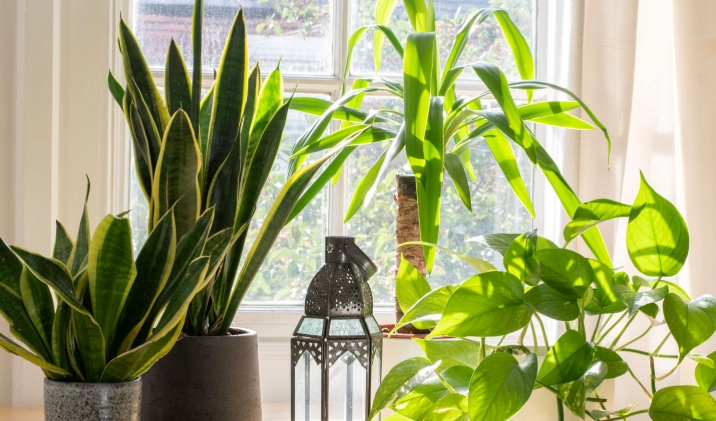
Reality Check: Before you buy, honestly assess your light. Watch the sun move through your room over a day. No plant, no matter how "low-light" it's marketed as, will thrive in a dark dungeon. They'll just die slowly and expensively.
Watering: It's a Deep Commitment
Watering a small pot is easy. Watering a huge pot housing one of your big indoor plants is a project. You need to water thoroughly until it runs out the drainage holes, ensuring the entire root ball gets moisture. But then you must let it dry appropriately (depending on the plant) to avoid root rot. This can mean watering only once every 2-3 weeks in winter. Get a moisture meter. Seriously. It takes the guesswork out of poking your finger into deep soil.
The Repotting Odyssey
Repotting a 6-foot tree is not a casual Tuesday evening activity. It's a strategic operation involving tarps, possibly a friend, and a lot of soil. Often, with mature largest indoor plants, you don't "repot" into a bigger pot every year. You top-dress—carefully scraping off the top few inches of old soil and replacing it with fresh, nutrient-rich potting mix. Full repotting happens only when the plant is severely root-bound, maybe every 3-4 years.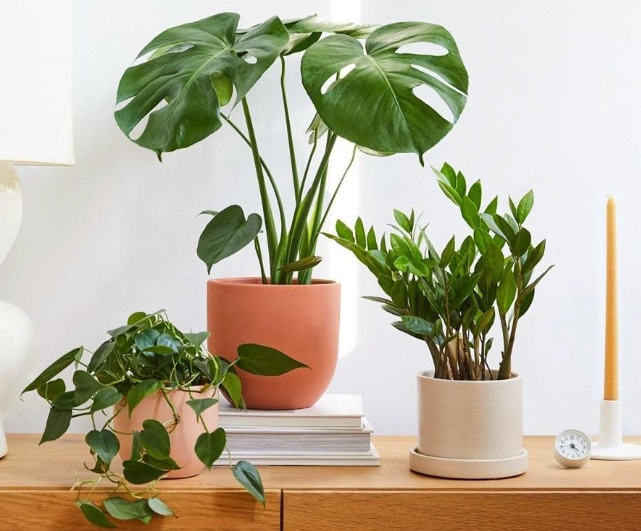
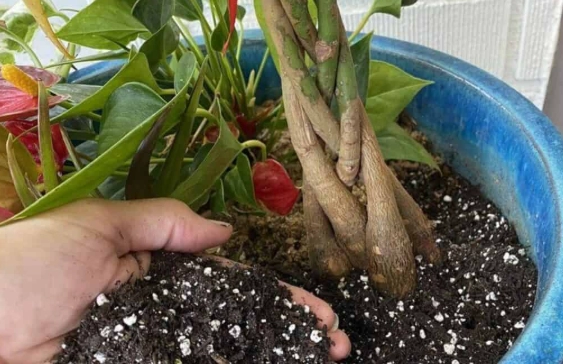
And about soil—don't use dirt from your yard or cheap, dense potting soil. These giants need a chunky, airy, well-draining mix. Many people add perlite, orchid bark, or pumice to a standard potting mix to prevent compaction.
Pests and Cleaning
Bigger plants can harbor bigger pest problems. Spider mites love the dry conditions of our homes and can quickly infest a large plant. Regular leaf inspection (especially underneath) and wiping are your first defense. Neem oil or insecticidal soap are good organic options. And as mentioned, dust is the enemy of photosynthesis. Cleaning those leaves is essential maintenance, not just cosmetic.
Making the Choice: What's Right For You?
So how do you decide which of these biggest indoor plants to invite into your home? Ask yourself these questions:
- Light: What's your brightest spot like? Be brutally honest.
- Space: How much floor and air space can you dedicate? Consider both width and eventual height.
- Care Commitment: Are you a daily checker or a "oh yeah, plants!" every-other-weekender?
- Pets/Kids: Many large plants, like most Dracaenas and Ficus, are mildly toxic if ingested. The ASPCA has a comprehensive toxic and non-toxic plant database that's worth checking.
- Budget: A large, mature plant is an investment. A 5-foot tree can cost hundreds. Sometimes starting with a smaller, cheaper specimen and growing it out is more satisfying (and economical).
If you're forgetful and have medium light, a Rubber Plant or Corn Plant is your ally. If you're a dedicated plant enthusiast with a sunny conservatory, go for the Bird of Paradise or Fiddle-Leaf Fig challenge.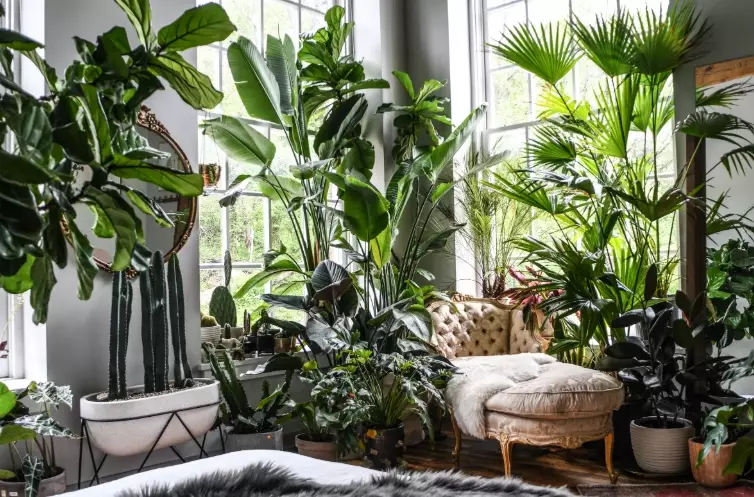
Your Big Plant Questions, Answered
Bringing one of the biggest indoor plants into your home is a commitment, but the payoff is immense. It's not just decor; it's a living, breathing piece of your environment that improves your air, your mood, and your space's entire feel. Start with a forgiving variety, nail down the basics of light and water, and don't be afraid to get your hands dirty. That empty corner is waiting for its new, leafy roommate.
And if your first attempt fails? It happens to everyone. Learn from it, try a different species that better suits your conditions, and try again. The jungle awaits.
Comments