Your Quick Guide to Dish Gardens
- More Than Just a Pretty Face: Why Bother with a Dish Garden?
- Before You Buy a Single Plant: The Non-Negotiable Rules
- The Step-by-Step: Building Your Dish Garden from the Ground Up
- Keeping It Alive: The Realistic Care Guide
- When Things Go Wrong: Troubleshooting Your Dish Garden
- Wrapping It All Up: Your Journey to a Great Dish Garden
You've probably seen them. Those charming, little landscapes nestled in a shallow pot, looking like a tiny slice of a forest or desert right there on a coffee table. That's a dish garden. And I get it – they look incredibly tempting. “I could totally do that,” you think. I thought the same thing. My first attempt, years ago, was a tragic, overwatered mess of dying succulents. It looked sadder than a forgotten houseplant in a dentist's office.
But here's the good news: dish gardens aren't actually that hard. You just need to know a few things they don't always tell you in the glossy magazine photos. This isn't about following a rigid, one-size-fits-all recipe. It's about understanding the little world you're about to create. Think of it less like assembling furniture and more like being the mayor of a very small, very green town. You set the rules, you pick the residents, and you try to keep everyone from killing each other (figuratively speaking, mostly).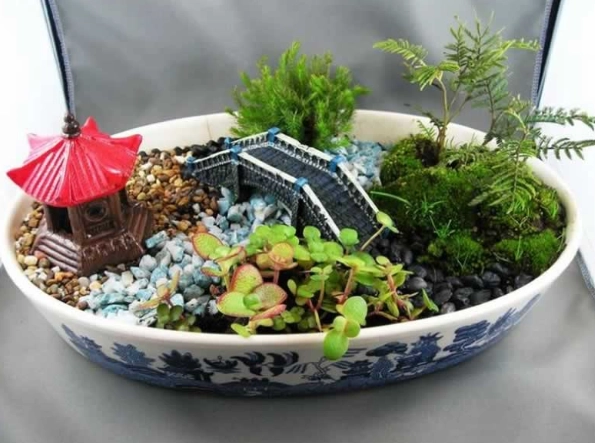
More Than Just a Pretty Face: Why Bother with a Dish Garden?
Sure, they're decorative. But a well-made dish garden offers more than just Instagram appeal (though, let's be honest, that's a nice perk).
- Space-Saving Green Fix: Live in an apartment with windowsill space only? A dish garden is your best friend. It consolidates multiple plants into one footprint.
- The Ultimate Low-Maintenance Option (If Done Right): Once established, a dish garden with compatible plants often needs less frequent watering than individual pots. They create their own little humid microclimate.
- A Creative Sandbox: This is where you get to play. It's gardening, but with the scale and creativity of a diorama. You're designing a scene.
- A Thoughtful Gift That Lives: Far better than cut flowers. A dish garden says you put thought into something that can grow. Just maybe include care instructions, or you might doom your gift to the same fate as my first attempt.
They've been around for a surprisingly long time, too. The concept has roots in Japanese bonsai and *kokedama* traditions, but the modern, Western dish garden became popular in the mid-20th century as a way to bring greenery into modern homes. It’s a practice backed by a simple principle: grouping plants. Even the Royal Horticultural Society discusses the benefits of companion planting and creating plant communities, which is essentially what a thriving dish garden is all about. You can read more about plant communities and their care on their website, which is a treasure trove of practical gardening advice.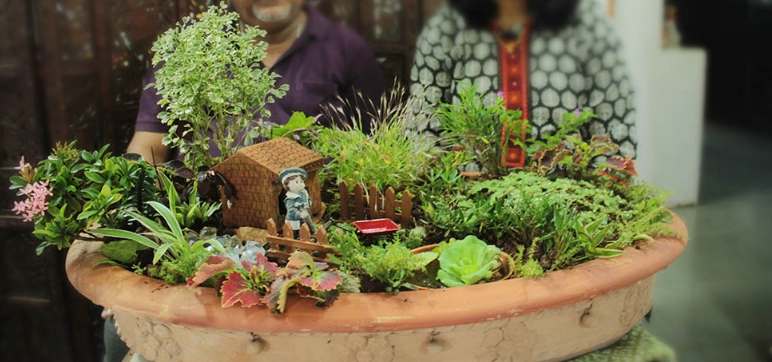
Before You Buy a Single Plant: The Non-Negotiable Rules
This is where most people, including past-me, mess up. You fall in love with a cute cactus and a lush fern at the nursery and think, “They'll be great together!” No. They will not. One wants a desert, the other wants a rainforest. Putting them in the same dish is a botanical version of a bad roommate situation.
The Golden Rule: Match the Plants' Needs
Every plant in your dish garden must have similar requirements for:
- Light: All full sun, all bright indirect, or all low light.
- Water: All drought-tolerant (like succulents) or all moisture-lovers (like tropicals).
- Soil: Fast-draining gritty mix for succulents vs. richer, moisture-retentive mix for others.
Mixing these is the fastest way to kill your dish garden. Trust me.
Picking Your Theme (It Makes Everything Easier)
Choose a theme based on the light you have available. Here are the two most reliable paths: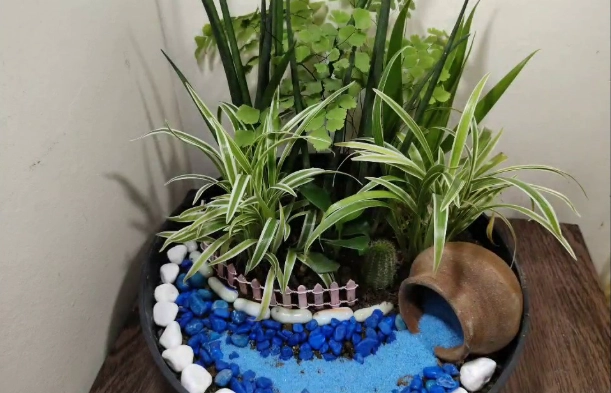
The Desert/Succulent Dish Garden
Best for: Sunny, dry spots. South or West-facing windows.
The Vibe: Architectural, modern, tough.
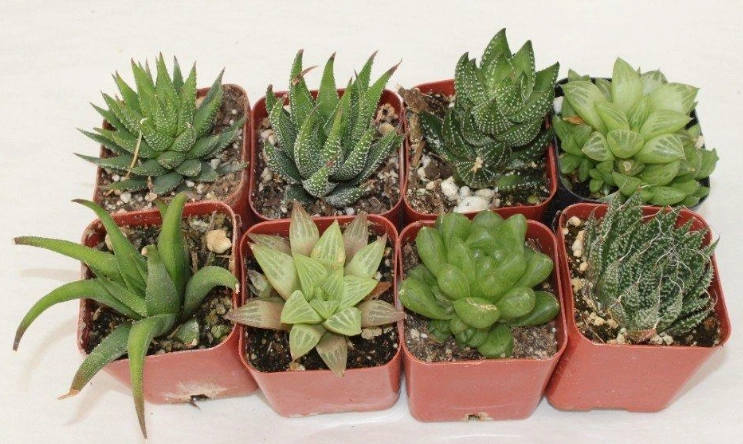
Plant Ideas: Small Echeverias, Haworthias, Sedums, a miniature Aloe, a stone-like Lithops (if you're feeling advanced).
The Reality Check: They need fantastic drainage. Overwatering is a death sentence. They grow slowly, so your design lasts longer.
The Tropical/Jungle Dish Garden
Best for: Bright, indirect light. East-facing windows or a few feet back from a South/West window.
The Vibe: Lush, textured, vibrant.
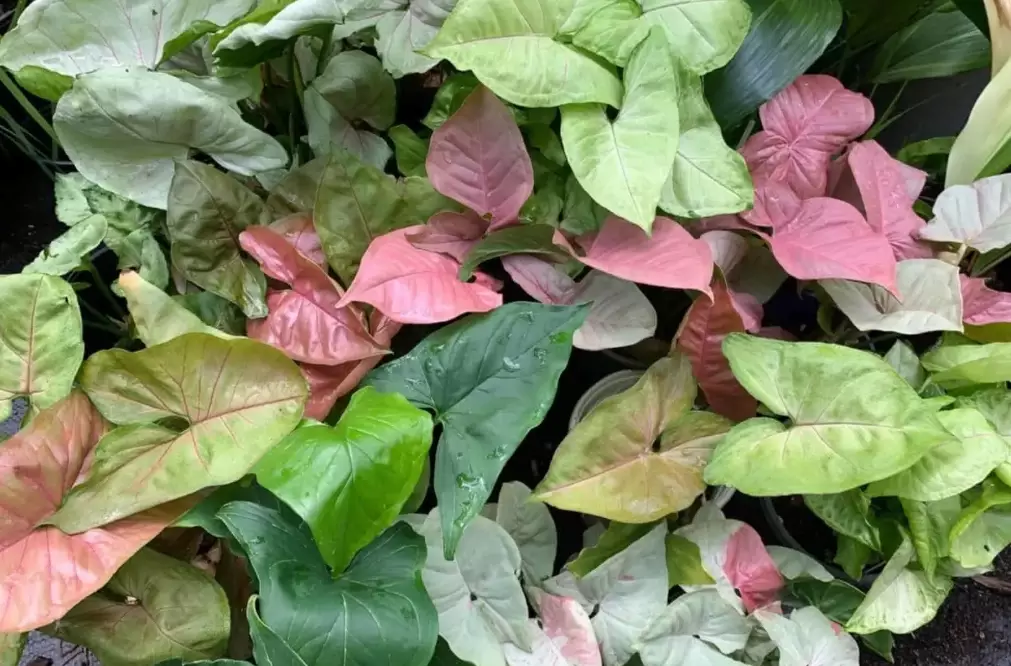
Plant Ideas: Baby's Tears (*Soleirolia soleirolii*), small ferns like Button Fern, miniature Peperomias (like *Peperomia obtusifolia*), Fittonia (Nerve Plant) for a pop of color, a small Pilea.
The Reality Check: They need more consistent moisture and humidity. They might grow faster and need occasional trimming.
You can also do a “Woodland” theme with mosses and small ferns for low light, but they can be trickier to keep happy indoors long-term.
The Step-by-Step: Building Your Dish Garden from the Ground Up
Okay, you've got your theme. Let's build. Here’s exactly what you need and what to do.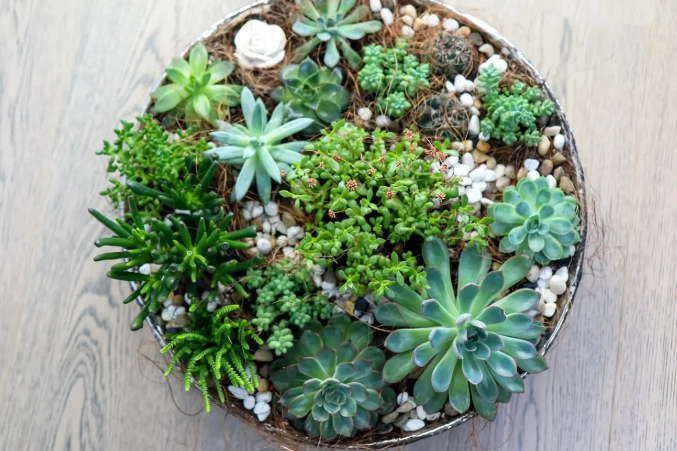
Gathering Your Supplies
| Item | What to Get & Why | Pro Tip / What to Avoid |
|---|---|---|
| The Container (“The Dish”) | Shallow, wide, and must have a drainage hole. Ceramic, terracotta, or cement are great. Width: 6-12 inches is a good start. | Avoid glass bowls or containers without holes unless you're a drainage expert. Root rot is waiting in those. If you must use a no-hole container, add a deep layer of drainage material at the bottom. |
| Potting Mix | For Succulents: Use a pre-mixed cactus/succulent soil. I often add extra perlite or pumice (like 2:1 soil to grit). For Tropicals: A good quality, well-draining indoor potting mix. You can add a bit of perlite for extra aeration. |
Don't use garden soil. It's too dense, doesn't drain well in containers, and can harbor pests. Bagged potting mix is formulated for containers. |
| Drainage Material | A handful of small rocks, pebbles, or broken pottery shards. | Just a single layer to cover the hole. Don't make a deep “drainage layer” – modern horticulture says this can actually create a perched water table. A shallow layer to keep soil from washing out is all you need. |
| The Plants | 3-5 small plants in 2” or 3” pots. Choose different heights, textures, and colors within your theme. Get a “thriller” (tall), a “filler” (bushy), and a “spiller” (trailing). | Inspect for pests! Look under leaves and at the base. Avoid plants with mushy stems or completely dry, crispy soil. |
| Tools & Extras | Small trowel or spoon, gloves, chopstick (for poking soil), decorative top dressing (small stones, moss, bark). | Top dressing isn't just pretty; it helps prevent soil from splashing, reduces moisture loss, and keeps the look clean. |
The Assembly Process: A Relaxed Walkthrough
Don't rush this. Put on some music. It's supposed to be fun.
Step 1: Prep the Dish. Place your drainage material over the hole. Add a shallow layer of your chosen potting mix. Don't fill it up yet. You want the root balls of your plants to sit so their soil line is just a bit below the rim of the dish.
Step 2: Plan the Layout – Dry Run! This is crucial. Take your plants out of their nursery pots and gently loosen the roots if they’re tightly bound. Place them, still in their little root balls, on top of the soil in the dish. Move them around. Think about composition. Place taller plants towards the back or center. Let spillers cascade over an edge. Step back and look. Adjust. This is your chance to fiddle without commitment.
Step 3: Plant. Once happy with the layout, remove the plants again. Now, start adding more soil to the dish, building little mounds where each plant will go. Make a hole for the first plant, place it in, and gently fill soil around it, firming lightly. Repeat for each plant. The goal is to have all the plants' original soil levels match the new soil level in the dish.
Step 4: Finishing Touches. Add a little more soil anywhere it's needed. Gently tap the dish to settle everything. Now, add your decorative top dressing. For a succulent dish garden, I love using small, dark lava rock or light-colored pea gravel. For a tropical one, a layer of sphagnum moss or forest bark looks amazing.
Step 5: The First, Critical Watering. Do NOT water it heavily right away if you've been messing with the roots. For succulents, wait 4-5 days before giving a thorough soak. For tropicals, you can water lightly right after planting to settle the soil, then water normally once the top inch feels dry. Always water until it runs out the drainage hole, then let it drain completely. Never let the dish sit in a saucer of water.
And there you have it. Your own little world is born.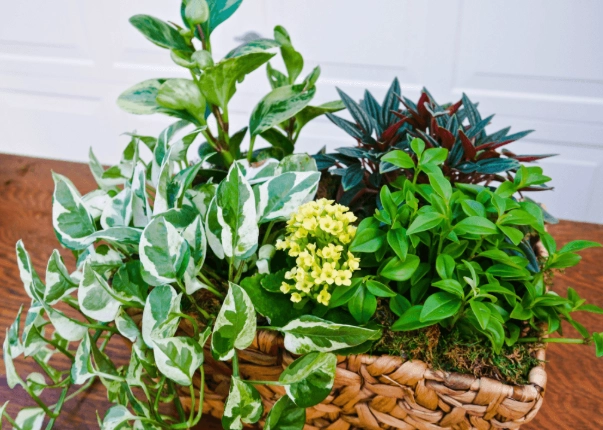
Keeping It Alive: The Realistic Care Guide
Building the dish garden is the fun part. The care is what determines if it's a fleeting art project or a lasting companion. Here’s the no-nonsense maintenance schedule.
Watering: The Biggest Make-or-Break
Forget a calendar. Your finger is your best tool.
- Succulent Dish Garden: Stick your finger in the soil. If it's completely dry an inch or two down, it's time to water. Soak it thoroughly, then let it dry out completely again. In winter, this might be once a month or less.
- Tropical Dish Garden: Water when the top inch of soil feels dry to the touch. They like consistent moisture but not sogginess. They may need water weekly, depending on your home's conditions.
How to water? Use a watering can with a long, narrow spout. Aim for the soil, not the leaves of the plants (especially succulents). Water slowly until you see it run out the bottom. Empty the drainage saucer after 15 minutes.
Light: Giving Them What They Need
Place your finished dish garden according to its theme. A succulent garden right on a sunny windowsill. A tropical one a few feet away from that same window or on an east-facing sill. Rotate the dish a quarter turn every time you water to encourage even growth and prevent plants from leaning dramatically toward the light.
Feeding and Grooming
Fertilizer: Go easy. These are small plants in a confined space. A half-strength dose of a balanced liquid fertilizer (like a 10-10-10) once in early spring and once in mid-summer is plenty for tropicals. For succulents, once in spring is often enough. Over-fertilizing can cause weak, leggy growth and burn roots.
Pruning & Tidying: This is key for long-term beauty. Snip off any dead or yellowing leaves. Pinch back leggy growth on tropical plants to encourage bushiness. If one plant in your succulent dish garden suddenly decides to grow like a rocket, you might need to trim it or even replace it to keep the scale balanced. It's okay. You're the mayor.
When Things Go Wrong: Troubleshooting Your Dish Garden
Even with the best care, issues pop up. Here’s how to read the signs.
- Leaves are yellowing and mushy: Classic overwatering. Stop watering! Let the soil dry out completely. Check if the dish is draining. You might need to remove the worst-affected plant if it's rotting.
- Leaves are wrinkled, crispy, or shriveled: Underwatering. Give it a good soak. For succulents, they should plump back up in a day or two.
- Plants are stretching out, with long spaces between leaves (etiolation): Not enough light. Move it to a brighter location. You can't fix the stretched part, but you can prune it back and let new, compact growth come in with better light.
- One plant is dying while others are fine: It was probably a mismatch in needs from the start. Sadly, the best course is often to remove the failing plant. Don't let a dying plant sit in there—it can attract mold or pests.
For serious pest issues like fungus gnats (a sign of chronically moist soil) or mealybugs (look like tiny bits of cotton), you can use insecticidal soap or neem oil. Isolate the dish garden from other plants if you can. The University of Minnesota Extension website has excellent, science-based resources on identifying and managing common houseplant pests, which apply directly to plants in a dish garden setting.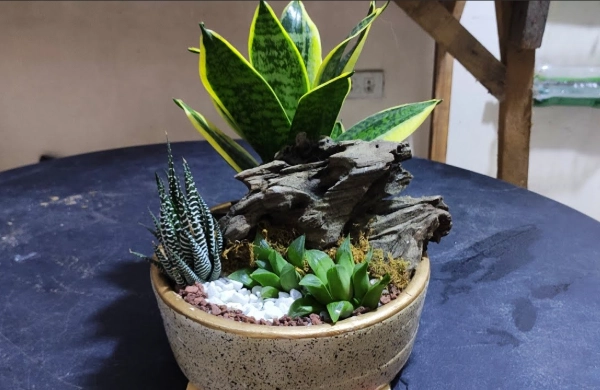
Answering the Questions You're Actually Asking
Wrapping It All Up: Your Journey to a Great Dish Garden
Look, creating a dish garden is a wonderfully satisfying little project. It’s part art, part gardening, and part simple nurturing. The most important thing is to start with compatible plants and a pot that drains. Get those two things right, and you’re 80% of the way there.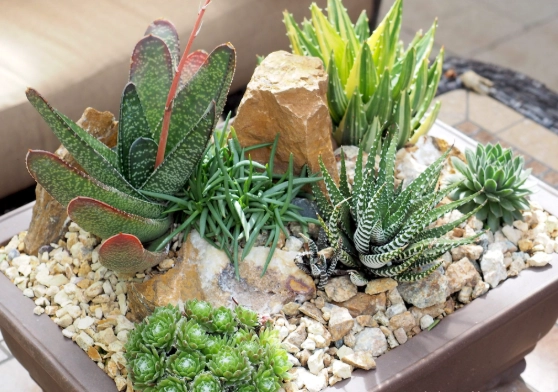
Don't be afraid to experiment. My favorite dish garden right now is a weird one I threw together with some leftover succulents in a shallow, unglazed terracotta bowl. It’s not perfect—one of them is a bit lopsided—but it has character. It sits on my desk and makes me happy.
That’s the real point. It’s not about creating a flawless museum piece. It’s about bringing a small, living landscape into your daily life and learning to care for it. So grab a dish, pick some plants that get along, and get your hands dirty. Your own miniature world is waiting.
Comments