Let's be honest. You probably got your first small succulent because it was cute, cheap, and promised to be impossible to kill. Then, a few months later, you were left holding a pot of mushy leaves or a dried-up twig. I've been there. Over a decade of growing these little guys has taught me one thing: they're not hard to care for, but they follow rules that are completely different from your average houseplant. This guide cuts through the cute Instagram pics and gets into the real, gritty details of keeping small succulents alive.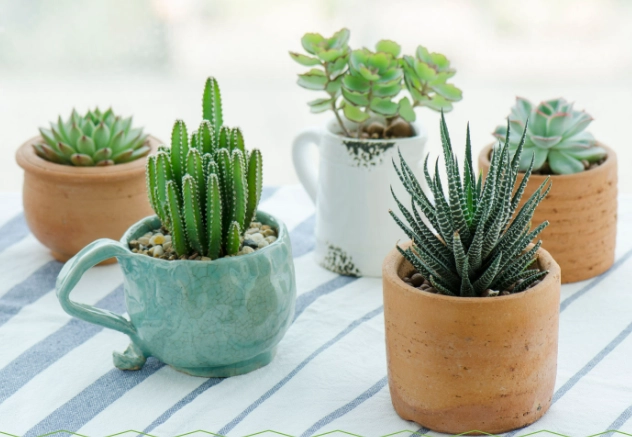
What's Inside?
Picking the Right Plant (Not Just the Prettiest)
Walk into any garden center, and you'll see a table full of colorful rosettes. The key to success starts here. Choosing a variety that matches your environment is 80% of the battle. Don't fall for the "full sun" tag on every pot—some small succulents will scorch on a hot south-facing windowsill.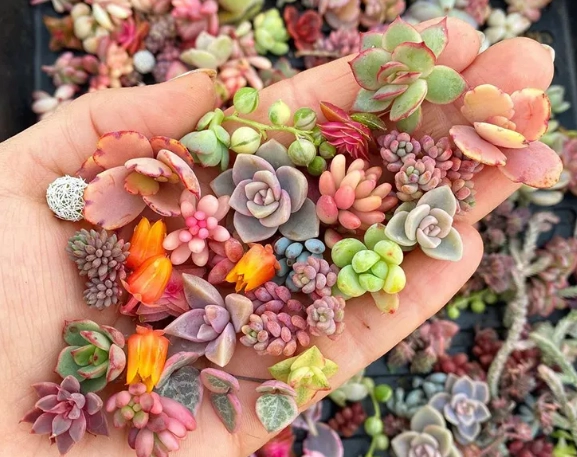
Here’s a breakdown of the most forgiving small succulent varieties, categorized by where they'll actually be happy in your home.
| Succulent Name | Light Needs | Watering Style | Why It's Great for Beginners |
|---|---|---|---|
| Haworthia (Zebra Plant) | Bright, indirect. East/West window. | Moderate. Let soil dry fully. | Tolerates lower light, rarely etiolates. Forgiving with occasional overwatering. |
| Gasteria | Low to bright, indirect. | Moderate. Drought tolerant. | Extremely hardy, slow-growing. Unique textured leaves. |
| Echeveria ‘Lola’ or ‘Perle von Nurnberg’ | Full, direct sun (4-6+ hrs). South window. | Soak & dry. Very drought tolerant. | Classic rosette shape. Shows beautiful stress colors (pinks, purples) in good light. |
| Sedum rubrotinctum (Jelly Beans) | Bright light to full sun. | Soak & dry. | Fast grower, easy propagator. Fun, chubby leaves. |
| Crassula ovata ‘Gollum’ (Hobbit Jade) | Bright light to full sun. | Soak & dry. Let leaves soften slightly. | Tree-like structure. Very forgiving and long-lived. |
My personal favorite for an office desk or north-facing room is the Haworthia. I've had one survive for years in a spot where a pothos would get leggy. It just sits there, looking architectural and neat, asking for nothing.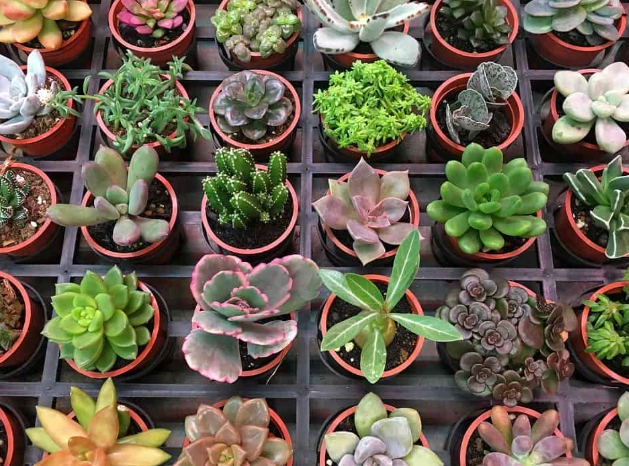
The Non-Negotiable Care Rules
You can fudge these rules with a spider plant. With small succulents, you can't.
1. Light: It's Not a Suggestion
Insufficient light is the number one killer, disguised as a slow, stretching death. Your plant isn't "growing tall"; it's etiolating—desperately reaching for photons. A south or west-facing window is ideal for most. East works for some. North? You'll need a grow light. And not a weak, purple USB one. Look for a white LED panel that mentions PPFD values for plants.
2. Watering: The Soak & Dry Method is Gospel
Forget misting. Forget ice cubes. Here's the only method you need:
- Step 1: Drench the pot completely until water flows freely out of the drainage hole. This ensures the roots get moisture.
- Step 2: Wait. And wait some more. Let the soil become completely, totally, bone-dry. Then wait another 3-5 days. For many small succulents in a gritty mix, this is a 2-3 week cycle in summer, stretching to a month or more in winter.
- Pro Tip: Learn to read the leaves. A plump, firm Haworthia leaf doesn't need water. A slightly wrinkled, softer one is thirsty. This is more reliable than any schedule.
3. Soil & Pot: Drainage is Everything
That decorative ceramic pot with no hole? It's a coffin. Always use a pot with a drainage hole. Your soil mix should be fast-draining. A bag of regular potting soil will hold too much water and cause rot. I mix my own: 2 parts cactus potting mix, 1 part perlite, and 1 part coarse sand or pumice. It looks ugly and gritty, but the roots love it.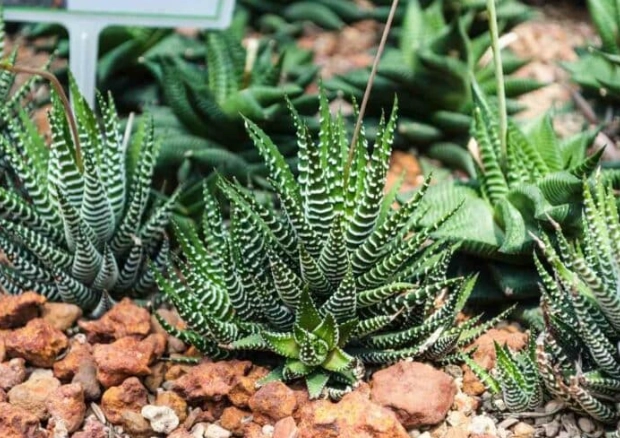
Diagnosing & Fixing Common Problems
Your plant is talking to you. Here's how to listen.
Soft, Mushy, Translucent Leaves (especially at the base): Classic overwatering/rot. It's often fatal. If caught early, unpot, remove all soggy soil and mushy leaves/roots with a sterile tool. Let the plant dry out for a few days, then repot in dry, gritty mix. Don't water for a week.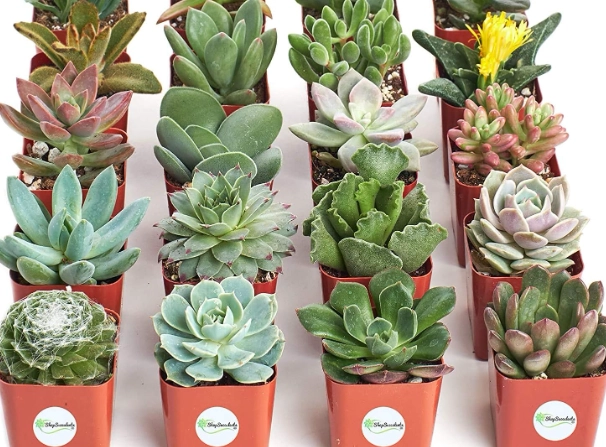
Dry, Crispy, Wrinkled Leaves (from the bottom up): Underwatering. The plant is consuming its own stored water. Give it a thorough soak. It should plump up in a day or two.
Stretching, Pale Growth, Large Gaps Between Leaves: Etiolation. Not enough light. Move it to a brighter location. You can't fix the stretched part, but you can behead the plant (cut off the top rosette), let it callous, and replant it.
Brown, Scorched Patches on Leaves: Sunburn. Yes, they can get too much sun too quickly. If moving a plant to a sunnier spot, acclimate it over 1-2 weeks, increasing exposure gradually.
The Magic of Propagation: Making More Plants
This is the most rewarding part. Many small succulents can grow a whole new plant from a single leaf.
Leaf Propagation (for Echeveria, Sedum, Graptopetalum): Gently twist a healthy, plump leaf from the stem. Ensure you get the whole base. Let it sit out in indirect light for 2-4 days until the broken end forms a callus. Then, just lay it on top of dry, gritty soil. Mist the soil very lightly every few days once you see tiny pink roots or a baby rosette forming. Patience is key—this can take weeks.
Offsets/Pups (for Haworthia, Aloe, Sempervivum): These plants produce little clones at their base. Once the pup is about 1/3 the size of the mother, you can carefully separate it (often with roots attached) and pot it up on its own.
I have a "propagation station"—a shallow tray filled with my gritty mix where I toss leaves. It's like a lottery. Some sprout, some don't. But when they do, it feels like free money.
Your Small Succulent Questions, Answered
How often should I water my small succulent?
Why is my small succulent getting tall and leggy?
Can I plant different small succulents together in one pot?
What's the best soil mix for small succulents in a pot without drainage?
The journey with small succulents is a slow one. They won't grow overnight. But there's a deep satisfaction in mastering their simple, strict needs. You learn to observe, to be patient, and to appreciate subtle changes. Start with a hardy Haworthia or a Sedum, nail the basics of light and water, and you'll find these resilient little plants are more than just decor—they're tiny, quiet companions.
Comments