Quick Navigation
- Getting to Know Your Bird of Paradise: It's Not a Diva, It's Just Misunderstood
- The Absolute Non-Negotiables: Light, Water, Soil
- Beyond the Basics: Humidity, Food, and Cleanliness
- Solving the Most Common Bird of Paradise Plant Problems
- The Holy Grail: How to Get Your Bird of Paradise to Flower
- Pruning and Propagating: When and How
- Your Birds of Paradise Care Questions, Answered
- Putting It All Together: A Seasonal Care Reminder
Let's be honest. You brought that stunning Bird of Paradise plant home because it looks like a permanent vacation on your living room floor. Those huge, architectural leaves? The promise of a crazy, bird-like flower? Pure magic. Then reality hits. A brown leaf tip appears. No sign of a bloom. You start googling frantically. Sound familiar?
I've been there. My first Strelitzia (that's the fancy botanical name) sat in a corner for a year, doing absolutely nothing but collecting dust. I was ready to give up. Then I figured a few things out—mostly by making mistakes you don't have to. This guide isn't a sterile list of instructions. It's the collective wisdom from killing a few plants (sorry, little guys) and finally getting others to not just survive, but truly thrive and even bloom. We're going deep on birds of paradise flower care, from the basics to the pro tips nobody tells you.
Getting to Know Your Bird of Paradise: It's Not a Diva, It's Just Misunderstood
Before we dive into the nitty-gritty of Bird of Paradise plant care, let's understand what we're dealing with. Native to South Africa, Strelitzias are built for sun, warmth, and decent humidity. They're tough, but they have specific preferences. There are two main types you'll find:
- Strelitzia reginae: The classic. Smaller, orange and blue flowers. Often just called "Bird of Paradise."
- Strelitzia nicolai: The giant white bird. This is the one with massive, banana-tree-like leaves that can reach the ceiling. Its flowers are white and dark blue. When people talk about a huge, indoor tropical statement plant, this is usually it. Strelitzia nicolai care is similar but scaled up—more light, more space.
Both want similar things. Think of their native habitat: bright light, warm days, cooler nights, rain followed by good drainage. Your job is to mimic that as best you can indoors. It's not about creating a perfect replica, but hitting the key points.
The Absolute Non-Negotiables: Light, Water, Soil
Get these three things right, and 90% of your birds of paradise flower care problems vanish. Seriously. Most issues stem from here.
Light: The #1 Make-or-Break Factor
This is where I failed initially. "Bright, indirect light" is the usual advice. For a Bird of Paradise, that's the bare minimum for survival. For growth and flowers? Think brighter.
They can handle, and even love, several hours of direct sun indoors. An east-facing window with morning sun is perfect. A south or west window with a sheer curtain to diffuse the harshest afternoon rays is excellent. A north window? Forget about it if you want any real action.
Low light leads to slow growth, no flowers, and leggy, weak leaves that flop over. If your plant is leaning heavily towards the window, it's screaming for more light. Rotate it regularly for even growth.
Watering: The Fine Line Between Love and Drowning
Overwatering is the fastest way to kill a Strelitzia. Their roots are thick and fleshy and hate sitting in soggy soil. Underwatering is less dangerous but causes its own drama (brown, crispy edges).
Here's my method, born from paranoia after losing one to root rot:
- Stick your finger in the soil. Go down about 2 inches. If it feels dry, it's time to water. If it feels damp, wait. A moisture meter can help if you're unsure, but your finger is a great tool.
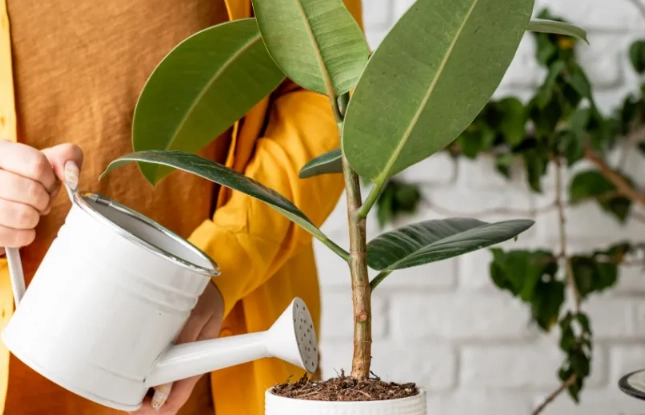
- Water thoroughly. Take the plant to the sink or shower and water until it runs freely out of the drainage holes. This ensures the entire root ball gets moistened.
- Let it drain completely. Never let it sit in a saucer of water. Empty the saucer after 15-20 minutes.
Frequency? There's no schedule. It depends on light, temperature, pot size, and season. In summer with bright light, you might water weekly. In a darker winter spot, it could be every 3-4 weeks. Always check the soil first.
Soil and Potting: Giving the Roots Room to Breathe
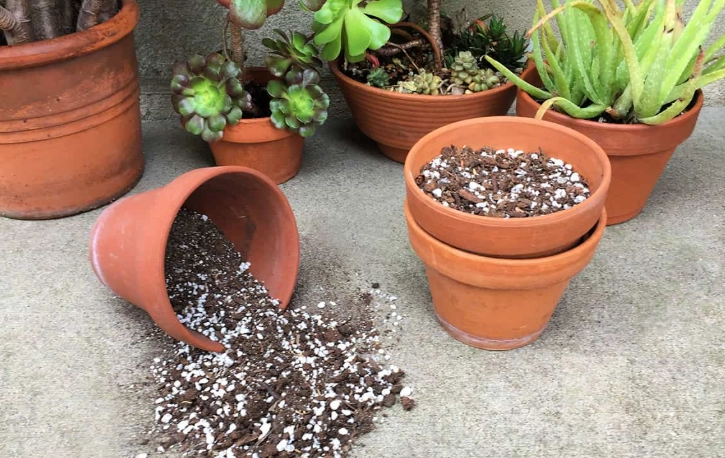
A fast-draining, chunky potting mix is non-negotiable. A standard indoor potting mix is often too dense and moisture-retentive on its own.
My preferred mix: 2 parts quality potting soil, 1 part perlite, 1 part orchid bark (or coconut coir chunks). The perlite and bark create air pockets, preventing compaction and improving drainage. This mix has never failed me.
Pot choice matters too. Terracotta pots are fantastic because they're porous and help wick away excess moisture. Plastic pots are fine if you're careful with watering. Always, always use a pot with drainage holes. No exceptions.
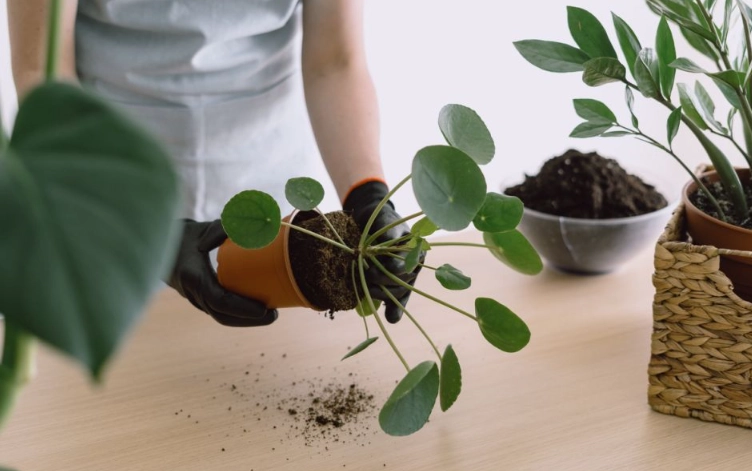
Repotting is needed every 1-2 years in spring or summer when the plant becomes root-bound. They actually bloom better when a bit snug, but don't let them get severely cramped. Go up only 1-2 inches in pot diameter at a time.
Beyond the Basics: Humidity, Food, and Cleanliness
Once you've got the core Bird of Paradise care rhythm down, these factors take your plant from okay to outstanding.
Humidity: It's More Important Than You Think
Average home humidity (around 30-40%) is tolerable, but not ideal. Low humidity is the main culprit behind those frustrating split leaves and brown, crispy edges—even when you're watering correctly.
How to boost it?
- Pebble Tray: The simplest method. Fill a shallow tray with pebbles and water, place the pot on top (not in the water). As the water evaporates, it increases humidity around the plant.
- Grouping Plants: Cluster your plants together. They create their own mini-humid microclimate through transpiration.
- Humidifier: The gold standard, especially in dry winter months. Your plant (and your sinuses) will thank you.
Misting? I find it does very little to raise humidity long-term and can promote fungal spots on leaves if done excessively. I skip it.
Feeding Your Plant: Less is More
During the active growing season (spring and summer), feed your Bird of Paradise once a month with a balanced, water-soluble fertilizer. Something like a 10-10-10 or 20-20-20 formula, diluted to half the recommended strength on the bottle. They're not heavy feeders, and over-fertilizing can burn the roots and cause leaf tip burn.
In fall and winter, stop fertilizing. The plant's growth slows down and it doesn't need the extra nutrients.
Leaf Care: A Simple Ritual
Those big leaves are dust magnets. Dust blocks sunlight, hindering photosynthesis. Every couple of weeks, wipe the leaves gently with a damp, soft cloth. Not only does this keep the plant healthy, but it also makes it look spectacularly glossy. You'll notice the difference immediately.
Solving the Most Common Bird of Paradise Plant Problems
Let's play plant doctor. Here’s a quick-reference table for diagnosing the usual suspects in birds of paradise flower care.
| Symptom | Likely Cause | How to Fix It |
|---|---|---|
| Leaves splitting | Mostly natural, but low humidity & physical damage can worsen it. | Increase humidity. Be gentle when moving the plant. |
| Brown, crispy leaf tips/edges | Underwatering, low humidity, or fluoride/chlorine in tap water. | Check watering frequency, boost humidity, use filtered/rain water if possible. |
| Yellowing leaves (lower, older) | Natural aging. If widespread, it's often overwatering. | Let soil dry more between waterings. Check for root rot. |
| Leaves curling inward | Usually thirst (underwatering). Can also be heat stress. | Water thoroughly. Move away from intense heat sources. |
| No new growth | Insufficient light, or it's dormant (winter). Could be root-bound. | Move to a brighter spot. Consider repotting in spring. |
| Leaves leaning/facing one way | Plant is reaching for light (phototropism). | Rotate the pot a quarter turn every time you water. |
The Dreaded Pests
Healthy Birds of Paradise are fairly pest-resistant, but they can get spider mites (in dry conditions) or mealybugs. Check under leaves and along stems regularly. For spider mites, a strong spray of water in the shower can dislodge them. For mealybugs, dab them with a cotton swab dipped in rubbing alcohol. Insecticidal soap or neem oil solutions are good follow-ups. The key is early detection.
The Holy Grail: How to Get Your Bird of Paradise to Flower
Let's talk about the elephant in the room. You want that spectacular bloom. Indoor flowering is challenging but absolutely possible, especially with Strelitzia reginae. Strelitzia nicolai almost never flowers indoors due to its size requirements, but its foliage is the prize.
For flowers, think of it as a checklist:
- Maturity: The plant needs to be mature enough, often 4-5 years old.
- Bright Light: This is the biggest trigger. Several hours of direct sun is ideal.
- Snug Pot: Being slightly root-bound can stimulate blooming.
- Seasonal Temperature Drop: A slight cool period in fall/winter (think 55-60°F at night) can help signal the plant to set blooms. This is a trick many commercial growers use.
- Consistent Care: No stress from drought, pests, or repotting during the potential bloom season (spring/summer).
If you hit all these points, you might be rewarded. The flower emerges from a boat-shaped sheath and is truly unforgettable. If it doesn't flower, don't despair—the foliage is stunning on its own.
Pruning and Propagating: When and How
Pruning is simple. You mainly do it to remove dead, damaged, or unsightly leaves. Cut the leaf stem as close to the base as possible using clean, sharp pruners. You can also remove older, outer leaves to tidy up the plant's shape. Never remove more than 20-30% of the foliage at once.
Propagation is usually done by division during repotting. Carefully separate a mature clump with its own root system from the main plant. Pot it up in its own container. This is the most reliable method. Growing from seed is possible but incredibly slow (think years before you get a decent plant).
Your Birds of Paradise Care Questions, Answered
Mildly toxic. According to the ASPCA, ingestion can cause mild gastrointestinal upset in cats and dogs. It's best kept out of reach of curious pets.
Absolutely! In fact, it will love it. Acclimate it gradually to direct sun over a week to avoid leaf scorch. Place it in a bright, sheltered spot. Bring it back inside well before nighttime temperatures dip below 50°F (10°C). The boost in light and humidity often triggers a growth spurt.
This is almost always due to low humidity. The new leaf is stuck to itself because the air is too dry. Increase humidity dramatically (humidifier is best). You can very carefully try to help it by misting the stuck leaf and gently teasing it apart, but there's a risk of tearing. Prevention via higher humidity is better.
There's no magic formula. A balanced fertilizer works fine. Some growers swear by a formulation higher in phosphorus (the middle number, like 10-30-10) to encourage blooms, but without sufficient light, extra phosphorus won't do much. I stick with a balanced, half-strength feed and focus on light.
With ideal conditions (bright light, warmth, consistent care), they can be surprisingly fast growers, pushing out several new leaves in a growing season. In low light, growth is glacial. The Missouri Botanical Garden lists them as moderate growers, which feels right for most home environments.
Putting It All Together: A Seasonal Care Reminder
To make your Bird of Paradise plant care routine foolproof, think seasonally.
- Spring/Summer (Growth Season): Bright light, water when top soil is dry, fertilize monthly, enjoy the growth spurt. Perfect time to repot if needed.
- Fall: Begin to reduce watering as growth slows. Stop fertilizing. If possible, give it slightly cooler nights.
- Winter (Rest Period): Water sparingly (let soil dry out more). No fertilizer. Provide as much light as possible. Combat dry air from heating with a humidifier.
The ultimate goal of birds of paradise flower care is a resilient, majestic plant that brings a slice of the tropics indoors. It won't happen overnight. There will be brown tips, maybe a missed watering, periods where it just sits there. That's okay.
Pay attention to it. Learn its language—the way the leaves feel, the weight of the pot when dry. That connection, more than any rigid rule, is what turns a care guide into a thriving plant. Start with the light. Nail the watering. Be patient. The rest, including maybe just maybe that incredible flower, will follow.
Comments