Jump Straight to What Matters
If you've killed a rubber plant before, you're not alone. I've lost a few myself over the years. But once you get the hang of it, these plants are surprisingly tough. Let's cut through the noise and talk real care.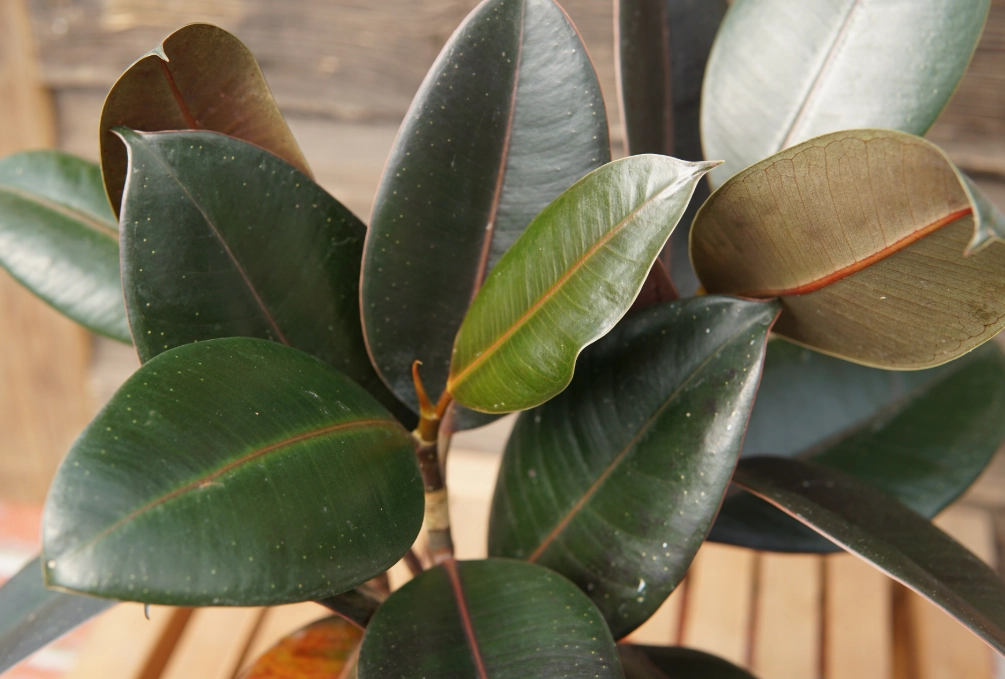
What is a Rubber Plant and Why is Everyone Obsessed?
Rubber plants, or Ficus elastica, are those glossy-leaved beauties you see in trendy cafes. They're not just pretty—they're air purifiers, according to NASA's Clean Air Study. I remember buying my first one from a local nursery; it was cheap and looked indestructible. But within months, leaves started dropping. That's when I learned: they have quirks.
Most people love them for their low maintenance rep, but that's a bit misleading. They're low maintenance if you know what you're doing. Otherwise, they'll silently suffer.
How to Care for Your Indoor Rubber Plant: A Step-by-Step Guide
Forget generic advice. Here's what works based on my decade of trial and error.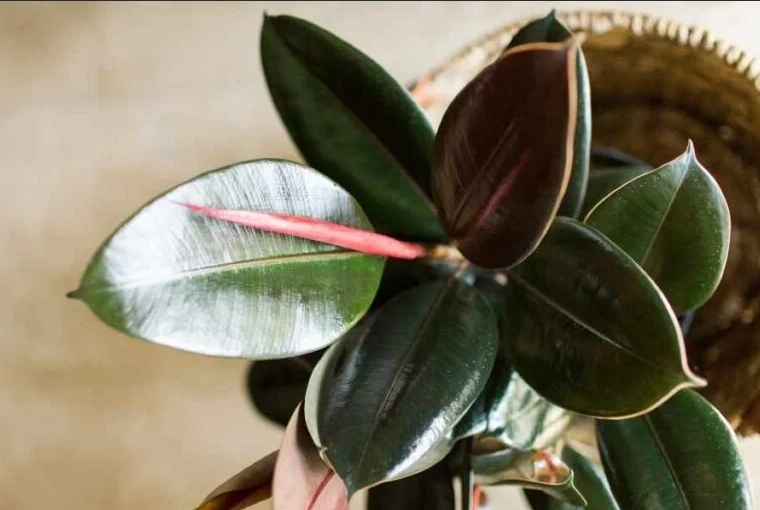
Light Requirements: Finding the Sweet Spot
Rubber plants need bright, indirect light. Think near an east-facing window. Direct sun burns leaves—I learned that the hard way when I placed one in a south-facing spot. The leaves got scorched marks.
If your home is dark, consider a grow light. I use a simple LED one for about 6 hours a day during winter. It makes a huge difference.
Watering Schedule: The Biggest Mistake
Overwatering is the killer. Stick your finger into the soil—if the top 2 inches are dry, water it. In my apartment, that means watering every 10 days in summer and every 3 weeks in winter. Yes, that infrequently.
Use room-temperature water. Cold water shocks the roots. I once used tap water straight from the fridge, and the plant went into shock for weeks.
Soil and Potting Mix Essentials
Don't skimp on soil. A well-draining mix is crucial. I mix potting soil with perlite and a bit of orchid bark. Repot every 2-3 years, or when roots poke out of drainage holes.
Pro Tip: Always use a pot with drainage holes. I've seen people use decorative pots without holes, and the plant drowns. If you love a pot without holes, double-pot it—place the plastic nursery pot inside.
Common Problems and How to Solve Them Fast
Here's a quick table based on issues I've dealt with:
| Problem | Likely Cause | Quick Fix |
|---|---|---|
| Yellow leaves | Overwatering or poor drainage | Let soil dry out, check roots |
| Brown leaf tips | Low humidity or fluoride in water | Mist leaves, use filtered water |
| Dropping leaves | Sudden change in light or temperature | Move back to original spot, be patient |
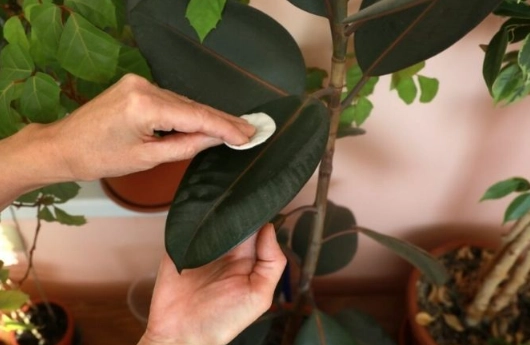
| Pests (like spider mites) | Dry air or infested new plants | Wipe leaves with soapy water, isolate plant |
Pests are rare, but I once brought home a new plant that had scale insects. It spread to my rubber plant. Took weeks of neem oil sprays to fix.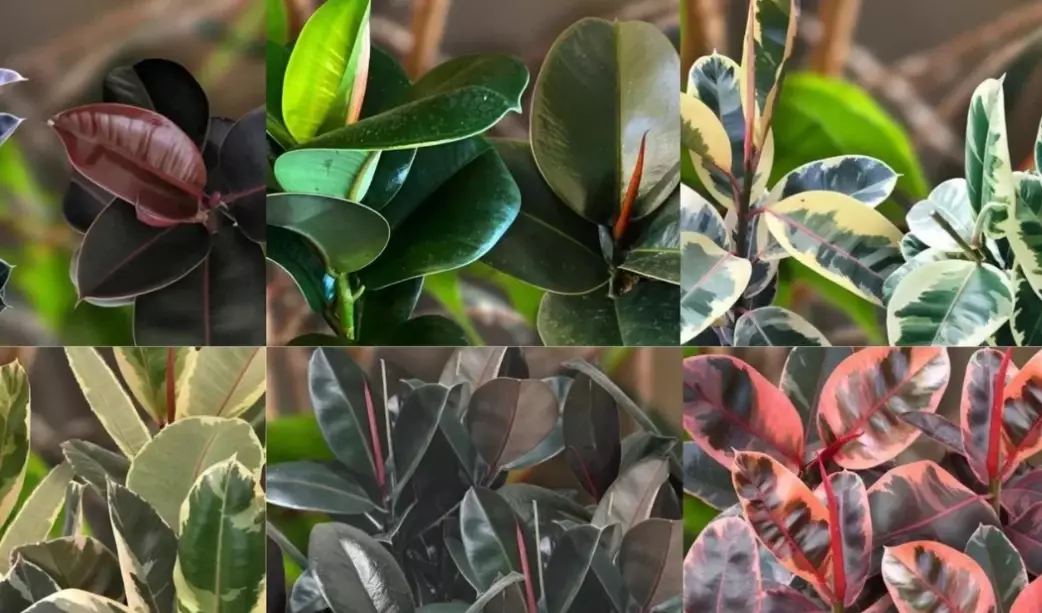
Expert Tips and Non-Consensus Advice
Most guides say rubber plants love humidity. Not entirely true. They adapt to average home humidity just fine. I live in a dry climate, and mine thrive without a humidifier. The key is avoiding drafts from heaters or AC.
Another thing: pruning. Many people are scared to cut their plant. But pruning encourages bushier growth. I prune mine every spring, cutting just above a leaf node. It looks ugly for a bit, then explodes with new leaves.
Fertilizing? Go light. I use a balanced liquid fertilizer diluted to half strength, once a month during growing season (spring to fall). In winter, skip it. Over-fertilizing causes salt buildup in soil.
Your Burning Questions Answered
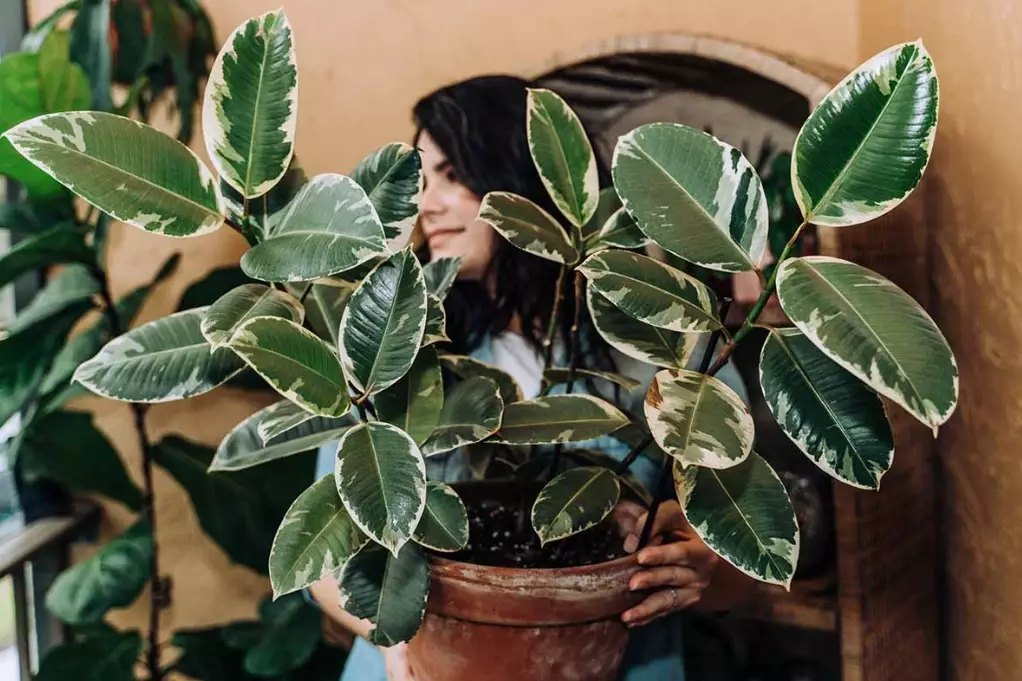 Rubber plants are more than decor; they're companions. Start with one, learn its rhythms, and soon you'll have a thriving green friend. If all else fails, remember: neglect is better than overcare. Good luck!
Comments