You probably have a sprig of rosemary in your spice rack right now. Maybe you toss it into a roast chicken or some roasted potatoes. That's a great start, but if that's all you're doing, you're barely scratching the surface of what this powerhouse plant can do. Rosemary uses extend far beyond flavoring food. For centuries, it's been a staple in medicine cabinets, beauty routines, and even home cleaning. I've been growing and experimenting with rosemary for over a decade, and the most common mistake I see? People treat it like a delicate annual. It's not. It's a tough, woody perennial that thrives on neglect more than care. Let's dive into the real, practical ways to use rosemary that go way beyond the recipe book.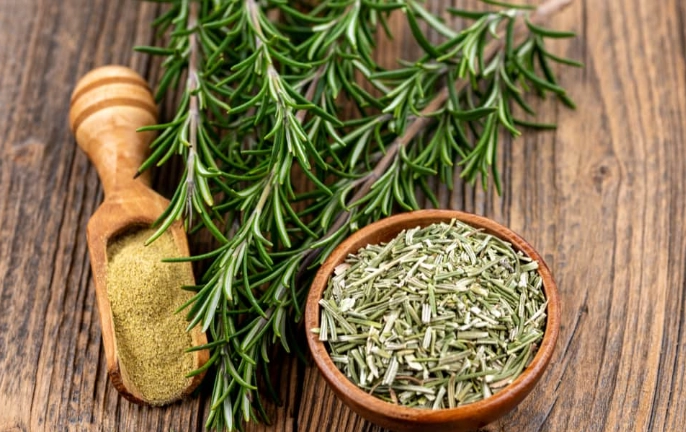
What's Inside: Your Guide to Rosemary
Culinary Uses: The Flavor Foundation
This is where most people know rosemary, but even here, there's room to level up. Fresh rosemary versus dried is a real debate. Fresh has a brighter, more piney-citrus note, while dried is more concentrated and earthy. I almost always prefer fresh for its vibrancy, but dried works beautifully in long, slow cooks where it has time to rehydrate and meld.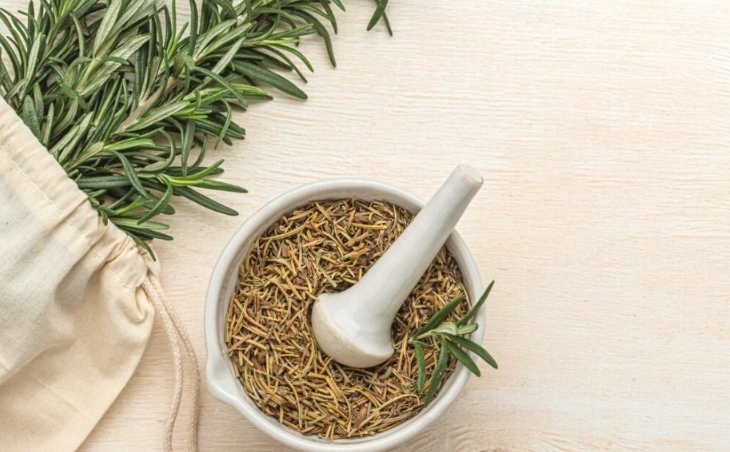
The trick is knowing how to use it. Whole sprigs are perfect for infusing flavor into oils, soups, and stews—you just fish them out later. For anything where you'll be eating the herb, you must strip the leaves from the woody stem and chop them finely. Those needles are tough.
Here are a few classic and not-so-classic pairings that work every time:
- Meat's Best Friend: Lamb, chicken, pork, and game. It cuts through richness.
- Vegetable Boost: Roasted root vegetables (potatoes, carrots, parsnips), mushrooms, and tomatoes.
- Bread & Baking: Focaccia is the famous one, but try adding a teaspoon of finely chopped rosemary to shortbread or scone dough.
- Infusions: This is where you get creative. Steep a sprig in olive oil for a week for cooking, or in honey for a unique sweetener for tea or cheese plates.
| Dish | Rosemary Form | Approximate Quantity | Pro Tip |
|---|---|---|---|
| Roast Chicken (4-5 lbs) | Fresh Sprigs | 3-4 sprigs | Stuff inside cavity with lemon halves and garlic. |
| Rosemary Focaccia | Fresh Leaves, chopped | 1.5 tablespoons | Press leaves into dimpled dough before baking for visual appeal. |
| Herbed Olive Oil (1 cup) | Fresh Sprig | 1 large sprig | Warm oil gently with rosemary, then cool and store. Use within 2 weeks. |
| Beef Stew (6 servings) | Dried or Fresh Sprig | 1 tsp dried or 1 fresh sprig | Add at the beginning of simmering for depth. |
My personal favorite quick use? Finely chop a teaspoon of rosemary, mix it with softened butter, a pinch of salt, and smear it under the skin of a chicken before roasting. It makes the kitchen smell incredible and flavors the meat from the inside out.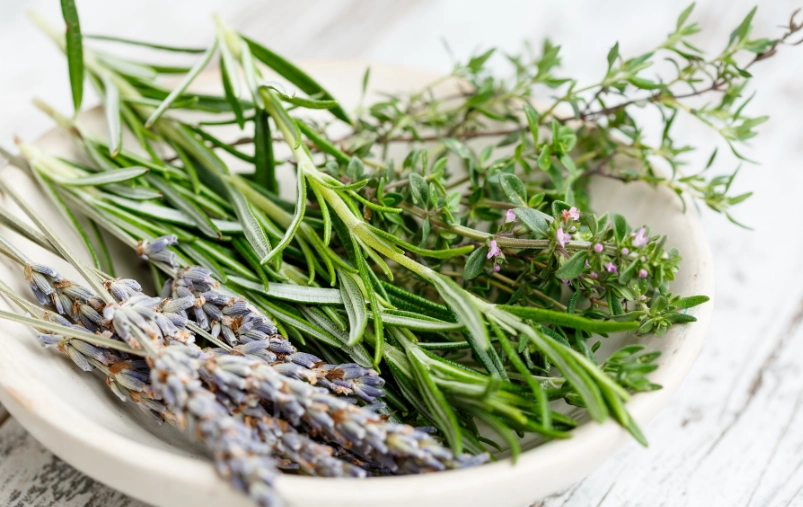
Health & Wellness Benefits
Now we move beyond the kitchen. Rosemary has a long history in traditional medicine, and modern science is starting to back some of it up. The key compounds are rosmarinic acid and antioxidants, which are thought to be responsible for many of its effects.
Memory and Concentration: This is the most famous folk use—"rosemary for remembrance." A study published in Therapeutic Advances in Psychopharmacology found that the scent of rosemary oil can improve cognitive performance. I keep a small bottle on my desk. A quick sniff when I hit a mental block often helps more than another cup of coffee.
Anti-Inflammatory & Circulation: Rosmarinic acid has anti-inflammatory properties. This is why rosemary tea or infused oil is sometimes used topically for mild muscle aches or joint discomfort. A warm bath with a few sprigs tied in a muslin bag can be wonderfully soothing.
Important Note: I'm not a doctor. This is informational, not medical advice. Rosemary is generally safe in culinary amounts, but concentrated supplements or essential oils should be used with caution and after consulting a healthcare professional, especially if pregnant, nursing, or on medication.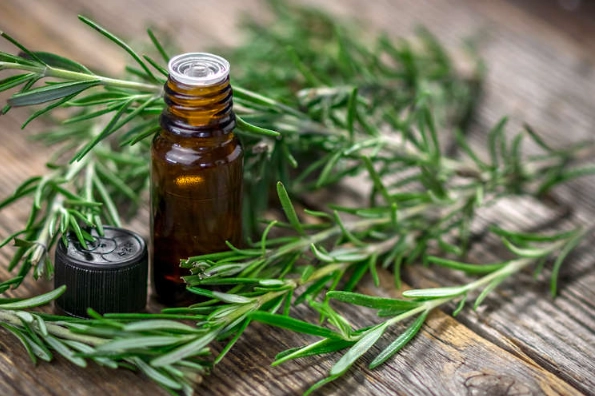
Hair and Scalp Health: This is a huge user search area. Rosemary oil is massively popular for hair growth. A 2015 study compared rosemary oil to minoxidil (Rogaine) for treating hair loss and found it to be similarly effective after six months, with less scalp itching. The theory is it improves circulation to the follicles.
How to use it safely? Never apply pure essential oil directly. Mix 3-5 drops with a tablespoon of a carrier oil like jojoba or coconut oil. Massage into your scalp for 5-10 minutes, then leave on for at least 30 minutes (or overnight) before washing out. Do this 1-2 times a week. I've done this for years, and while it won't regrow a receding hairline, my hair feels thicker and my scalp healthier.
Home, Garden & Practical Uses
This is the fun, offbeat stuff. Rosemary is a natural antimicrobial and smells fantastic, making it perfect for DIY home solutions.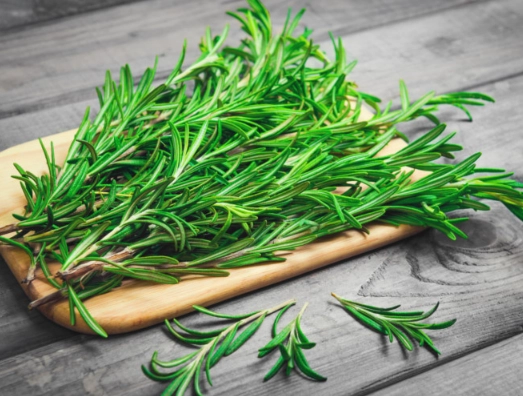
Natural Cleaning
Simmer a handful of rosemary sprigs in a pot of water with citrus peels (orange or lemon). The steam cleans the air naturally—far better than synthetic air fresheners. You can also make a simple all-purpose cleaner: steep a cup of fresh rosemary in 2 cups of hot white vinegar for a week. Strain, dilute with 2 cups of water, and use in a spray bottle. It cuts grease and smells herby, not purely of vinegar.
Garden Companion
Plant rosemary near beans, cabbage, and carrots. Its strong scent can help deter certain pests like carrot flies and cabbage moths. It's not a magic forcefield, but it helps as part of a diverse garden strategy.
Simple Fragrance
Tie a bunch of sprigs with twine and hang it in your shower. The steam releases the essential oils for an invigorating, spa-like aroma. It lasts for a few showers.
Growing & Harvesting Your Own
To have a constant supply, you need to grow it. The good news? Rosemary is one of the easiest herbs to grow if you get one thing right: drainage. It hates wet feet. That's the number one killer—overwatering.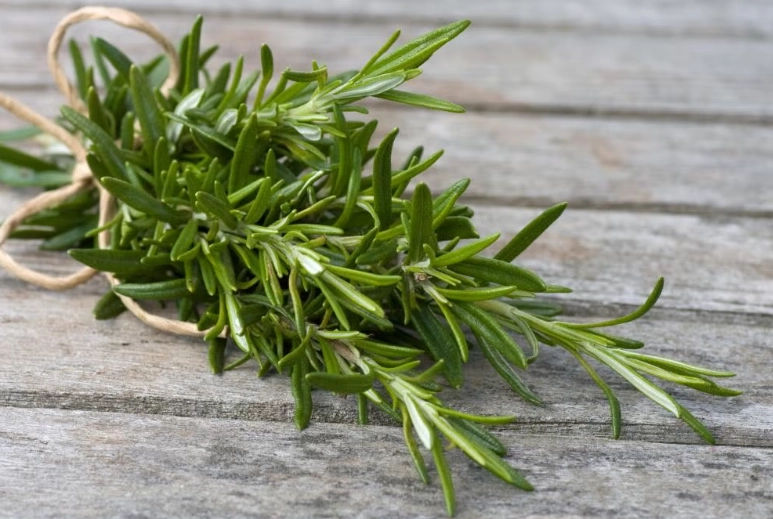
Planting: Buy a small plant from a nursery. It's easier than seeds. Plant it in full sun, in the ground or a pot. If using a pot, ensure it has massive drainage holes and use a gritty, cactus/succulent mix, not regular potting soil. I mix potting soil with 30% perlite or coarse sand.
Watering: This is critical. Let the soil dry out completely between waterings. Stick your finger in the soil. If it's dry an inch down, water deeply. If it's damp, wait. In winter, watering might be once a month.
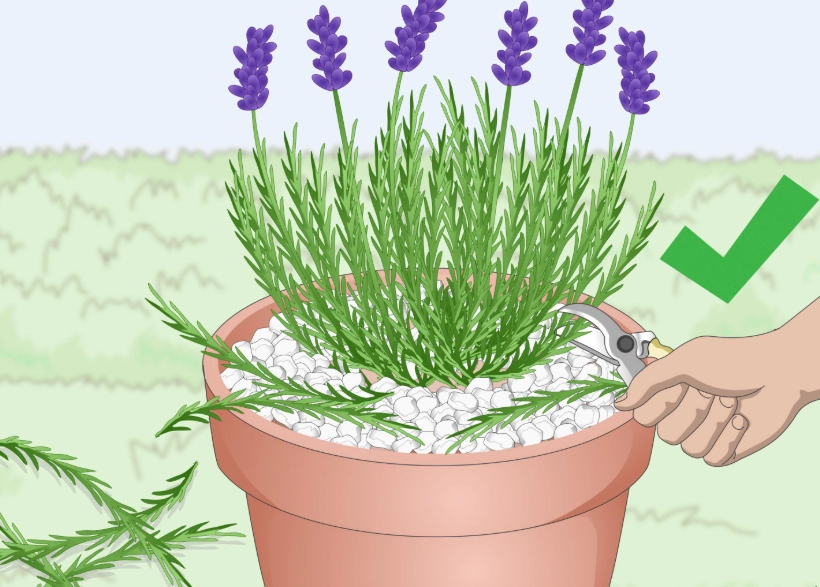
Harvesting: You can harvest lightly year-round. For a big harvest, take cuttings in the morning after the dew has dried. Use sharp scissors and cut stems that are at least 6 inches long, cutting just above a set of leaves to encourage bushier growth.
Common Mistakes & Expert Tips
After a decade, you see patterns. Here’s what most people get wrong.
Mistake 1: Treating it like basil. Rosemary is a Mediterranean shrub. It wants sun, heat, and dry soil. Don't baby it with daily water.
Mistake 2: Not using the stems. Those woody stems are gold for skewers. Strip the leaves for cooking, then use the stem to skewer shrimp, chunks of meat, or vegetables for grilling. They infuse a subtle flavor.
Mistake 3: Storing fresh rosemary in a plastic bag. It gets slimy. Wrap it loosely in a slightly damp paper towel and put it in a container in the fridge. Or, stand the stems in a glass of water like flowers on the counter for a week.
My top tip for flavor: To get the most out of rosemary in cooking, especially if using dried, crush it between your fingers or give it a quick chop right before adding it. This ruptures the oil glands and releases the volatile aromatics that carry the flavor and health benefits.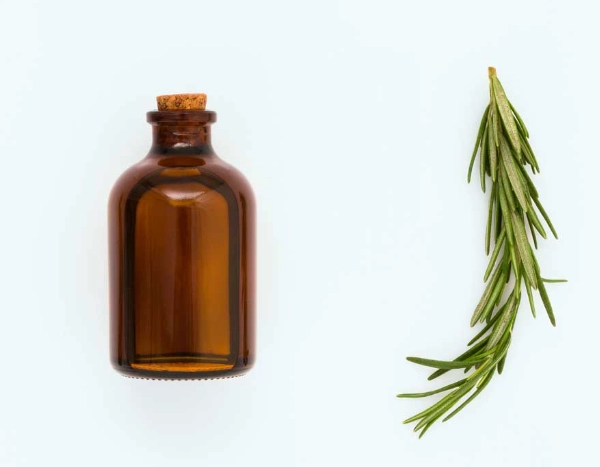
Your Rosemary Questions Answered
Can rosemary oil really make my hair grow faster?
The evidence is promising for certain types of hair loss, like androgenetic alopecia. It appears to work by improving blood flow to the scalp and potentially reducing inflammation around hair follicles. "Faster" might not be the right word—it's more about supporting healthier growth and reducing shedding over time. Consistency is key; think in terms of 4-6 months of regular use, not weeks. And always dilute it.
What's the best way to dry rosemary at home?
Bunch 5-6 stems together, tie the ends with string, and hang them upside down in a warm, dry, dark place with good air circulation (like a pantry or closet). It should be crisp and dry in 1-2 weeks. The microwave or oven method often cooks the oils away, ruining the flavor. Hanging preserves the essential oils best.
My potted rosemary keeps dying. What am I doing wrong?
Nine times out of ten, it's overwatering and poor drainage. Check your pot. Does it have a single small hole? That's a death sentence. Repot into a terracotta pot with several large holes, using a very gritty, fast-draining soil mix. Water only when the soil is bone dry. The other common issue is not enough light—it needs a minimum of 6 hours of direct sun.
Is it safe to use rosemary during pregnancy?
Using rosemary as a seasoning in food is generally considered safe. However, you should avoid medicinal amounts—like concentrated rosemary tea, supplements, or undiluted essential oil. These can be stimulating and may affect blood pressure. When in doubt about any herb during pregnancy, the safest course is to stick to culinary use and consult your doctor or midwife.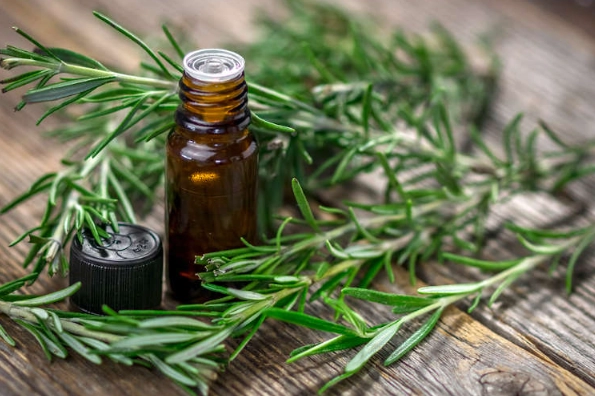
Can I use rosemary stems for anything besides skewers?
Absolutely. Toss a few cleaned stems directly onto the hot coals of your grill—they create an aromatic smoke that flavors whatever you're cooking. You can also use them as a natural brush for applying marinades or oils to meat on the grill. They're surprisingly sturdy.
Rosemary is far more than a one-note herb. It's a resilient plant, a kitchen workhorse, a historical remedy, and a natural home helper. Start with one new use outside your comfort zone—maybe a scalp treatment or a homemade cleaner. Once you experience its versatility, you'll never look at that sprig in your spice rack the same way again.



Comments