I killed my first sweetheart hoya. It's true. I overwatered it, stuck it in a dark corner, and wondered why those heart-shaped leaves turned yellow and dropped off. If you're here, you probably want to avoid that mess. Sweetheart hoya, or Hoya kerrii, isn't just a cute plant—it's a resilient succulent that can thrive for decades with the right know-how. Let's cut through the generic advice and dive into what actually works, based on my years of growing these plants in everything from sunny apartments to dim offices.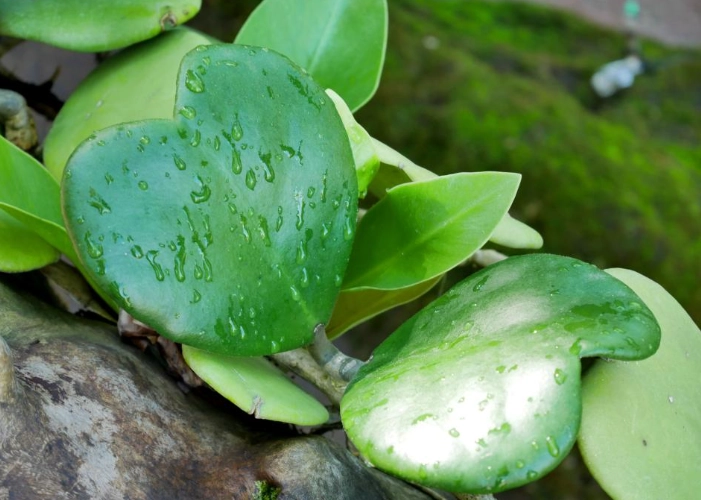
What You'll Find in This Guide
What Exactly is a Sweetheart Hoya?
Sweetheart hoya refers to Hoya kerrii, a vining succulent native to Southeast Asia. Its claim to fame? Those thick, heart-shaped leaves that make it a popular gift (especially around Valentine's Day). But here's a nuance most blogs miss: the single-leaf cuttings you often see sold in pots are mostly for show. They might root, but they rarely grow into a full vine unless you have a stem cutting with a node. I learned this the hard way after buying three "heart plants" that just sat there for years. For a plant that actually trails and flowers, look for cuttings with at least one node—that's the bump where leaves and roots emerge.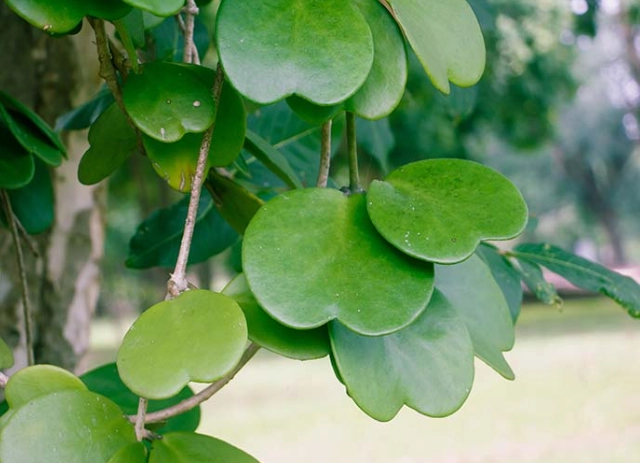
The plant belongs to the Apocynaceae family, related to milkweed. It's epiphytic in the wild, meaning it grows on trees, not in soil. That tells you a lot about its needs: excellent drainage, bright indirect light, and airy roots. There are variegated forms too, with cream or yellow edges, but they're slower growing and need more light. If you start with a variegated sweetheart hoya, don't panic if it seems stagnant; it's normal.
The Non-Negotiables: Sweetheart Hoya Care Basics
Get these right, and your sweetheart hoya will forgive the occasional slip-up. I've seen plants bounce back from near-death experiences when the basics are in place.
Light: Where to Place Your Plant
Bright, indirect light is king. Think near an east or west-facing window where it gets a few hours of gentle morning or afternoon sun. Direct midday sun can scorch the leaves—I've got a leaf with a permanent tan spot to prove it. But low light? That's a slow death sentence. The plant might survive, but it won't grow or flower. If your space is dim, consider a grow light. LED panels are affordable now; I use one for my hoyas in a north-facing room, and they've put out new leaves every month.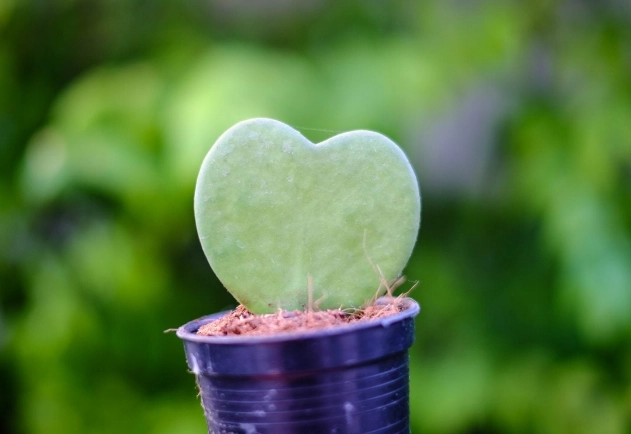
Watering: The Biggest Mistake Beginners Make
Overwatering. It's the killer. Sweetheart hoya stores water in its leaves, so it's drought-tolerant. Wait until the soil is completely dry, then soak it thoroughly. How dry? Stick your finger in the soil up to the second knuckle—if it feels dry, water. In winter, I water mine maybe once a month. A common error is watering on a schedule. Don't. Your plant's thirst depends on light, temperature, and pot size. I use terracotta pots because they wick away moisture, reducing rot risk.
Soil and Potting: Getting the Foundation Right
Use a well-draining mix. I blend equal parts cactus soil, perlite, and orchid bark. The orchid bark mimics its natural epiphytic habitat. Repot only when root-bound, every 2-3 years. Sweetheart hoya likes to be snug in its pot; too much space holds excess moisture. When repotting, choose a pot only 1-2 inches larger in diameter. And always, always use a pot with drainage holes. I've tried decorative pots without holes, and it led to root rot within weeks.
Temperature and Humidity: Mimicking the Tropics
Keep temperatures between 60-85°F (15-29°C). It can tolerate dips to 50°F (10°C), but avoid drafts from windows or AC units. Humidity isn't critical—average home humidity (30-50%) is fine. But if you want faster growth, aim for 50-60%. I group my hoyas together or use a pebble tray. Misting? It doesn't hurt, but it's not a substitute for proper humidity. In dry climates, just ensure good air circulation to prevent fungal issues.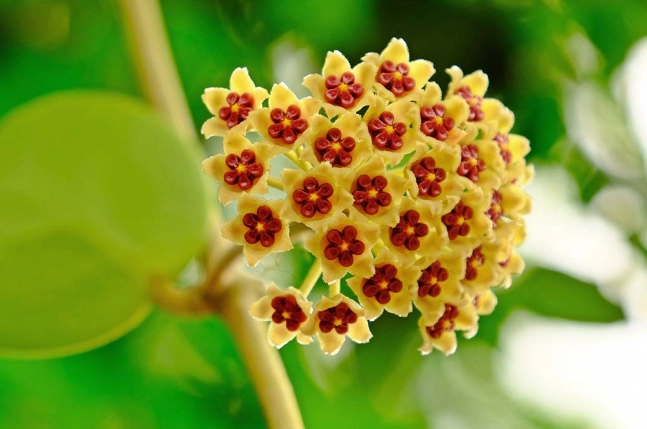
Beyond Basics: Advanced Tips for a Lush Plant
Once your sweetheart hoya is stable, these tips can boost growth and even encourage flowers.
Fertilizing: When and How Much
During the growing season (spring to summer), feed with a balanced, water-soluble fertilizer diluted to half strength, every 4-6 weeks. I use a 10-10-10 formula. Over-fertilizing causes salt buildup—you'll see white crust on the soil. Flush the soil with water every few months to prevent this. In fall and winter, stop fertilizing; the plant is resting. A trick I learned from a hoya collector: add a pinch of worm castings to the topsoil in spring for a slow-release nutrient boost.
Pruning and Training: Encouraging Growth
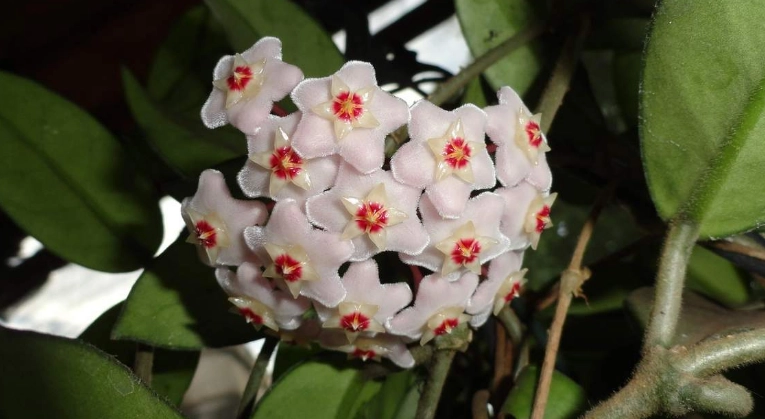
Prune sparingly. Cut back leggy vines just above a leaf node to promote bushier growth. You can train the vines on a trellis or let them hang. I've mine on a small hoop, and it's created a dense, heart-shaped display. Don't remove the long tendrils that appear—they're where flowers might form. Flowers are clusters of star-shaped blooms with a sweet scent, but they can take years to appear. Patience is key.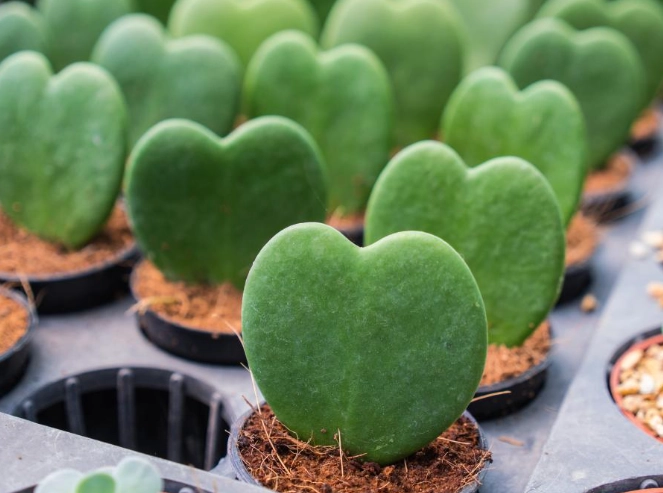
Troubleshooting Common Sweetheart Hoya Problems
Here's a quick table to diagnose issues. I've faced most of these, and early action saves plants.
| Problem | Likely Cause | Solution |
|---|---|---|
| Yellow leaves | Overwatering, poor drainage | Let soil dry completely, check roots for rot, repot if needed. |
| Brown leaf tips | Low humidity, fertilizer burn | Increase humidity, flush soil, reduce fertilizing. |
| No new growth | Insufficient light, dormant period | Move to brighter spot, ensure warm temperatures. |
| Leaves dropping | Sudden temperature change, underwatering | Stabilize environment, water when soil is dry. |
| Pests (mealybugs, spider mites) | Poor air circulation, stress | Wipe with alcohol-soaked cotton, use insecticidal soap. |
Root rot is sneaky. If the plant feels wobbly or leaves are mushy, unpot it, trim black roots, and repot in fresh soil. I saved a hoya this way, but it lost half its leaves. It recovered slowly over a year.
How to Propagate Your Sweetheart Hoya
Propagation is rewarding and easy. Here's my method, tested on dozens of cuttings.
Step 1: Choose a cutting. Take a stem cutting with at least two nodes and a few leaves. Avoid single-leaf cuttings unless you're okay with a decorative piece that might not grow.
Step 2: Let it callus. Allow the cut end to dry for a day or two. This prevents rot when planting.
Step 3: Rooting medium. You can root in water or soil. I prefer soil for faster adaptation. Use a mix of perlite and peat, keep it lightly moist.
Step 4: Patience. Roots appear in 2-6 weeks. Keep in bright, indirect light. Don't tug on it to check—just wait.
Once rooted, treat it like a mature plant. Propagation in spring or summer has the highest success rate. I've given propagated sweetheart hoyas as gifts, and they're always a hit.
Your Sweetheart Hoya Questions Answered
Sweetheart hoya is more than a trend—it's a resilient friend that teaches patience. Start with the basics, avoid overwatering, and give it light. You'll have a thriving plant that might outlive your interest in it. I've seen hoyas passed down generations, each heart leaf a reminder of care well given.
Comments