Quick Guide
Let's be honest. You probably picked up that rubber plant because it looked indestructible in the store. Those big, glossy leaves promised a touch of the jungle without the fuss. Then you got it home, and maybe things got a little... crispy. A yellow leaf here, a droopy stem there. I've been there too. My first Ficus elastica (that's the fancy botanical name) shed leaves like it was getting paid for it. I almost gave up.
But here's the thing – rubber plants are actually pretty tough cookies once you crack their code. They're not needy divas; they just have a few simple, non-negotiable rules. This guide is everything I wish I'd known back then, boiled down from years of trial, error, and conversations with much smarter plant people. We're going to move past just keeping it alive and figure out how to make your rubber tree plant truly flourish.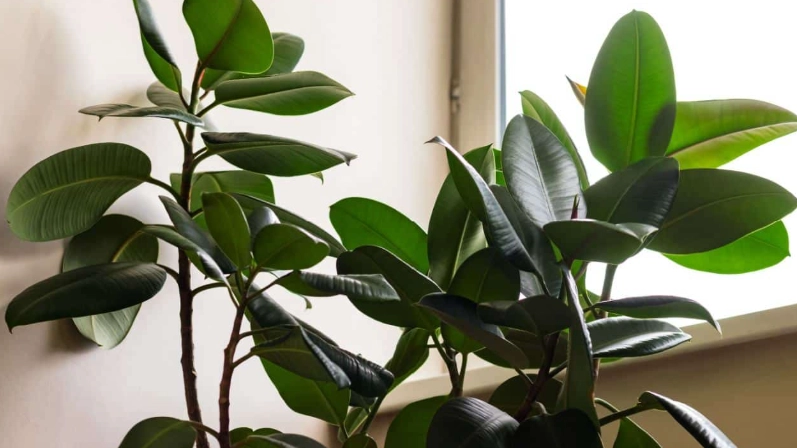
Quick Reality Check: The rubber plant, Ficus elastica, is native to parts of India and Malaysia. While it was once cultivated for latex (hence the name), today it's purely an ornamental superstar. It's a member of the fig family, which explains its sometimes dramatic attitude towards change.
More Than Just the Green One: Picking Your Rubber Plant Personality
Walking into a nursery and just grabbing the first green rubber plant you see is a missed opportunity. The variety is half the fun. The classic is great, but some of the cultivars are show-stoppers that solve common interior design problems, like brightening up a dark corner.
I'm a sucker for the variegated types myself. They add such a lively pattern to a room. But they do need a bit more light, so it's a trade-off.
| Variety Name | Leaf Color & Pattern | Light Needs | Growth Speed | Why You Might Love It |
|---|---|---|---|---|
| Ficus elastica 'Decora' | Deep green, broad leaves with a prominent red sheath on new growth. | Medium to Bright Indirect | Fast | The classic, robust look. Tolerates lower light better than most. |
| Ficus elastica 'Burgundy' or 'Abidjan' | Stunning deep burgundy, almost blackish-green. New leaves are a bright red. | Medium to Bright Indirect | Moderate | Adds incredible dark, dramatic depth. The color is unreal in person. |
| Ficus elastica 'Tineke' | Variegated cream, white, and green patches. Pinkish tinge on new growth. | Bright Indirect (a must) | Slow to Moderate | The ultimate trendy plant. Each leaf is a unique work of art. |
| Ficus elastica 'Ruby' | Similar to 'Tineke' but with much more prominent pink and rose tones. | Bright Indirect (critical) | Slow | If you love pink. It's a real conversation starter, but needs good light to keep its color. |
| Ficus elastica 'Robusta' | Very large, rounded, deep green leaves. Bushier growth habit. | Low to Medium Indirect | Fast | Great for filling space. Known for being particularly tough and forgiving. |
See what I mean? If your room is north-facing, 'Robusta' or 'Decora' might be your best buddies. If you have a bright spot screaming for a centerpiece, 'Tineke' will reward you. Choosing the right one sets you up for success from day one.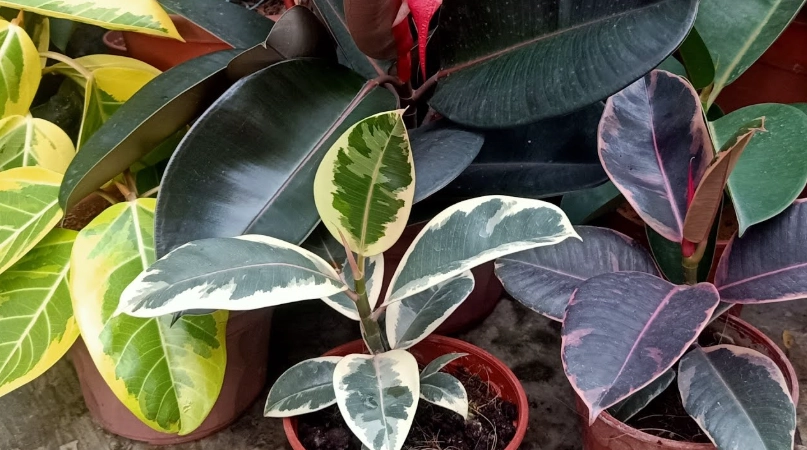
The Complete Rubber Plant Care Playbook (No Fluff)
Okay, you've got your plant. Now what? Let's break down the core needs. Think of this as the plant's manual, but translated from "plant-ish" into plain English.
Light: The Number One Make-or-Break Factor
This is where most people slip up. "Low light tolerant" is a label that sells plants but sets unrealistic expectations. Yes, a rubber plant won't immediately die in a dim corner, but it will enter a state of suspended animation – no new growth, leggy stems reaching for light, and a slow decline.
The sweet spot? Bright, indirect light. What does that even mean? Imagine a spot where the sun never directly touches the leaves, but the room is filled with bright, ambient light all day. An east-facing window is perfect. A few feet back from a south or west window (behind a sheer curtain) is also golden.
Watch Out: Direct, hot afternoon sun will scorch those beautiful leaves, leaving ugly brown, crispy patches. On the flip side, deep shade will cause leaf drop and extremely slow growth. Variegated types like 'Tineke' will revert to plain green if the light is too low – their way of trying to be more efficient at photosynthesis.
I rotate my main rubber plant a quarter turn every time I water it. It's a simple trick that prevents it from leaning dramatically towards the light and growing lopsided.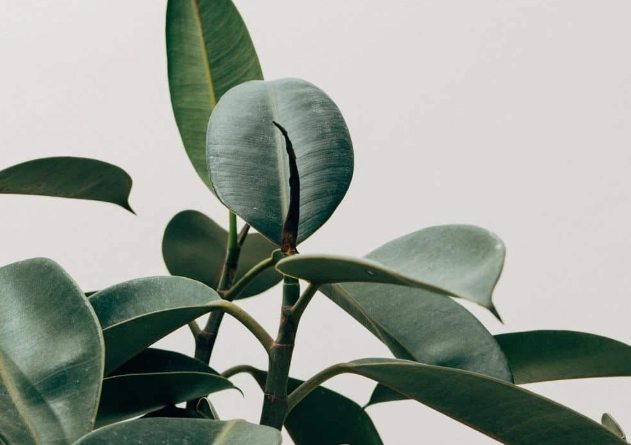
Watering: The Art of the Soak and Dry
Overwatering is the fastest way to kill a rubber tree plant. Their roots need to breathe. The goal is to mimic a tropical downpour followed by a period where the soil can dry out.
Here’s my foolproof method:
- Check the soil. Don't water on a schedule. Stick your finger about 2 inches into the potting mix. Is it dry? Really dry? Good. If it's still damp, walk away.
- Soak it thoroughly. Take the plant to the sink or use a watering can without a rose. Pour water evenly over the soil until it runs freely out of the drainage holes. This is crucial. It ensures the entire root ball gets wet.
- Let it drain completely. Never let it sit in a saucer of water. Empty the cache pot or saucer after 15-20 minutes. Soggy bottoms lead to root rot.
In summer, this might be every 7-10 days. In winter, it could stretch to every 3-4 weeks. Your plant and your home's environment will tell you.
See a leaf turning yellow and soft, starting from the bottom? That's often overwatering. A leaf turning brown and crispy at the edges? Underwatering or low humidity.
Soil and Potting: Giving the Roots a Good Home
You can't expect a plant to thrive in soggy, dense soil. A rubber plant needs a mix that is well-aerated and drains quickly, but still retains some moisture.
A great basic recipe is: 2 parts high-quality all-purpose potting mix + 1 part perlite or pumice + 1 part orchid bark. The perlite adds aeration, the bark creates air pockets and improves drainage. This mix prevents compaction and gives the roots the oxygen they crave.
When repotting (only every 2-3 years, or when roots circle the bottom), only go up one pot size (about 2 inches wider in diameter). A pot that's too large holds too much wet soil for the roots to use, inviting rot.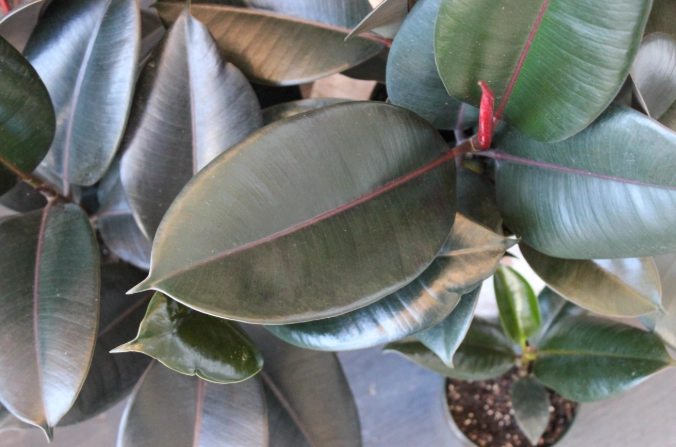
Food, Humidity, and Temperature
Fertilizer: During the active growing season (spring and summer), feed your rubber plant once a month with a balanced, water-soluble fertilizer (look for something like a 10-10-10 or 20-20-20), but diluted to half the recommended strength. Less is more. In fall and winter, stop feeding entirely. The plant is resting.
Humidity: They appreciate it, but it's not a dealbreaker like it is for some ferns. Average home humidity (around 40-50%) is usually fine. If your air is very dry (winter heating), you might see some brown leaf tips. Grouping plants together, using a pebble tray, or a small humidifier nearby can help. Misting? Honestly, I find it does very little except temporarily wet the leaves and can promote fungal issues if overdone.
Temperature: Keep it cozy. They like the same temperatures you do – between 60°F (15°C) and 80°F (27°C). Avoid cold drafts from windows or doors in winter, and keep them away from hot air vents and radiators, which desiccate the air and the plant.
Pro Tip for Shine: Those big leaves collect dust, which blocks light. Wipe them down gently every few weeks with a soft, damp cloth. You can use a tiny bit of diluted mild soap (like castile) for stubborn grime. Avoid leaf shine products – they can clog the pores (stomata). The natural shine on a healthy rubber plant leaf is unbeatable.
When Things Go Wrong: Rubber Plant Problem Clinic
Don't panic when you see a problem leaf. It's your plant's way of texting you. Here’s how to decode the message.
Yellow Leaves
The Usual Suspect: Overwatering. Check the soil. If it's soggy, let it dry out deeply before watering again. Ensure the pot drains. If multiple leaves are yellowing rapidly, you might need to check for root rot (dark, mushy roots).
Other Causes: A sudden draft, a drastic change in light, or natural aging (older, lower leaves will occasionally yellow and drop).
Brown, Crispy Leaf Edges or Tips
Likely Culprits: Underwatering (letting the soil get bone dry for too long) or very low humidity. It can also be a sign of fertilizer burn if you've overfed it.
Dropping Leaves Like Crazy
This is the rubber plant's signature drama move. It hates change. Did you just bring it home? Move it to a new spot? Turn on the heater? It's likely throwing a tantrum. Solution: Find a good spot with consistent light and temperature and leave it alone. Stop moving it! It will usually stabilize and put out new growth once it acclimates.
Leggy Growth with Large Gaps Between Leaves
This is a desperate plea for more light. The plant is stretching to find a sunbeam. Move it to a brighter location (gradually, to avoid sunburn).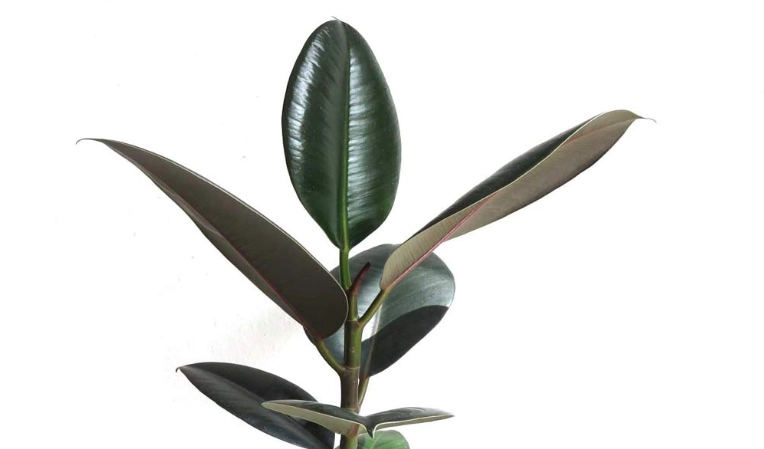
Pests (The Uninvited Guests)
Rubber plants can occasionally get scale (little brown bumps on stems/leaves) or spider mites (fine webbing, stippled leaves).
My first line of defense: Isolate the plant. Wipe down every leaf and stem with a cloth dipped in a solution of mild soap and water (1 tsp soap per liter of water). For persistent issues, insecticidal soap or neem oil (follow label instructions) works well. Regular leaf wiping is great prevention.
Leveling Up: Pruning, Shaping, and Making More Plants
Once your rubber plant care is on point and it's growing well, you can start playing with its shape.
Pruning to Encourage Bushiness: Rubber plants naturally want to grow tall and single-stemmed. To make it bushier, you can pinch or cut off the top growing tip (apical meristem). This signals the plant to send out new side shoots from lower nodes. Do this in spring or early summer for best results. Use clean, sharp pruners.
Propagation (Making Baby Rubber Plants): This is incredibly rewarding. The easiest method is stem cuttings.
- Cut a piece of stem about 6-8 inches long, with a few leaves on it.
- Let the cut end callous over for an hour or two (this helps prevent rot).
- Place the cutting in a glass of water, ensuring no leaves are submerged. Or, plant it directly in a small pot with moist potting mix.
- Put it in bright, indirect light. Change the water weekly if using water propagation.
- In a few weeks to a couple of months, you'll see roots! Once they're a few inches long, pot it up. You've just cloned your plant.
It's a fantastic way to share your plant with friends or create a fuller pot by planting multiple rooted cuttings together.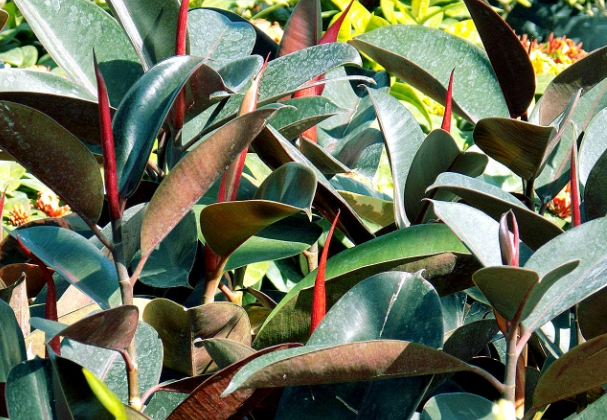
Your Rubber Plant Questions, Answered
Look, the journey with a rubber plant is a marathon, not a sprint. There will be good leaves and bad leaves. The key is observation. Pay attention to what it's telling you. That glossy, architectural beauty you admired in the magazine is absolutely within reach. Start with the right light, master the watering, and be patient. Before you know it, you'll have a towering, leafy companion that makes your space feel alive. And honestly, there's nothing quite like the satisfaction of seeing a brand new, tightly furled red sheath emerge, knowing you're the reason it's happening. Happy growing!

Comments