You picked up a peperomia because everyone said it was easy. "It's a beginner plant," they told you. "Just ignore it and it'll be fine." But now the leaves are getting soft, or maybe they're curling at the edges, and you're not sure what you're doing wrong. I've been there. I've killed my share of peperomias by following that overly simplistic advice. The truth is, these plants are generally low-maintenance, but they have specific, quiet preferences that most generic care guides gloss over. Getting them right is the difference between a plant that merely survives and one that actively pushes out new, perfect leaves every few weeks. This guide cuts through the vague advice and gives you the actionable, specific details you need.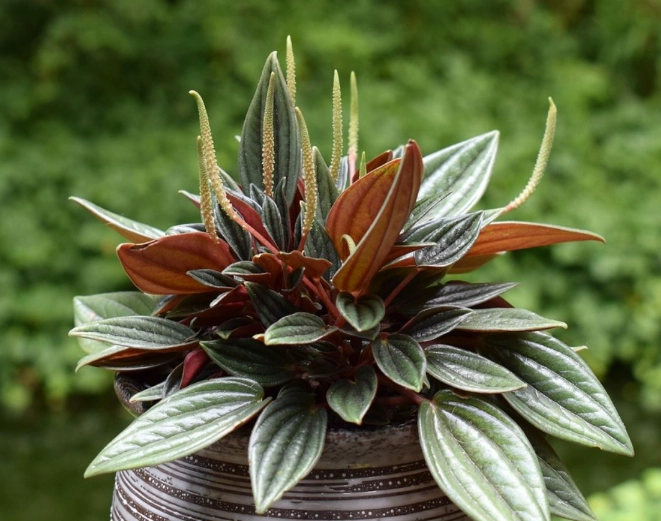
What's Inside This Guide
- What Makes Peperomia So Special?
- The Single Biggest Mistake: Overwatering
- A Practical Peperomia Care Routine
- Choosing Your Perfect Peperomia: A Comparison of Popular Varieties
- Step-by-Step: How to Propagate Peperomia Successfully
- Troubleshooting Common Peperomia Problems
- Your Top Peperomia Questions, Answered
What Makes Peperomia So Special?
Peperomias aren't your dramatic, high-need divas. They're the quiet, interesting friend in your plant collection. Part of the Piperaceae family (the pepper family), they're often called "Radiator Plants" because they appreciate the warm, dry air near old-fashioned heaters. What I love most is their incredible variety. You can have one that looks like a tiny watermelon (Peperomia argyreia), another that trails like a lush green necklace (P. prostrata), or one with deep, corrugated leaves that feel like wrinkled leather (P. caperata).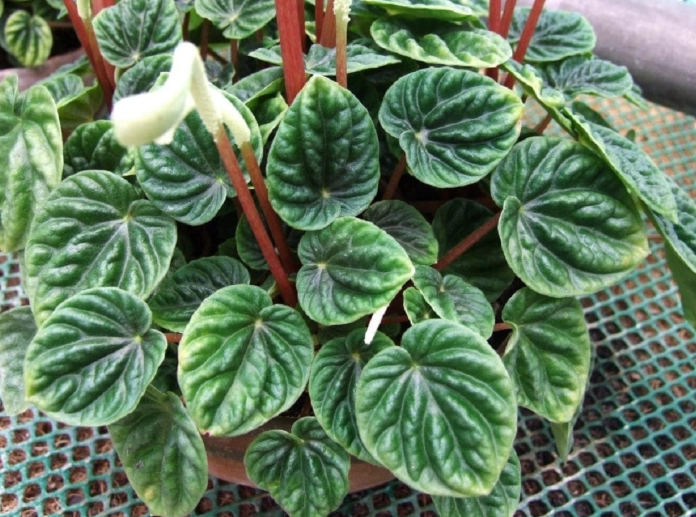
They're also champions of low to medium light. That shady corner on your desk that kills most other plants? A peperomia might just thrive there. Plus, they're non-toxic to cats and dogs, which is a huge relief for pet owners. The American Society for the Prevention of Cruelty to Animals (ASPCA) lists them as pet-safe, giving you one less thing to worry about.
The Single Biggest Mistake: Overwatering
If I had to point to one reason most peperomias die, it's this. It's not neglect—it's love. We water them like we water our pothos or our ferns, and that's a death sentence. Their succulent-like leaves and stems store water. Their root systems are often fine and delicate. They hate wet feet.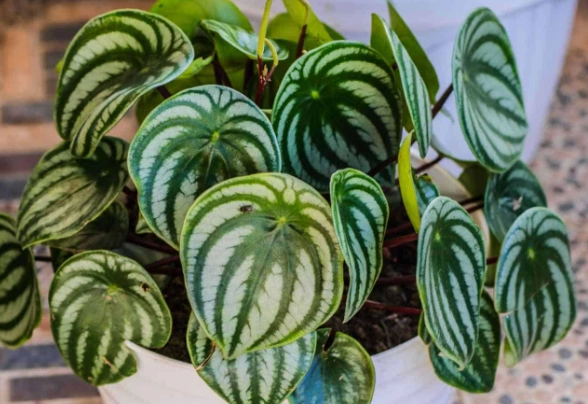
Here's the subtle mistake almost everyone makes: they water on a schedule. "Every Sunday," you think. But your plant's thirst depends on the light, the season, the humidity in your home. Watering on a calendar is like eating lunch at noon every day whether you're hungry or not. It doesn't make sense.
The fix isn't complicated, but it requires a shift in habit. You need to check the soil. Don't just poke the surface. Stick your finger about two inches down. For most peperomias, you should let the top 50-75% of the soil dry out completely before even thinking about the watering can. In winter, that might mean watering only once every three or four weeks.
A Practical Peperomia Care Routine
Let's break down care into the four key elements: light, water, soil, and food. Forget the fluff; here's what you actually need to do.
Light: Bright but Not Direct
Think of the light under a tree canopy—dappled and bright, but without the harsh, scorching rays of direct afternoon sun. An east-facing window is perfect. A north window works for many varieties. A south or west window is fine if you pull the plant back a few feet or use a sheer curtain as a filter. If the leaves start to fade or the plant stretches out leggy, it's asking for more light.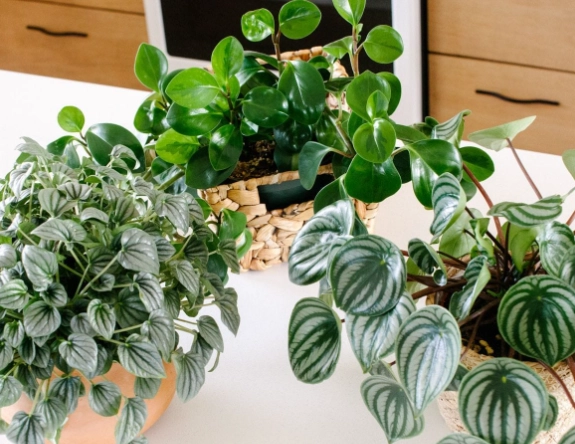
Watering: The Soak and Dry Method
When that soil is dry deep down, water thoroughly. Take the plant to the sink and pour water evenly over the soil until it runs freely out of the drainage holes. Let it drain completely. Never let it sit in a saucer of water. This deep watering encourages roots to grow downward, making a stronger plant. Then, walk away and forget about it until it's dry again.
Soil and Pot: The Foundation
This is critical. Regular potting soil holds too much moisture. You need a mix that drains incredibly fast. I use a simple recipe: two parts regular potting mix, one part perlite, and one part orchid bark or coarse sand. The perlite creates air pockets, and the bark improves drainage. As for the pot, always, always use one with a drainage hole. Terracotta pots are excellent because they wick moisture away from the soil.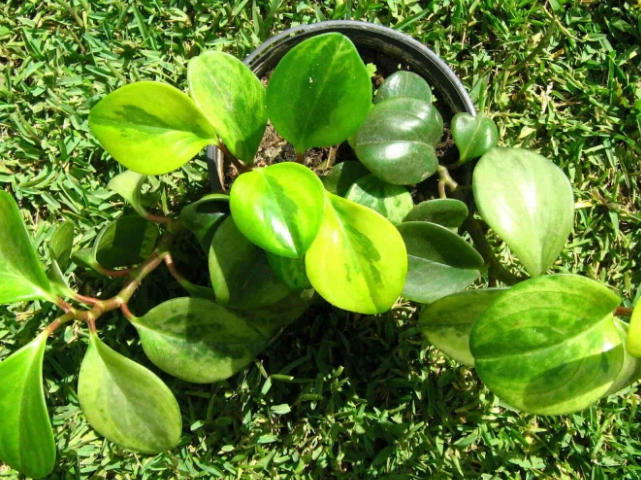
Fertilizer: Less is More
During the growing season (spring and summer), feed your peperomia once a month with a balanced, water-soluble fertilizer diluted to half the recommended strength. In fall and winter, stop fertilizing completely. These aren't heavy feeders, and too much fertilizer can burn their roots and cause leaf tip burn.
Choosing Your Perfect Peperomia: A Comparison of Popular Varieties
Not all peperomias are the same. Picking one that matches your environment and style is half the battle. Here’s a quick look at some of the most popular types.
| Variety (Common Name) | Key Features & Look | Light Preference | Care Note |
|---|---|---|---|
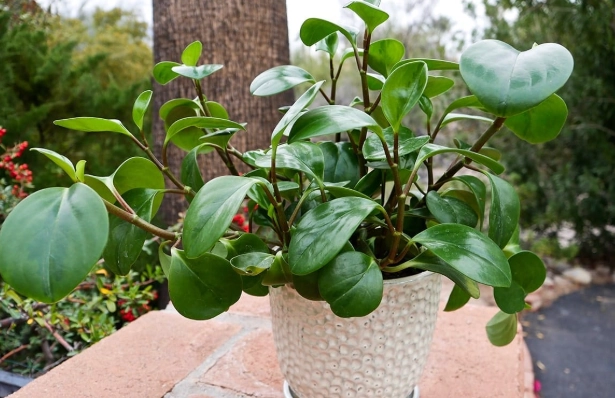
| Peperomia obtusifolia (Baby Rubber Plant) | Thick, glossy, oval leaves. Bushy growth. Very common and sturdy. | Low to Bright Indirect | Tolerates lower light better than most. Let soil dry almost completely. |
| Peperomia argyreia (Watermelon Peperomia) | Round leaves with stunning silver and green stripes, like a watermelon rind. | Medium to Bright Indirect | Needs higher humidity (40-50%). Keep away from dry air vents. |
| Peperomia caperata (Emerald Ripple) | Heart-shaped, deeply ridged leaves in dark green, red, or silver. | Medium Indirect | Prefers consistently slightly moist (not wet) soil. Don't let it bone dry. |
| Peperomia prostrata (String of Turtles) | Trailing stems with tiny, round, patterned leaves resembling turtle shells. | Bright Indirect | Loves humidity. Perfect for a terrarium or bathroom with a window. |
| Peperomia hope | A trailing hybrid with small, round, succulent-like leaves on long vines. | Bright Indirect | Very drought-tolerant. Water only when leaves feel slightly less firm. |
Step-by-Step: How to Propagate Peperomia Successfully
One of the joys of peperomia is how easy they are to multiply. You can make new plants from just a single leaf. Here's my reliable method for stem cuttings, which works for most varieties like the obtusifolia or caperata.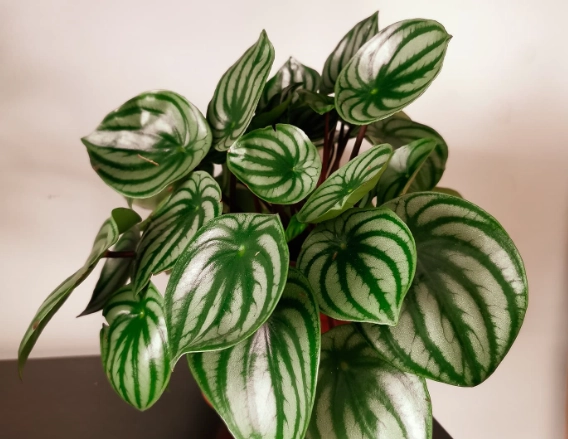
- Step 1: Take the Cutting. Use clean, sharp scissors. Cut a stem with at least 2-3 leaves and a node (the little bump where a leaf meets the stem). This is where new roots will emerge.
- Step 2: Prep for Water. Remove the bottom leaf or two to expose the node. You can dip the cut end in rooting hormone (optional, but it speeds things up).
- Step 3: Root in Water. Place the cutting in a small glass of water, ensuring the node is submerged but the leaves are not. Change the water every few days to keep it fresh. Place it in bright, indirect light.
- Step 4: Wait for Roots. In 2-6 weeks, you should see white roots growing from the node. Wait until they are at least an inch or two long.
- Step 5: Pot Up. Plant the rooted cutting in a small pot (2-3 inches) with your well-draining soil mix. Water lightly to settle the soil. Treat it like a mature plant, but be extra careful not to overwater while it establishes.
For varieties like the Watermelon Peperomia, you can propagate from just a leaf with a bit of petiole (leaf stem) attached. The process is similar.
Troubleshooting Common Peperomia Problems
When something looks off, it's usually telling you a simple story. Here's how to decode it.
Yellow, mushy leaves falling off: Classic overwatering. Stop watering immediately. Check the roots for rot (black/brown, mushy). If present, cut away the rotten parts, repot in fresh, dry soil, and cross your fingers.
Curling, crispy leaf edges: Underwatering or very low humidity. Check your soil moisture routine. For thin-leaved varieties, try grouping plants together or using a humidity tray (a tray with pebbles and water).
Leggy growth with large spaces between leaves: The plant is stretching for more light. Move it to a brighter location.
No new growth: Could be low light, or it could be dormant (winter). It could also need a light feeding if it's been in the same soil for over a year.

Comments