In This Guide
Let's be honest. When you first got your Monstera, you probably just plopped it into whatever bag of potting mix was on sale at the garden center. I know I did. It's a plant, it needs dirt, right? How complicated could it be? Well, a few yellow leaves and a suspicious lack of new growth later, and I was down a rabbit hole about soil porosity, cation exchange capacity, and the perfect chunkiness for aroid roots. It turns out, the potting soil for your Monstera isn't just dirt—it's its entire universe. Get it wrong, and you're fighting an uphill battle against root rot and sadness. Get it right, and that thing will practically grow itself, throwing out split leaves like confetti.
So why is this so crucial? Monsteras are epiphytes in the wild. They don't grow in the ground; they cling to trees in rainforests, their roots grabbing onto bark and moss, exposed to air and quick-draining rain. Your goal with potting soil for Monstera is to mimic that environment: airy, chunky, fast-draining, yet able to hold onto a bit of moisture and nutrients. The classic, dense, peat-heavy all-purpose mix? That's a death sentence for those thick, juicy roots. It stays wet for too long, suffocates them, and invites rot.
 Think of it as building a breathable, comfy apartment for your plant's roots.
What Makes the Ideal Monstera Soil Mix? (The Recipe Breakdown)
Forget buying a single bag of something labeled "houseplant soil." The best potting soil for a Monstera is almost always a custom blend. It's like making a cake from scratch instead of using a box mix—you control the quality and the outcome. The formula revolves around three key pillars: drainage, aeration, and moisture retention (but just the right amount).
The "Hero" Ingredients for Your Mix
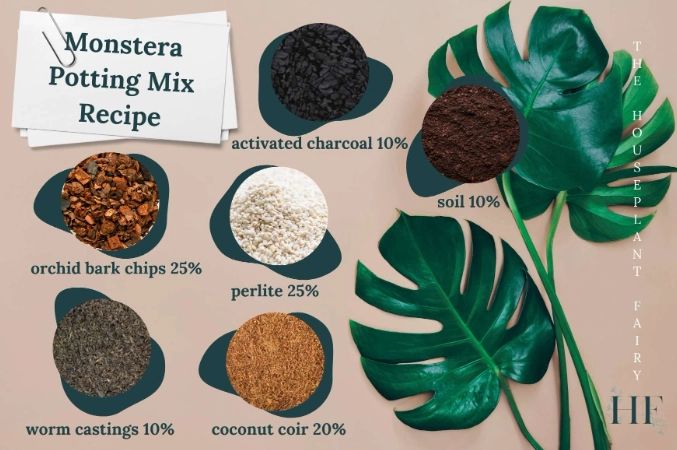
Here’s your shopping list for the ultimate Monstera soil mix. You don't need all of them, but combining a few will get you fantastic results.
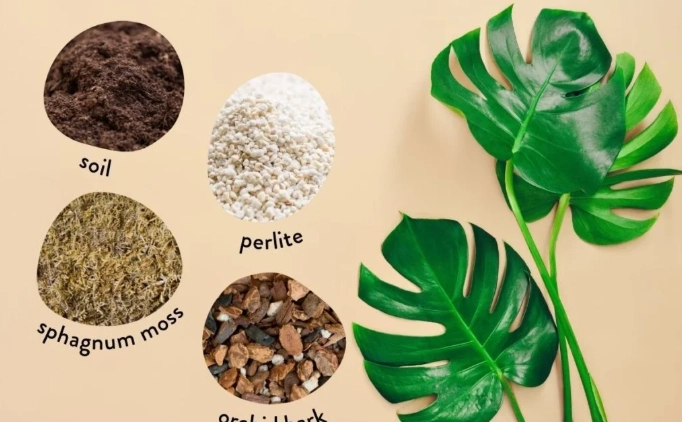
- Orchid Bark (Pine or Fir): The MVP. These chunky pieces are non-negotiable for creating air pockets. They provide structure, prevent compaction, and slowly break down to feed the plant. Aim for pieces about 1/2 to 1 inch in size.
- Perlite: Those little white puffballs. They're super lightweight, sterile, and their sole job is to improve drainage and aeration. They don't break down, so they keep the mix light forever.
- Coco Coir or High-Quality Peat Moss: This is your moisture-retaining component. Coco coir is my personal favorite—it's more sustainable than peat, rewets easier, and has a better pH. It holds water without becoming a soggy brick.
- Horticultural Charcoal: This is the secret weapon. It helps filter impurities, absorbs excess moisture and toxins, and may even prevent fungal and bacterial growth. It just makes the root environment healthier.
- Worm Castings: The gentle, natural fertilizer. Instead of mixing in harsh granules, worm castings provide a slow-release nutrient boost and improve soil biology. Your Monstera will thank you.
Now, how much of each? This is where everyone has an opinion. After killing a few plants with overly dense mixes and watching others dry out too fast with overly chunky ones, I've landed on a couple of reliable recipes.
Common Store-Bought Mixes: The Good, The Bad, and The Soggy
Maybe you're thinking, "I don't have time to mix my own soil." I get it. Here’s a brutally honest take on what you might find on the shelf.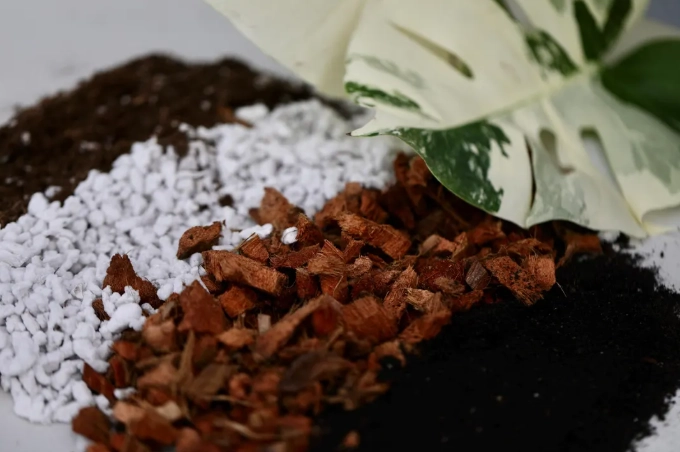
| Product Type | Is it Good for Monstera? | Why or Why Not? | What to Do If You Use It |
|---|---|---|---|
| All-Purpose Potting Mix | No. | Too fine, too dense, retains way too much water. It's designed for general containers, not for epiphytic roots that need to breathe. | You must amend it. Mix in at least 30-40% perlite and 30% orchid bark to save it. |
| Orchid Mix (Bark-Based) | Almost, but not quite. | Fantastic for aeration, but often lacks enough moisture-retaining material. It can dry out a Monstera root ball too quickly. | Perfect as a base. Buy a bag and mix it 50/50 with a high-quality potting soil or coco coir to add some water-holding capacity. |
| Cactus & Succulent Mix | Better than all-purpose. | Formulated for drainage, so it's usually sandier and grittier. Better than dense soil, but may not have the ideal chunk structure. | It's a decent emergency option. Still, adding some orchid bark chunks will significantly improve it for your Monstera. |
| Pre-Mixed "Aroid" or "Tropical" Soil | Yes, if it's from a reputable brand. | Specifically blended for plants like Monsteras, Philos, and Alocasias. Should be chunky and well-aerated. Read reviews first! | This is the best store-bought option. Check the bag—you should see visible bark and perlite. It's often pricey, though. |
See what I mean? The pre-mixed "Aroid" soil is your safest commercial bet, but even then, giving it a feel test in the store is wise. If it looks and feels like brown dust, put it back.
Top 3 Mistakes Everyone Makes with Monstera Soil
I've made these. My friends have made these. Let's learn from our collective pain so your plant doesn't have to suffer.
Mistake #2: Over-Packing the Soil. When you repot, you might be tempted to press the soil down firmly to stabilize the plant. Resist! Gently tap the pot to settle the mix, but don't compact it. You spent all that time creating air pockets—don't crush them. The roots need that fluffy, open structure to explore.
Mistake #3: Never Refreshing the Soil. Even the best potting soil for Monstera breaks down over time. The bark decomposes, the perlite gets crushed, and the mix collapses, becoming dense again. This is why even a plant that hasn't outgrown its pot might start to struggle after a couple of years. The soil is exhausted and suffocated.
 Your soil is a living, changing environment. It needs a refresh.
How to Repot Your Monstera: A Stress-Free Guide
Okay, you've got your perfect, chunky, airy Monstera soil mix ready. Now, how do you actually get your plant into it without causing a meltdown (for you or the plant)?
Step 1: The Prep Work. Do this the day before you plan to repot. Water your Monstera thoroughly. A hydrated plant is more flexible and resilient, and the moist root ball is easier to work with than a dry, brittle one. Gather your new pot (only 1-2 inches larger in diameter than the old one), your fresh soil mix, some newspaper or a tarp, and a pair of clean, sharp scissors or pruning shears.
Step 2: The Gentle Exit. Lay the plant on its side. Don't just yank it out by the stem. Squeeze the old pot, tap the bottom, and gently coax the root ball out. If it's really stuck, you can run a knife around the inside edge. Once it's out, place it on your work surface.
Step 3: Root Inspection & Surgery (If Needed). This is the most important part. Gently loosen the outer roots with your fingers. You're looking for the root's color—healthy roots are firm and white, cream, or light tan. Rotten roots are mushy, dark brown or black, and often smell bad. If you find any, cut them off cleanly with your sterilized shears. Don't be scared to cut away a significant amount if it's all rotten. It's better to have fewer healthy roots than a mass of dead ones spreading disease. This is also the time to untangle any major circling roots.
Step 4: The New Home. Put a layer of your fresh potting soil for Monstera in the bottom of the new pot. Place your plant in, centering it. The top of the old root ball should sit about an inch below the pot's rim. Holding the plant steady with one hand, use the other to gently scoop new soil mix around the sides. Tap the pot frequently to help the soil settle into the root spaces. Don't bury the stem deeper than it was before.
Step 5: The First Water. Once potted, give it a thorough, deep watering until water flows freely from the drainage holes. This helps settle the soil around any remaining air pockets. Then, place it in bright, indirect light and leave it alone for a bit. It might droop or look sad for a week or two—that's normal transplant shock. Resist the urge to overwater it to "cheer it up." Let the top few inches of that new, well-draining mix dry out before watering again.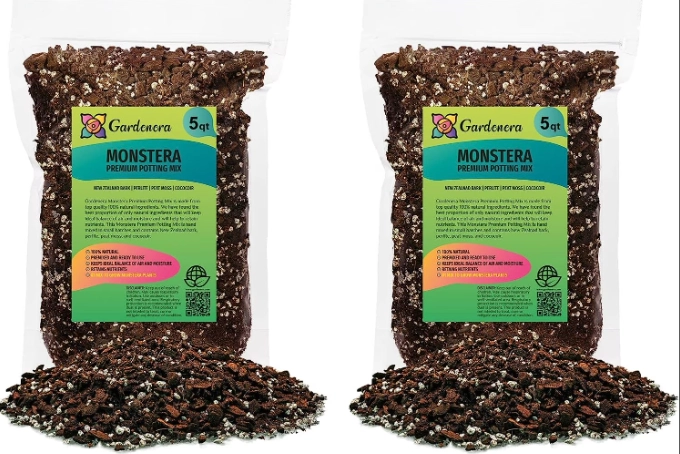
Your Monstera Soil Questions, Answered
Let's tackle some of the specific things people type into Google at 2 AM, worried about their plant.
Can I use cactus soil for my Monstera?
You can, but it's not ideal out of the bag. As the table showed, it's better than all-purpose mix because it drains well. But cactus soil is often very sandy or gritty, designed to dry out extremely fast. Monsteras like to dry out between waterings, but not *that* fast. It also usually lacks the chunkiness (bark) that provides long-term structure. If it's all you have, mix it with at least 30% orchid bark to improve it.
How often should I change my Monstera's soil?
This depends. If you're using a bark-heavy mix that breaks down, consider refreshing the top few inches of soil every year. A full repot with all-new soil is typically needed every 2-3 years for a healthy, growing plant. Signs it's time? Water runs straight through without being absorbed (hydrophobic soil), the plant dries out incredibly fast, the soil has collapsed and looks dense, or growth has seriously stalled despite good light and care.
My Monstera's soil is growing mold. What do I do?
White, fuzzy mold on the soil surface is usually a sign of consistently moist conditions and poor air circulation. It's often more unsightly than immediately harmful, but it's a warning sign. First, scrape off the top layer of moldy soil. Let the plant dry out more thoroughly between waterings. Increase air flow around the plant (a gentle fan helps). In severe cases, a full repot into fresh, sterile mix is the best cure. The mold is a symptom—fix the watering habit to solve the problem.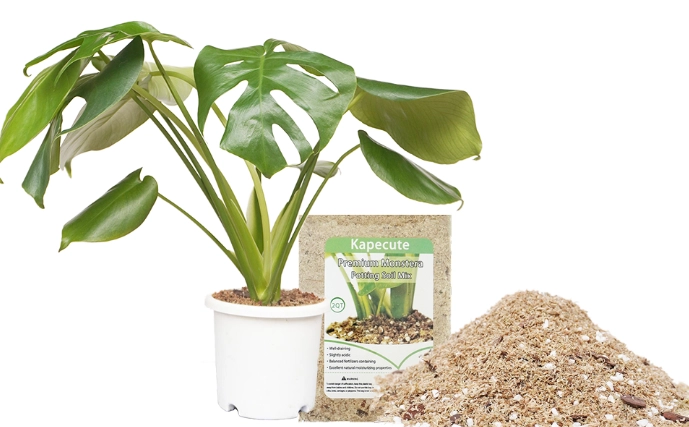
What about fertilizer? Does the soil type change that?
Troubleshooting: When the Soil is Right, But Something's Still Wrong
You've done everything by the book. You mixed the perfect, airy potting soil for your Monstera, repotted it carefully, and now... the leaves are yellowing? It's not growing? Let's connect some dots.
Yellow Leaves (Lower, Older Ones): If you're sure the soil is draining well and you're not overwatering, this could be a natural process of the plant shedding old leaves. A few here and there is normal. If it's many leaves, even with good soil, double-check your watering frequency. Let it dry out more.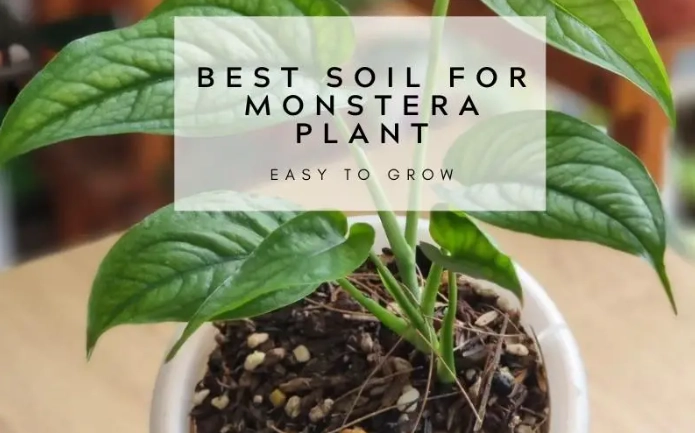
Yellow Leaves (New Growth) with Brown Tips: This often points to inconsistent watering—letting it get bone dry for too long, then soaking it. The chunky soil dries out faster than you think! Stick your finger in the soil. When the top 2-3 inches are dry, it's time to water thoroughly.
No New Growth or Small Leaves: Soil is only one part of the equation. The other biggies are light and pot size. Monsteras need bright, indirect light to thrive and produce those big, split leaves. A north or east-facing window is often perfect. Also, if the pot is massively oversized, the plant will focus all its energy on filling the pot with roots underground before putting out new leaves above ground. Patience, or consider downsizing the pot.
Getting the potting soil for your Monstera right is the single most impactful thing you can do for its long-term health. It sets the foundation for everything else. It prevents the most common killer (root rot) and creates an environment where the roots can happily do their job, which in turn allows those stunning, iconic leaves to reach their full potential. It might seem like a fussy detail at first, but once you see your plant thriving in its custom-built, chunky home, you'll never go back to the bag of mystery mulch. Happy mixing!


Comments