Let's be honest. Most of us get a spider plant (Chlorophytum comosum) because someone told us it's impossible to kill. And they're right—it's a survivor. But what if I told you that this humble, strappy-legged plant sitting on your grandma's windowsill is secretly a powerhouse? We're talking about a natural air scrubber, a subtle mood booster, and a propagation machine, all wrapped up in a package that asks for little more than occasional sips of water. I've killed my share of "easy" plants, but the spider plant has always been a forgiving friend. Its benefits go far deeper than just being hard to murder.
Quick Navigation
The Air Purification Power (It's Not Just Hype)
This is the big one, the benefit that launched a thousand listicles. But here's the thing—it's backed by real science, specifically NASA's landmark Clean Air Study. Researchers were looking for ways to improve air quality in sealed space stations, and spider plants were top performers.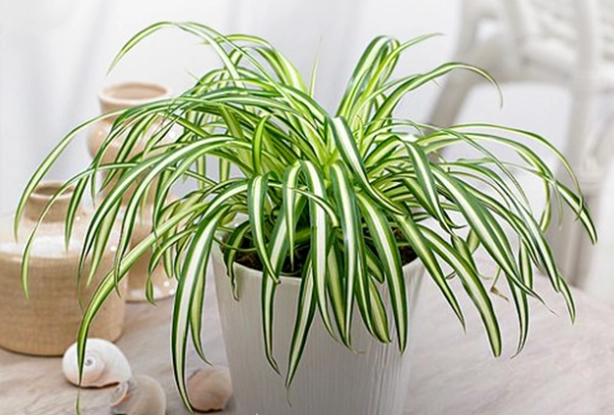
They're particularly effective at removing common household volatile organic compounds (VOCs).
| Toxin Removed | Common Source in Your Home | Why It Matters |
|---|---|---|
| Formaldehyde | Particleboard, plywood, certain insulation, cleaning products, carpet glue. | A known carcinogen. Low-level exposure can cause irritation of eyes, nose, and throat. |
| Xylene | Printers, photocopiers, vehicle exhaust (from an attached garage), paints, varnishes. | Can cause headaches, dizziness, confusion, and respiratory issues. |
| Toluene | Nail polish, paint thinners, adhesives, synthetic fragrances. | Affects the central nervous system, causing fatigue, confusion, and weakness. |
| Carbon Monoxide | Gas stoves, furnaces, fireplaces, vehicle exhaust. | The plant helps in minor conversion, but you still need a detector for safety. |
Now, a reality check. One plant in a vast, open-concept living room isn't a magic bullet. The NASA study suggested you'd need about one plant per 100 square feet for a significant effect. But think of it this way: placing a spider plant on your desk, next to your printer, or in your newly renovated bathroom is like assigning a tiny, silent security guard to that specific zone. It's working continuously, pulling these gases into its soil where root microbes break them down for food.
I keep one in my home office, right by the laser printer. It just feels smarter.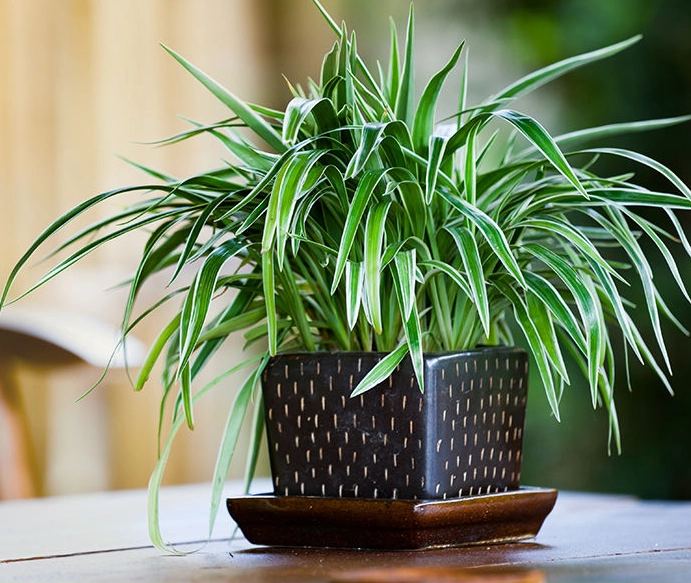
The Health & Wellbeing Boost You Can't See
Beyond cleaning the air, spider plants contribute to your environment in softer, psychological ways. This isn't fluffy stuff—studies in environmental psychology and horticultural therapy point to real effects.
Stress Reduction and Focus
Simply having living greenery around reduces cortisol levels, the primary stress hormone. The spider plant's arching, flowing form is inherently calming. Its variegated green and white stripes (on the classic 'Vittatum' variety) are visually interesting without being overwhelming. For people like me who work from home, that bit of natural life in the periphery is a mental reset button.
Natural Humidifier Action
Dry air from heating or air conditioning is a common winter complaint. Plants release moisture vapor through transpiration. A group of spider plants can increase the humidity in their immediate area, which can soothe dry skin, scratchy throats, and even reduce the survival rate of some airborne viruses. It's a small, passive benefit, but in a dry bedroom, it's noticeable.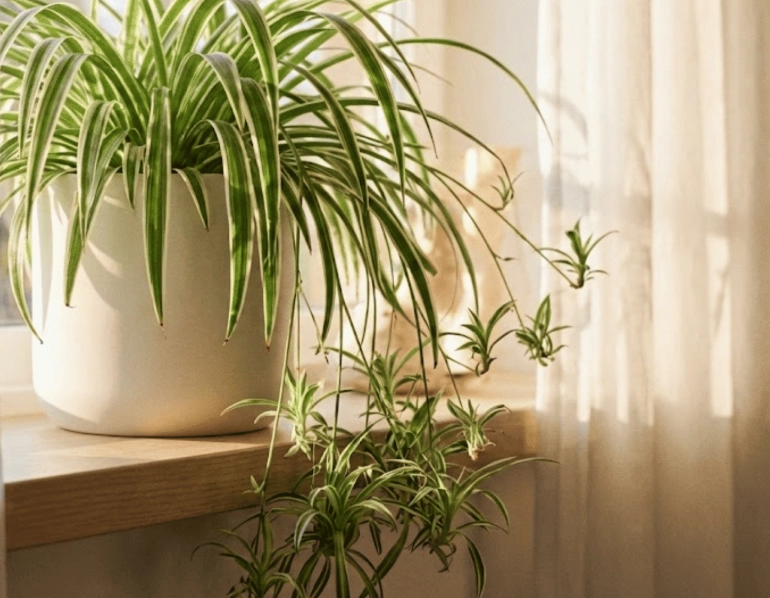
The Propagation Joy (It's Free Plants!)
This is a benefit rarely talked about but massively rewarding. A happy, mature spider plant sends out long stems (stolons) with little plantlets (pups) on the end. You can snip these off, pop them in water or soil, and—bam—you have a new plant. This cycle of growth and creation is incredibly satisfying. It turns you from a plant owner into a plant parent. I've given away dozens of spider plant babies as gifts. It's a benefit that literally multiplies.
Personal Note: The first time my spider plant produced a pup, I felt an absurd sense of pride. It was a clear sign I wasn't just keeping something alive; I was providing an environment where it could thrive and reproduce. That's a different kind of成就感 (sense of achievement).
The "Why Is It So Easy?" Breakdown
Its resilience is a core benefit, especially for new plant owners. Why is it so tough?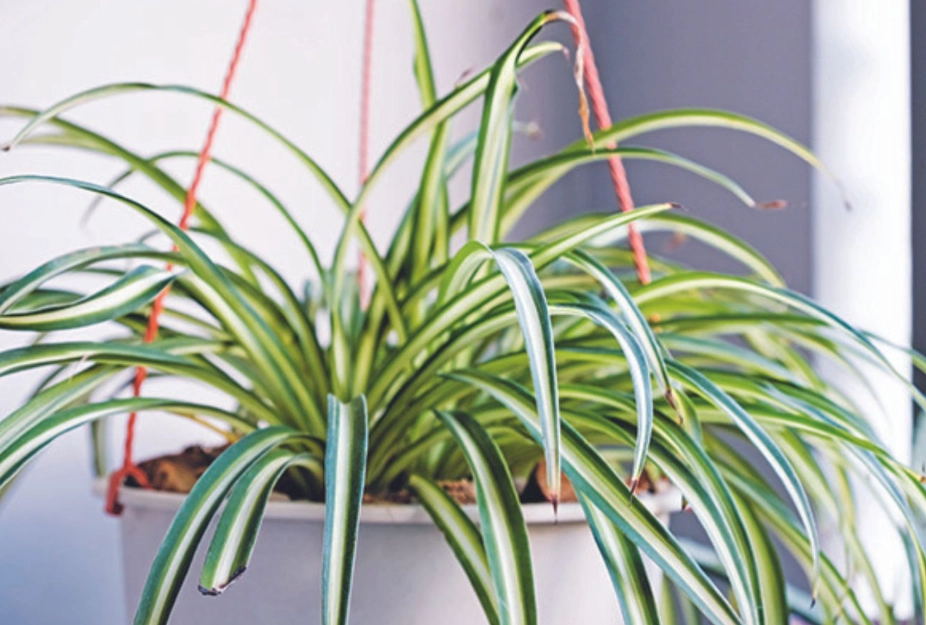
It's a survivor by design. Native to South Africa, it evolved in a climate with periods of drought and drench. Those thick, tuberous roots store water like a camel stores fat. Forget to water for two weeks? It taps into its reserves. Overwater it once? Those roots are somewhat resistant to rot compared to other plants.
It's flexible on light. While it prefers bright, indirect light (which promotes faster growth and more pups), it tolerates lower light conditions better than most. It might not grow as quickly or produce many babies, but it won't just give up and die. I've seen them survive in north-facing office bathrooms with fluorescent lighting.
It tells you what it needs. The leaves are excellent communicators. Pale, limp leaves? It's probably thirsty. Brown, crispy tips? Often fluoride in tap water or low humidity. Pure green leaves losing their stripes? It wants more light. It's a learning tool.
Your No-Stress Spider Plant Care Breakdown
Let's get specific. Here’s how to actually get all those benefits without overcomplicating it.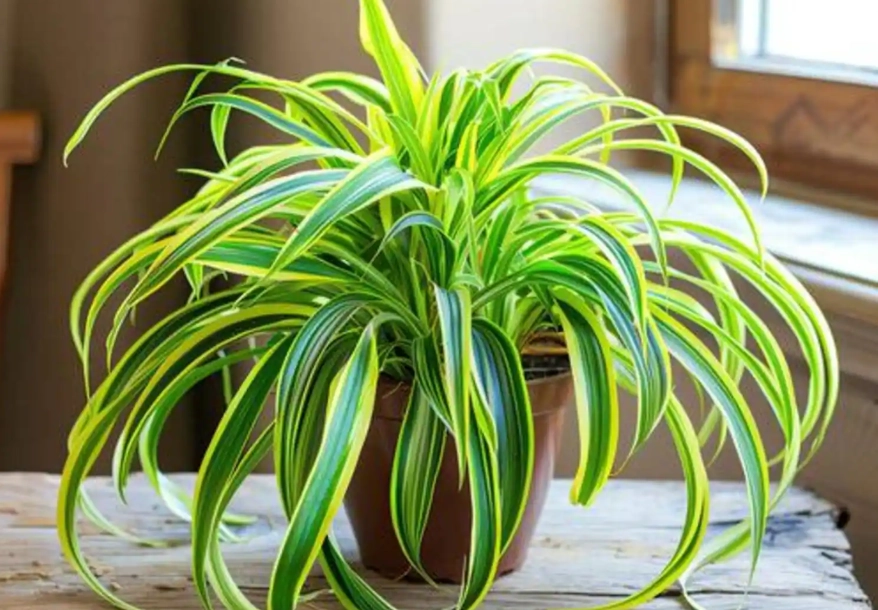
Light: The Sweet Spot
A bright spot out of direct, hot sun is perfect. An east-facing window is ideal. A west or south window is fine if it's filtered by a sheer curtain or set back a few feet. North light works, but growth will be slower. Direct afternoon sun can scorch the leaves, leaving bleached, dry patches.
Watering: The Biggest Mistake People Make
Here's the expert tip everyone misses: It's better to underwater than overwater. Those water-storing roots hate sitting in soggy soil. Wait until the top inch or two of soil feels dry. Then water thoroughly until it runs out the drainage hole. Let it drain completely. In winter, you might only water every 3-4 weeks. If the leaves get pale and floppy, you've waited too long. A good drink will perk it back up in hours.
Soil and Food: Keep It Simple
Any well-draining potting mix works. A standard mix with a handful of perlite or orchid bark for extra drainage is perfect. Feed it with a balanced, water-soluble fertilizer (like a 10-10-10) diluted to half strength, once a month in spring and summer. Stop feeding in fall and winter. More food does not equal more benefits—it can actually burn the roots.
Propagation: Making More Benefits
When a pup has developed a few roots of its own (they look like little nubs), you have options:
- Snip and Plant: Cut the stem, plant the pup in moist soil. Keep the soil slightly damp for the first week.
- Snip and Root in Water: Place the pup (stem and all) in a glass of water. Change the water weekly. Plant once roots are a couple inches long.
- The Lazy Method: Pin the pup, still attached to the mother, onto a small pot of soil next to it. Once rooted, sever the stem.
I use the water method. Watching those roots grow is half the fun.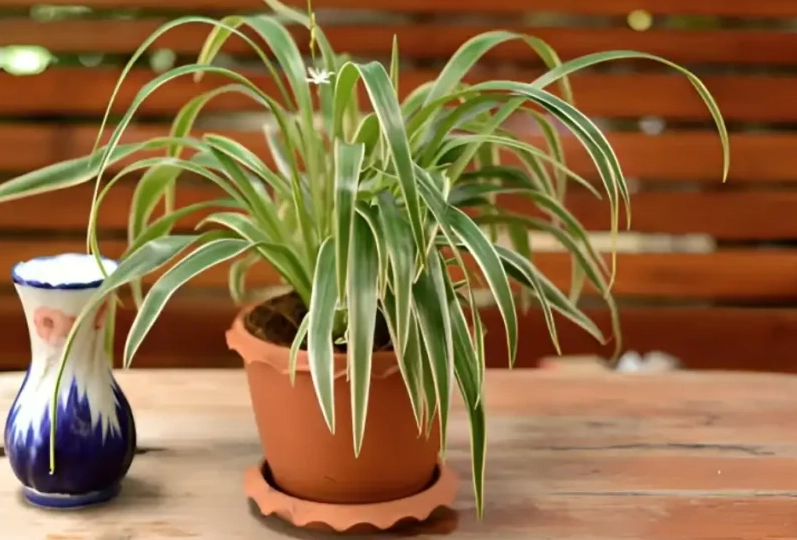
Your Spider Plant Questions, Answered
So, the spider plant's benefits stack up: a proven air cleaner, a passive wellness aid, and a masterclass in easy, rewarding plant care. It's not a demanding diva. It's a quiet, hardworking roommate that pays its rent by making your space healthier and more pleasant. Whether you're a seasoned plant collector or someone who's convinced they have a "black thumb," this is a plant that meets you where you are and grows with you. That might be its greatest benefit of all.
Comments