If you've ever killed a potted bamboo plant, you're not alone. Overwatering is the usual suspect. After growing bamboo indoors for over a decade, I've learned that most failures come from a few simple mistakes. Let's cut to the chase: bamboo isn't hard to care for if you understand its needs. This guide will walk you through everything, from watering tricks to fixing yellow leaves.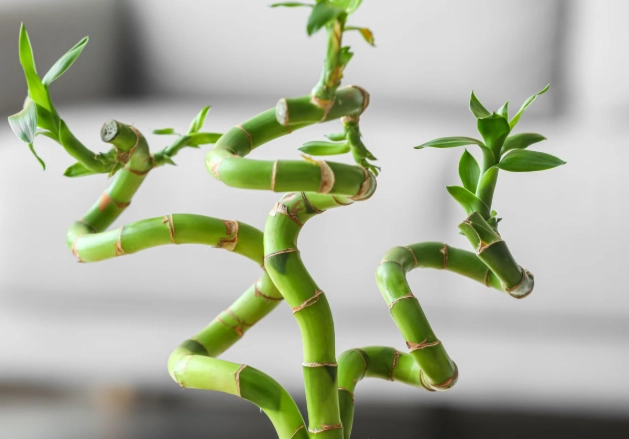
Quick Jump to Sections
How to Water Potted Bamboo (Without Drowning It)
Watering is where everyone goes wrong. I used to water my bamboo every week, like clockwork. Big mistake. The plant started drooping, and the leaves turned yellow. It took me a while to realize that bamboo prefers to dry out a bit between waterings.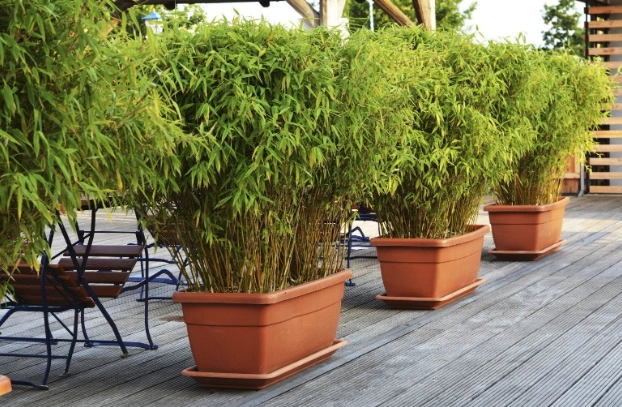
Here's the golden rule: water only when the top 1-2 inches of soil feel dry to the touch. Stick your finger in the soil. If it's damp, wait. In most indoor environments, this means watering every 7-10 days, but it varies with season and humidity.
In winter, reduce watering frequency. Bamboo goes semi-dormant and needs less moisture. I once lost a beautiful lucky bamboo because I kept watering it as usual during a cold spell. The roots rotted silently.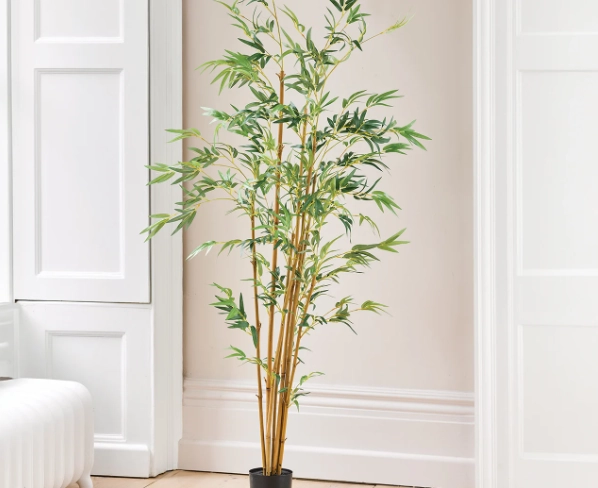
The Finger Test Method
Forget schedules. The finger test is foolproof. Push your index finger into the soil up to the first knuckle. If it feels dry, water thoroughly until it drains out the bottom. If it's moist, skip it. This simple habit saved my plants more times than I can count.
Seasonal Watering Adjustments
Spring and summer: Bamboo is growing, so water more frequently, maybe every 5-7 days if it's warm. Fall and winter: Slow down to every 10-14 days. Adjust based on your home's heating—dry air from heaters can dry soil faster.
Choosing the Right Soil and Pot for Drainage
Soil matters more than you think. Bamboo hates soggy feet. I've seen people use regular garden soil, and it's a disaster. It compacts and holds too much water.
Use a well-draining potting mix. A good blend is equal parts potting soil, perlite, and coarse sand. This ensures air reaches the roots and water flows through. You can buy cactus or succulent mix—it works well for bamboo too.
| Soil Type | Pros | Cons | Best For |
|---|---|---|---|
| Standard Potting Mix | Widely available | Can retain too much water | Mixing with perlite |
| Cactus/Succulent Mix | Excellent drainage | May dry out too fast | Beginners |
| DIY Mix (soil, perlite, sand) | Customizable, cheap | Requires effort | Experienced growers |
Pot selection is critical. Always choose a pot with drainage holes. No exceptions. I made the error of using a decorative pot without holes once—the plant died within a month from root rot. If you love a pot without holes, use it as a cache pot: place the bamboo in a plastic nursery pot with holes inside the decorative one.
Material-wise, terracotta is great because it breathes, helping soil dry evenly. Plastic pots are fine too, but be extra careful with watering.
Light Needs: Where to Place Your Bamboo
Light is another area full of myths. People think bamboo needs direct sun all day. Not true. Most indoor bamboo varieties, like lucky bamboo (Dracaena sanderiana), prefer bright, indirect light.
Direct sunlight can scorch the leaves, causing brown patches. I learned this the hard way when I placed a bamboo plant on a south-facing windowsill. The leaves developed crispy edges within a week.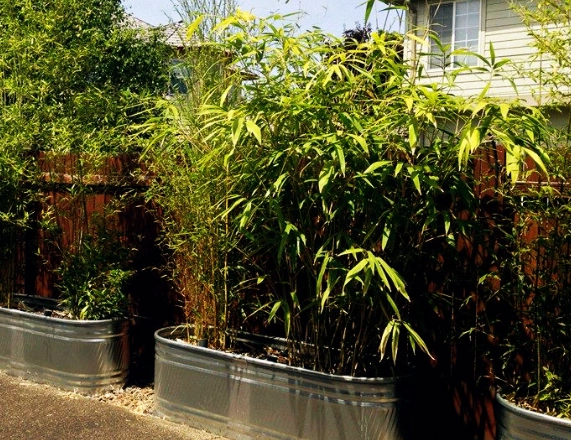
Ideal spots: near an east or north-facing window where it gets gentle morning light or filtered light. If you only have a south or west window, use a sheer curtain to diffuse the light.
What about low light? Bamboo can survive in low light, but it won't thrive. Growth slows, and the leaves may become pale. If you must keep it in a dim corner, reduce watering even more to compensate for slower evaporation.
Common Problems and Fixes
Even with care, issues pop up. Here are the most common ones I've encountered, with solutions that actually work.
Yellow Leaves
Yellow leaves are usually a sign of overwatering. Check the soil. If it's wet, stop watering and let it dry out. Improve drainage by repotting if necessary. Sometimes, yellowing can indicate nutrient deficiency—a light feeding with balanced fertilizer might help.
Brown Tips on Leaves
Brown tips drive people crazy. They're often caused by dry air or fluoride in tap water. Increase humidity by misting the leaves occasionally or using a humidity tray. Use filtered or distilled water for watering. Trim the brown tips with clean scissors to keep the plant looking neat.
Root Rot
Root rot is silent and deadly. If the plant is wilting despite wet soil, suspect root rot. Gently remove it from the pot and inspect the roots. Healthy roots are firm and white. Rotten roots are mushy and brown. Cut away the affected parts, repot in fresh soil, and reduce watering.
Pests like spider mites can also attack bamboo, especially in dry conditions. Wipe the leaves with a damp cloth regularly to prevent infestations. If you see webbing, use insecticidal soap.
FAQ: Answers to Your Burning Questions
Bamboo isn't just a plant; it's a companion that teaches patience. Start with these basics, observe your plant, and adjust as needed. Remember, less is often more when it comes to care. Happy growing!

Comments