Let's cut to the chase. If you're asking "can you propagate pothos," the answer is a resounding, almost laughably easy yes. Pothos (Epipremnum aureum) is arguably the most forgiving plant to multiply. I've turned one struggling golden pothos from a big-box store into a dozen thriving plants across my home and office in a few years. The real question isn't if you can, but which incredibly simple method you should use to guarantee success. This guide dives past the basic "stick it in water" advice you see everywhere. We'll cover the nuanced details that separate a thriving new plant from a rotting stem, based on a decade of turning pothos into a personal houseplant factory.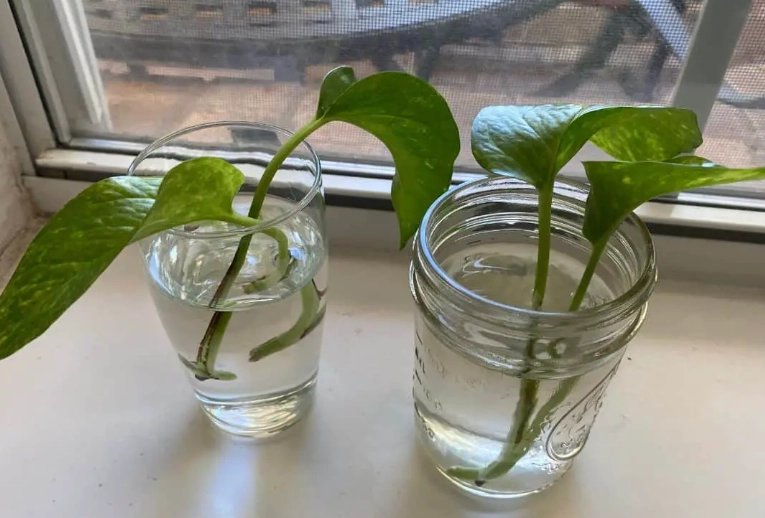
What's Inside This Guide?
- Why Propagation is a No-Brainer
- What You Absolutely Need to Know Before You Cut
- Method 1: Water Propagation (The Visual Favorite)
- Method 2: Soil Propagation (For the Impatient)
- Head-to-Head: Water vs. Soil
- The Critical Transition: Moving to Soil
- Troubleshooting Why Your Propagation Failed
- Your Pothos Propagation Questions, Answered
Why Propagation is a No-Brainer
Beyond the obvious joy of free plants, propagation solves specific pothos problems. Is your plant getting leggy, with long stretches of bare vine between leaves? That's a perfect candidate for a "haircut" and propagation. Did a stem accidentally snap off? Don't toss it. Propagate. Want a fuller, bushier mother plant? Prune the long vines and propagate the cuttings, then pot them back into the original container. It's the ultimate recycle.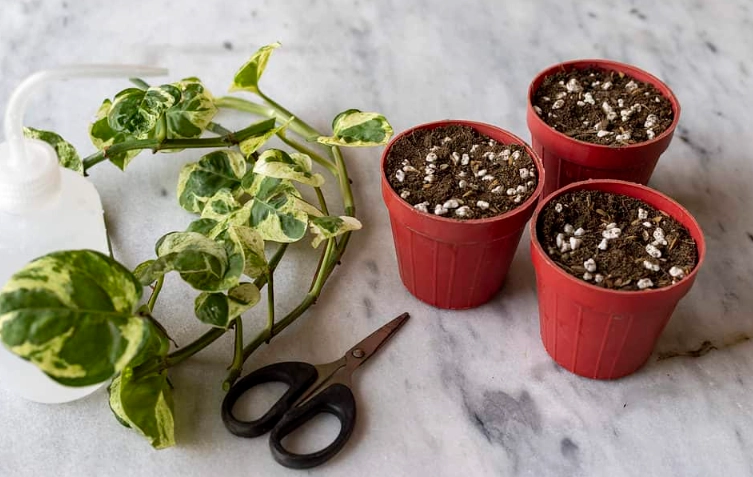
I once rescued a massive marble queen pothos that had been severely overwatered. The roots were mush. Instead of trying to save the whole plant, I took over 20 healthy cuttings, propagated them in water, and ended up with several stunning new plants. The original was a loss, but its legacy lived on—that's the power of knowing how to propagate.
What You Absolutely Need to Know Before You Cut
This is the single most overlooked step. Everyone focuses on the water or soil, but the cutting itself determines your fate.
You can make a cutting with one node and one leaf, or several nodes and several leaves. I prefer sections with 2-3 nodes. It gives the plant more energy to work with. Use clean, sharp scissors or pruning shears. I wipe mine with rubbing alcohol first. A clean cut heals faster and reduces the risk of introducing pathogens.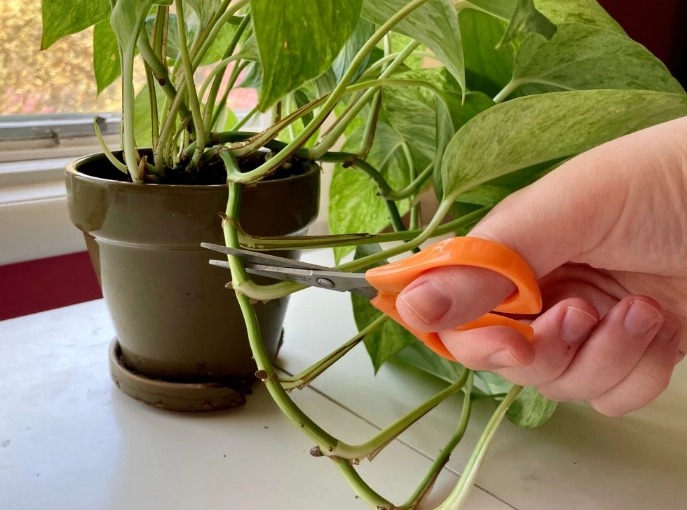
Where to Cut on the Vine
Look for a healthy, vigorous section of vine. Avoid yellowing or damaged leaves. Make your cut just below a node. If you're taking a long section to chop into multiple cuttings, you'll cut between nodes. For the top cutting (the one with the growing tip), you can cut anywhere along the internode (the space between nodes) as long as you have a node on the piece you're keeping.
Method 1: Water Propagation (The Visual Favorite)
This is the gateway method. It's satisfying because you can watch the roots grow day by day. But there are tricks to make it faster and prevent rot.
Step-by-Step:
- Prepare your vessel: Use a clear glass or jar. Clear lets light in, which can encourage algae. Some people swear by opaque cups to prevent this. I use clear because I'm nosy and want to see the roots. Just change the water regularly.
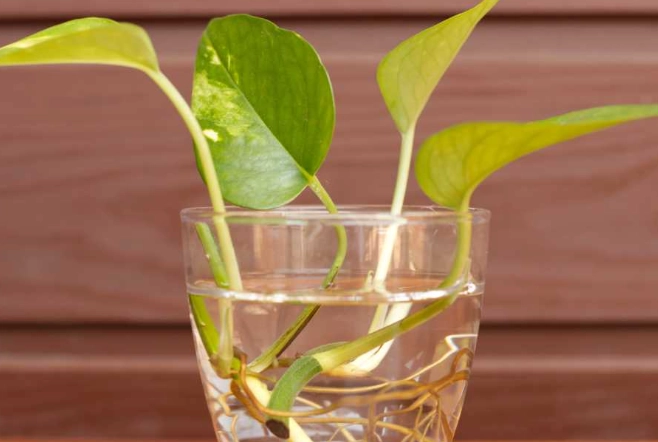
- Place the cutting: Submerge only the node(s). Do not submerge any leaves. If leaves are underwater, they will rot and foul the water. If necessary, remove the bottom leaf to expose the node cleanly.
- Water and location: Use room-temperature tap water (let it sit out for a day if your water is heavily chlorinated). Place the vessel in bright, indirect light. A north or east-facing windowsill is ideal. Direct sun will cook your cutting.
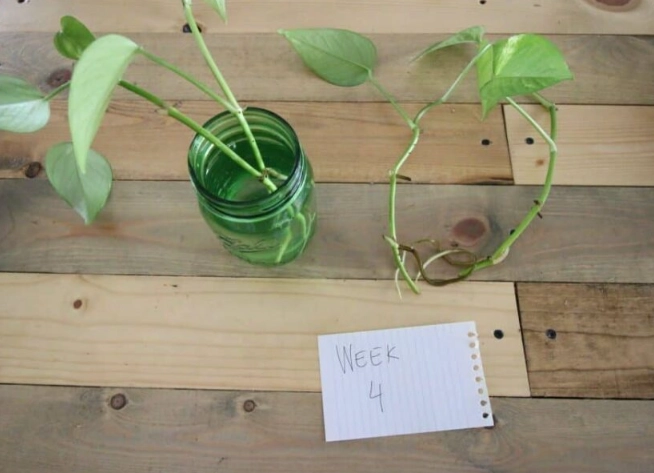
- The waiting game: Change the water every 5-7 days. This replenishes oxygen and prevents bacterial slime. You should see tiny white nubs (root initials) from the node in 1-2 weeks. Substantial roots (1-2 inches long) take 4-6 weeks.
Method 2: Soil Propagation (For the Impatient)
If you hate the water-to-soil transition, this method skips it entirely. The cutting roots directly in its final home. It requires a bit more attention to moisture, but it's often faster overall.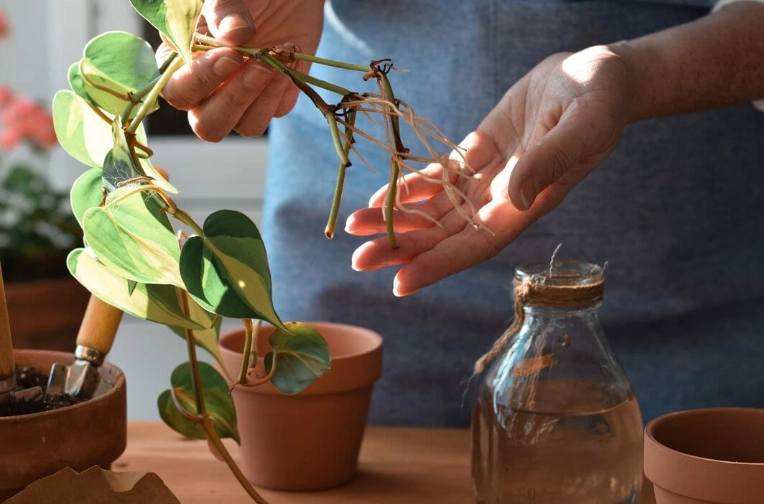
Step-by-Step:
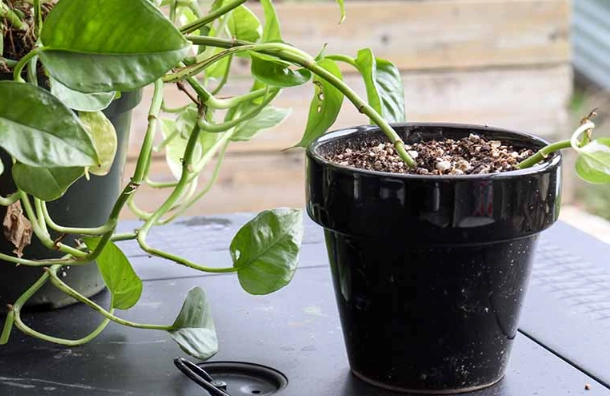
- Prepare the pot and soil: Use a small pot (3-4 inches) with excellent drainage. Fill it with a well-draining potting mix. I use a standard indoor mix with about 30% perlite added for extra aeration. The University of Florida IFAS Extension notes the importance of a well-draining medium for preventing rot in stem cuttings.
- Plant the cutting: Moisten the potting mix so it's damp like a wrung-out sponge, not soggy. Make a small hole with a pencil or your finger. Insert the cutting, ensuring the node(s) are buried. You can plant multiple cuttings in one pot for instant fullness. Firm the soil gently around the stem.
- Create humidity: This is the key. Place the pot inside a clear plastic bag or under a dome. This creates a mini-greenhouse, reducing water loss from the leafless cutting. Don't let the plastic touch the leaves.
- Care and patience: Place in bright, indirect light. Keep the soil consistently lightly moist, but not wet. Open the bag for an hour every few days for air circulation. Roots typically establish in 3-4 weeks. You'll know it's working when you see new leaf growth or feel resistance when you give the stem a very gentle tug.
Head-to-Head: Water vs. Soil Propagation
| Aspect | Water Propagation | Soil Propagation |
|---|---|---|
| Ease for Beginners | Extremely easy. Visual feedback is motivating. | Moderate. Requires careful moisture management. |
| Speed of Rooting | Roots appear quickly (1-2 weeks), but are fragile. | Roots may take longer to initiate (2-3 weeks), but are soil-adapted from the start. |
| Success Rate | High, but can fail during the transition to soil. | High if humidity is maintained; no transition shock. |
| Best For | Learning, watching the process, decorative display. | Getting a stable plant faster, avoiding transplant shock. |
| Biggest Risk | Root rot from stale water; shock when moving to soil. | Stem rot from overly wet soil ("damping off"). |
The Critical Transition: Moving Water Roots to Soil
This is where many people fail. Water roots are different from soil roots. They're accustomed to constant water and less oxygen. Throwing them into dense, dry-ish soil is a shock.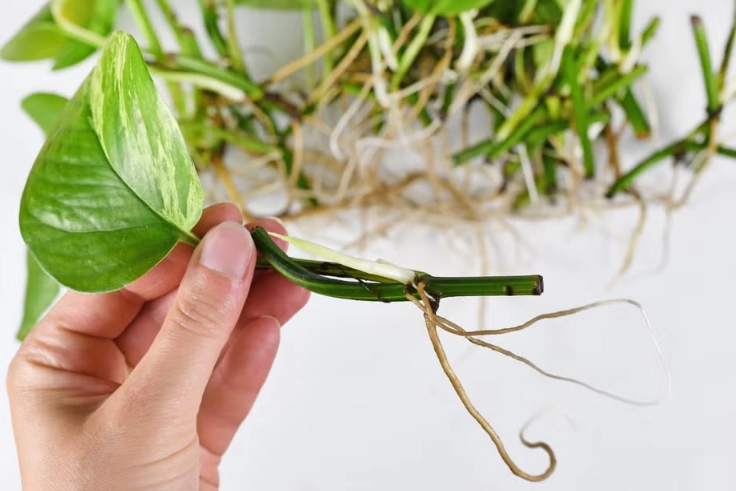
Here's how to do it right:
- Wait until water roots are at least 2-3 inches long and have smaller, hair-like secondary roots.
- Prepare a pot with moist, well-draining soil (as described above).
- For the first 1-2 weeks after potting, keep the soil more consistently moist than you would for an established pothos. Don't let it dry out completely. This helps the roots acclimate.
- After 2 weeks, begin to let the top inch of soil dry out between waterings, transitioning to normal pothos care.
The plant may wilt or lose a leaf initially. Don't panic. It's adjusting. Maintain good indirect light and resist the urge to overwater to "help" it—that's the fastest way to cause rot.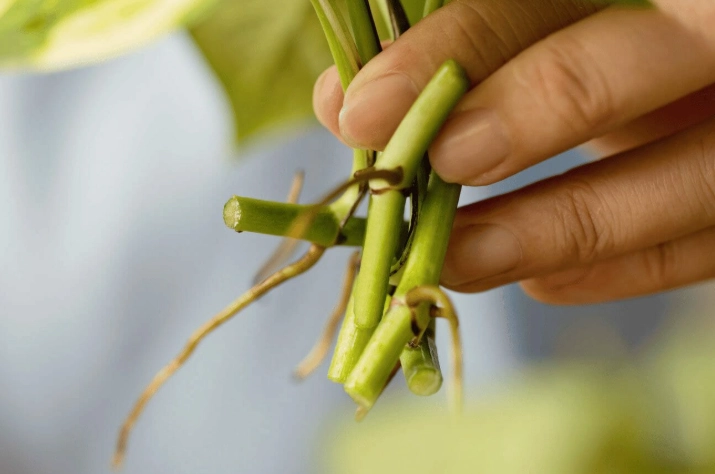
Troubleshooting: Why Your Propagation Failed
If your cutting turned to mush or never rooted, here’s the likely culprit:
- The Cutting Rottted in Water: You didn't change the water often enough, or a leaf was submerged. Bacterial growth suffocated the stem. Solution: Change water weekly, keep leaves dry.
- The Cutting Rottted in Soil: The soil was kept too wet and/or lacked drainage. The stem "damped off." Solution: Use a grittier mix and only water when the top layer feels dry. Ensure the pot has drainage holes.
- No Roots Ever Appeared: You likely cut a section without a node. Double-check. Also, some extremely variegated cuttings (like all-white sections of an N'Joy) have less chlorophyll and root slower or may fail. Choose cuttings with some green.
- It Rooted but Died After Potting: Classic transplant shock. The water roots weren't robust enough, or you let the new soil dry out completely during the critical first week.
Your Pothos Propagation Questions, Answered

Comments