You see them everywhere—cafes, offices, Instagram feeds—those elegant, arrow-shaped leaves trailing from a shelf or climbing a moss pole. The Syngonium, often called the Arrowhead Plant or Goosefoot, has become a staple of modern indoor gardening. And for good reason. It's forgiving, adaptable, and comes in a stunning array of colors and patterns. But here's the thing I've learned after killing a few and reviving many more: treating all Syngoniums the same is the fastest way to disappointment. The care for a dark green Syngonium podophyllum is subtly different from that flashy pink Syngonium 'Neon Robusta' you just had to have.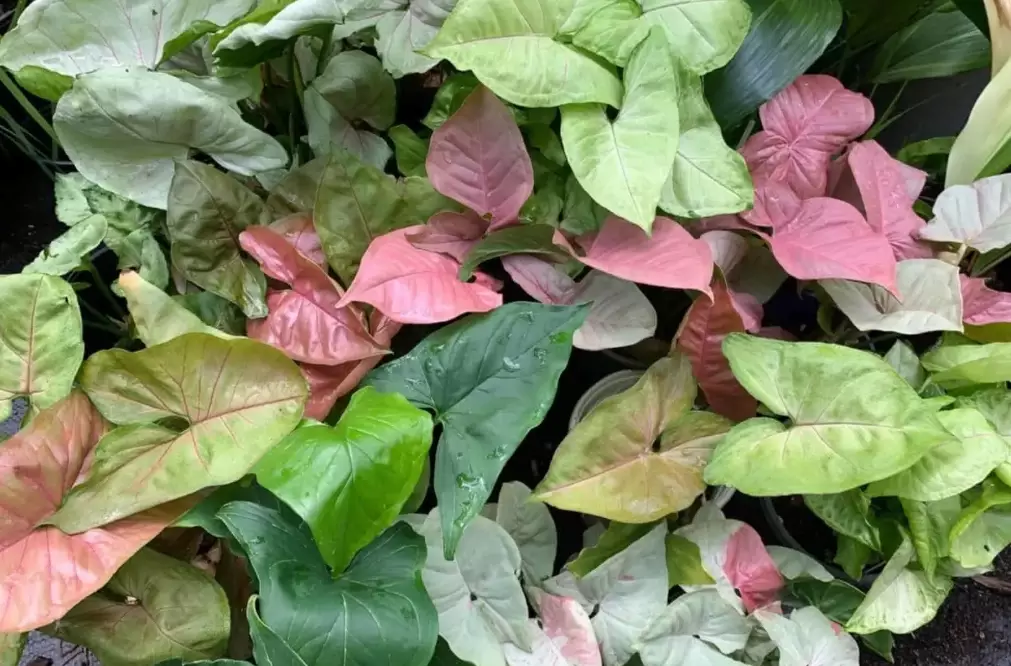
This guide cuts through the generic advice. We'll get into the specifics that actually matter for keeping your plant not just alive, but spectacular.
What's Inside This Guide
What is a Syngonium Plant?
Syngonium is a genus of flowering plants in the Araceae family, making it a cousin to the Peace Lily and Philodendron. Native to the tropical rainforests of Central and South America, it's an epiphytic plant in the wild—meaning it often grows on other trees, clinging with its aerial roots. This explains its love for humidity and its two distinct growth phases, a detail most care sheets gloss over.
When young, Syngoniums are bushy, with leaves that are distinctly arrow-shaped (hence the common name). This is the "juvenile" form. As the plant matures, given enough light and something to climb, it enters its "adult" or "climbing" phase. The leaves change shape, becoming larger, more lobed, and often more deeply divided. The stems also lengthen significantly. This isn't a problem, it's a natural progression. You can prune to maintain the bushier juvenile look, or give it a moss pole and enjoy the dramatic transformation.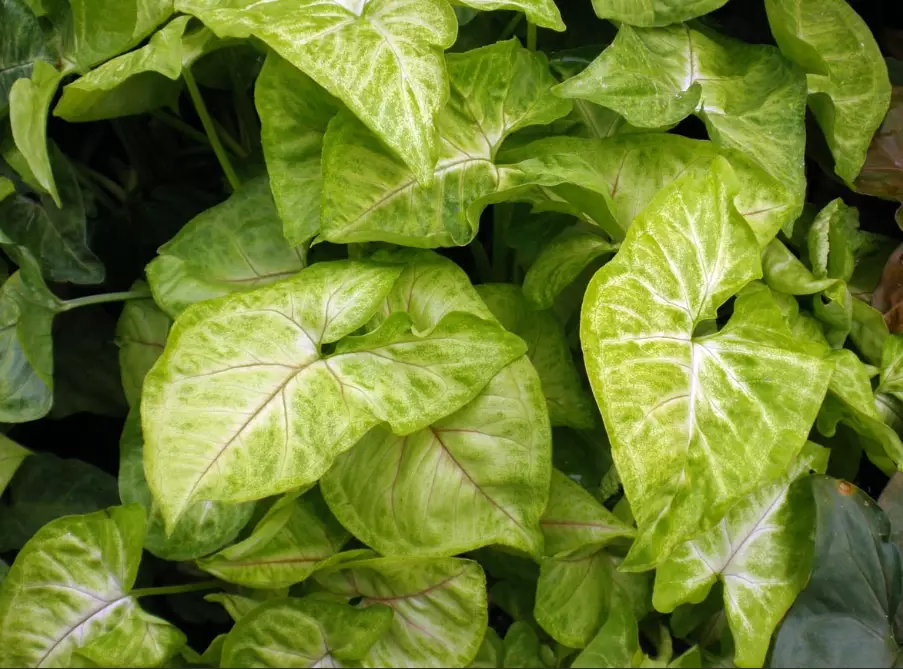
Essential Syngonium Care Requirements
Let's break down the core needs. I've seen too many people follow a "water once a week" rule and wonder why their plant is struggling. It's never that simple.
Light: The Biggest Make-or-Break Factor
Syngoniums are marketed as low-light plants. They'll survive in low light, but they won't thrive. In dim corners, growth becomes painfully slow, stems stretch out awkwardly (etiolation), and the vibrant variegation on varieties like 'White Butterfly' or 'Pink Allusion' will fade to a dull green. The plant is conserving energy.
The sweet spot is bright, indirect light. Think near an east-facing window, or a few feet back from a south or west window filtered by a sheer curtain. Direct afternoon sun will scorch the leaves, leaving ugly brown patches. If the only spot you have gets some direct sun, acclimate it slowly.
Here's my rule of thumb: if you can comfortably read a book in the spot without turning on a light, it's probably enough light for a Syngonium.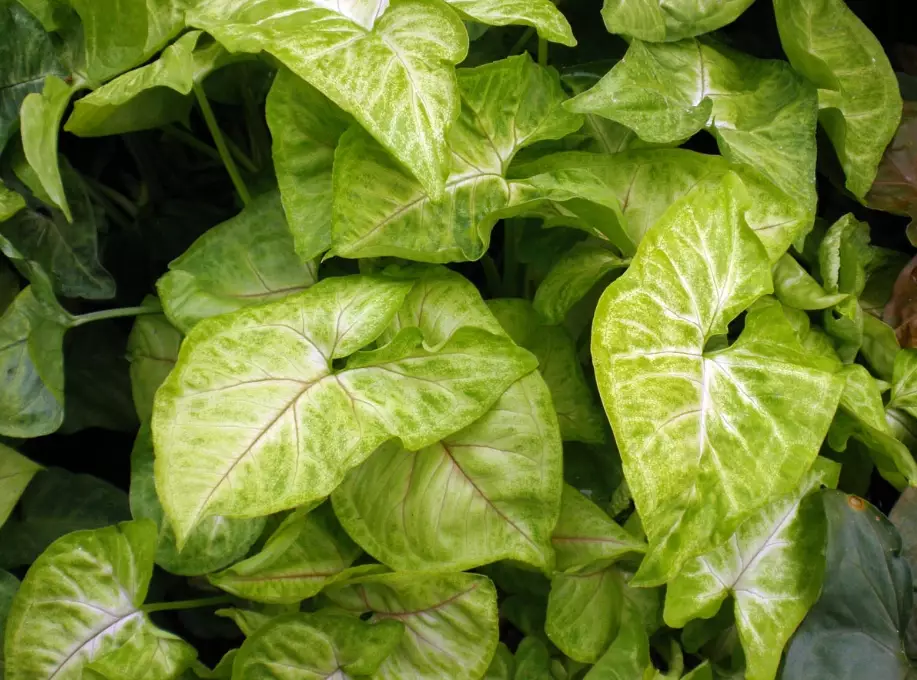
Watering: Learning the Feel of the Soil
Overwatering is the #1 killer. These plants hate soggy feet. The goal is to mimic the brief, heavy downpours of the rainforest followed by a period where the roots can access air.
Forget the schedule. Stick your finger into the soil up to the first knuckle. If it feels dry, water thoroughly until water runs out of the drainage holes. Let all the excess drain away—never let the pot sit in a saucer of water. If the soil still feels damp, wait.
In winter, with lower light and cooler temps, you might only need to water every two or three weeks. In a hot, bright summer, it could be weekly. The plant will tell you. Slightly drooping leaves often mean it's thirsty. Consistently yellowing leaves? You're likely overdoing it.
Soil & Potting: Building the Right Foundation
A well-draining, airy mix is non-negotiable. A standard houseplant potting soil is too dense on its own. I mix my own: 2 parts regular potting mix, 1 part perlite, and 1 part orchid bark or coco coir. This creates a chunky medium that holds some moisture but drains excellently.
Always use a pot with drainage holes. Terracotta pots are great for beginners because they wick away excess moisture, reducing the risk of overwatering.
Humidity & Temperature: Creating a Tropical Microclimate
Syngoniums prefer humidity above 50%. Average home humidity (30-40%) is often tolerable, but you might see crispy brown leaf tips, especially in winter. To boost humidity:
- Group plants together.
- Use a pebble tray filled with water (keep the pot above the water line).
- Run a humidifier nearby. This is the most effective method.
Misting does almost nothing for long-term humidity and can promote fungal issues if water sits on the leaves. I skip it.
They enjoy average room temperatures between 60-80°F (15-27°C). Keep them away from cold drafts, air conditioning vents, and heating sources.
Feeding: A Light Diet for Steady Growth
During the active growing season (spring and summer), feed your Syngonium once a month with a balanced, water-soluble fertilizer diluted to half strength. A 10-10-10 or 20-20-20 formula works fine. In fall and winter, stop fertilizing. The plant isn't growing much and won't use the nutrients, which can then build up and harm the roots.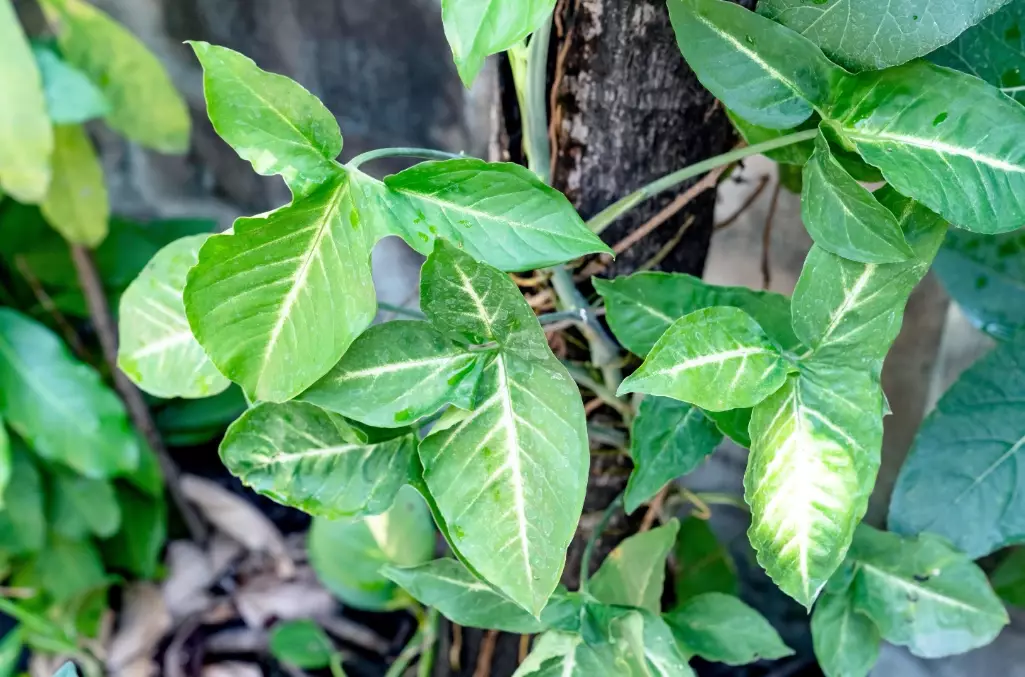
Solving Common Syngonium Problems
Here’s a quick-reference table for diagnosing issues. The solution is almost always an adjustment in care, not a product.
| Symptom | Likely Cause | How to Fix It |
|---|---|---|
| Yellow leaves | Overwatering (most common), underwatering, low light | Check soil moisture, adjust watering, move to brighter spot. |
| Brown, crispy leaf tips/edges | Low humidity, underwatering, fertilizer burn | Increase humidity, check watering frequency, flush soil if over-fertilized. |
| Leggy, stretched stems with small leaves | Insufficient light | Move plant to a location with brighter, indirect light. |
| Leaves losing variegation (turning solid green) | Too little light | Provide more indirect light to encourage color. |
| Soft, mushy stems or black spots on leaves | Root rot from chronic overwatering | Remove plant from pot, cut away black/mushy roots, repot in fresh, dry mix. |
| Pale leaves, slow growth | Could be nutrient deficiency or insufficient light | Ensure proper lighting and resume fertilizing in growing season. |
Pests: Keep an eye out for mealybugs (look like tiny cotton balls), spider mites (fine webbing, stippled leaves), and aphids. Isolate any infested plant immediately. Wipe leaves with a damp cloth, spray with insecticidal soap or neem oil solution, and repeat weekly until gone. Prevention through regular leaf inspection is key.
How to Propagate Syngonium
This is where the fun begins. Syngoniums are incredibly easy to propagate from stem cuttings, making them perfect for sharing with friends or filling out your own pot.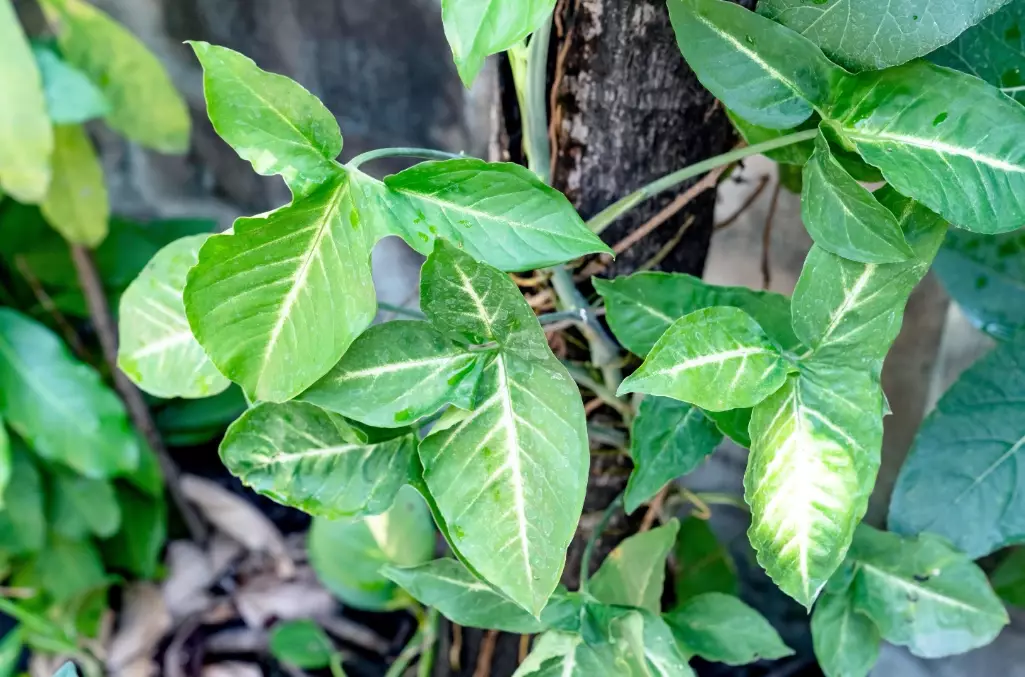
Step-by-Step in Water (My Preferred Method):
- Using clean scissors or pruners, cut a stem section that has at least one node (the little bump where a leaf meets the stem, and where roots emerge) and 2-3 leaves.
- Place the cutting in a jar of room-temperature water, ensuring the node is submerged but the leaves are not.
- Put it in a spot with bright, indirect light. Change the water every 5-7 days to keep it fresh.
- In 2-4 weeks, you should see white roots developing from the node. Wait until they are an inch or two long.
- Pot the rooted cutting into a small pot with your well-draining soil mix. Keep the soil slightly moist (not wet) for the first few weeks as it adjusts to soil life.
You can also propagate directly in moist sphagnum moss or soil, but water propagation lets you monitor root growth, which is satisfying and reduces the guesswork.
A Quick Tour of Popular Syngonium Varieties
Not all Syngoniums are created equal. Here are a few favorites and their quirks:
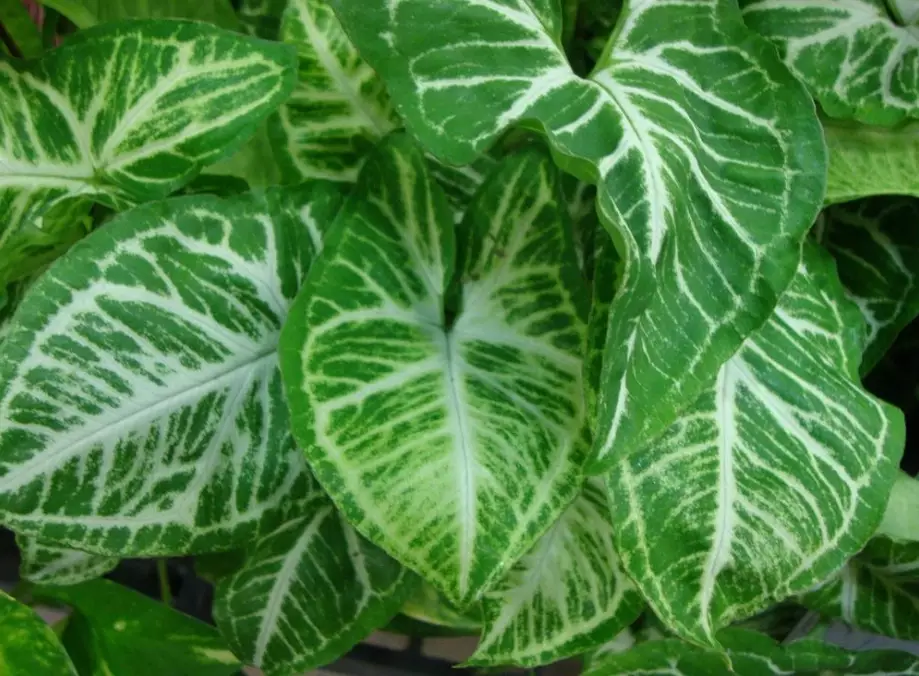
- Syngonium podophyllum 'White Butterfly': The classic. Deep green leaves with white to cream veins and margins. It's a vigorous grower and very forgiving. A perfect starter plant.
- Syngonium 'Neon Robusta': A stunning, almost fluorescent pink. The new leaves are brightest, fading to a greener pink as they age. It needs more light than the green varieties to maintain its vibrant color, but still no direct sun.
- Syngonium 'Maria Allusion': Has beautiful, dusty pink-veined leaves with a darker, almost burgundy underside. It tends to stay more compact and bushy.
- Syngonium 'Mojito': A chaotic, gorgeous mess of green and white speckles and splashes. Each leaf is unique. It can be slightly slower growing.
- Syngonium 'Berry Allusion': Known for its salmon-pink new leaves that mature to a soft green. Adds a lovely pop of warm color.
A general trend: the more variegation (white, pink, etc.), the more light the plant needs to sustain that color and grow well. Solid green varieties are the most low-light tolerant.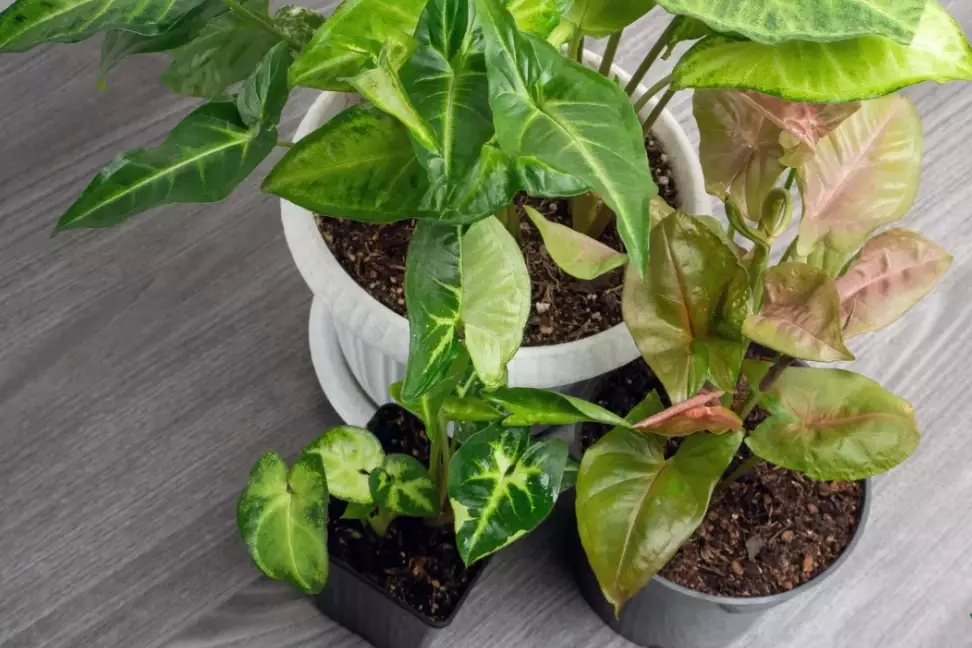
Your Syngonium Questions, Answered
 The Syngonium's charm lies in its versatility. It can be a compact desk plant, a lush hanging basket, or a towering climber. Pay attention to its signals—the soil moisture, the leaf color, the growth pattern—and adjust your care accordingly. Start with one of the tougher varieties like 'White Butterfly,' master its rhythm, and then maybe venture into the world of pink and speckled types. You might just find it's the most adaptable, rewarding plant on your shelf.

Comments