Let's be honest. You probably got your aloe plant because someone told you it's impossible to kill. Maybe you needed a bit of green, or you liked the idea of having fresh gel for minor burns. But now it's sitting there, looking a bit... off. The leaves are thin, maybe brown at the tips, or it's leaning awkwardly towards the window. I've been there. I've also killed a few before I figured them out. The truth is, while aloe plants (Aloe vera and its many cousins) are forgiving, they have specific preferences that most generic care guides gloss over. This isn't just about keeping it alive—it's about helping it flourish so you can actually use it and enjoy its architectural beauty.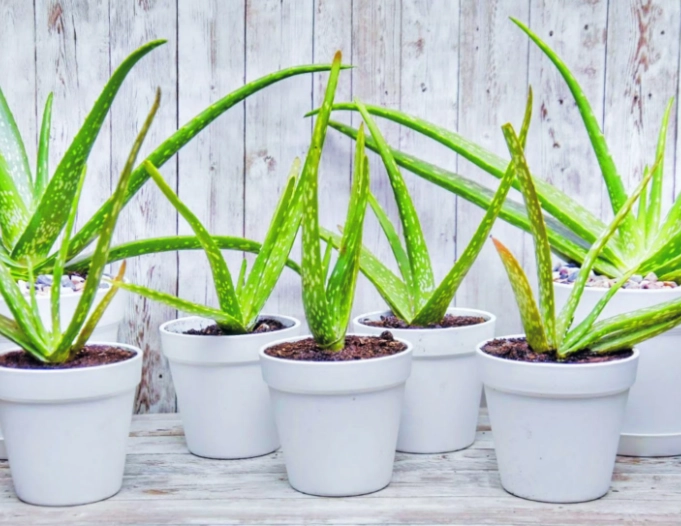
What You'll Learn in This Guide
Why an Aloe Plant Belongs in Your Home
It's more than a decoration. For centuries, people have kept aloe around for practical reasons. The clear gel inside the fleshy leaves contains compounds like acemannan, known for soothing skin. A minor kitchen burn? Snap off a leaf tip, squeeze out the gel. It's incredibly satisfying. Beyond first aid, a study by NASA on air-purifying plants listed aloe vera as beneficial for removing formaldehyde and benzene from the air. But for me, the biggest win is psychological. It's a low-drama plant that rewards basic care with steady growth. Watching it produce new "pups" (baby plants) feels like a small victory.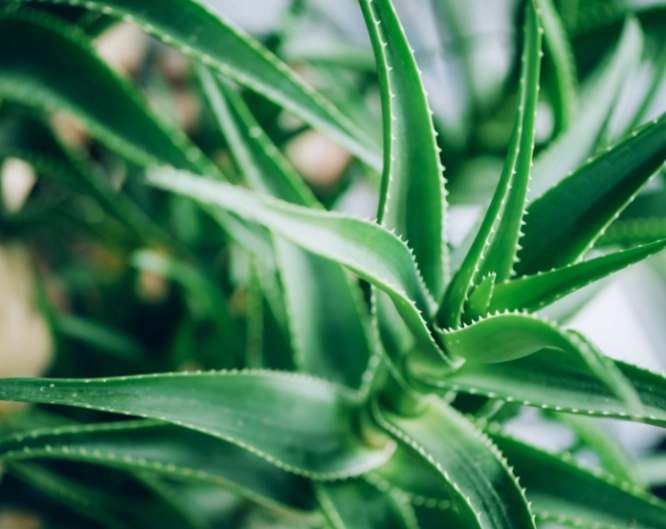
The Complete Aloe Care Breakdown
Forget the vague "water occasionally" advice. Here's exactly what your aloe plant needs, broken down into the factors that actually matter.
How to Water Your Aloe Plant Correctly
This is where 90% of aloe deaths happen. People love them to death—literally. Aloe is a succulent, storing water in its leaves. Its roots are prone to rot in constantly damp soil.
The Golden Rule: Soak it thoroughly, then let it dry out completely. I mean completely.
Here's my method:
- Check the soil: Stick your finger about 2-3 inches into the pot. If it's dry, it's time.
- Water deeply: Take the pot to the sink and water until it runs freely out the drainage hole. This ensures the entire root ball gets moisture.
- Let it drain: Leave it in the sink for 15-20 minutes to drip out any excess.
- Forget it: Return it to its spot and don't water again until the soil is bone-dry. In winter, this could mean every 3-4 weeks. In a hot, bright summer, maybe every 10-14 days.
A terracotta pot is a great ally here—it breathes and helps soil dry faster than plastic.
Light Requirements: Finding the Sweet Spot
Aloe loves bright, indirect light. A south or west-facing window is ideal, but if the sun is brutally direct (like in a desert climate), sheer curtains can prevent scorching. Scorched leaves get dry, brown, crispy patches.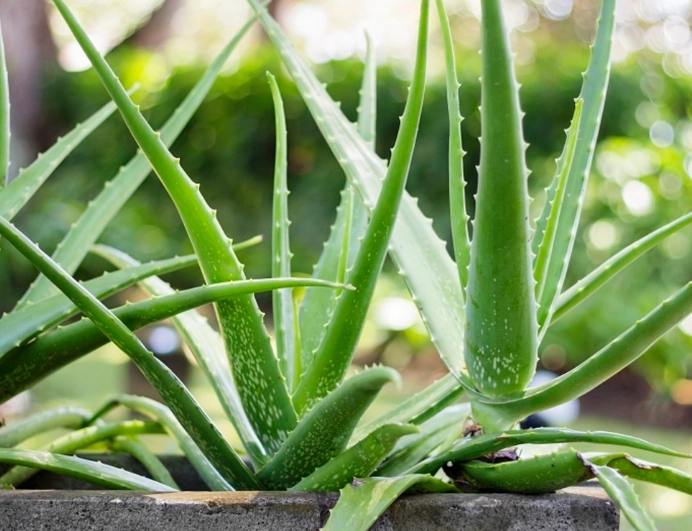
If your aloe starts stretching out with long, weak stems and pale, widely spaced leaves, it's etiolating—reaching desperately for more light. Move it closer to a window.
Can it live in lower light? It'll survive, but growth will be slow, and it won't produce pups as readily. It also becomes more susceptible to overwatering because it uses less water.
The Right Soil and Pot Setup
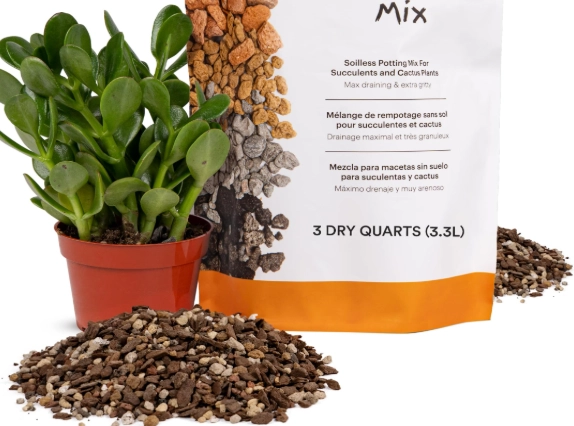
Regular potting soil holds too much moisture. You need a fast-draining mix. A pre-mixed "cactus and succulent soil" works fine. For even better results, I make my own: 2 parts cactus mix to 1 part perlite or coarse sand. This creates an airy, gritty environment the roots love.
The pot must have a drainage hole. No exceptions. I've tried the "rocks at the bottom" trick. It doesn't work; it just creates a perched water table higher in the pot, right at the roots.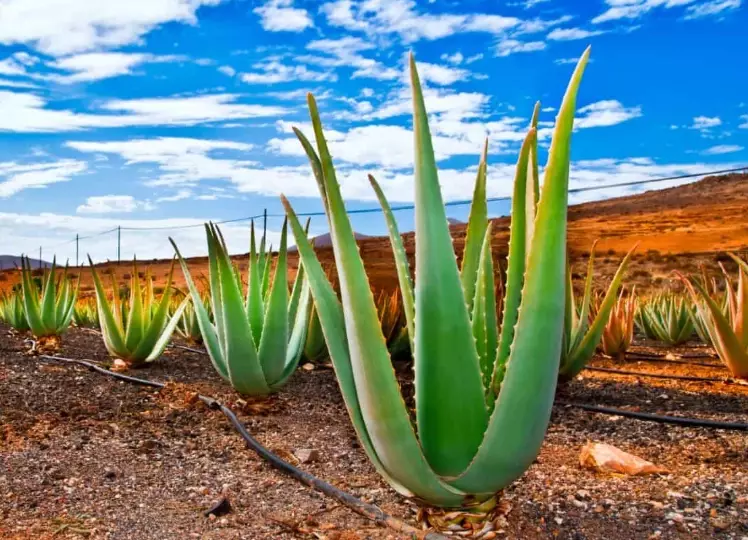
Temperature and Humidity
Aloe is comfortable in normal household temperatures (60-80°F / 15-27°C). It's not frost-hardy, so keep it indoors if temps drop below 50°F (10°C). Average home humidity is perfect. You don't need to mist it—in fact, misting can encourage fungal issues in the crown of the plant.
Beyond Aloe Vera: Common Varieties to Know
"Aloe vera" (Aloe barbadensis miller) is the classic, but the aloe genus is huge. Here are a few you might encounter, each with a slightly different personality.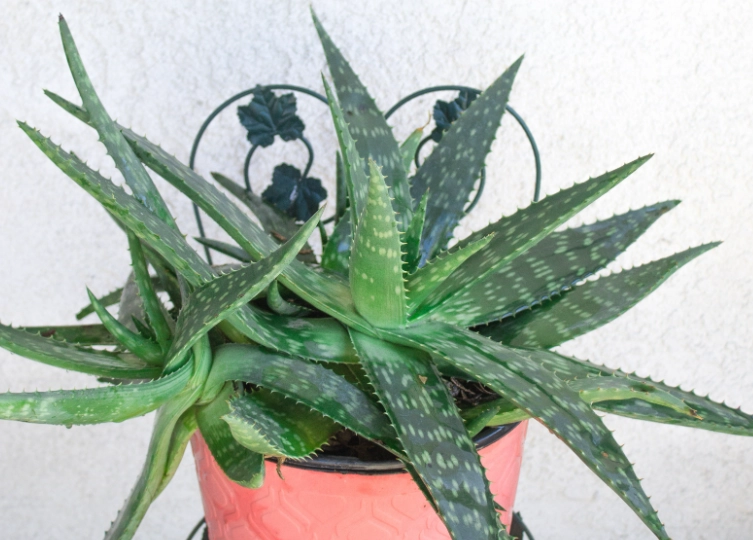
| Variety Name | Key Features & Look | Care Notes & Quirks |
|---|---|---|
| Aloe Vera (Barbadensis Miller) | Green, fleshy, spear-shaped leaves with light spots. Forms a central rosette. | The medicinal standard. Grows pups prolifically. The most common and forgiving. |
| Lace Aloe (Aloe aristata) | Small, dark green leaves covered in white speckles and soft white teeth. Forms tight clusters. | Stays compact. More tolerant of lower light and occasional overwatering than others. Great for small spaces. |
| Tiger Tooth Aloe (Aloe juvenna) | Triangular, dark green leaves with pronounced white "tiger" stripes and teeth. Branches out interestingly. | Architectural and quirky. Can get leggy if light is too low. Handle with care—the teeth are sharp! |
| Coral Aloe (Aloe striata) | Broad, smooth, flat leaves with a beautiful coral-pink blush along the edges. No sharp teeth. | Prized for its color, which intensifies with sun stress. Requires excellent drainage and is less tolerant of overwatering. |
How to Propagate Your Aloe (Make More Plants)
The easiest way is through the offsets, or "pups." A healthy aloe vera will produce these little clones around its base. Here's how to separate them without harming the mother plant.
- Wait for the right size: Let the pup grow until it's about 3-4 inches tall and has a few leaves of its own. It should look like a mini version of the parent.
- Unpot the family: Gently remove the entire plant from its pot. Brush away soil to see where the pup connects to the mother.
- Separate with care: If you're lucky, you can wiggle it free with your fingers. If it's stubborn, use a clean, sharp knife to cut through the connecting root. Try to keep some roots on the pup.
- Let it callous: This is the critical step everyone misses. Place the pup in a shady spot for 1-2 days to let the cut end dry and form a callus. Planting it immediately invites rot.
- Plant in dry mix: Plant the calloused pup in a small pot with dry succulent mix. Don't water it for about a week. Then, water lightly and treat it as a mature plant.
It's that simple. Now you have a free plant to keep or gift.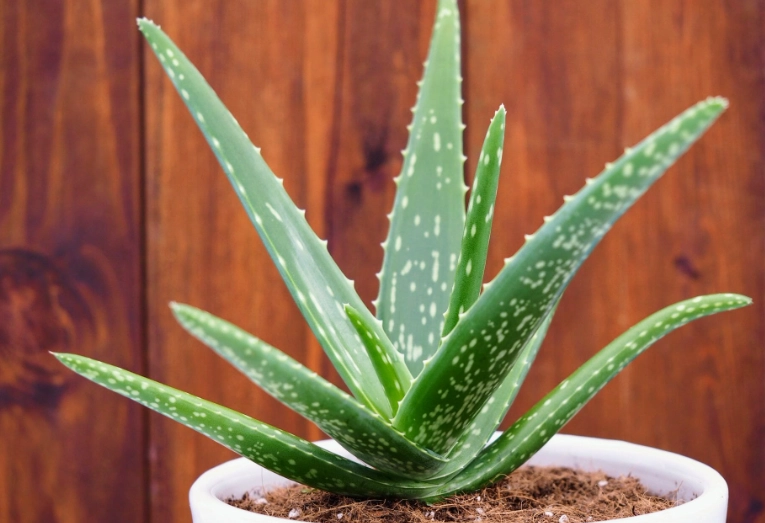
Troubleshooting Common Aloe Problems
Your plant is talking to you. Here’s how to translate.
Frequently Asked Questions (Answered by Experience)
Why are the tips of my aloe plant turning brown and dry?
This is usually a sign of underwatering, but check the roots first. Sometimes, rotten roots can't take up water, causing similar symptoms. If the soil is bone dry and the leaves are thin, give it a good soak. If the soil is wet and the base feels mushy, it's root rot—you'll need to unpot, cut away any black/mushy roots, and repot in fresh, dry mix.
My aloe leaves are getting thin, curling inwards, and losing their plumpness. What's wrong?
This is classic underwatering. The plant is using the water stored in its leaves. Give it a thorough soak as described in the watering section. The leaves should plump back up within a day or two. If they don't, the root system might be compromised.
The leaves are turning a reddish or brownish color. Is it dying?
Not necessarily! This is often "sun stress." Aloes produce pigments like carotenoids as a sunscreen in very bright light. It's generally harmless and even desired for some colorful varieties. If you don't like the look, move it slightly away from the direct sun. However, if the color change is accompanied by dry, crispy spots, it's sunburn—provide some filtered light.
There are small brown, scabby spots on the leaves. What are they?
This could be a fungal issue often caused by water sitting on the leaves, especially if you water from above. Always water at the soil level. You can gently scrape off small spots. Improve air circulation and avoid getting the leaves wet.
How do I get my aloe to produce more pups (baby plants)?
Pup production is a sign of a happy, mature plant. Ensure it's getting enough light (bright indirect), isn't pot-bound (a little snug is okay, but not severely), and you're following the soak-and-dry watering method. A bit of stress from being slightly root-bound can actually encourage pupping. Also, using a balanced, diluted fertilizer (like 10-10-10) at half strength once in early spring and once mid-summer can provide the nutrients needed for reproduction.
Can I use the gel from any type of aloe plant?
For topical skin application, Aloe barbadensis miller (true aloe vera) is the most studied and recommended. The gel from other species may have similar properties, but they aren't as well-documented. Some ornamental aloes may have gel that is irritating to the skin. When in doubt, stick with the classic for medicinal use.
The bottom line? Aloe plants ask for very little: a bright spot, a deep drink followed by neglect, and soil that doesn't hold a grudge (or water). Pay attention to what it's telling you with its leaves, and you'll have a resilient, useful companion for years. It might even reward you with a whole family of pups.

Comments