Your Quick Guide to String of Pearls Care
- First Things First: Understanding Your Plant's Wild Side
- Light: The Non-Negotiable Foundation
- Watering: The Art of the Soak and Dry (Not Damp and Die)
- Soil and Pot: Building the Right Home
- Temperature, Humidity, and Fertilizing
- Propagation: Making More Pearl Babies
- Troubleshooting: Solving Common String of Pearls Problems
- Advanced Tips for a Lush, Trailing Masterpiece
- Final Thoughts: It's a Relationship
Okay, let's talk about the String of Pearls plant, or Senecio rowleyanus if you want to get fancy. You've probably seen those gorgeous photos online—a cascade of perfect, plump green pearls spilling over the edge of a pot. It's stunning. It's also the plant that made me feel like a complete failure the first time I tried to keep one alive. Turns out, I was doing almost everything wrong. The truth about string of pearls care is that it's not *hard*, but it is *specific*. It demands a different mindset than your average pothos. Get it right, and it's a remarkably resilient and fast-growing showstopper. Get it wrong, and well... you get a pot of mushy or shriveled sadness.
This guide is everything I wish I'd known. We're going to ditch the vague advice and get into the nitty-gritty of what this plant actually wants. No more guessing games.
First Things First: Understanding Your Plant's Wild Side
To nail string of pearls plant care, you need to know where it comes from. This succulent is native to the arid regions of southwest Africa. Think rocky, dry soil, bright but often dappled light, and infrequent but heavy downpours followed by long dry spells. Every piece of care advice stems from this reality. The pearls themselves are modified leaves—little water storage balloons. The thin stems are designed to trail and spread across the ground, rooting wherever they touch. This isn't a deep-rooted plant; it's a shallow, spreading one. That fact alone changes how you pot it and water it.
Light: The Non-Negotiable Foundation
This is the biggest make-or-break factor, hands down. More houseplant murders happen with kindness (overwatering) in dark corners than anything else.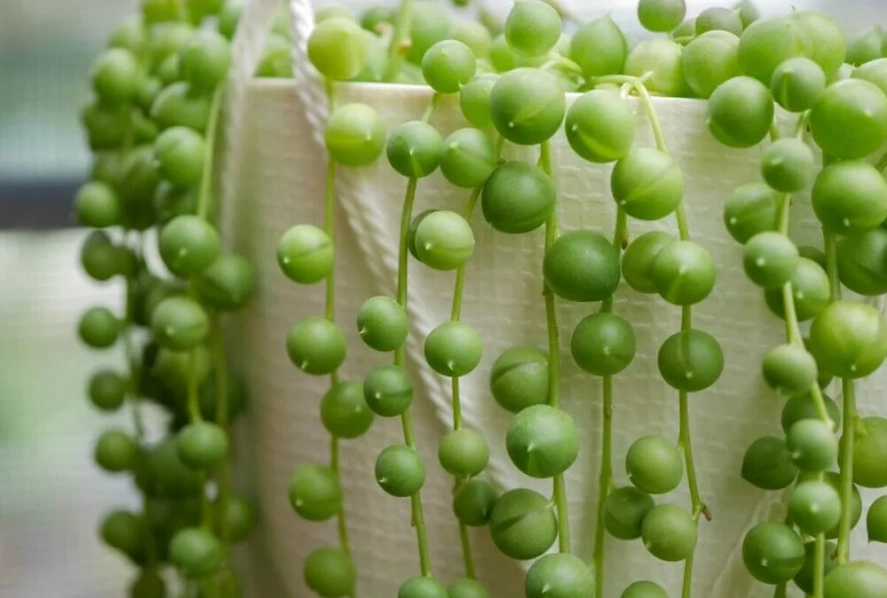
What it wants: Very bright, indirect light. A few hours of gentle morning sun is fantastic. An east-facing window is often ideal. A south or west-facing window is great too, but you might need to diffuse the harsh afternoon sun with a sheer curtain, especially in summer, to prevent sunburn. Those pearls can literally scorch and scar.
What happens if it doesn't get enough light? This is where people get confused. The plant won't immediately die. It will etiolate. That's a fancy word for it gets leggy. The spaces between the pearls (internodes) will stretch out, making the strands look sparse and weak. The pearls might also become smaller and lose their plump, round shape. Growth will slow to a crawl. A leggy String of Pearls is also a weaker plant, more susceptible to overwatering and rot because it's not actively growing and using water.
Can it grow under grow lights? Absolutely. In fact, for many homes, especially in winter or in rooms with poor natural light, a grow light is the secret weapon for impeccable string of pearls care. A simple LED grow light placed 6-12 inches above the plant for 12-14 hours a day will keep it compact and happy.
| Light Situation | What to Expect | Action Needed |
|---|---|---|
| Bright Indirect Light (East Window) | Compact growth, fast growth, plump pearls. Ideal. | None. You've hit the jackpot. |
| Direct Afternoon Sun (South/West) | Risk of sunburn (brown, crispy patches). | Use a sheer curtain to diffuse light. |
| Low Light (North Window/Far from window) | Leggy growth, small pearls, slow growth, higher rot risk. | Move immediately or supplement with a grow light. |
| Grow Light Only | Excellent, controlled growth. Can be better than inconsistent natural light. | Ensure 12+ hours of light per day. |
Watering: The Art of the Soak and Dry (Not Damp and Die)
If light is the foundation, watering is the architecture. Mess this up, and the whole thing collapses. The golden rule for string of pearls watering is: Soak it thoroughly, then let it dry out almost completely. I cannot stress the "dry out" part enough.
How to know when to water: Forget the calendar. Seriously, throw it out. The best method is the "Pinch Test." Gently squeeze a few pearls near the soil surface. If they feel firm and plump, hold off. If they feel slightly soft, have a little give, and look a bit less round (the "window" on the pearl may also look slightly sunken), it's time. Another good sign is the soil itself—it should be bone dry an inch or two down.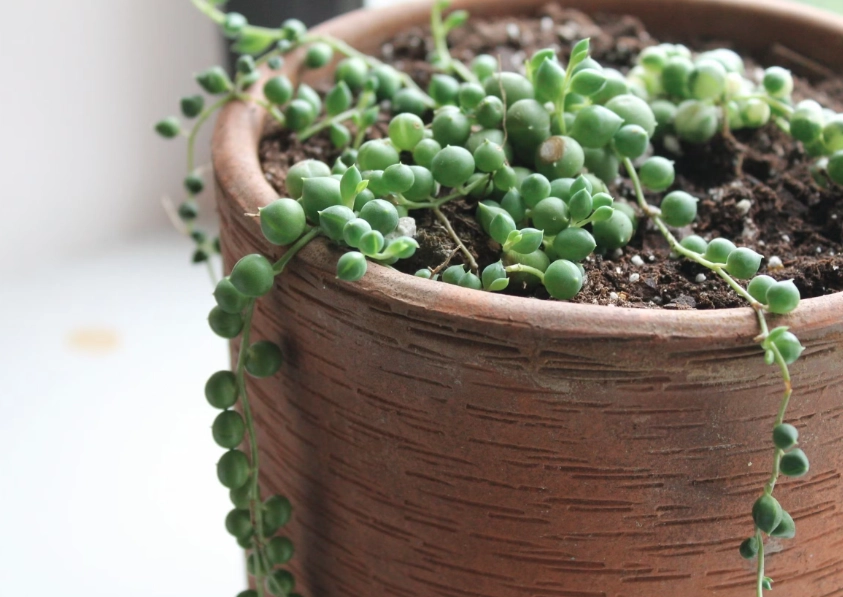
How to water correctly:
- Take your plant to the sink or use a watering can with a long spout.
- Water slowly and evenly all over the soil surface until water runs freely out of the drainage holes. This ensures the entire root ball gets moisture.
- Let it drain completely. No plant likes soggy bottoms. Never let it sit in a saucer of water.
- Return it to its spot. Then, ignore it for a good while.
Frequency? In a bright spot during warm, growing seasons (spring/summer), this might be every 10-14 days. In lower light or during winter dormancy, it could be once a month or even longer. Always, always let the plant tell you.
Soil and Pot: Building the Right Home
Your watering efforts are completely futile if the plant is sitting in the wrong soil in the wrong pot. This is critical.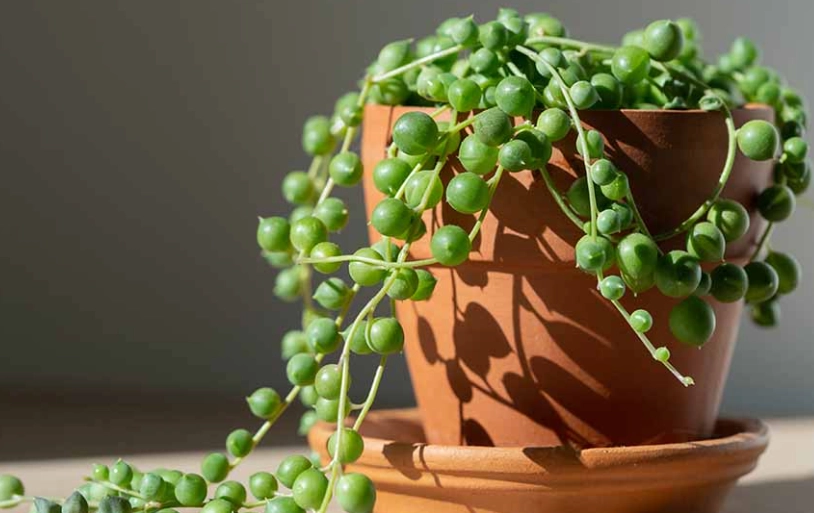
The Perfect Soil Mix
You need a mix that drains incredibly fast. Standard potting soil will hold too much moisture and suffocate the roots. A good DIY mix is:
- 50% succulent & cactus potting mix (like Miracle-Gro's, but even that benefits from extra grit)
- 50% inorganic material (like perlite, pumice, or coarse horticultural sand)
This creates an airy, fast-draining environment. The roots get oxygen and water flows through quickly, preventing rot. For a pre-made, high-quality option, many growers swear by brands like Bonsai Jack's gritty mix, which is essentially just inorganic material.
Choosing the Right Pot
Material and size matter more than aesthetics here.
- Material: Terracotta or unglazed clay is king. It's porous, allowing the soil to dry from the sides as well as the top. Plastic or glazed ceramic pots retain moisture much longer. If you use one, be extra vigilant with watering and ensure your soil mix is extra gritty.
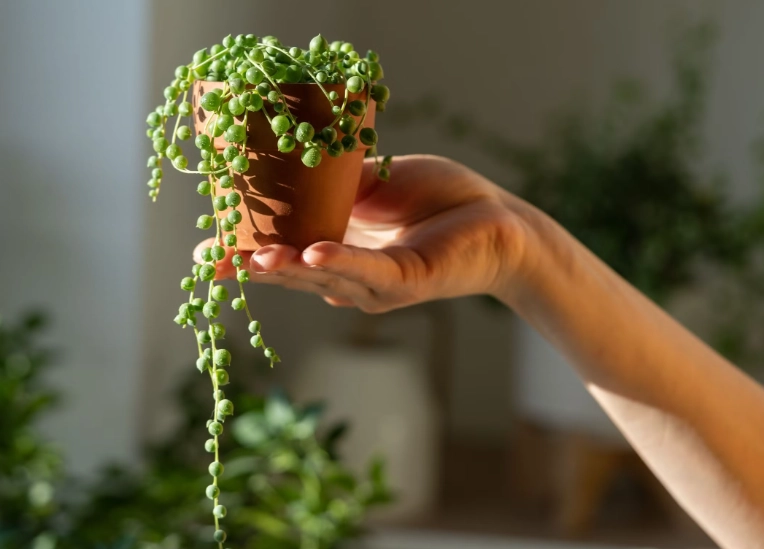
- Size: Shallow and wide is better than deep and narrow. Remember, this is a shallow-rooted, trailing plant. A deep pot holds wet soil at the bottom where there are no roots to drink it, creating a rot zone. A wide, shallow pot or even a hanging basket mimics its natural growing conditions and allows for better soil drying.
- Drainage: Non-negotiable. The pot must have at least one drainage hole.
Temperature, Humidity, and Fertilizing
Temperature: They enjoy average room temperatures (65-80°F / 18-27°C). They are not cold-hardy. Keep them away from drafts, air conditioning vents, and cold windows in winter. Temperatures below 50°F (10°C) can damage them.
Humidity: Average household humidity is fine. They don't need high humidity like tropical plants. In fact, good air circulation (a gentle fan in the room) is more beneficial than high humidity, as it helps prevent fungal issues and speeds soil drying.
Fertilizing: Less is more. Feed only during the active growing season (spring and summer). Use a balanced, water-soluble fertilizer diluted to half-strength (or use a fertilizer specifically formulated for succulents) once a month. Do not fertilize in fall and winter. Over-fertilizing can lead to weak growth and salt buildup in the soil.
Propagation: Making More Pearl Babies
This is the fun part! Propagating String of Pearls is surprisingly easy and a great way to save a leggy plant or share with friends. You have two main methods: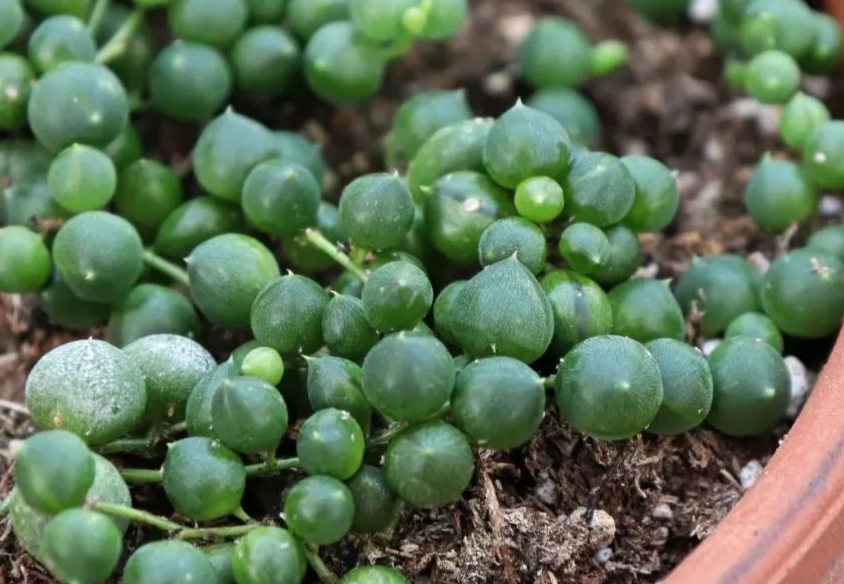
1. The Stem Cutting Method (My Go-To):
- Cut a healthy strand, at least 4-5 inches long.
- Remove a few pearls from the bottom inch or two of the stem to expose the nodes (those little bumps where the pearls were attached). This is where roots will form.
- Let the cut end callous over for a day. This prevents rot when planting.
- Coil the stripped end on top of moist, well-draining soil in a small pot. You can use a bent paperclip or hairpin to gently pin the stem to the soil to ensure contact.
- Place in bright, indirect light and keep the soil *lightly* moist (not wet) until you see new growth, which indicates rooting. Then, revert to the normal soak-and-dry method.
2. The Butterfly Method (For a Fuller Pot Fast):
- Cut a strand into segments, each with 2-3 pearls. Each segment is a "butterfly."
- Let them callous.
- Lay them flat on top of the soil, pressing the nodes gently into contact with the soil.
- Care for them as above. This method gives you multiple starting points for a bushier plant quickly.
Troubleshooting: Solving Common String of Pearls Problems
Here’s where we diagnose the issues you're probably facing.
Advanced Tips for a Lush, Trailing Masterpiece
Once you've mastered survival, let's talk about thriving.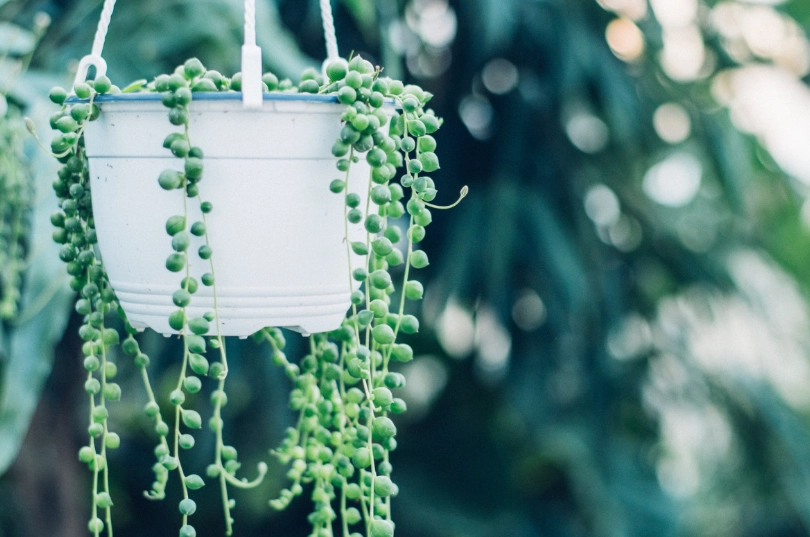
Pruning for Fullness: Don't be afraid to prune! Regularly pinching or cutting back the longest strands encourages the plant to branch out from lower nodes, creating a bushier plant. You can literally take those cuttings and stick them right back into the soil of the same pot to fill it out. This is the single best trick for a non-sparse, luxurious look.
The Summer Outdoor Vacation: If you have a sheltered spot (like a patio with morning sun or dappled shade), giving your String of Pearls a summer outdoors can supercharge its growth. The increased light and air circulation are phenomenal. Just acclimate it slowly over a week to prevent sunburn, and be mindful of heavy rain—make sure it's in a spot that won't get waterlogged.
Understanding Dormancy: Like many succulents, String of Pearls has a slower growth period in the cooler, lower-light winter months. During this time, water much more sparingly and do not fertilize. It's not dead; it's just resting.
Final Thoughts: It's a Relationship
Caring for a String of Pearls isn't about following a rigid list. It's about observing. Poke the pearls. Lift the pot to feel its weight (light pot = needs water). Look at the color and spacing of the new growth. This plant communicates its needs clearly if you pay attention.
Start with the fundamentals—brilliant light, gritty soil, and infrequent but thorough watering—and you'll avoid 95% of problems. For more detailed botanical background and classification, resources like the Missouri Botanical Garden's plant finder are invaluable. And if you're looking for general best practices on succulent care that align with what we've discussed, the National Gardening Association has a great foundational guide on growing succulents indoors.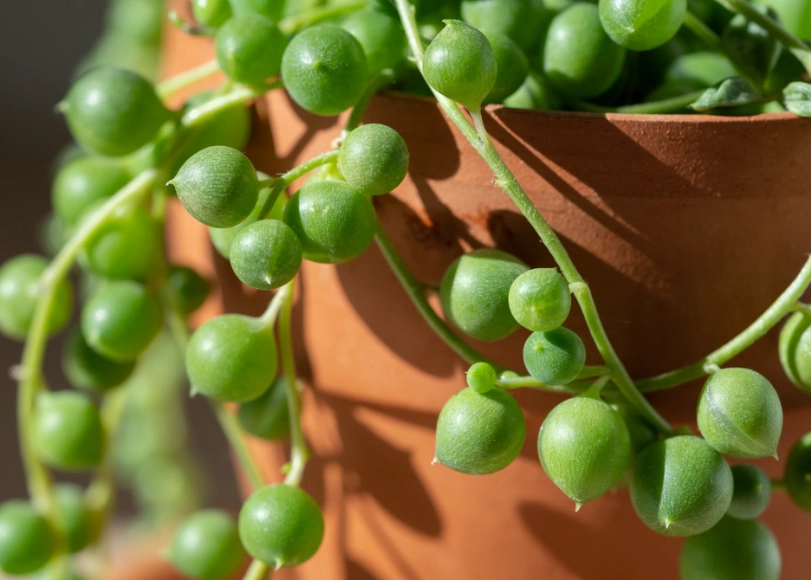
Don't get discouraged by a misstep. I've killed my share. Each one taught me something. Now, my main plant is a beast, trailing several feet long. Yours can be too. Just give it what it actually wants, not what you *think* it wants. Good luck!
Comments