Quick Guide
Let's talk about the Aglaonema Siam. You've probably seen it—those deep green leaves splashed with vibrant pink and red, looking almost too good to be true in a corner of someone's living room or lighting up a shelf on Instagram. It's one of those plants that makes you stop and look twice. I remember picking up my first one, a small pot from a local nursery, drawn in by that fiery color. I thought, "How hard can it be? It's just a houseplant."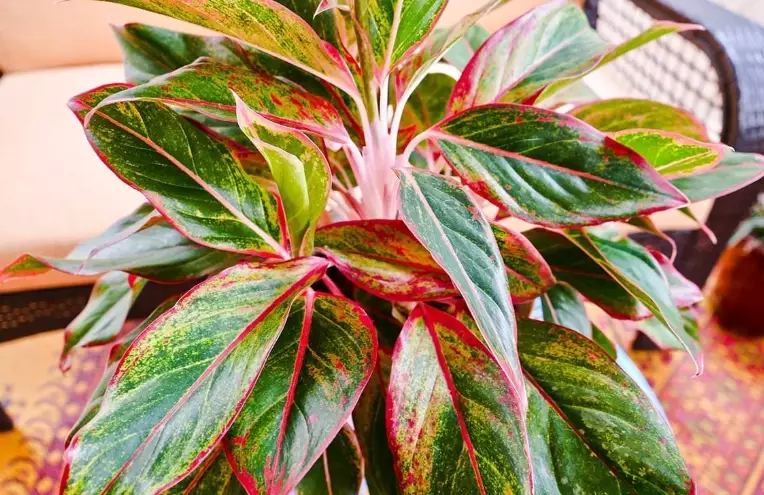
Well, I learned a few things the hard way. That first Aglaonema Siam taught me more about patience and observation than any gardening book. Its colors faded, a leaf turned yellow… it was a humbling start. But once you get the hang of it, this plant is surprisingly forgiving and endlessly rewarding. It's not just a pretty face; it's a robust companion that purifies your air (a fact backed by the famous NASA Clean Air Study) and brings a pop of life to any space. If you're curious about this particular Chinese Evergreen, you're in the right place. We're going to dig into everything, from keeping those reds bright to troubleshooting the droops and sighs.
What Exactly is an Aglaonema Siam?
First off, let's clear up the name. "Aglaonema" is the genus, a group of plants often called Chinese Evergreens. "Siam" is the specific cultivar name, like a first name for this particular variety. So, Aglaonema Siam, Red Aglaonema, Siam Aurora—they're all talking about the same stunning plant. It's part of the Araceae family, sharing lineage with peace lilies and monsteras.
What sets it apart is the coloration. While many Chinese Evergreens sport silvery or white variegation, the Aglaonema Siam goes for drama. The centers of its large, lance-shaped leaves are a deep, luxurious green. But the edges and the major veins are where the magic happens—they flush with a brilliant pinkish-red that can deepen to a crimson in perfect conditions. It's a slow to moderate grower, so don't expect a jungle overnight, but the wait is worth it for each perfect new leaf that unfurls.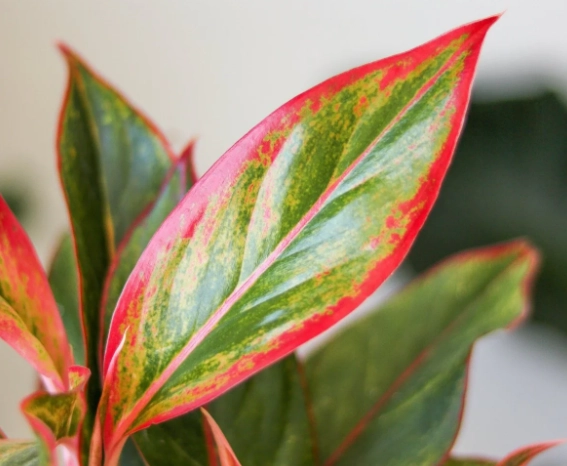
The Non-Negotiable Care Guide for Your Aglaonema Siam
This is where we separate the thriving plants from the merely surviving ones. The care for an Aglaonema Siam isn't complicated, but it has specific preferences. Ignore them, and it'll let you know. Follow them, and it becomes one of the easiest, most stunning plants you own.
Light: The Secret to Those Red Leaves
This is the biggest factor for the Aglaonema Siam's iconic color. Think of light as its food for pigmentation.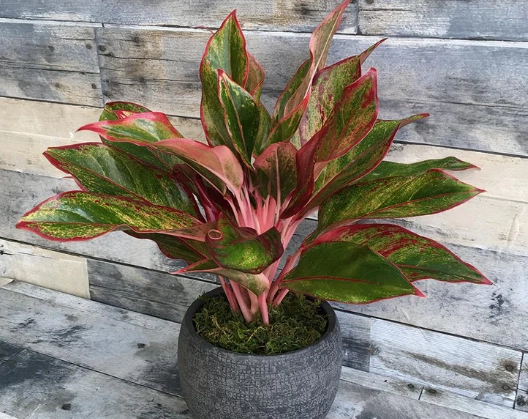
Bright, indirect light is the sweet spot. A spot near an east or north-facing window is ideal. A few feet back from a south or west window (behind a sheer curtain) works great too. The goal is to give it plenty of light without letting the harsh afternoon sun scorch its beautiful leaves. I made that mistake early on—a crispy brown tip is a sad sight.
What about low light? Here's the thing: the Aglaonema Siam will *survive* in lower light. It's tolerant. But "survive" is the key word. In dim corners, the plant will focus all its energy on just staying alive. The growth will slow to a crawl, and—this is the kicker—those stunning red and pink hues will fade, often turning to a dull green or a washed-out cream. If you bought it for the color, you'll lose the main attraction.
Watering: The Balancing Act
Overwatering is the number one killer of houseplants, and the Aglaonema Siam is no exception. Its roots need to breathe. The best method? The finger test. Forget the schedule.
Stick your finger about 2 inches into the soil. Is it dry? Then it's time to water. Is it still damp? Wait. It's that simple. In the warmer, brighter growing season (spring and summer), you might water once a week. In the dormant winter months, it could be every two or even three weeks. The plant will tell you. I've found mine gets thirstier when it's pushing out a new leaf.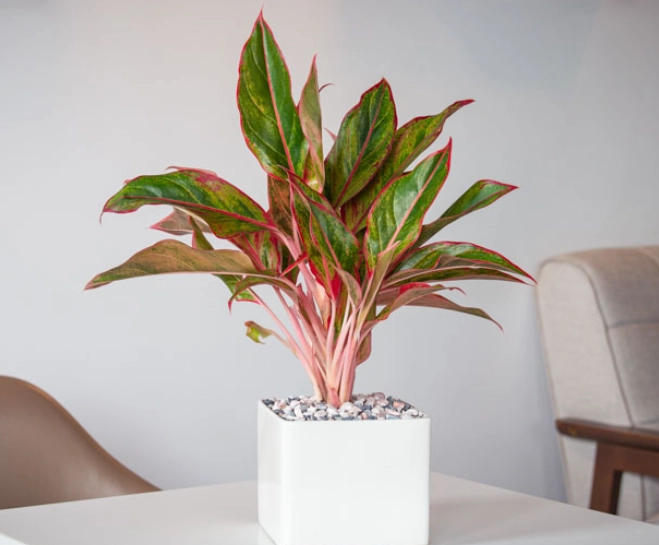
When you do water, do it thoroughly. Pour water evenly over the soil until you see it start to run out of the drainage holes at the bottom of the pot. This ensures the entire root ball gets moisture. Then, let it drain completely. Never let your Aglaonema Siam sit in a saucer of water—that's a direct ticket to root rot city.
Soil and Potting: Building a Good Home
This plant hates wet feet. So, the soil needs to be well-draining yet able to retain a little moisture. A standard, high-quality potting mix is a good start, but I always amend it. Here's my go-to recipe that has never failed me:
- 60% All-Purpose Potting Mix: The base.
- 30% Perlite or Pumice: This is crucial for aeration and drainage. It creates air pockets in the soil.
- 10% Orchid Bark or Coco Coir: Adds chunkiness and improves texture.
As for the pot, drainage holes are non-negotiable. Terracotta pots are fantastic for Aglaonema Siam because they're porous and help wick away excess moisture from the soil. Plastic or ceramic pots are fine too, just be a little more careful with your watering. Only repot when the plant is root-bound (you see roots circling the bottom or poking out the holes), and only go up one pot size (about 1-2 inches wider in diameter). Too big a pot means too much wet soil around the roots.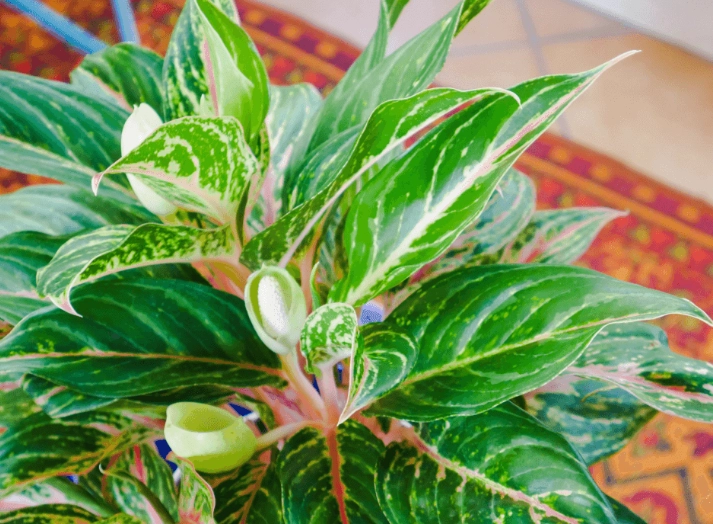
Temperature, Humidity & Food
Temperature: Keep it cozy, between 65°F and 80°F (18°C - 27°C). Avoid drafts, air conditioning vents, and heating vents. Sudden temperature drops can cause shock.
Humidity: This is where the Aglaonema Siam shows its tropical side. It prefers moderate to high humidity (above 50%). If your air is dry (especially in winter), you might see brown, crispy leaf tips. This is a common complaint. To fix it:
- Use a humidifier nearby (the most effective solution).
- Place the pot on a tray filled with pebbles and water (ensure the pot sits above the water line).
- Group it with other plants to create a microclimate.
Fertilizing: Less is more. During the growing season (spring and summer), feed it once a month with a balanced, water-soluble fertilizer diluted to half strength. Think of it as a light vitamin boost, not a full meal. Stop fertilizing completely in fall and winter when the plant isn't actively growing.
Solving Common Aglaonema Siam Problems
Even with great care, things can happen. Here’s a quick-reference table for the most common issues.
| Symptom | Likely Cause | How to Fix It |
|---|---|---|
| Yellowing leaves | Most often overwatering. Could also be natural aging of lower leaves. | Check soil moisture. Let dry out more between waterings. Remove yellow leaves. |
| Brown, crispy leaf tips or edges | Low humidity or inconsistent watering (soil drying out too much). | Increase humidity. Stick to a more consistent watering routine using the finger test. |
| Leaves losing red/pink color, turning green | Not enough light. | Gradually move plant to a brighter location with indirect light. |
| Leaves curling inwards | Underwatering, low humidity, or too much direct sun. | Check soil, water if dry, assess light and humidity conditions. |
| Drooping or wilting leaves | Could be underwatering OR overwatering (root rot). | Check the soil! Dry = needs water. Soggy = root rot suspect. For rot, repot into fresh, dry soil and trim mushy roots. |
| Slow or no growth | Low light, dormant season (winter), or need for fertilizer. | Ensure adequate light. Feed lightly in growing season. Be patient in winter. |
How to Propagate Your Aglaonema Siam: Make More Plants!
Got a healthy, mature Aglaonema Siam? You can create more! The easiest way is by division during repotting. When you take the plant out of its pot, you might see natural clumps or separate stems with their own root systems. Gently tease these apart and pot them individually. It's instant new plants.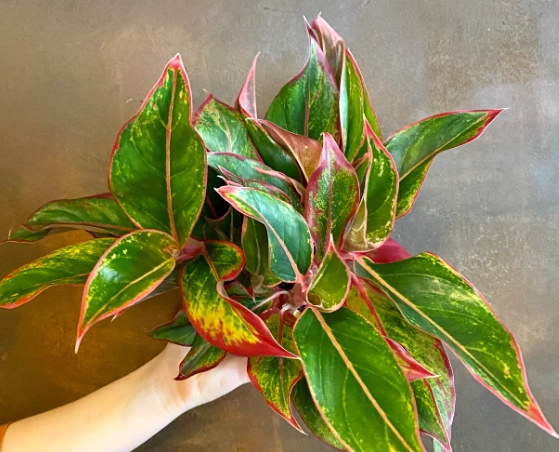
The other popular method is stem cuttings. Here's how I do it:
- Cut a healthy stem with at least a few leaves, about 4-6 inches long. Make the cut just below a leaf node (the little bump on the stem where leaves grow from).
- You can root it in water or directly in soil.
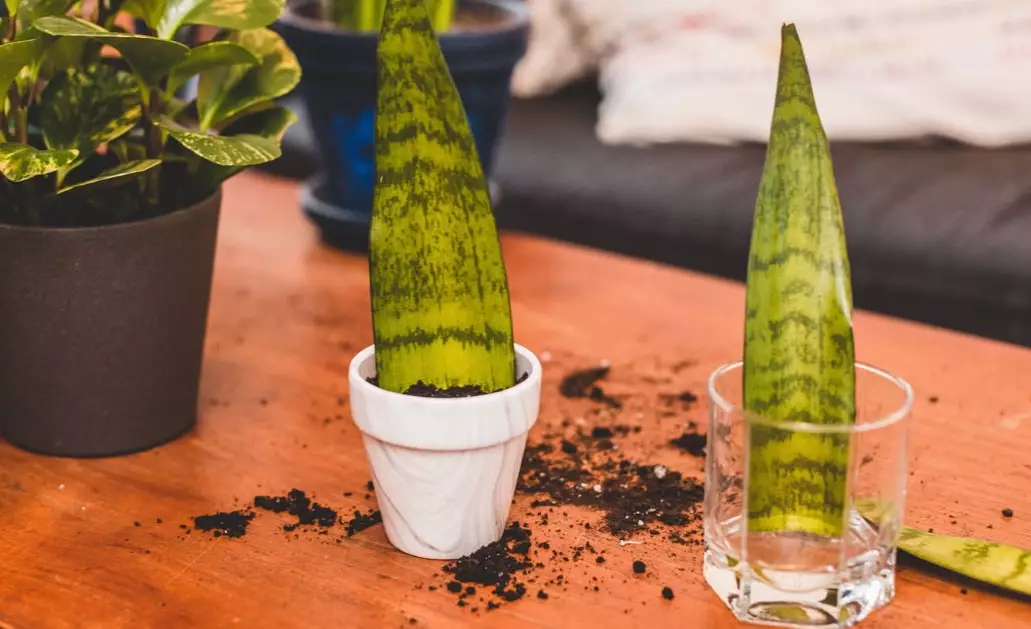
- Water: Place the cutting in a glass of water, ensuring no leaves are submerged. Change the water weekly. Roots should appear in a few weeks. Wait until they're a couple inches long before potting in soil.
- Soil: Dip the cut end in rooting hormone (optional but helpful) and plant it in a small pot with moist, well-draining mix. Cover the pot with a plastic bag to create humidity. Keep the soil slightly moist. New growth is a sign of success.
Propagation is best done in spring or early summer when the plant is in its active growth phase.
Your Aglaonema Siam Questions Answered
Is the Aglaonema Siam toxic to pets?
Yes. Like all Aglaonemas, it contains calcium oxalate crystals. If ingested, it can cause irritation of the mouth, drooling, and vomiting in cats and dogs. It's not typically fatal, but it's unpleasant. The ASPCA lists Aglaonema as toxic. Keep it out of reach of curious pets.
How fast does it grow?
Don't expect a pothos-level speed demon. Under good conditions, you might get 4-6 new leaves per growing season. It's a slow and steady plant, which I actually prefer. It gives you time to appreciate each new leaf.
Why are the stems of my Aglaonema Siam so long and leggy?
This is usually a sign of insufficient light. The plant is stretching out, trying to find a brighter spot. The stems elongate, and the leaves get spaced farther apart. Solution? More indirect light. You can also prune back the leggy stems to encourage bushier growth from the base.
Can I put my Aglaonema Siam outside?
In the summer, if you live in a warm climate (USDA zones 10-12), you can, but with caution. It must be in a fully shaded, sheltered spot. Never in direct sun. And always bring it back inside well before nighttime temperatures dip below 60°F. Personally, I keep mine indoors year-round to avoid shocking it with changes and to keep pests at bay.
How much does an Aglaonema Siam cost?
It's become more common, so prices have come down. A small 4-inch pot might cost $15-$25. A larger, more mature specimen in a 6-inch or 8-inch pot can range from $30 to $60 or more, depending on the size and where you buy it. Specialty online nurseries might charge a premium.
Wrapping It Up: Is the Aglaonema Siam Right for You?
So, after all this, should you get one? If you have a spot with decent indirect light and you're willing to check the soil before watering, then absolutely. The Aglaonema Siam is a fantastic choice. It's more forgiving than a fiddle leaf fig, more colorful than a snake plant, and has that architectural presence that makes a room feel designed.
Its air-purifying qualities are a nice bonus, and its moderate growth means it won't outgrow its space too quickly. The key takeaways are simple: bright indirect light for color, careful watering for health, and a bit of humidity for perfection. Avoid cold drafts and soggy soil at all costs.
If you're looking to dive deeper into the world of Aglaonema, the USDA Plants Database provides official botanical classification and information, which is great for understanding its scientific background.
Give the Aglaonema Siam a try. Start with a small one, learn its language, and enjoy the process. That vibrant red aglaonema might just become your new favorite plant.
Comments