Let's cut to the chase. If you're using regular potting soil for your aloe vera, you're setting yourself up for a struggle. I learned this the hard way years ago when I nearly killed a beautiful, mature aloe by treating it like my pothos. The leaves turned mushy, the color faded, and the base felt suspiciously soft. The culprit? Soil that held onto moisture like a sponge. That's when I switched to a cactus and succulent mix, and it wasn't just a change—it was a revelation. This guide isn't about repeating generic advice. We're diving into the why, the how, and the expert-level tweaks that turn a simple bag of cactus mix into the perfect home for your aloe vera.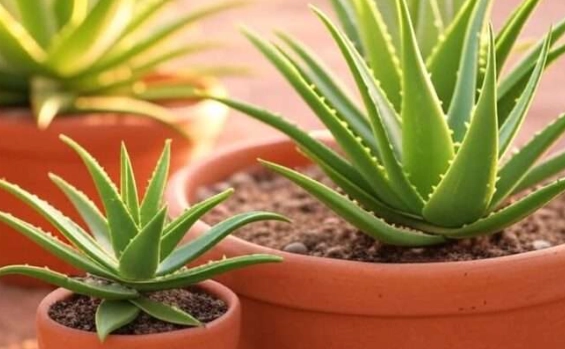
What’s Inside This Guide
Why Aloe Vera Needs a Cactus Mix (The Science Bit)
Aloe vera is a succulent. This isn't just a label; it's a survival blueprint. In its native arid environments, aloe stores water in its thick, fleshy leaves and has evolved to thrive in gritty, fast-draining, nutrient-poor soil. Its root system is designed to quickly absorb sudden rainfall and then endure long periods of dryness.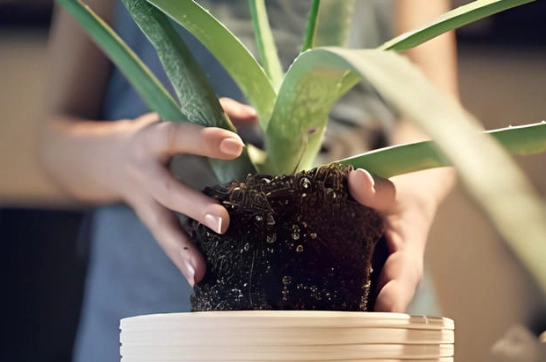
Regular potting mix is formulated to retain moisture and provide sustained nutrients for foliage plants. For aloe, this environment is a death trap. The constant dampness around the roots:
- Suffocates the roots, preventing oxygen from reaching them.
- Creates a breeding ground for soil-borne fungi that cause root rot—the number one killer of potted aloe vera.
- Leads to soft, discolored, and eventually collapsing leaves.
A quality cactus mix for aloe vera reverses this. It's engineered for one primary function: rapid drainage. This mimics the natural cycle of a heavy downpour followed by quick drying, which is exactly what aloe roots crave.
Store-Bought vs. DIY: Choosing Your Aloe Vera Soil Mix
You have two paths: grab a bag off the shelf or mix your own. Neither is inherently wrong, but one gives you far more control.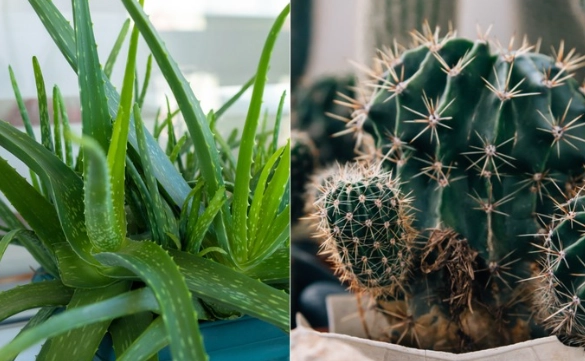
The Reality of Commercial Cactus Mixes
Most store-bought succulent and cactus mixes are a good starting point, but here's the insider tip many blogs miss: they're often still too moisture-retentive for aloe vera in humid climates or low-light indoor settings. Many brands use a high percentage of peat moss or coir, which breaks down and compacts over time, reducing aeration.
If you buy a bag, be prepared to amend it. I usually mix a bag of commercial cactus soil with an equal amount of additional perlite or coarse sand. It feels like cheating the system, but it works.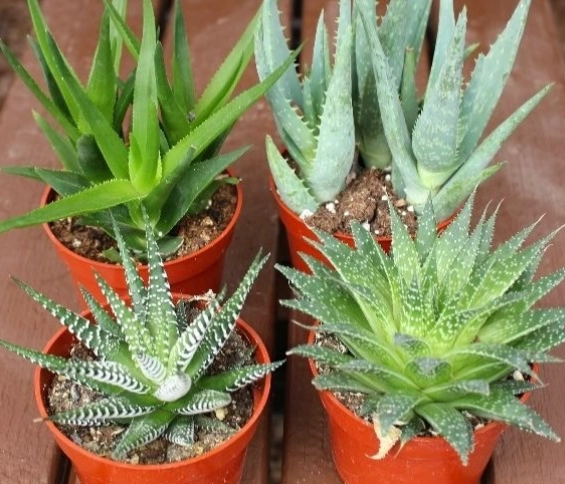
The Case for a DIY Succulent Potting Mix
Making your own is simpler than you think. It's cheaper per volume, and you know exactly what's in it. You can adjust the recipe based on your home's humidity, pot material (terracotta dries faster than plastic), and your personal watering habits.
The core principle is combining ingredients for drainage (perlite, pumice, coarse sand), structure (pine bark fines, coco chips), and a small amount of water/nutrient retention (coco coir or a tiny bit of potting soil).
How to Make Your Own Cactus Mix for Aloe Vera
Here is my go-to, battle-tested recipe. It's not the only one, but it has never failed me or my plants. You can find these components at any garden center or online.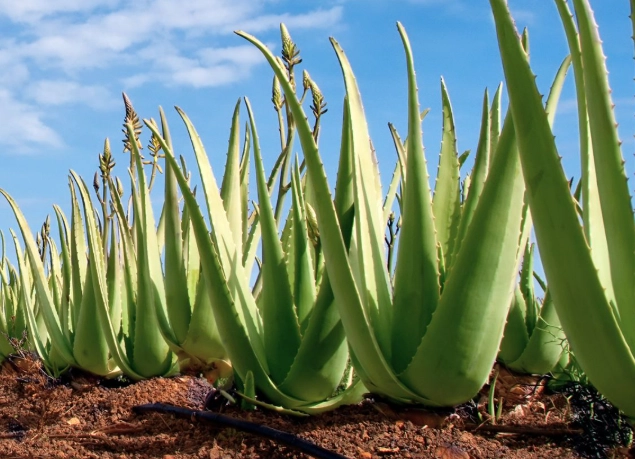
| Ingredient | Portion | Primary Function | Notes & Expert Tweaks |
|---|---|---|---|
| Potting Soil (Cactus Mix or All-Purpose) | 1 Part | Base, minimal nutrient/water retention. | Use a commercial cactus mix as the base, or sift an all-purpose mix to remove fine particles. This is the smallest component. |
| Coarse Sand (Horticultural Grit) | 1 Part | Drainage, weight, prevents compaction. | CRUCIAL: Use coarse builder's sand or horticultural grit. Never use fine play sand or beach sand—it turns into concrete. |
| Perlite or Pumice | 1 Part | Aeration, drainage, lightness. | Pumice is better (doesn't float, provides minerals) but perlite is more accessible. This is your main drainage agent. |
| Pine Bark Fines or Coco Chips | 1/2 Part | Long-term structure, mimics organic debris. | Adds air pockets as it slowly decomposes. Prevents the mix from becoming inert over time. |
Mix everything thoroughly in a large tub. Put on a mask if you're using perlite—the dust is no good to breathe. The final mix should look and feel incredibly chunky and loose. If you squeeze a handful, it should fall apart immediately. If it clumps, add more perlite or sand.
Step-by-Step: How to Repot Your Aloe Vera into Cactus Mix
Timing is everything. The best time to repot is in the spring or early summer, when the plant is entering its active growth phase and can recover quickly.
1. The Unpotting. Water your aloe lightly a day or two before repotting—slightly damp roots are more flexible and less brittle. Tip the pot, support the plant at its base, and gently work it out. Don't yank it by the leaves.
2. The Root Inspection. This is your chance for a health check. Gently shake off the old soil. Look for roots: healthy ones are firm and light-colored (white or tan). Rotten roots are dark brown/black, mushy, and may smell foul. Using clean scissors or pruners, cut away any rotten roots back to healthy tissue.
3. Pot Selection. Always choose a pot with a drainage hole. Terracotta is ideal because it's porous and wicks away moisture. Size up only 1-2 inches in diameter from the old pot. An oversized pot holds too much wet soil, defeating the purpose of your fast-draining mix.
4. The Planting. Place a piece of mesh or a shard over the drainage hole to keep soil in. Add a layer of your new cactus mix. Position your aloe so the base of the plant (where the leaves meet the roots) sits just below the pot's rim. Fill in around the roots with more mix, gently tamping it down to remove large air pockets. Don't pack it tightly.
5. The Critical Pause. Here's the non-consensus step most guides skip: DO NOT WATER IMMEDIATELY. Any root damage during repotting needs time to callous over. Watering right away invites rot. Place your newly potted aloe in bright, indirect light and wait 5-7 days before giving it its first thorough drink.
The Critical First Weeks: Post-Repotting Care
Your plant is in shock, even if it doesn't look like it. Care now determines success.
Light: Provide bright, indirect light for at least two weeks. Avoid direct, scorching sun which adds stress.
Watering After the Wait: After the 5-7 day wait, water thoroughly until it runs freely from the drainage hole. Then, let the pot dry out completely. How do you know? Stick your finger deep into the soil. If it feels even slightly cool or damp, wait. With a proper cactus mix, this drying period will be much faster than before.
Signs of Success: New, firm growth from the center is the ultimate sign your aloe is happy. Some bottom leaves may yellow and be reabsorbed—this is normal as the plant redirects energy.
Your Aloe Vera Soil Questions, Answered
My aloe vera is in regular potting soil and seems fine. Should I still switch?
It's surviving, not thriving. The risk is cumulative. The organic matter in regular soil breaks down and compacts over 12-18 months, slowly reducing aeration around the roots. By the time you see above-ground symptoms (mushy leaves), significant root damage has often already occurred. Switching to a cactus mix is preventative healthcare for your plant.
Can I use just any sand from the hardware store for my DIY mix?
No, and this is a critical distinction. You need coarse, sharp, or builder's sand. The grains should be like tiny pebbles. Fine, powdery "play sand" or silica sand will fill all the air spaces in your mix, creating a dense, cement-like medium that drains worse than plain soil. Always feel it before you buy it.
How often should I repot my aloe vera with cactus mix?
Every 2-3 years, or when you see roots circling the bottom of the pot or emerging from the drainage hole. Even the best inorganic mixes can settle and lose some structure over time. Repotting refreshes the environment and gives you a chance to check root health.
My cactus mix dries out incredibly fast. Am I underwatering?
Fast drying is the goal! The mistake is watering on a schedule (e.g., "once a week"). Instead, water only when the soil is 100% dry throughout the pot. For a mature aloe in a good cactus mix, this could mean watering every 10-14 days indoors, or even longer in winter. When you do water, make it a deep, thorough soak until water runs out the bottom.
Do I need to add fertilizer to a cactus mix for aloe vera?
Very little, and only during the growing season (spring/summer). These plants are adapted to low nutrients. A balanced, water-soluble fertilizer diluted to half-strength, applied once at the start of the growing season and maybe once more mid-summer, is plenty. More fertilizer leads to weak, leggy growth and can harm the roots.
The right cactus mix for your aloe vera isn't a luxury; it's the foundation. It transforms your care from a constant battle against overwatering into a simple rhythm of soak and dry. By understanding the ingredients and the repotting process, you're not just following instructions—you're giving your plant what it truly needs to be resilient and healthy for years. Start with a good mix, and everything else, from watering to troubleshooting, becomes remarkably easier.
Comments