That glossy, heart-shaped leaf. That bizarre, waxy flower spathe in shocking pink or red that seems to last forever. The anthurium, or flamingo flower, has a way of grabbing attention. It looks exotic and maybe a bit fussy. But here's the secret I've learned after killing my fair share and finally keeping several thriving for years: it's not a diva. It just has specific, non-negotiable needs that most care guides gloss over. Get those right, and you'll have a plant that rewards you with near-constant color. Get them wrong, and it'll slowly sulk into a yellow-leaved mess. Let's cut through the generic advice.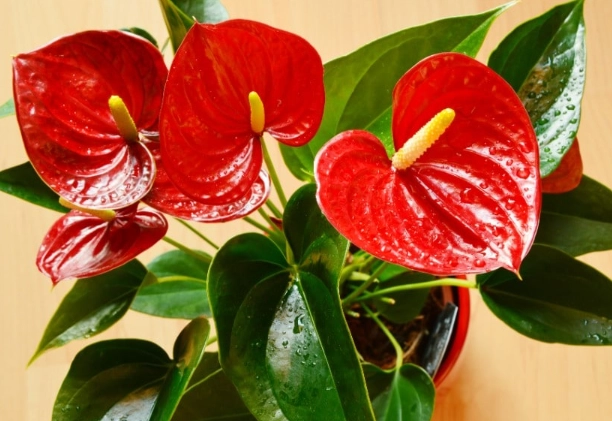
What You'll Learn
- How to Water Your Anthurium Flamingo Flower Correctly (The Biggest Mistake)
- The Right Light for Your Flamingo Plant: It's Not What You Think
- Soil and Potting: Creating the Perfect Home for Roots
- Feeding for Flowers: A Simple Fertilizer Schedule
- Common Anthurium Problems and How to Fix Them
- Repotting Your Anthurium: A Step-by-Step Visual Guide
- FAQ: Your Anthurium Flamingo Flower Questions Answered
How to Water Your Anthurium Flamingo Flower Correctly (The Biggest Mistake)
This is where almost everyone fails. The standard advice is "keep the soil evenly moist." For anthuriums, that's a death sentence. They are epiphytes in the wild, like orchids, meaning their roots cling to trees and get frequent rain but also plenty of air. They hate soggy feet.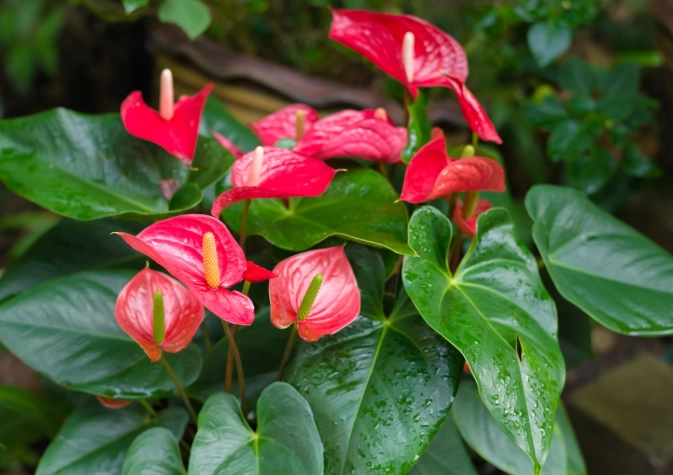
My method, born from sad experience: water deeply, then let the pot get almost completely dry before watering again. I mean, stick your finger in the soil up to the second knuckle. If it feels dry, wait another day or two. Then, take the plant to the sink and drench it until water runs freely out the bottom. Let it drain completely before putting it back in its decorative pot or saucer. Never let it sit in water.
How often? There's no weekly schedule. In my bright bathroom, a small anthurium might need water every 5-7 days in summer. The big one in my living room, in lower light, goes 10-14 days between drinks in winter. The plant tells you.
The Finger Test vs. Moisture Meters
I don't trust cheap moisture meters. They're often inaccurate and can damage roots. Your finger is free and reliable. If you're unsure, err on the side of underwatering. A thirsty anthurium will wilt slightly, and the leaves may get limp. An overwatered one gets yellow leaves and a general look of despair—and by then, root rot may have set in.
Water Quality Matters More Than You Think
Anthuriums are sensitive to salts and chemicals. If your tap water is very hard or heavily chlorinated, use filtered, rainwater, or distilled water. You'll notice fewer brown leaf tips. I fill a watering can and let it sit overnight to let chlorine evaporate. It's a simple trick that helps.
The Right Light for Your Flamingo Plant: It's Not What You Think
No flowers? The first question is always about light. Anthuriums need bright, indirect light to bloom. But "bright indirect" is a term thrown around too loosely.
Here's a concrete test: place your hand about a foot above the leaves around midday. If you see a soft, fuzzy shadow, that's perfect. A sharp, defined shadow means it's too direct (and will scorch the leaves). No shadow at all means it's too dark (and you'll only get leaves, no flowers).
An east-facing window is often ideal. A west-facing window might need a sheer curtain. A north window may be too dim unless it's very large and unobstructed. A south window is usually too harsh. I have my most prolific bloomer about 3 feet back from a large east window. It gets that gentle morning sun and bright light the rest of the day.
What about artificial light? Absolutely. A good LED grow light placed about 12-18 inches above the plant for 12-14 hours a day can work wonders, especially in darker homes. I used one over winter on a timer, and my plant put out two new flowers when everything else was dormant.
Soil and Potting: Creating the Perfect Home for Roots
Garden soil or dense potting mix will suffocate anthurium roots. They need a chunky, airy, well-draining medium. Think of it as a bed for the roots, not just dirt.
You can buy aroid mix, or make your own. My go-to recipe is simple:
- 40% high-quality orchid bark (medium grade)
- 30% coarse perlite
- 20% coconut coir (or peat moss, though coir is more sustainable)
- 10% horticultural charcoal (helps keep the mix fresh and absorbs impurities)
This mix drains incredibly fast but retains just enough moisture around the roots. When you water, it should flow through quickly, not pool on the surface.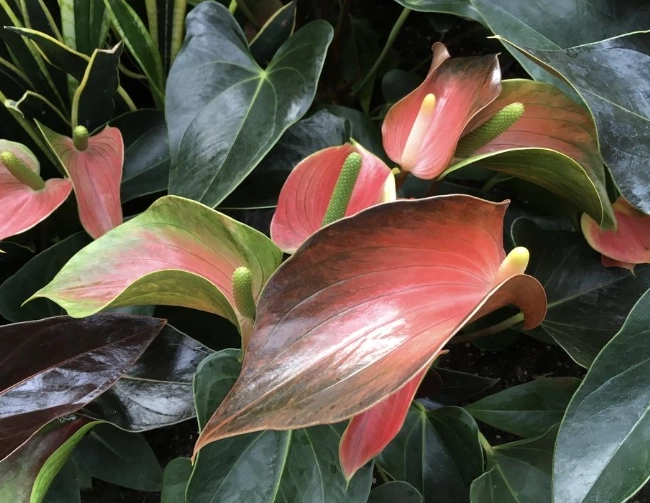
Feeding for Flowers: A Simple Fertilizer Schedule
Anthuriums aren't heavy feeders, but they do need food to produce those spectacular blooms. The key is a balanced, weak fertilizer applied regularly during the growing season (spring and summer).
I use a balanced liquid fertilizer (like a 10-10-10 or 20-20-20) but dilute it to half or even a quarter strength. I feed every 6-8 weeks when I water. Over-fertilizing, especially with strong doses, will burn the roots and cause salt buildup in the soil, which shows as brown, crispy leaf edges.
In fall and winter, I stop feeding entirely. The plant's growth slows, and it doesn't need the extra nutrients.
Common Anthurium Problems and How to Fix Them
Let's diagnose the issues you're probably seeing. This table cuts to the chase.
| Symptom | Likely Cause | How to Fix It |
|---|---|---|
| Yellow Leaves | Overwatering (most common), poor drainage, or natural aging of older leaves. | Check soil moisture. Let dry out completely. Ensure pot has drainage holes. Repot if soil is soggy and roots are brown/mushy. |
| Brown Leaf Tips or Edges | Low humidity, chemical/salt buildup from tap water or over-fertilizing, or underwatering. | Increase humidity with a pebble tray or humidifier. Flush soil with distilled water to remove salts. Use filtered water. Check watering frequency. |
| No Flowers | Insufficient light (top cause), lack of nutrients, or pot-bound roots. | Move to a brighter location (indirect light). Apply a diluted, phosphorus-rich fertilizer. Consider repotting if roots are crowded. |
| Leaves Losing Color / Looking Washed Out | Too much direct sunlight (bleaching). | Move plant back from the window or use a sheer curtain to diffuse the light. |
| Small, New Leaves | Under-fertilizing or needing repotting. | Start a weak, regular feeding schedule in spring/summer. Check if roots are circling the pot. |
Pests: The Usual Suspects
Anthuriums can attract mealybugs (look like tiny cotton balls), scale (brown bumps on stems/leaves), and spider mites (fine webbing, stippled leaves). Isolate any infested plant immediately. Wipe leaves with a cloth dipped in soapy water (I use a drop of castile soap) or rubbing alcohol on a cotton swab for mealybugs. For persistent issues, horticultural oil or insecticidal soap sprays are effective. Good humidity helps deter spider mites.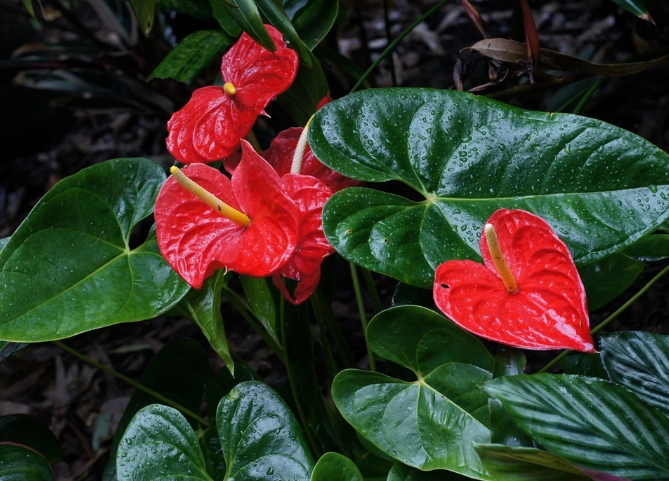
Repotting Your Anthurium: A Step-by-Step Visual Guide
Repot every 2-3 years in spring, or when you see roots circling the bottom of the pot or growing out of the drainage holes. They like to be slightly root-bound, so don't jump up more than 1-2 inches in pot diameter.
Here's my process:
1. Preparation: Water the plant a day before to reduce stress. Have your new pot (with drainage!), fresh chunky aroid mix, and some clean scissors ready.
2. The Extraction: Gently squeeze the pot and tip the plant out. Support the base of the stems. Don't just yank it.
3. Root Inspection: Gently loosen the old soil. Snip off any black, mushy, or dead roots with clean scissors. Healthy roots are firm and white or tan.
4. The New Home: Place a layer of fresh mix in the new pot. Position the plant so the crown (where stems meet roots) sits just at or slightly above the soil line. Burying it too deep invites rot.
5. Fill & Settle: Fill around the roots with mix, tapping the pot to settle it. Don't pack it down hard.
6. The First Water: Water thoroughly to help the soil settle and eliminate air pockets. Place the plant back in its bright, indirect light spot and hold off on fertilizing for 4-6 weeks.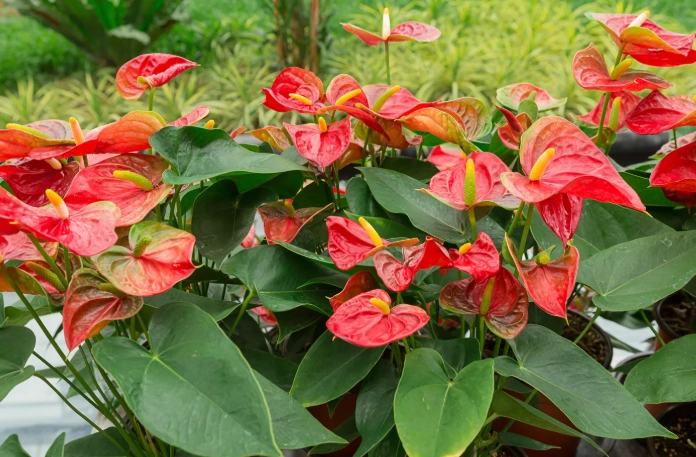
FAQ: Your Anthurium Flamingo Flower Questions Answered
Look, the anthurium flamingo flower has a reputation for being tricky, but it's really just misunderstood. It's not a low-light plant. It's not a "water weekly" plant. Treat it like the tropical epiphyte it is—give it bright, filtered light, a chunky home for its roots, and a thorough drink only when it's dry—and it will be one of the most rewarding, long-blooming plants in your collection. Start by moving it to a brighter spot and checking the soil with your finger. You might be surprised how quickly it responds.


Comments