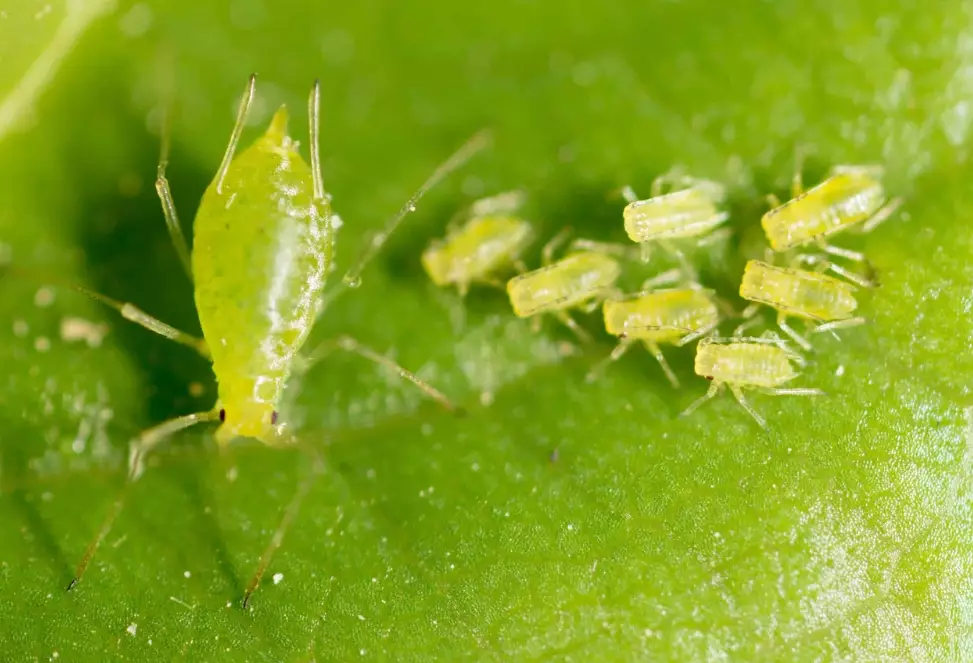
You're inspecting your prized roses, and there they are—clusters of tiny, pear-shaped bugs. Then you notice something different. A few of them have delicate, transparent wings. Wait, do aphids fly? The short answer is yes, some of them absolutely can. But that simple 'yes' opens a door to a fascinating and crucial story about pest control, colony survival, and why your garden problems might be about to multiply. Seeing winged aphids isn't just a curiosity; it's a red alert. It means the infestation has hit a critical point, and the bugs are preparing to launch an air raid on the rest of your garden.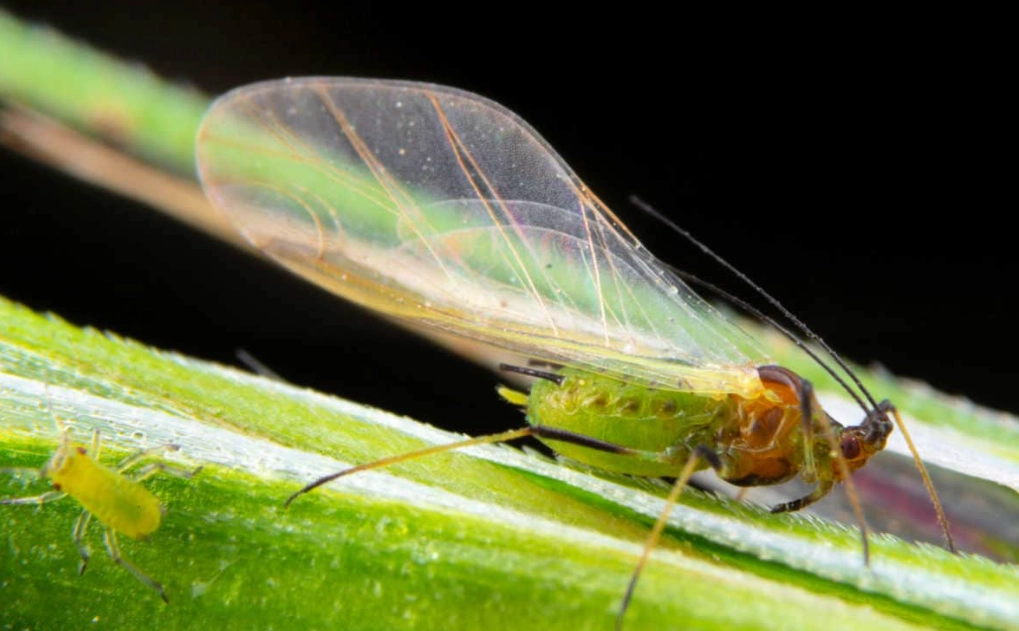
What's Inside: Your Quick Navigation
How to Identify Flying Aphids (Winged Aphids)
Not every aphid you see is built for travel. Most are wingless, content to stay on one plant and pump out clones. The winged forms are the scouts, the dispersers. Here’s how to spot them:
Look for the same basic pear-shaped body, but with two pairs of membranous, veined wings held like a roof over their back. The front wings are noticeably larger than the hind wings. Their color can vary—green, black, yellow, even pink—just like their wingless cousins. The key difference is in the thorax (the middle body segment). It's often darker and more robust to support the flight muscles.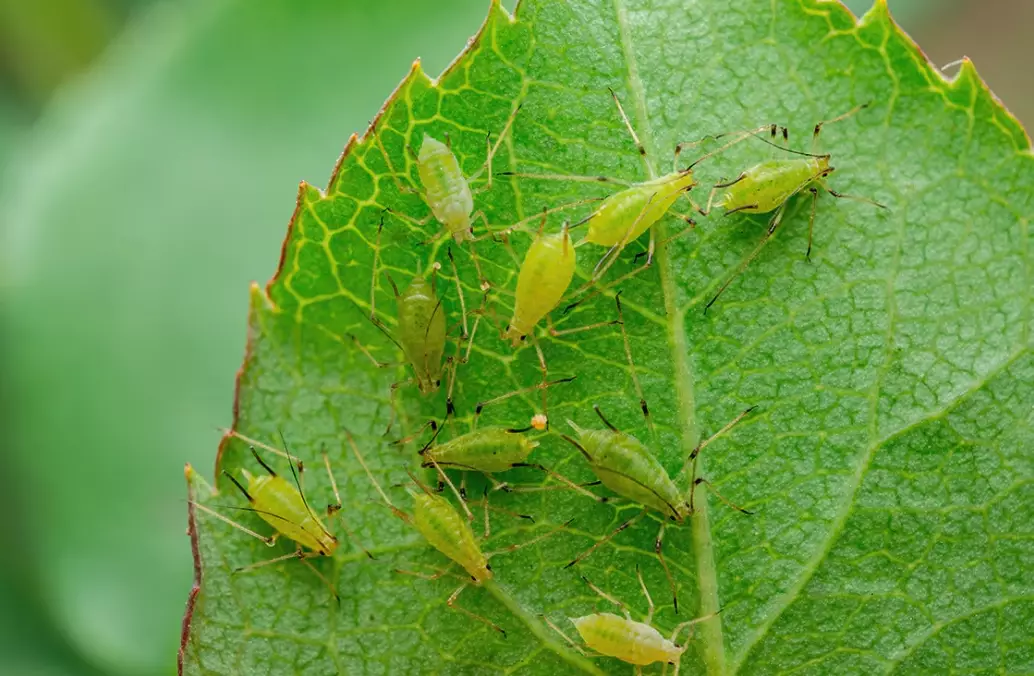
Why Do Aphids Suddenly Grow Wings? The Two Main Triggers
Aphids don't just wake up one day and decide to grow wings. This is a programmed biological response to stress signals within the colony. It's their escape plan. The two biggest triggers are:
1. Overcrowding: The "Too Many Mouths to Feed" Signal
Imagine a colony thriving on a tender rose shoot. As they reproduce asexually (yes, females giving live birth to clones), the population density skyrockets. The aphids literally start bumping into each other more frequently. This physical contact, along with the depletion of the best feeding spots, triggers a hormonal change in some of the nymphs. Instead of maturing into another wingless adult, they develop into winged females. Their mission? Get out and find a new, uncrowded buffet.
2. Host Plant Deterioration: The "Ship is Sinking" Signal
The other major trigger is a decline in plant quality. As an aphid colony feeds, they suck sap and inject saliva, which can weaken the plant, cause leaves to curl, and spread viruses. The plant's chemistry changes. The aphids, masters of sensing their environment, detect this decline in nutritional quality. Again, the signal goes out: produce winged forms to abandon the declining host and find a healthier one.
There's a third, seasonal trigger for some species: the need to find a mate. In autumn, winged males are produced to fly to the primary host plant (often a tree) to mate with winged females, who then lay the overwintering eggs. But for most garden infestations, overcrowding and plant stress are the immediate reasons you'll see wings.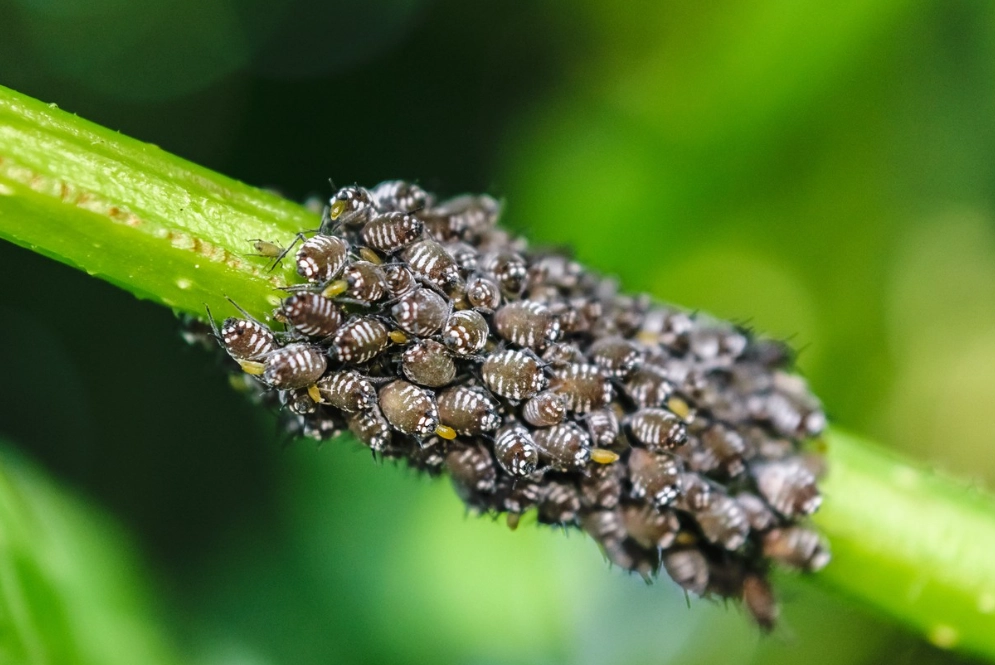
How Far and How Fast Can Aphids Actually Fly?
Let's be clear: aphids are not fighter pilots. They're more like tiny, sap-filled gliders with erratic motors. Their flight is weak and short-ranged. They can't fly across a city or even a large farm field under their own power.
Their real superpower is passive wind dispersal. A winged aphid will take off, often on a warm, calm day, and fly upwards. Once it catches a breeze, it's at the mercy of the wind. Studies, like those referenced by entomologists at institutions like the University of California Statewide Integrated Pest Management Program, show aphids can be carried for miles by strong winds. This is how infestations can appear "out of nowhere" in a garden.
Their flight speed is modest—maybe a couple meters per second under their own power. But the wind changes everything. Distance isn't measured in purposeful flight, but in how far the wind takes them.
| Aphid Factor | Capability & Impact | What It Means for Your Garden |
|---|---|---|
| Active Flight Power | Weak; short bursts of a few meters. | They won't strongly fly from plant to plant in your garden. They launch and hope for wind. |
| Wind Dispersal | Extremely effective; can travel miles. | New infestations can originate from far away. It's not always your neighbor's fault. |
| Flight Trigger | Overcrowding & host plant stress. | Seeing winged aphids means your local problem is severe and spreading. |
| Primary Goal | Find a new, healthy host plant. | Your lush, nitrogen-rich plants are a prime target. They're looking for the best real estate. |
Stopping Winged Aphids: A Practical, Step-by-Step Action Plan
When you see wings, the game changes. You're no longer just containing a local outbreak; you're trying to prevent a satellite colony from being established. Here's a tactical approach: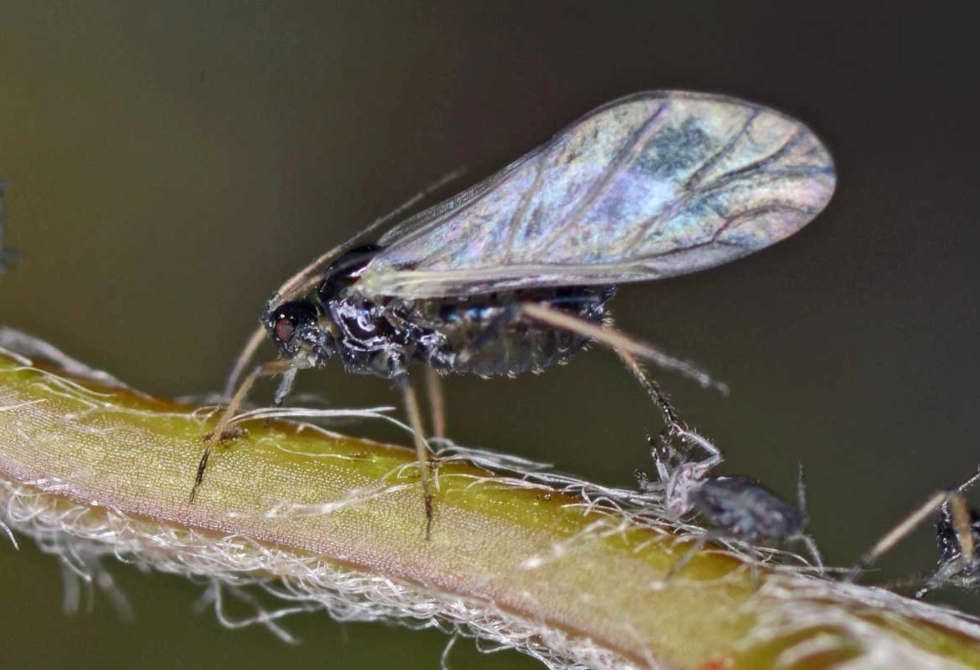
Step 1: Immediate Suppression. For a visible colony with winged adults, you need a quick knockdown. A strong jet of water from your hose can dislodge many aphids, wings or not. Follow up with an insecticidal soap or neem oil spray, thoroughly coating the undersides of leaves and stems. These work by contact and are less harsh on beneficials than synthetic pesticides.
Step 2: Deploy Biological Controls. This is where you fight nature with nature. Introduce or encourage aphid predators. Ladybug larvae are absolute eating machines. Lacewing larvae are nicknamed "aphid lions" for a reason. You can buy these online. Creating a habitat that welcomes these predators (like having small-flowered plants for adult lacewings to feed on) is a long-term strategy.
Step 3: Break the Cycle with Ant Management. This is the expert tip few consider. Ants often "farm" aphids for their honeydew. They protect aphids from predators and will move them to new plant growth. If you see ants running up and down your plants, you have a symbiotic problem. Use sticky barriers (like Tanglefoot) on tree trunks or stakes to block ant access. Controlling the ants often makes the aphids far more vulnerable to your other efforts.
Step 4: Cultural Practices for Prevention. Make your garden less inviting. Avoid over-fertilizing with high-nitrogen fertilizers, which produce the soft, succulent growth aphids love. Use companion planting—strong-smelling herbs like garlic, chives, and mint can deter aphids. Regularly inspect new plants and those most susceptible (like roses, milkweed, and fruit trees).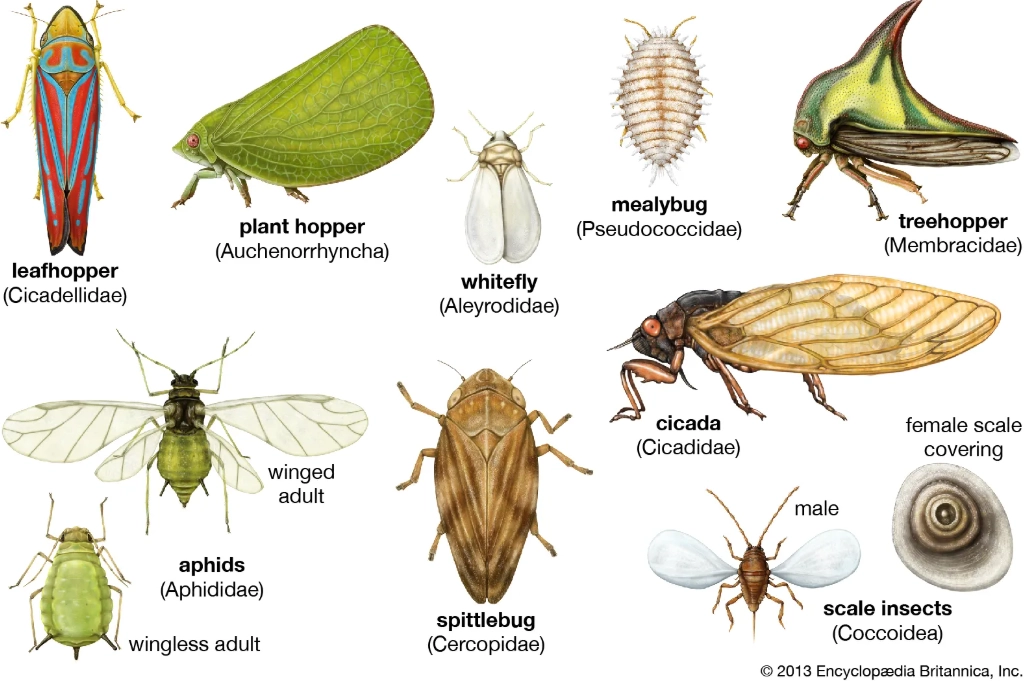
Your Aphid Flight Questions, Answered
 So, do aphids fly? Yes, but it's a sign of deeper trouble. Understanding this behavior—the 'why' and 'how' behind those tiny wings—transforms you from a reactive gardener into a proactive plant protector. You stop just treating symptoms and start managing the colony's strategy. Watch for the wings, understand the signal, and act with a plan that targets the entire infestation, not just the scouts. Your garden will thank you for it.



Comments