There's something special about a huge jade plant. It's not just a houseplant; it's a piece of living sculpture, a testament to patience and care. I've had my own Crassula ovata for over a decade, watching it grow from a small cutting into a sprawling, tree-like centerpiece. Most care guides cover the basics, but cultivating a truly large jade plant requires a different mindset. It's less about keeping it alive and more about strategic growth management. Let's talk about how to move your jade from "nice" to "magnificent."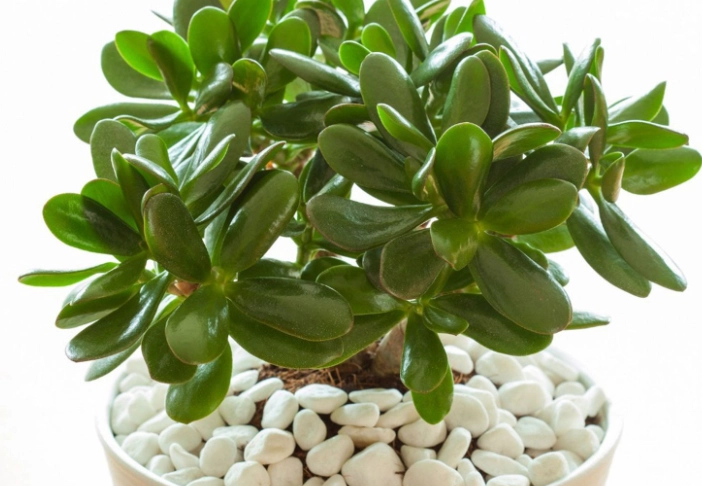
Your Quick Navigation
The Non-Negotiables for Massive Growth
Think of light, soil, and pot as the foundation. Get these wrong, and your jade will plateau, becoming leggy and weak instead of stout and huge.
Light: It Craves More Than You Think
A common misconception is that jade plants are low-light tolerant. For survival, maybe. For explosive growth into a large specimen? No. Your plant needs direct sunlight for several hours a day. A south-facing window is ideal. An east or west window can work, but growth will be slower. I made the mistake of keeping mine in a bright but indirect spot for two years. It grew, but the stems were thin and the leaves spaced far apart. Once I moved it to a sun-drenched patio for the summer (acclimating it slowly to prevent burn), the trunk thickened noticeably within months.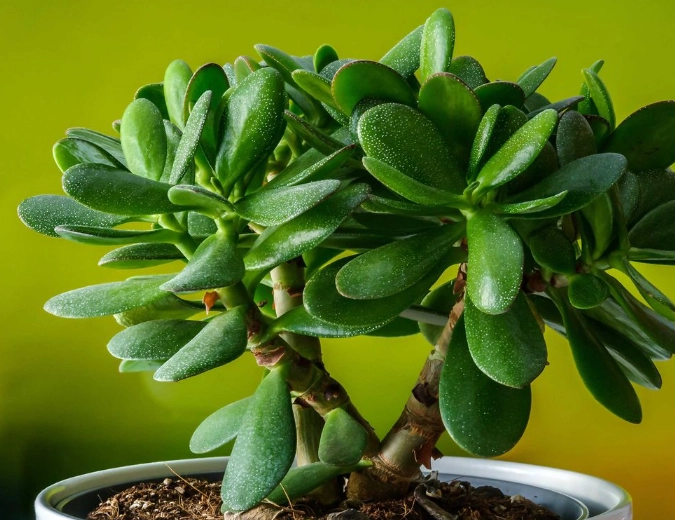
Pro Tip: Rotate your plant a quarter turn every time you water. This prevents it from leaning dramatically toward the light source, which is a major stability issue for top-heavy, large jade plants.
Soil and Pot: The Stability Equation
Drainage is king, but for a heavy plant, stability is queen. A standard succulent mix is a good start, but I add extra perlite or pumice (up to 50% of the mix) for my big ones. This prevents soil compaction over years, which chokes roots.
The pot choice is critical. Terracotta or ceramic is mandatory for a mature plant. Plastic is too light and will tip over. The pot must have a large, stable base and a drainage hole. As for size, here's a rule many miss: the root ball of a jade grows slowly. Upsizing the pot too much leads to wet soil that the roots can't absorb, inviting rot. Go only 1-2 inches wider in diameter when repotting.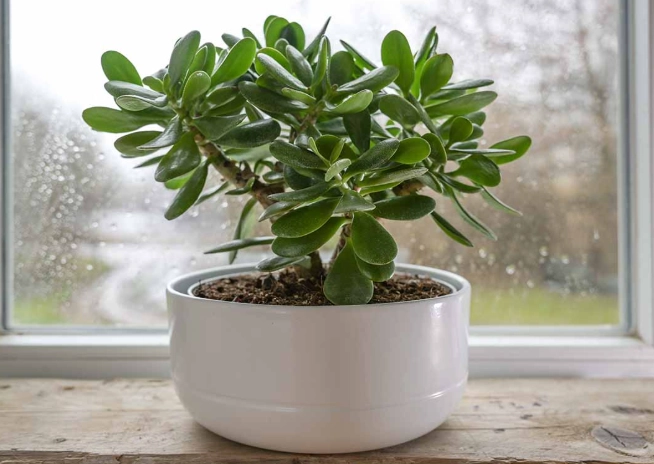
The Watering Mistakes That Stunt Growth (And Cause Rot)
Watering is where most people fail with large jade plants. The "soak and dry" method is gospel, but the timing is everything.
For a small plant, you might water every two weeks. For a huge jade plant in a large pot, the soil mass retains moisture much longer. In my home, my 3-foot-wide jade might only need water every 4-5 weeks in winter. The best tool isn't a schedule; it's your finger or a moisture meter. You must let the soil dry completely, all the way to the bottom of the pot, before watering again. Then, water thoroughly until it runs out the drainage hole.
The subtle mistake? Watering based on leaf texture alone. Wrinkled, slightly soft leaves can signal thirst. But if the soil is still damp and the leaves are soft, you're likely looking at the early stages of root rot from overwatering. Always check the soil first.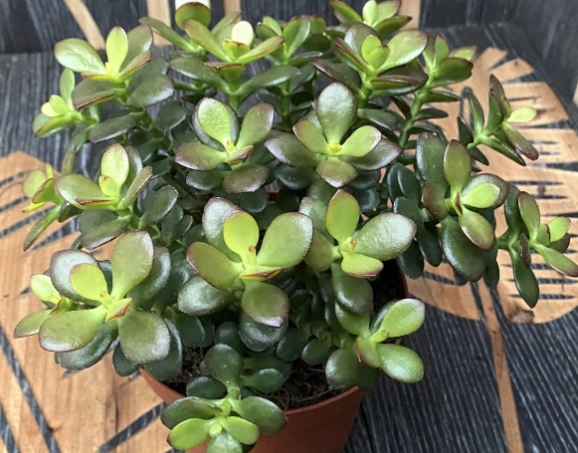
How to Prune and Shape for Size & Form
Pruning feels counterintuitive when you want a big plant, but it's the secret to a thick trunk and a balanced, tree-like shape. Unpruned, jades become leggy with all the weight at the ends of long branches, which can snap.
- Where to Cut: Always prune just above a pair of leaves (a "node"). This is where new growth will emerge, creating a bushier plant.
- Strategic Pinching: For young branches you want to thicken, pinch off the very tip. This redirects energy into thickening the stem.
- Removing Weight: On a mature plant, identify long, heavy branches that throw off the balance. Shorten them by a third to half. This reduces the risk of the plant toppling and encourages back-budding lower down.
Use clean, sharp shears. I wipe mine with rubbing alcohol between cuts, especially if I'm removing any suspect material. You can propagate all the cuttings—more on that later.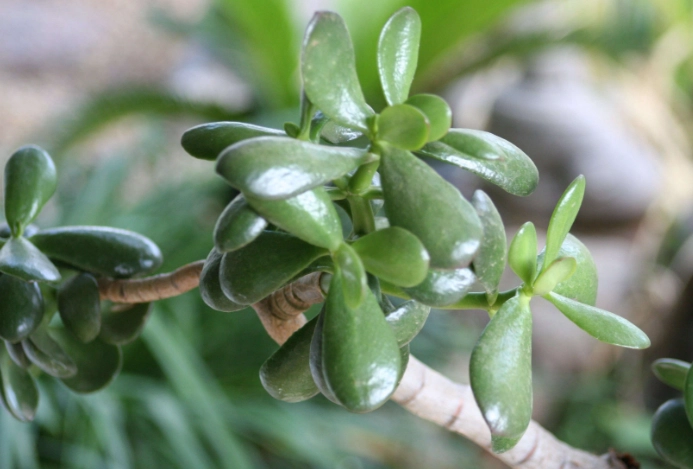
The Delicate Art of Repotting a Giant
Repotting a huge, heavy jade plant is a two-person job. Plan it. The best time is in spring or early summer when the plant is actively growing.
- Dry the Soil: Do not water for at least a week before repotting. Dry soil is lighter and falls away from roots more easily.
- Lay it Down: Carefully tip the pot on its side on a tarp or newspaper. Gently work the root ball out. You may need to tap the pot or run a knife around the edge.
- Root Inspection: Shake off old soil. Look for dark, mushy roots and cut them away with sterile tools. Healthy roots are white or tan and firm.
- The New Home: Place a layer of fresh, dry soil mix in the new pot. Center the plant, ensuring it's sitting at the same depth as before. Fill in around the sides, tamping gently to remove large air pockets.
- The Critical Wait: Do not water for at least 5-7 days after repotting. This gives any damaged roots time to callous over and prevents rot. Then, give it a thorough soak.
Troubleshooting a Mature Jade Plant
Big plants have big problems. Here's a quick reference for common issues with large jade plants.
| Symptom | Likely Cause | Immediate Action |
|---|---|---|
| Leaves dropping rapidly (green or yellow) | Overwatering / Poor drainage | Stop watering. Check soil moisture. Consider repotting into drier, grittier mix if soil is soggy. |
| Soft, mushy spots on trunk or branches | Stem rot (advanced overwatering) | Cut well above the rot into healthy tissue with a sterile tool. Let the cut dry completely before attempting to re-root the saved portion. |
| Leggy growth, large gaps between leaves | Insufficient light | Gradually move to a brighter location. Prune back leggy stems to encourage bushier growth from the base. |
| White, cottony masses in leaf crevices | Mealybugs | Isolate plant. Dab insects with a cotton swab dipped in rubbing alcohol. For large infestations, use insecticidal soap or a systemic insecticide labeled for succulents. |
| Plant leaning severely or top-heavy | Phototropism (reaching for light) / Unbalanced growth | Rotate plant regularly. Prune to redistribute weight. Stake loosely if necessary while it re-balances. |
Comments