If you've got a Hoya Kerrii, or you're thinking of getting one, here's the truth: this heart-shaped succulent isn't as easy as it looks. I've killed a few in my early days, mostly by overwatering. But after a decade of growing them, I've nailed down what really works. In this guide, I'll share everything from light and water to the subtle mistakes that most blogs don't mention.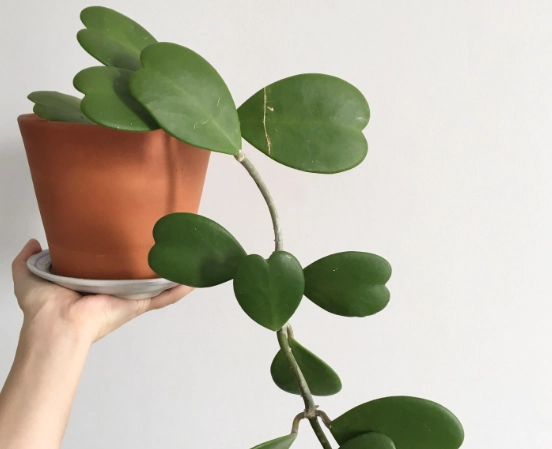
Jump to What You Need
What is Hoya Kerrii?
Hoya Kerrii, often called the Sweetheart Plant or Valentine Hoya, is a succulent vine native to Southeast Asia. Those thick, heart-shaped leaves are why it's so popular—it's often sold as a single leaf in a pot, especially around Valentine's Day. But here's a thing most people miss: that single leaf might never grow into a full plant. It's called a "zombie leaf" because it can stay alive for years without producing new growth. If you want a vine, buy a plant with a stem.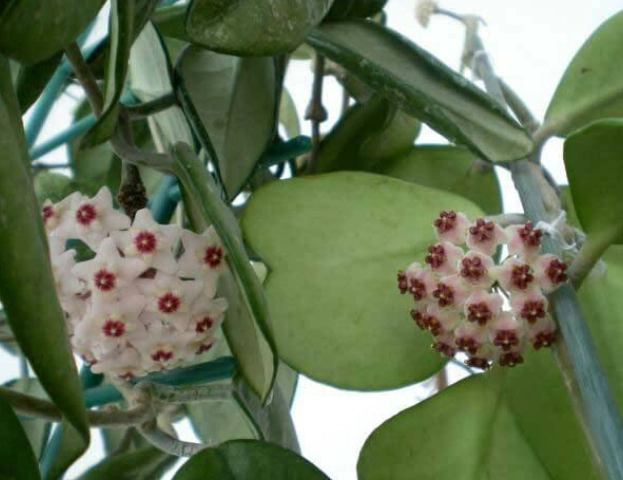
According to the Royal Horticultural Society, Hoyas belong to the Apocynaceae family and are epiphytic in nature, meaning they grow on other plants in the wild. This affects how you should care for them at home.
How to Care for Your Hoya Kerrii
Getting the basics right is key. I've seen too many Hoyas die from simple overcare. Let's break it down.
Light Requirements
Hoya Kerrii needs bright, indirect light. Direct sun can scorch those lovely leaves, but low light makes it leggy and slow. Place it near an east or west-facing window. If you only have a south window, use a sheer curtain. Mine sits about two feet back from a west window, and it's thriving.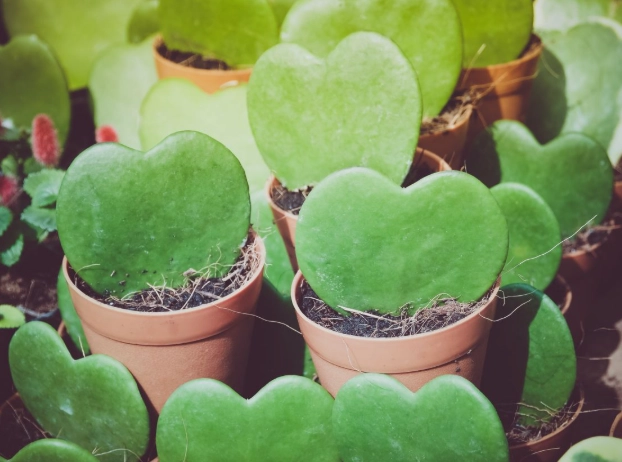
Watering Schedule
This is where most people mess up. Hoyas are succulents, so they store water in their leaves. Water only when the soil is completely dry. Stick your finger in the soil—if it's dry up to the first knuckle, it's time. In winter, cut back to once a month. I killed my first Hoya by watering every week; the roots rotted in no time.
Soil and Potting Mix
Use a well-draining mix. I combine cactus soil with perlite and orchid bark (about 2:1:1 ratio). This mimics their natural epiphytic habitat. Avoid heavy potting soils—they hold too much moisture. A terracotta pot helps wick away excess water.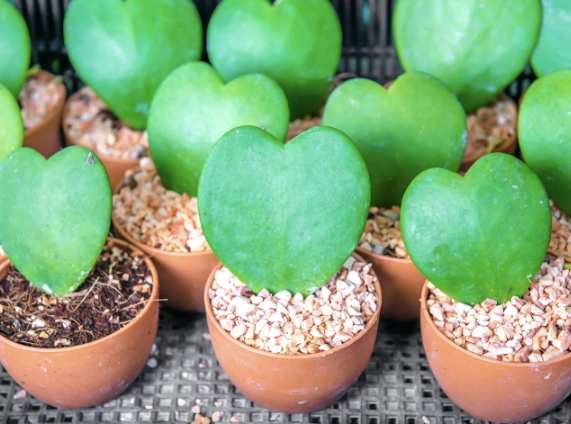
Temperature and Humidity
Hoya Kerrii prefers temperatures between 60-80°F (15-27°C). It can handle lower temps, but don't let it drop below 50°F (10°C). Humidity isn't critical, but it appreciates moderate levels. If your home is dry, a pebble tray or occasional misting helps. Mine does fine in normal room humidity around 40-50%.
Fertilizing Tips
Fertilize during the growing season (spring and summer) with a balanced, water-soluble fertilizer diluted to half strength. Do it once a month. Skip fertilizing in fall and winter. Over-fertilizing can cause salt buildup and leaf burn.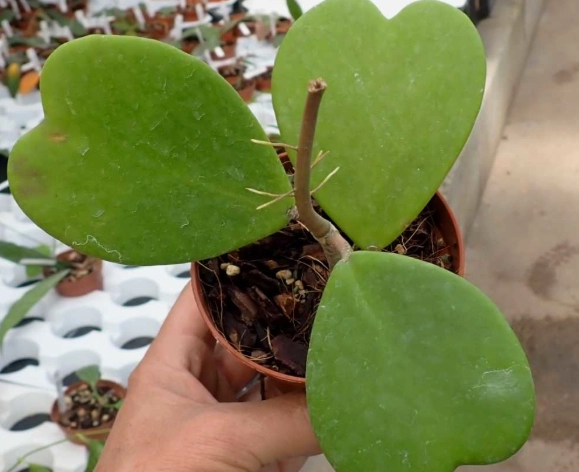
Quick Care Summary: Bright indirect light, water when dry, use airy soil, keep it warm, and fertilize lightly in growing season. Simple, but easy to overdo.
Common Problems and Solutions
Even with good care, issues pop up. Here's how to fix them.
Yellowing Leaves
Yellow leaves usually mean overwatering. Check the roots—if they're mushy and brown, it's root rot. Cut off the rotten parts, repot in fresh soil, and reduce watering. If the leaves are yellow but firm, it might be too much direct sun.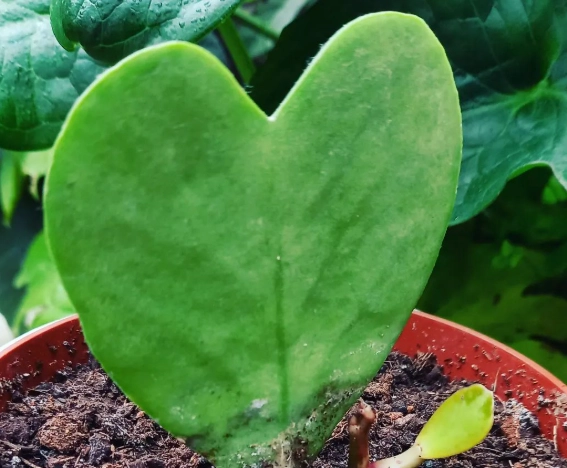
Root Rot
Root rot is a silent killer. It happens when soil stays wet too long. To prevent it, ensure your pot has drainage holes and use that well-draining mix I mentioned. If caught early, trim the roots and repot.
Pests
Mealybugs and spider mites can attack Hoyas. I've dealt with mealybugs on mine—they look like tiny cotton balls. Wipe them off with alcohol-soaked cotton swabs. For prevention, keep the leaves clean and inspect regularly.
| Problem | Cause | Solution |
|---|---|---|
| Leaves dropping | Overwatering or cold drafts | Adjust watering, move to warmer spot |
| No growth | Insufficient light or dormant period | Increase light, be patient in winter |
| Brown leaf tips | Low humidity or fertilizer burn | Mist occasionally, flush soil with water |
How to Propagate Hoya Kerrii
Propagation is fun and increases your plant collection. The best method is stem cuttings.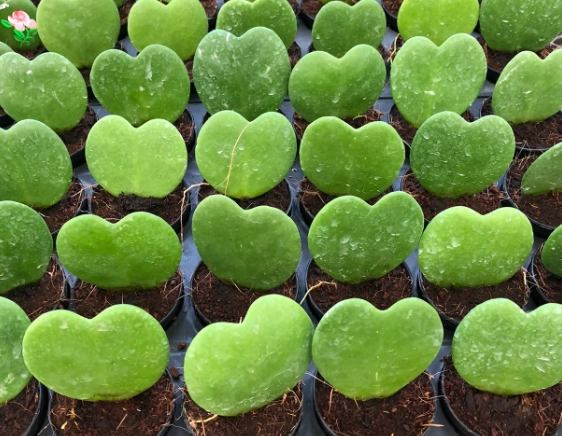
Here's my step-by-step process:
- Cut a healthy stem with at least two nodes (those little bumps where leaves grow). Use a clean, sharp knife.
- Let the cutting callous over for a day or two. This prevents rot when planting.
- Plant it in a moist, well-draining mix. I use the same soil as for adult plants.
- Place in bright, indirect light and keep the soil slightly moist until roots develop. This can take 4-6 weeks.
- Once rooted, treat it like a mature plant.
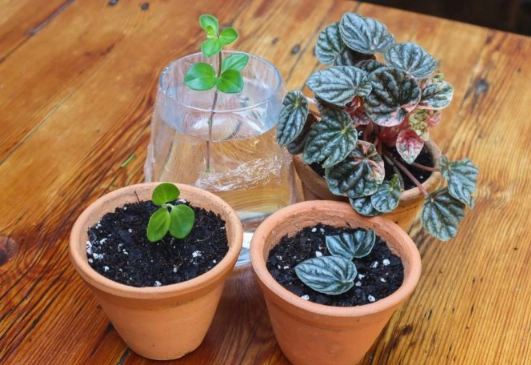
You can also propagate in water, but I find soil propagation has a higher success rate for Hoyas. The University of Florida IFAS Extension notes that Hoyas root well in porous media, which aligns with this approach.
My Personal Experience with Hoya Kerrii
I bought my first Hoya Kerrii as a single heart leaf from a grocery store. It sat there for two years, green but doing nothing. I thought it was fine, but it was just a zombie leaf. Frustrating, right? Then I got a stem cutting from a friend, and it took off in months with proper care.
One mistake I made early on: I repotted it too often. Hoyas like to be root-bound. They bloom better when slightly cramped. Now, I only repot every 2-3 years, and it's flowering regularly with those sweet, star-shaped blooms.
Another thing—don't panic if it doesn't grow in winter. Hoyas often go dormant. I used to fuss over it, adding more water and fertilizer, which just stressed the plant. Learning to step back was key.
Comments