Let's be honest. A room feels different with a vine in it. It's not just another plant on a shelf; it's a living piece of decor that moves, grows, and connects spaces. I've killed my share of succulents and orchids, but vines? They've been my forgiving, fast-growing allies for over a decade. They don't just sit there—they transform a blank wall, a bare bookshelf, a dull window into a vibrant, breathing landscape. And the best part? Many of them are incredibly easy to care for, even if your track record with houseplants is spotty.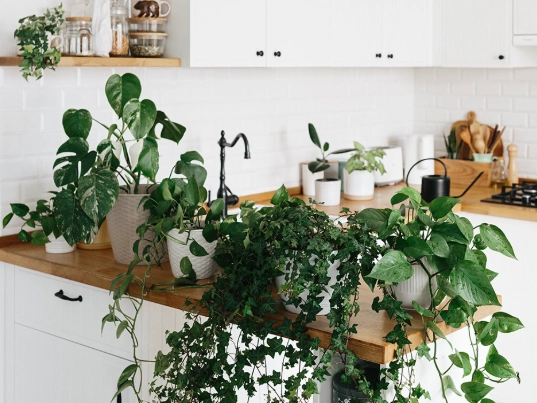
But here's the thing most beginner guides don't tell you: not all vines are created equal. Putting a String of Pearls in a dark bathroom is a death sentence, while a pothos would thrive. The key isn't just buying a "vine"—it's matching the right plant to your light, your habits, and your style.
What You'll Find Inside
Why Vines Are Your Secret Weapon for Better Air & Design
Sure, they look good. But the benefits of vine indoor plants run deeper. A seminal NASA Clean Air Study, which you can still find referenced by institutions like the University of Florida Extension, identified several species as effective air purifiers. While subsequent research has nuanced the findings, the core idea holds: plants absorb volatile organic compounds (VOCs) through their leaves and roots. Vines, with their large surface area of foliage, are particularly good at this.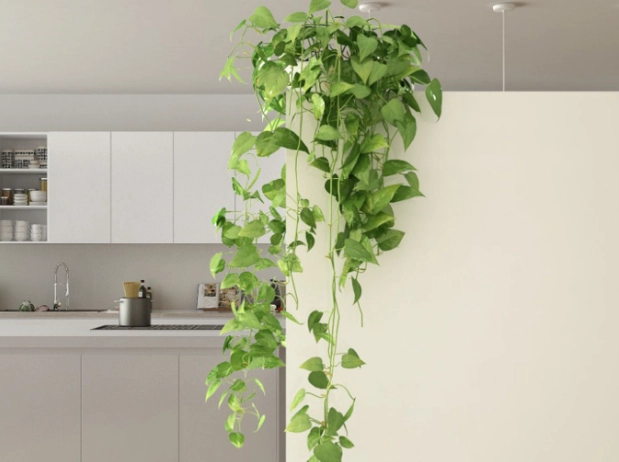
Beyond air quality, they solve spatial problems. Got a small apartment? A vertical-growing vine adds greenery without eating up floor space. Have a tall, awkward corner? A trailing plant on a high shelf softens it instantly. They bring a sense of movement and life that upright plants can't match.
The 5 Best Vine Indoor Plants for Real Homes (Not Just Instagram)
Forget the finicky, high-maintenance drama queens. These are the workhorses—the plants that will grow for you, not just for a photo shoot.
| Plant | Light Needs | Watering | Why It's a Winner | Watch Out For |
|---|---|---|---|---|
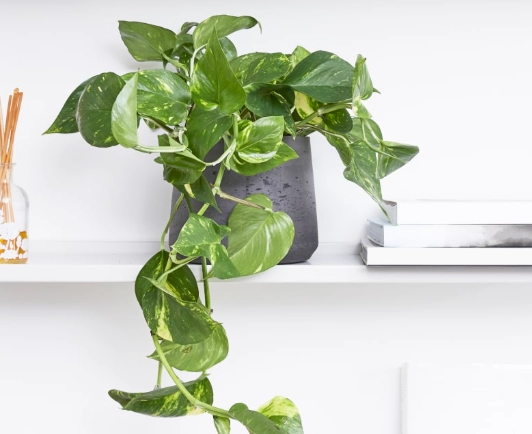
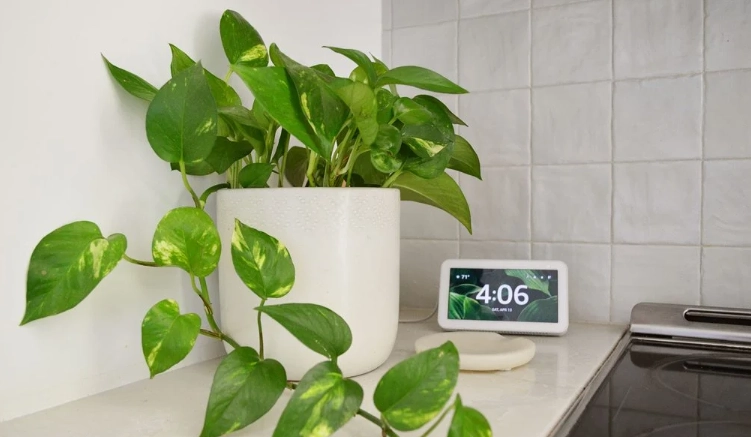
| Pothos (Epipremnum aureum) | Low to bright indirect | Let dry out between | The ultimate beginner plant. Grows fast, tells you when it's thirsty (leaves droop), and comes in many varieties (Golden, Marble Queen, Neon). | Overwatering is its only real enemy. Can get leggy in very low light. |
| Heartleaf Philodendron (Philodendron hederaceum) | Low to medium indirect | Let top inch dry | Even more forgiving than pothos in low light. The deep green, heart-shaped leaves are a classic. It just wants to grow. | Similar to pothos. Keep away from pets who might chew it. |
| English Ivy (Hedera helix) | Bright indirect to medium | Keep soil lightly moist | A classic vine with a timeless elegance. It can handle cooler temperatures. | Spider mites love it. Needs higher humidity and consistent moisture to avoid pests. |
| String of Hearts (Ceropegia woodii) | Bright indirect light | Soak and dry thoroughly | Delicate, whimsical look with purple stems. It stores water in its tubers, making it drought-tolerant. |
How to Care for Trailing Houseplants: Avoiding the 3 Big Killers
Most vine deaths come from three simple, avoidable mistakes.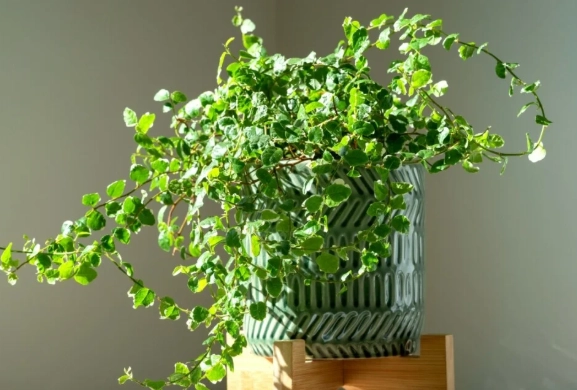
1. The Overwatering Trap
This is the number one killer, hands down. We see a drooping leaf and think "water!" but often, drooping can also mean root rot from too much water. The fix? Ditch the schedule. Use your finger. Stick it into the soil up to your first knuckle. If it's dry, water. If it's damp, wait. For succulents like String of Pearls, wait until the soil is completely dry and the pearls show a slight wrinkle.
2. Ignoring Humidity
Many homes, especially with AC or heating, have dry air. While pothos and philodendron tolerate it, plants like ivy and some tropical vines crave moisture. Browning leaf tips are a telltale sign. Group plants together, use a humidifier, or set the pot on a tray filled with water and pebbles (keep the pot above the waterline).
3. Light Mismatch
A "low light" plant doesn't mean "no light." It means it can survive in a north-facing room or several feet from a window. For vibrant growth and variegation (those beautiful white or yellow streaks), most vines prefer bright, indirect light. A sheer curtain-filtered east or west window is often ideal.
Creative Ways to Style Your Vines: Beyond the Hanging Basket
Hanging baskets are great, but don't stop there.
Create a living wall: Use clear command hooks or a trellis on the wall. Train your pothos or philodendron along it. It's a living piece of art.
The bookshelf cascade: Let a vine trail along the edge of a tall bookshelf. It softens the hard lines and adds life to your library.
Frame a window: Use a macramé hanger or a high shelf on either side of a window. Let the vines frame the view with greenery.
The moss pole climb: Instead of trailing, some vines like to climb! A moss pole gives them a structure to attach to with their aerial roots, encouraging larger leaves. My Monstera adansonii doubled in leaf size once I gave it a pole to climb.
Your Vine Plant Problems, Solved
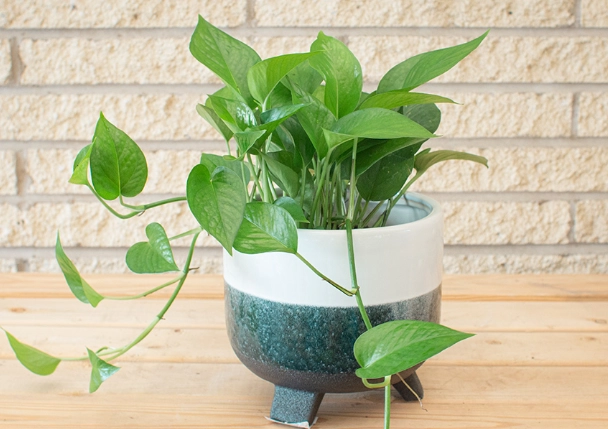
The real joy of vine indoor plants comes from watching them adapt and grow into your space. They're dynamic. Start with one forgiving variety, master its rhythm of water and light, and then experiment. Before you know it, you'll have a home that feels more alive, more relaxed, and uniquely yours—one trailing stem at a time.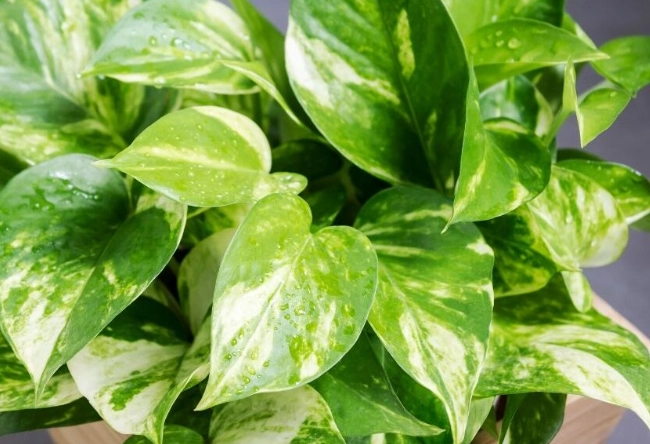


Comments