That plump, spiky green plant sitting on your windowsill is more than just decor. The leaves of the aloe vera plant are living, breathing reservoirs of a clear gel packed with compounds that can soothe a burn, moisturize skin, and even help your other houseplants. But here's the thing most generic guides miss: treating those leaves right—from how you water to when you cut—makes all the difference between a thriving medicine cabinet and a mushy, brown disappointment.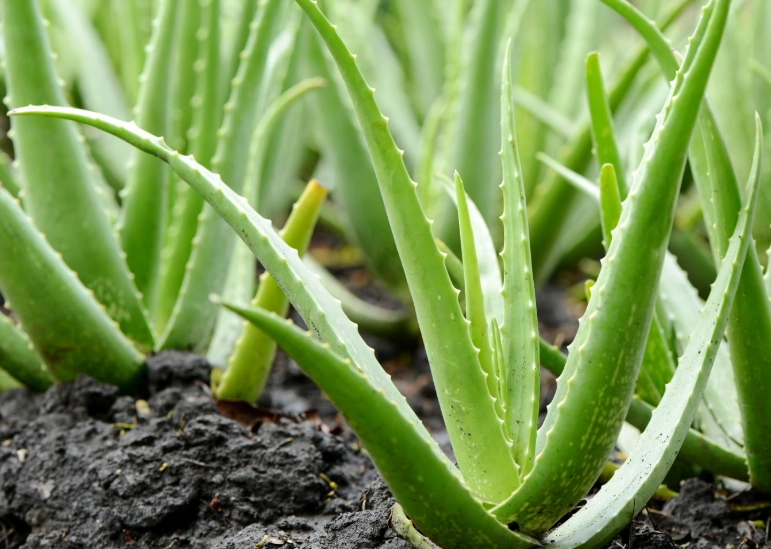
Your Quick Guide to Aloe Vera Leaves
Why Your Aloe Vera Plant is a Must-Have (Beyond the Sunburn Gel)
Sure, you know about the sunburn thing. Slice open a leaf, scrape out the gel, and apply. Instant relief. But if that's all you're using it for, you're missing out. The aloe vera leaf is a multitasker. That same gel is a fantastic, lightweight moisturizer for your face, especially if you have oily or combination skin. It doesn't feel greasy. I've used it to calm down razor burn, soothe itchy bug bites, and even as a hair mask to add shine.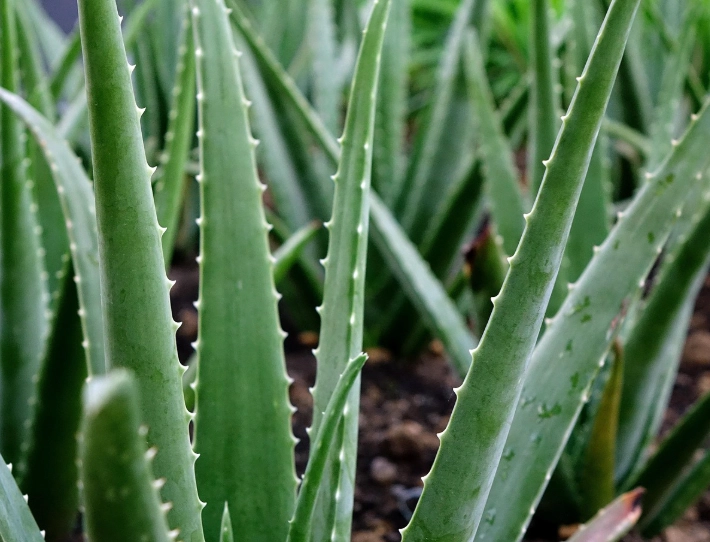
It's also an air purifier. A study by NASA on indoor plants listed aloe vera as one that helps remove formaldehyde and benzene from the air. So it's literally cleaning your living space while it sits there.
But the real, underrated benefit? It teaches you plant parenting. Aloe vera communicates its needs clearly through its leaves. They plump up when happy, thin out when thirsty, and turn colors when stressed. Learning to read those signals makes you a better caretaker for all your plants.
How to Care for Your Aloe Vera Plant: The Non-Negotiables
Getting this right is the foundation. Mess up the care, and you'll never have healthy leaves to harvest.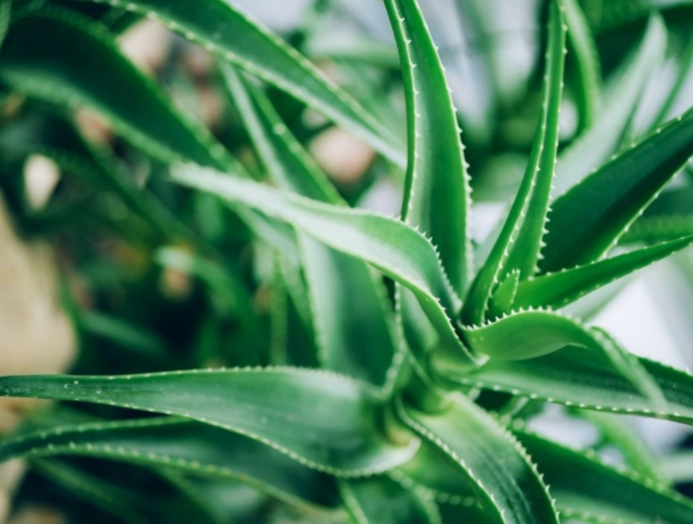
Light: Bright but Gentle
Think of the light in its native habitat—bright desert sun, but often filtered through other plants or atmosphere. A south or west-facing window is perfect. East works too. A north window usually isn't enough. If the leaves start stretching out long and thin (etiolation), it's begging for more light. Conversely, if they turn a reddish or brownish color, it might be getting scorched by too much direct, harsh afternoon sun. A sheer curtain can be your best friend here.
Watering: The Biggest Killer
This is where 90% of aloe plants die. The rule is simple: neglect is better than over-attention. Those thick leaves store water. You're not watering the soil; you're waiting for the plant to drink from its internal reserves.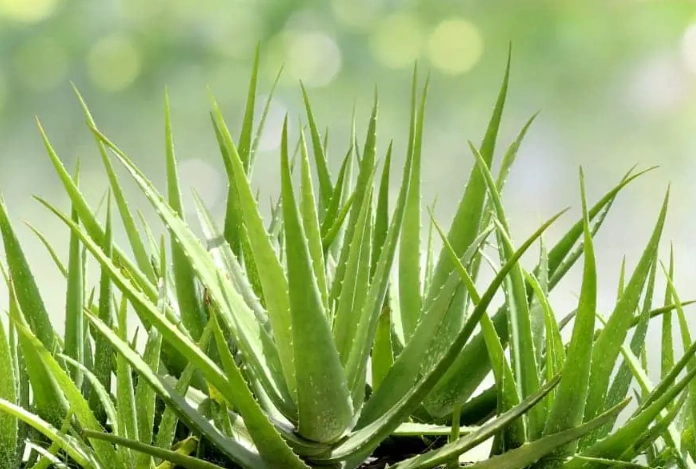
Here's my method, honed from killing my first one: Stick your finger all the way into the soil, up to the second knuckle. Is it completely dry? Wait another 3-4 days. Is it still even slightly damp? Walk away. In most indoor settings, this means watering every 3-4 weeks in winter and maybe every 2-3 weeks in summer. When you do water, drench it thoroughly until water runs out the drainage hole, then let it drain completely. Never let it sit in a saucer of water.
Soil and Pot: Drainage is Everything
Regular potting soil is a death sentence. It holds too much moisture. You need a gritty, fast-draining mix. A pre-mixed cactus and succulent soil is a good start. For even better results, I mix two parts cactus soil with one part perlite or coarse sand. The pot must have a drainage hole. Terracotta pots are ideal because they wick away extra moisture from the soil.
Temperature and Humidity: Keep it Simple
Room temperature is fine. They don't like the cold—keep them above 50°F (10°C). Average household humidity is perfect. You don't need to mist it. In fact, misting can encourage rot at the leaf base.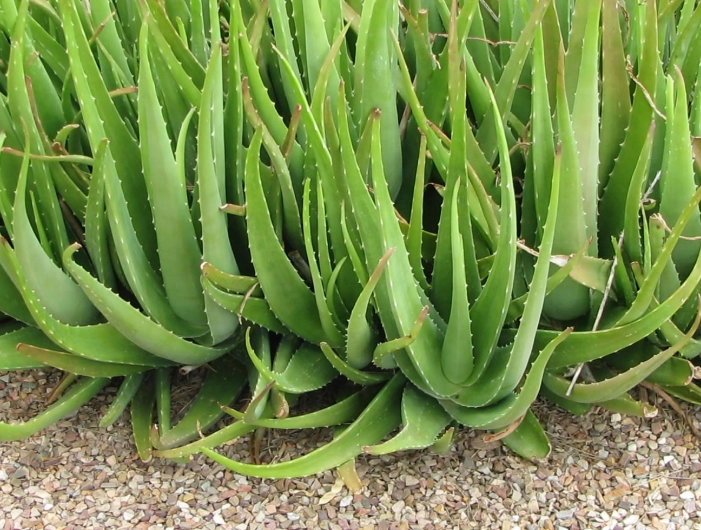
When and How to Harvest Aloe Vera Leaves Correctly
You can't just hack at any leaf. Doing it wrong can hurt the plant or give you subpar gel.
When is it ready? A leaf is ready for harvest when it's a mature, outer leaf and the plant has at least 8-10 healthy leaves overall. The leaf should be plump and firm. Never harvest more than 2-3 leaves from one plant at a time, and always take from the outside, working your way in. The older, outer leaves are the most potent.
The Step-by-Step Harvest:
- Gather tools: A sharp, clean knife (a paring knife works well) and a clean plate or bowl.
- Select the leaf: Choose a thick, healthy outer leaf.
- Make the cut: Cut as close to the main stem as possible, but at a slight angle. This helps water run off the cut stub on the plant, preventing rot.
- Let it drain: Hold the cut leaf vertically over your bowl for a few minutes. A yellow-brown liquid called aloin or latex will drain out. This is a laxative and can be a skin irritant for some people. You want most of this to drain away.
- Process the leaf: Lay the leaf flat. Using your knife, slice off the serrated edges on both sides. Then, slice off the top green layer. You'll be left with a slab of clear gel. You can scoop this out with a spoon.
What to Do With Aloe Vera Leaves: Practical Uses Beyond First Aid
Once you have that fresh gel, the possibilities open up. Here’s how I use it around the house:
- Skin Soother: The classic. Apply directly to sunburns, minor kitchen burns, or razor burn. It provides a cooling sensation and promotes healing.
- DIY Moisturizer: Mix a tablespoon of fresh gel with a few drops of your favorite facial oil (like jojoba or rosehip). Apply a thin layer to your face. It absorbs quickly without clogging pores.
- Hair and Scalp Treatment: Massage the gel directly into your scalp, let it sit for 10 minutes, then shampoo out. It can help with dryness and dandruff. You can also run a small amount through the ends of your hair as a leave-in conditioner.
- Plant Propagator Helper: This is my favorite hack. Dip the cut end of a succulent or other plant cutting into fresh aloe vera gel before planting. The gel contains hormones that can encourage root growth and has antibacterial properties to prevent rot. I've had much better success rates with pothos and snake plant cuttings using this method.
- Minor Scrapes and Insect Bites: A dab of gel can take the itch out of a mosquito bite and help clean and protect a small scrape.
A word of caution: Always do a patch test on a small area of skin first. Some people can be allergic to aloe vera applied topically.
Troubleshooting Common Aloe Vera Leaf Problems
Your plant talks to you through its leaves. Here’s how to translate and fix the issues.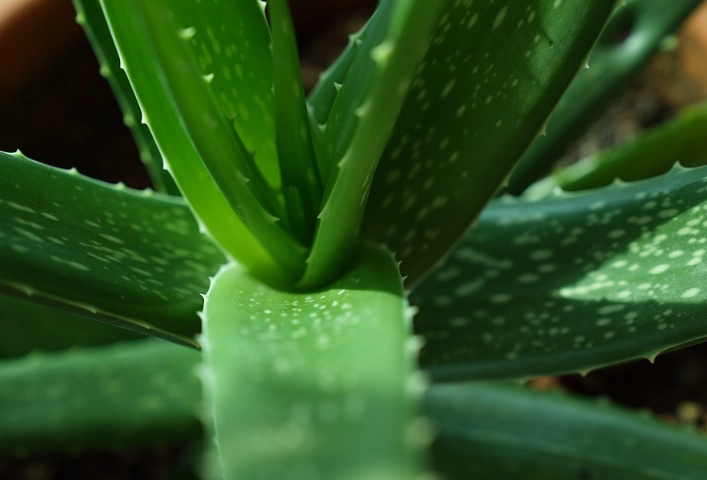
| Leaf Symptom | Likely Cause | The Fix |
|---|---|---|
| Soft, Mushy, Brown Leaves (often starting at the base) | Root rot from overwatering. This is the #1 killer. | Stop watering immediately. Remove the plant from its pot, cut away any black, mushy roots and leaves. Let it dry out for a few days, then repot in fresh, dry cactus mix. Don't water for at least a week after repotting. |
| Thin, Curling, Scorched-Looking Leaves | Underwatering. The plant has used up all its stored water. | Give it a thorough soak. The leaves should plump back up in a day or two. If they don't, the roots may have dried out and died—you may need to propagate from any remaining healthy leaves. |
| Brown Leaf Tips or Reddish/Brown Color | Usually too much direct, intense sunlight (sunburn) or a buildup of minerals/salts from tap water. | Move to a spot with bright but indirect light. Try watering with filtered or distilled water for a while, and flush the soil thoroughly every few waterings. |
| Leaves Turning Pale or Yellow | Often overwatering, but can also be poor drainage or nutrient deficiency. | Check your watering habits and soil drainage first. If care is good, a very diluted, balanced fertilizer in the spring might help (but aloe needs very little fertilizer). |
| Leaves are Long, Floppy, and Stretched Out | Not enough light (etiolation). The plant is reaching for the sun. | Gradually move it to a brighter location. You can't fix the stretched leaves, but new growth will be compact if the light is sufficient. |
Comments