Quick Navigation
- Why Your Lucky Bamboo Might Be Dying (The Usual Suspects)
- The Pillars of Perfect Lucky Bamboo Care
- Advanced Lucky Bamboo Care: Fertilizing, Pruning, and Propagation
- Decoding Problems: A Symptom Cheat Sheet
- Your Lucky Bamboo Care Questions, Answered
- The Soil vs. Water Debate: Which is Better?
- Going Deeper: The Science and Symbolism
- The Final Checklist for Flawless Lucky Bamboo Care
Let's be honest. Most of us got our first lucky bamboo as a gift. It came in a cute glass vase with some pebbles, looking sleek and supposedly impossible to kill. "Just add water!" they said. So you did. And for a while, it was fine. Then, one day, you notice a yellow leaf. Then a brown tip. The stalk feels a bit soft. Panic sets in. Is it dying? What did you do wrong? I've been there. My first lucky bamboo didn't make it past six months, and I felt like I'd failed some basic test of adulthood.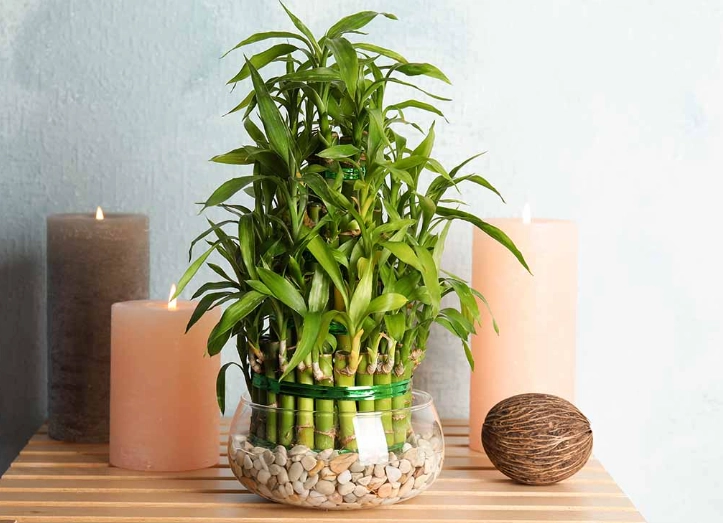
Here's the thing they don't tell you at the store: Lucky bamboo (which, by the way, isn't a bamboo at all—it's a Dracaena sanderiana) has specific needs. Ignore them, and it'll slowly decline. Meet them, and you'll have a resilient, fast-growing companion for years, even decades. This guide isn't about keeping it barely alive. It's about helping your plant truly thrive. We're going deep, past the generic advice, into the nitty-gritty of water chemistry, root health, and decoding what those yellow leaves are really trying to tell you.
Why Your Lucky Bamboo Might Be Dying (The Usual Suspects)
Before we get to the good stuff, let's troubleshoot. If your plant is looking sad, one of these is almost always the culprit. Think of this as plant detective work.
The Water is the Problem
This is the number one killer, hands down. It's not just about frequency; it's about quality.
Tap Water Troubles: Most municipal tap water contains chlorine, chloramines, and fluoride. These chemicals are added for our safety, but they're toxic to lucky bamboo roots over time. Fluoride is a particular villain for dracaenas, causing leaf tip burn and yellowing. If you see white or chalky crusts on the pebbles or vase, that's mineral buildup from hard water, another stressor.
Root Rot: This is a silent assassin. It happens when the roots sit in stagnant, oxygen-deprived water for too long. The water gets smelly, the roots turn black and mushy, and the stalk may become soft and yellow. This is often a combination of using the wrong water and not changing it often enough.
It's Getting Cooked (Or Frozen)
Light and temperature seem simple, but we often get them wrong. Lucky bamboo prefers bright, indirect light. That means a spot where it gets plenty of ambient light, but the sun's rays never directly hit its leaves.
Direct sun, especially through a window, acts like a magnifying glass. It scorches the leaves, leaving dry, brown patches that won't recover. On the other hand, a dark corner will stunt its growth, leading to pale, weak leaves and leggy stalks as it desperately reaches for light.
Temperature is another quiet factor. Keep it away from drafts—both the icy blast from an air conditioner in summer and the dry heat from a radiator in winter. Sudden temperature swings are a huge stress. Ideal range? A consistent 65°F to 90°F (18°C to 32°C). Anything below 50°F (10°C) can cause damage.
The Pillars of Perfect Lucky Bamboo Care
Okay, detective work done. Now, let's build a solid foundation. Mastering these four elements is 95% of successful lucky bamboo care.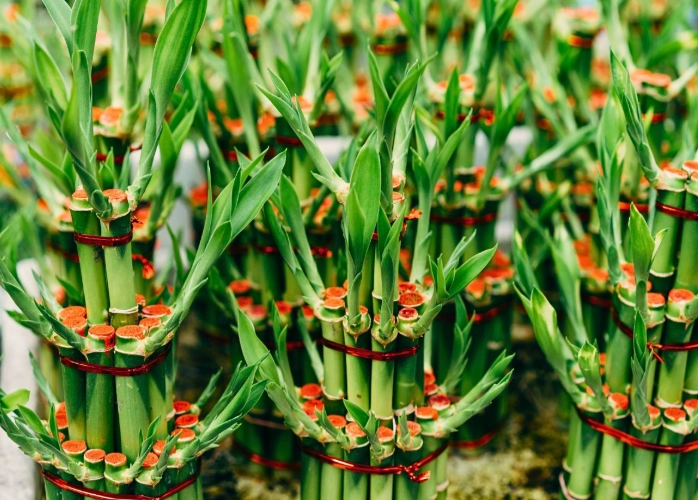
Water: The Liquid Lifeline
Forget "just add water." Let's be precise.
- The Best Water: Use filtered water, distilled water, or rainwater. If you must use tap water, let it sit in an open container for 24 hours. This allows some chlorine to evaporate (but not chloramines or fluoride). I keep a dedicated jug of filtered water next to my plants—it becomes part of the routine.
- Water Height: If growing in water (hydroponically), cover the roots only. Usually, 1-3 inches of water is plenty. Submerging the stalks leads to rot. The goal is to keep the roots submerged while the stalks stay dry.
- Water Changes: This is non-negotiable. Change the water completely every 7-10 days. When you do, rinse the vase and the pebbles to remove any slimy biofilm. This refreshes oxygen and prevents bacterial growth. Think of it as giving your plant a fresh glass of water every week.
Light: Finding the Sweet Spot
Bright, indirect light is the mantra. But what does that look like in your home?
A north-facing window is often perfect. An east-facing window that gets gentle morning sun is great. A south or west-facing window needs a buffer—place the plant a few feet back from the window or use a sheer curtain to diffuse the light.
No good window? Artificial light works wonderfully. A standard LED or fluorescent grow light placed a foot or two above the plant for 8-10 hours a day will keep it happy. I've had luck with bamboo in a bathroom with no windows but good ambient light from a skylight—it just grew slower, which is fine.
Temperature & Humidity: The Comfort Zone
Lucky bamboo is a tropical plant. It likes warmth and appreciates humidity, though it's more tolerant of dry air than, say, a fern.
Keep it in that 65-90°F range. Avoid placing it on appliances that generate heat (like a fridge or TV) or right next to a vent. If your home is very dry in winter (below 40% humidity), you might see some brown leaf tips. You can group plants together, use a small humidifier nearby, or place the vase on a pebble tray with water (make sure the vase bottom isn't sitting in the water).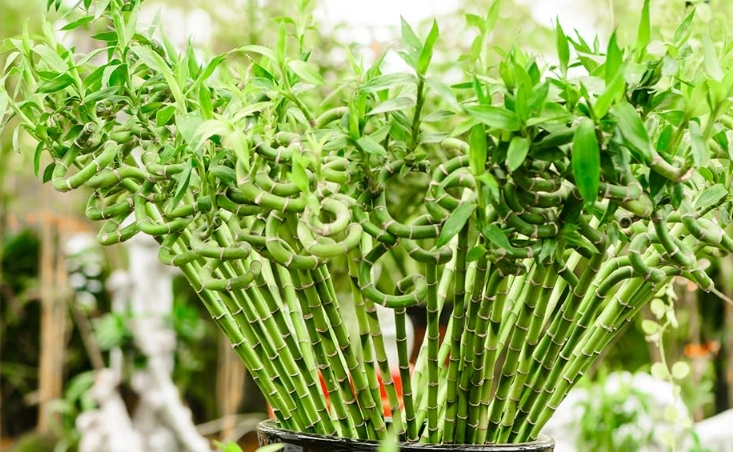
Container & Support: More Than Just Decor
The vase matters. A clear glass vase lets you monitor root and water health easily. Opaque containers look nice but hide problems. Ensure it's heavy enough to not tip over as the plant gets taller.
Pebbles, marbles, or glass beads aren't just for looks. They provide stability, anchoring the stalks and keeping them upright. They also create surface area that can host beneficial microbes (in a healthy setup). Rinse them thoroughly when you change the water.
What about soil? Yes, you can grow lucky bamboo in well-draining potting soil! This is actually a more forgiving method for some, as it buffers against water quality issues. Use a mix for cacti/succulents or add perlite to regular potting mix. Water only when the top inch of soil feels dry. This opens up a whole new avenue for lucky bamboo care, especially for larger, multi-stalk arrangements.
Advanced Lucky Bamboo Care: Fertilizing, Pruning, and Propagation
Your plant is alive and green. Now, let's make it spectacular.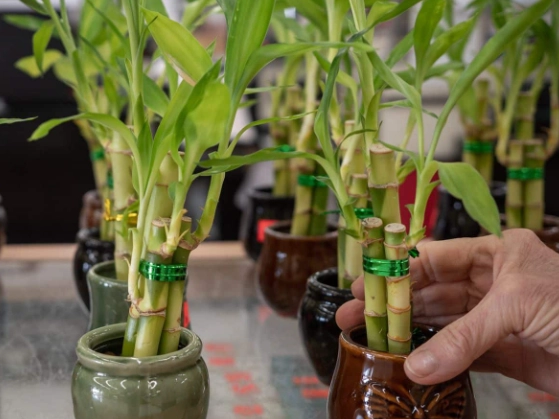
To Feed or Not to Feed?
Plants in water have no source of nutrients. They'll survive on water and light alone, but to promote vibrant green color and new growth, they need a tiny bit of food.
- Fertilizer Type: Use a very diluted liquid fertilizer. Look for one formulated for hydroponics or a general houseplant fertilizer. I use about 1/4 of the recommended strength on the bottle.
- Frequency: Once a month during the growing season (spring and summer) is ample. Do not fertilize in fall and winter when growth slows. Over-fertilizing is worse than not fertilizing at all—it will burn the roots and cause leaf discoloration.
- Method: Add the diluted fertilizer to the fresh water during your weekly change. Easy.
Pruning and Shaping Your Plant
This is where you become an artist. Lucky bamboo is incredibly forgiving when cut.
Topping (Cutting the Top): If your stalk gets too tall or you want to encourage bushier growth from the sides, you can cut the main stem. Use clean, sharp scissors or pruners. Cut about 1/4 inch above a "node" (the raised ring on the stalk). New growth will sprout from just below this cut. You can root the top you cut off to create a new plant!
Trimming Leaves: Yellow or brown leaves won't turn green again. Snip them off cleanly at the base where they meet the stalk. For aesthetic shaping, you can trim side shoots to maintain a clean, single-stalk look.
Repotting (For Soil-Grown Plants)
If your bamboo is in soil and has outgrown its pot (roots circling the bottom), repot in spring. Choose a pot only 1-2 inches wider. Gently loosen the root ball, place it in the new pot with fresh soil, and water thoroughly. For water-grown plants, you just need a bigger vase when the root mass becomes crowded.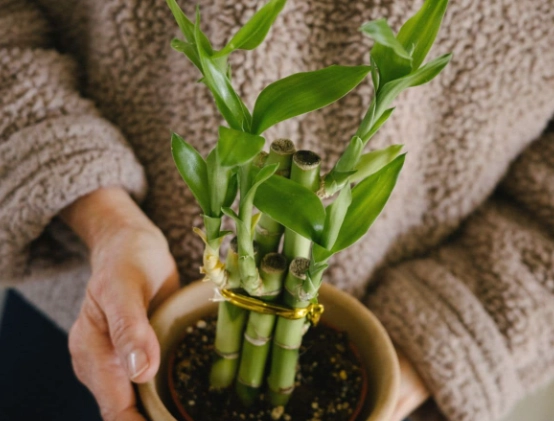
Decoding Problems: A Symptom Cheat Sheet
Let's translate what your plant is saying. This table is your go-to diagnostic tool.
| Symptom | Likely Cause | Solution |
|---|---|---|
| Yellow Leaves | 1. Too much direct sun. 2. Chemical burn from tap water (fluoride). 3. Over-fertilizing. 4. Natural aging of lower leaves. |
Move to indirect light. Switch to filtered/distilled water. Flush with clean water if over-fertilized. Remove yellow leaves. |
| Brown Leaf Tips | 1. Fluoride/chemicals in water. 2. Low humidity. 3. Salt buildup from fertilizer. |
Change water source. Increase ambient humidity. Use less fertilizer and flush vase regularly. |
| Stalks Turning Yellow | DANGER. Usually advanced root rot or severe fertilizer burn. | If soft, cut off healthy green sections to propagate. The yellow stalk may be lost. |
| Slow or No Growth | 1. Insufficient light. 2. Low temperatures. 3. Lack of nutrients (if in water for years). |
Move to a brighter location. Ensure room is warm enough. Consider a very dilute monthly feed in growing season. |
| Black, Mushy Roots | Root rot from stagnant, unhealthy water. | Cut away all black/mushy roots with sterile tools. Rinse remaining roots. Use fresh, clean water and change it weekly. |
See? It's usually not random. Your lucky bamboo care routine directly influences these outcomes.
Your Lucky Bamboo Care Questions, Answered
The Soil vs. Water Debate: Which is Better?
This is a personal choice, but here's my take after trying both.
Growing in Water (Hydroponic):
Pros: Visually striking, easy to monitor roots, less mess.
Cons: Requires vigilant weekly water changes with the right water type, provides no nutrients unless you fertilize, risk of rot if neglected.
Best for: Smaller arrangements, decorative displays, people who love the minimalist look.
Growing in Soil:
Pros: More forgiving of occasional tap water use, soil provides a buffer and some nutrients, promotes potentially larger and faster growth.
Cons: Can overwater more easily, need to check soil moisture, not as sleek-looking for some.
Best for: Larger plants, people who want a more traditional, hands-off watering schedule (wait until top soil is dry), beginners who might forget weekly water changes.
I have both.
My water ones are on my desk.
The soil ones are in bigger pots in the living room. Both methods work when you understand the rules.
Going Deeper: The Science and Symbolism
Understanding a plant's background can change how you care for it. Lucky bamboo is native to the tropical rainforests of Central Africa. It grows on the forest floor under the canopy—hence its love for bright, indirect light and humidity. It's not an aquatic plant; it's a terrestrial plant that is highly adaptable to water culture. This is why its roots look different from true aquatic plants.
For accurate botanical classification and native habitat information, institutions like the Missouri Botanical Garden are invaluable. They list Dracaena sanderiana as a synonym for Dracaena braunii, giving you the precise scientific name.
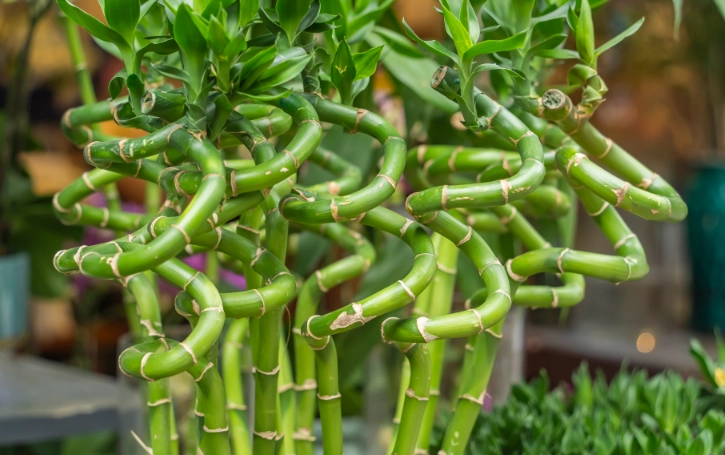
The "lucky" part comes from Feng Shui, where the number of stalks holds meaning (3 for happiness, 5 for wealth, etc.). The shapes—straight, spiral, braided—are created by manipulating light direction as the plant grows. A spiral isn't a natural mutation; it's a result of patient cultivation.
The Final Checklist for Flawless Lucky Bamboo Care
Let's boil it all down. Print this, stick it on your fridge.
- Water: Filtered/Distilled/Rainwater. 1-3 inches covering roots only. Change EVERY 7-10 days. No topping off.
- Light: Bright, INDIRECT light. North or East window ideal. No direct afternoon sun.
- Food: Tiny bit of diluted liquid fertilizer, once a month in spring/summer only. Less is more.
- Check-up: Weekly water change is your inspection time. Sniff water, feel stalks, check leaf color.
- Action: Prune yellow/brown leaves. Cut back tall stalks if desired. Propagate cuttings in water.
Mastering lucky bamboo care isn't about having a green thumb. It's about consistency with a few key, informed practices. It's about listening to the plant—the yellow leaf is its way of talking. Once you get the rhythm, it becomes second nature. You'll stop worrying about keeping it alive and start enjoying its serene, growing presence. And when a friend admires yours and says, "I could never keep one of those alive," you can smile and tell them it's easier than they think. You just need to know the secrets.
Now go give your plant some fresh water. You've got this.

Comments