You've seen those pictures online. Thick, waxy leaves trailing elegantly from a shelf, topped with perfect clusters of star-shaped, fragrant flowers. That's the Flor de Cera, or as most English speakers know it, the Hoya carnosa or Wax Plant. It has a reputation for being tough and forgiving, which is mostly true. But I've also killed one. It was my first, a gift, and I loved it to death with too much water. That experience taught me more than any generic care sheet ever did.
This guide is what I wish I had back then. We're going beyond the basics.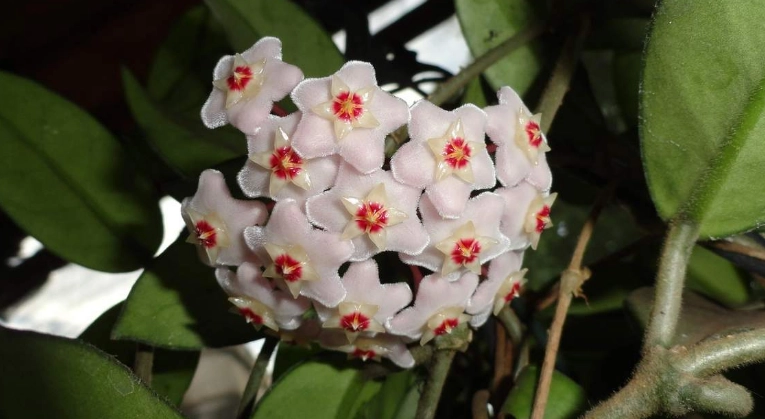
What You'll Learn
What Exactly is a Flor de Cera Plant?
"Flor de Cera" translates directly from Spanish to "Wax Flower," a perfect name for Hoya carnosa. It's a tropical, vining succulent native to parts of Asia and Australia. The "wax" refers to both its thick, glossy leaves that feel like polished jade and its stunning flower clusters that look like they're made of porcelain or, well, wax.
It's been a beloved houseplant for decades, long before the current indoor jungle trend. Your grandma might have had one. Its recent resurgence isn't just nostalgia; it's because it ticks so many boxes: visually striking, adaptable to indoor conditions, non-toxic to pets (according to the ASPCA), and a prolific grower when happy.
But here's the first non-consensus point: not all Hoyas sold as "Hoya carnosa" are the same. The classic has deep green leaves. Then there's the popular 'Krimson Queen' (variegated edges) and 'Krimson Princess' (variegated centers). The care is identical, but the variegated ones often grow a touch slower and can be slightly more demanding of light to maintain their colors.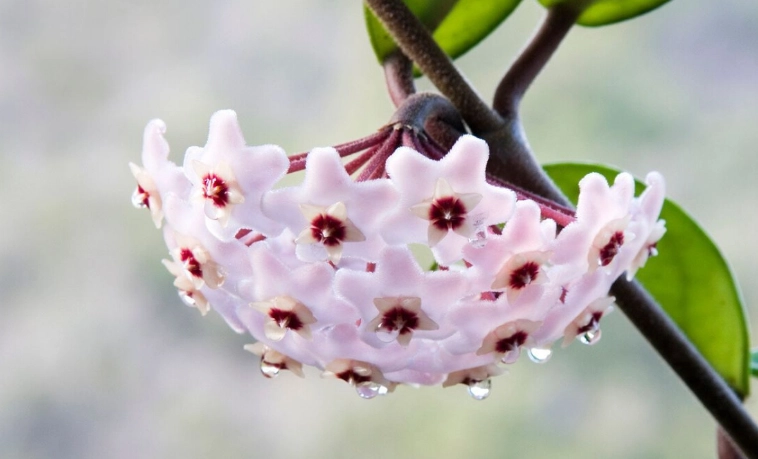
Your Flor de Cera Care Blueprint: Getting the Basics Right
Think of your Hoya not as a needy fern, but as a laid-back succulent that likes to climb. Its care revolves around mimicking its natural epiphytic habit—growing on trees in dappled light with quick-draining conditions.
Light: The Non-Negotiable for Growth and Flowers
This is where most guides are too vague. "Bright, indirect light" is correct, but what does that mean in your home?
An east-facing window is often ideal. It gets gentle morning sun. A west-facing window can work, but you might need to diffuse the harsh afternoon rays with a sheer curtain in summer. A south-facing window is great, but keep the plant a few feet back from the hot glass. North-facing? It might survive, but it will likely never flower and growth will be very slow.
My rule of thumb: If you can comfortably read a book next to your plant without turning on a lamp during the day, it's probably getting enough light. If the new leaves are coming in smaller and farther apart on the vine, or the variegation is fading to green, it's begging for more light.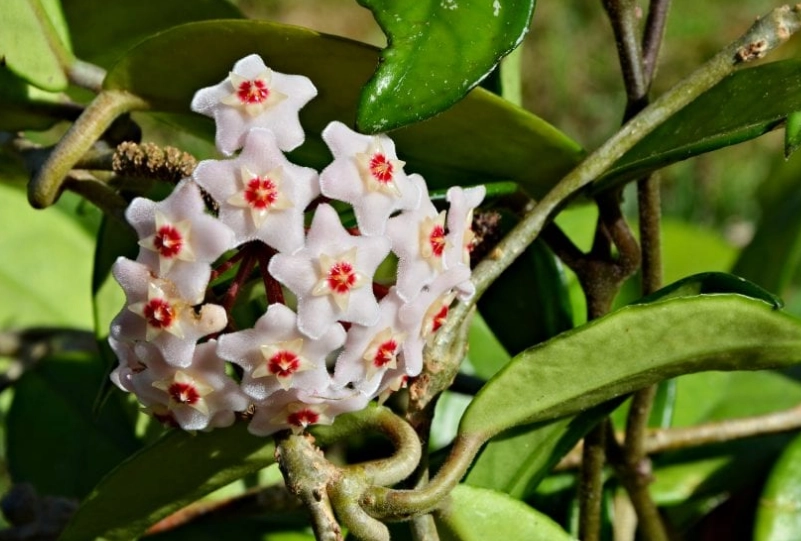
Water & Humidity: The Delicate Balance
Overwatering is the #1 killer. Those succulent leaves store water. I wait until the soil is completely dry all the way through the pot. For my mix, that's about every 10-14 days in summer, and every 3-4 weeks in winter. Don't water on a schedule. Water on condition.
How to check: Stick your finger deep into the soil. If it feels at all damp, wait. For deeper pots, a wooden chopstick works like a cake tester—if it comes out clean, it's time. The leaves will also get a slightly softer, more pliable feel when thirsty, but don't wait for wrinkling.
Humidity is nice but not critical. They tolerate average home humidity (30-50%). If you have crispy leaf tips, grouping plants together or using a pebble tray can help. But focus on getting the watering right first. High humidity with soggy soil is a fast track to root rot.
Soil & Fertilizer: Building a Strong Foundation
Forget dense, moisture-retentive potting soil. It's a death sentence. You need a mix that's airy and chunky.
My go-to recipe: 50% good quality potting mix, 30% orchid bark (for chunkiness and air), and 20% perlite or pumice (for drainage). Some people add a handful of horticultural charcoal. The goal is a mix that you can water thoroughly and have it drain out almost immediately, leaving the roots moist but not wet.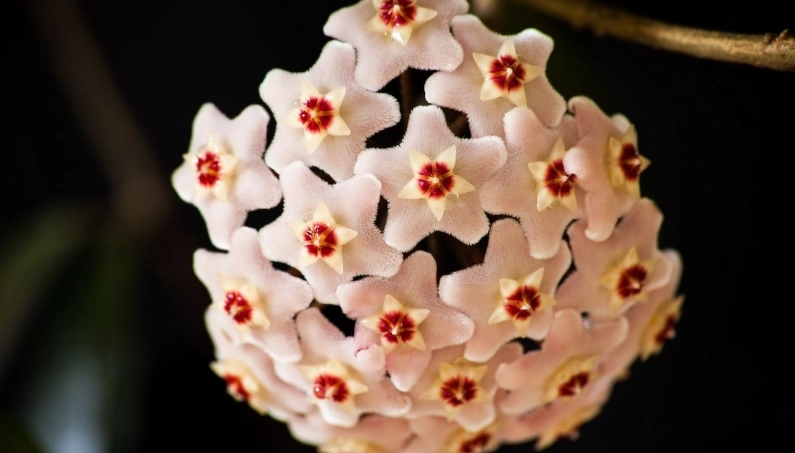
Fertilizer is simple. During the active growing season (spring and summer), I use a balanced, water-soluble fertilizer (like a 10-10-10) diluted to half strength every 4-6 weeks. In fall and winter, I stop. Over-fertilizing leads to salt buildup and can burn the roots.
| Care Aspect | What It Wants | Common Mistake |
|---|---|---|
| Light | Bright, indirect for 4-6+ hrs/day. Some morning sun is great. | Keeping it in a dark corner, then wondering why it's not growing. |
| Water | Soak & dry method. Let soil dry completely between waterings. | Watering weekly "just in case." This causes root rot. |
| Soil | Very well-draining, chunky, airy mix (e.g., potting soil + bark + perlite). | Using heavy, dense garden soil or standard compost. |
| Pot | Pot with drainage holes is mandatory. Terracotta is excellent. | Using a decorative pot without a drainage hole. |
Why Isn't My Wax Plant Flowering? (And Other Common Problems)
Let's troubleshoot. You have a healthy-looking vine but no signs of the famous wax flowers.
1. Age and Light: The plant needs to be mature enough (often 2-3 years from a cutting) and it needs a lot of that bright, indirect light we talked about. If it's not getting enough photons, it won't have the energy to bloom.
2. The Peduncle Secret: This is the big one. When a Hoya flowers, it grows a special stalk called a peduncle. After the flowers fade and fall off, DO NOT CUT THE PEDUNCLE OFF. New flower clusters will emerge from the same peduncle year after year. Cutting it off resets the clock.
3. A Little Stress Can Help: Being slightly root-bound in its pot can encourage flowering. Also, some growers report success by letting the plant experience slightly cooler temperatures (down to about 60°F/15°C) and shorter days in fall, mimicking its natural cycle. Don't over-pot it.
Other issues: Yellow leaves? Overwatering, almost guaranteed. Brown, crispy leaf edges? Low humidity or possibly fertilizer burn. No growth at all? Likely not enough light, or it's dormant (winter).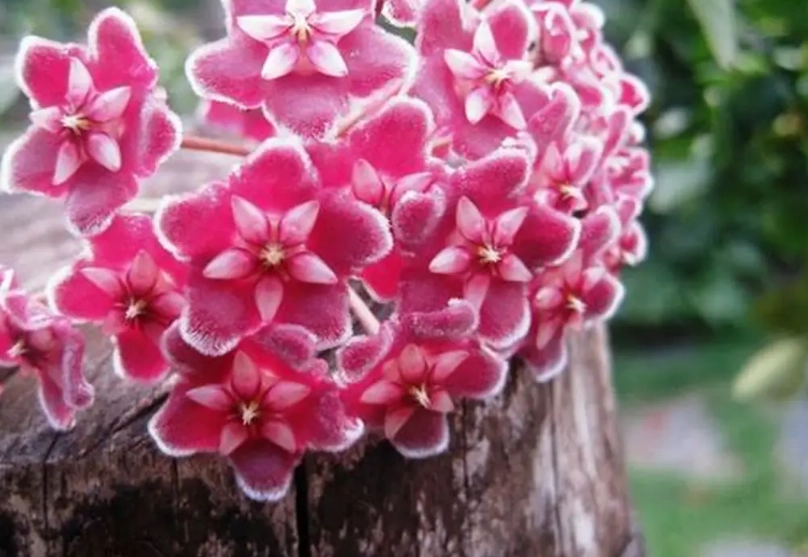
How to Propagate Your Hoya Carnosa: Share the Love
It's incredibly easy. Take a cutting with at least two nodes (those little bumps on the stem where leaves grow). Let the cut end callous over for a day to prevent rot.
You can then place it in: Water: Simple and lets you see root growth. Change the water weekly. Sphagnum Moss: Keep it moist and in a humid environment (like a plastic bag). Straight into Soil: My preferred method for Hoyas. Use your chunky mix, keep it lightly moist, and wait. Roots develop in a few weeks.
The key is warmth and patience. Bottom heat (like on top of a fridge or using a heat mat) speeds things up dramatically.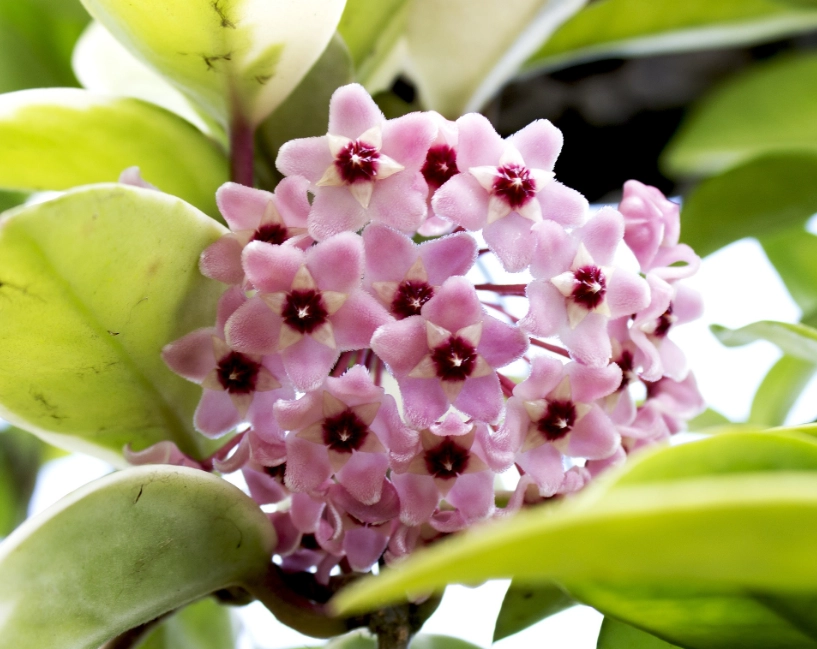
Beyond the Basic: Exploring Other Stunning Hoya Varieties
Once you master the Flor de Cera, the world of Hoyas opens up. They're addictive. Here are a few favorites that follow similar care rules:
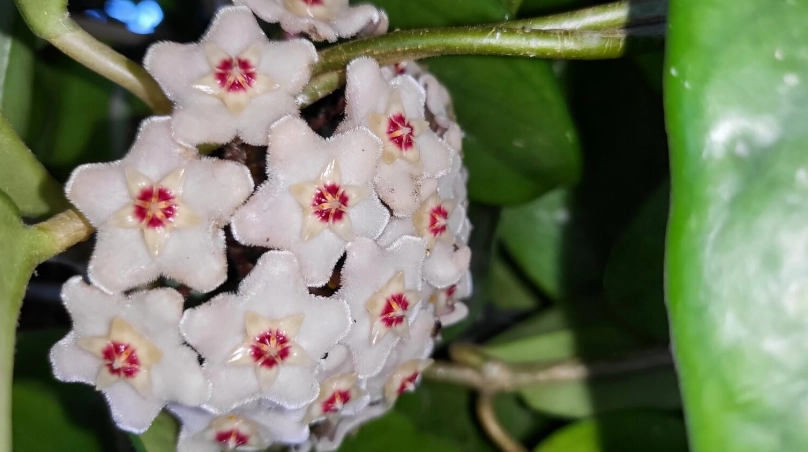 Hoya pubicalyx: Faster growing, with longer, pointed leaves and often spectacular dark pink/red flowers. Very forgiving. Hoya kerrii (Sweetheart Hoya): Sold as single, heart-shaped leaves. Note: a single leaf will rarely grow into a full vine. Buy a stem cutting if you want a plant that grows. Hoya linearis: A total showstopper with long, trailing, fuzzy stems. It prefers slightly cooler temps and more consistent moisture than carnosa, but the care principles are similar. Hoya obovata: Has big, round, splashy leaves. It's a chunky, satisfying plant that grows quickly in good light.
Your Wax Plant Questions Answered
Why won't my Flor de Cera (Hoya) plant flower?
The most common reason is insufficient light. Hoyas need very bright, indirect light for several hours a day to initiate bloom spikes. A mature plant (2-3 years old) is also necessary. Avoid repotting it too often; being slightly root-bound can encourage flowering. Most importantly, never cut off the old flower stalks (peduncles), as new flowers will grow from the same spot.
Are Flor de Cera plants toxic to cats and dogs?
According to the ASPCA, Hoya plants, including Hoya carnosa (Flor de Cera), are classified as non-toxic to cats and dogs. This makes them a safer choice for pet owners compared to many other popular houseplants. However, it's always best to discourage pets from chewing on any plant, as ingestion can still cause mild stomach upset.
What's the best way to propagate a Hoya carnosa cutting?
Take a cutting with at least two nodes (the little bumps on the stem). Let the cut end callous over for a day. Then, place it in water or directly into a moist, airy soil mix. For water propagation, change the water weekly. Roots appear faster in a warm, bright spot. A common mistake is moving it to soil too soon; wait until the water roots are at least an inch long.
Why are the leaves on my Wax Plant turning yellow and dropping?
Yellowing leaves almost always point to overwatering. Check the soil immediately. If it's soggy, you need to let it dry out completely and ensure your pot has drainage holes. Root rot could be setting in. Conversely, a few older leaves yellowing and falling off at the base is normal as the plant grows. Sudden leaf drop can also be caused by a drastic temperature change or cold draft.
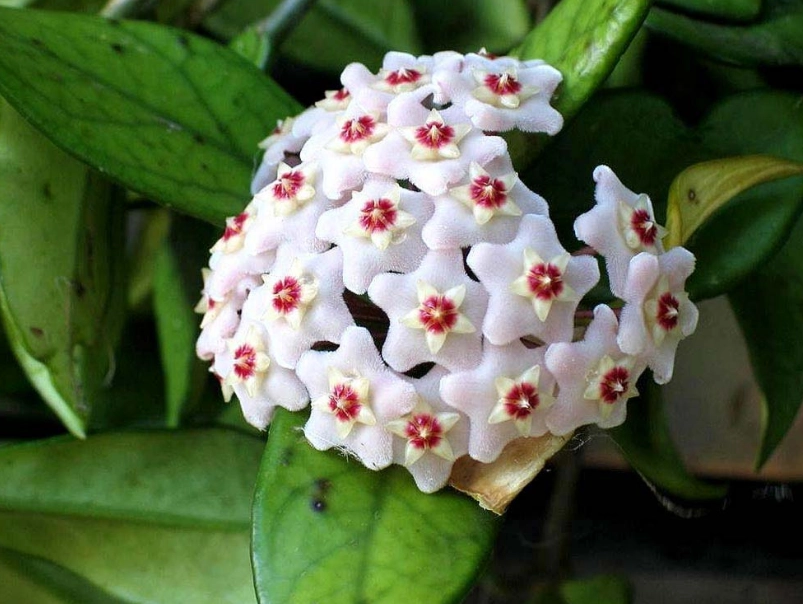 The Flor de Cera is a companion. It's not a demanding one, but it communicates. Droopy leaves, soft stems, slow growth—it's telling you something. Listen to it, apply this blueprint, and you'll be rewarded with a resilient, beautiful plant that might just outlive all your others. Start with the basics: light and a chunky soil mix. Get those right, and the rest, including those magical wax flowers, will follow.

Comments