You brought home a plump, green aloe vera plant, full of promise for clean air and handy gel. Now, a few months later, it looks sad. Maybe it's turning brown, or the leaves feel soft and mushy. I've been there. I've killed my share of aloes by being too "helpful." The truth about caring for aloe plants is counterintuitive: the most common killer isn't neglect, it's kindness, usually in the form of overwatering. This guide cuts through the generic advice. We'll get into the specifics that actually matter—the soil feel, the pot weight, the light angle—so you can stop worrying and start growing a plant that thrives.
What You'll Learn
Understanding Your Aloe's Desert Roots
Aloe vera isn't just a houseplant; it's a succulent adapted to survive in arid, rocky environments with infrequent rain. Its thick, fleshy leaves are water reservoirs. This biology is your care manual. Every piece of advice stems from this: it's built to endure drought, not constant moisture. When you understand that, the "rules" make sense. The goal is to replicate periods of drought followed by a deep drink, not a consistently damp environment.
The #1 Mistake: Watering (And How to Get It Right)
Forget schedules. Watering every Tuesday because you read it online is a fast track to root rot. Here’s the method I use after years of trial and error.
The "Soak and Dry" Method in Practice
Don't just sprinkle water on the surface. When it's time to water, do it thoroughly. Take your plant to the sink and pour water evenly over the soil until it runs freely out of the drainage holes. This ensures the entire root ball gets moisture. Then, let it drain completely before putting it back in its decorative pot or saucer. Never let it sit in standing water.
Now, the crucial part: how do you know when it's time for this deep drink?
Forget the Calendar, Use These Tests
- The Finger Test: Stick your finger about 2 inches into the soil. If it feels completely dry, it's time. If there's any coolness or dampness, wait.
- The Pot Weight Test: Lift the pot. A thoroughly dry pot feels surprisingly light compared to a freshly watered one. This is my preferred method—it becomes intuitive.
- The Leaf Check (Advanced): The plumpest, lower leaves will feel very firm when full of water. They may give a tiny bit when the plant is ready for water. Don't wait for shriveling.
In winter, your aloe might only need water once a month or even less. In a hot, bright summer, it could be every 10-14 days. Let the plant, not the season on the wall calendar, tell you.
Soil and Repotting: Building the Right Foundation
Watering correctly is useless if the soil holds water like a sponge. Regular potting soil is a death sentence for aloe vera. It retains moisture for too long.
You need a fast-draining cactus and succulent mix. Even better, make your own: mix 2 parts standard potting soil with 1 part perlite and 1 part coarse sand or poultry grit. This creates an airy, gritty medium that water flows through quickly, mimicking its natural rocky habitat.
When and How to Repot
Repot when you see "pups" (baby plants) crowding the base, or roots growing out of the drainage holes. Spring or early summer is the best time.
- Choose a pot only 1-2 inches wider in diameter than the current one. A pot too large holds excess wet soil.
- Non-negotiable: The pot must have drainage holes.
- Use fresh succulent mix. Gently loosen the old soil from the roots.
- Plant at the same depth it was before. Don't bury the leaves.
- Wait about a week before watering to let any disturbed roots heal.
Finding the Perfect Light and Temperature
Aloes love bright, indirect light. A south or west-facing window is ideal in the Northern Hemisphere. But here's a subtle mistake: too much direct, hot afternoon sun through a glass window can actually scorch the leaves, causing a brown, crispy color. If you see this, pull the plant back a few feet or use a sheer curtain.
If your light is low, the plant will start to "stretch" or etiolate, becoming leggy and pale. It's reaching for light. Move it to a brighter spot.
Temperature-wise, they enjoy the same range we do: 55-80°F (13-27°C). They are not frost-hardy. If you put them outside in summer, bring them in well before the first fall chill.
How to Propagate Your Aloe for Free Plants
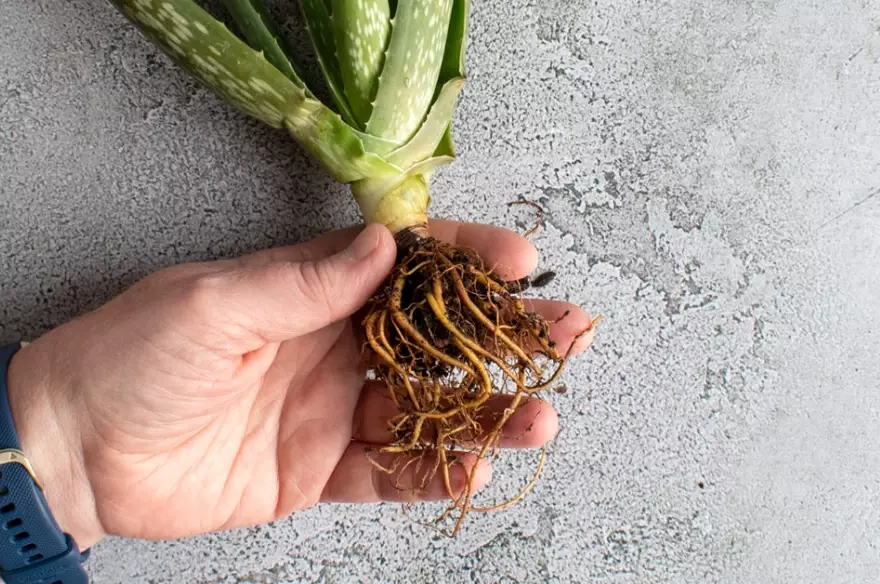
This is the fun part. The easiest way is by dividing the "pups" or offsets that grow from the mother plant.
- Wait until the pup is a decent size (about one-fifth the size of the parent) and has a few roots of its own.
- Gently remove the entire plant from its pot and brush away soil to see where the pup connects to the main plant.
- If it has its own roots, you can often gently twist it off. If not, use a clean, sharp knife to separate it, trying to keep some roots on the pup.
- Let the pup sit in a dry, shady spot for a day or two to let the cut end callous over. This prevents rot.
- Pot it up in a small container with succulent mix and care for it like a mature plant, but be even more sparing with water until it establishes.
Can you grow aloe from a leaf cutting? Technically yes, but the success rate is very low compared to other succulents. The leaf often rots before it roots. Dividing pups is infinitely more reliable.
Diagnosing Common Aloe Problems
Here’s a quick-reference table for troubleshooting. Most problems link back to water or light.
| Symptom | Likely Cause | Solution |
|---|---|---|
| Soft, mushy, brown leaves | Overwatering / Root Rot | Stop watering immediately. Check roots. If brown/black and smelly, cut away rot, repot in dry soil, and hope. |
| Thin, curled, dry leaves | Underwatering | Give the plant a thorough soak. Leaves should plump up in a day or two. |
| Brown, crispy leaf tips | Sunburn or chemical burn (from tap water) | Move to a spot with less intense direct sun. Try using filtered or distilled water. |
| Leggy, pale growth | Insufficient light | Gradually move to a brighter location. |
| Whole plant leaning over | Reaching for light or top-heavy | Rotate the pot regularly for even growth. Repot into a heavier, wider-based pot if needed. |

Comments