So you've brought home a syngonium, often called an arrowhead plant, and now you're wondering how to keep it alive. I've been there—my first syngonium nearly died from overwatering before I figured things out. These plants are forgiving, but they have quirks. Let's dive into the essentials to make yours thrive.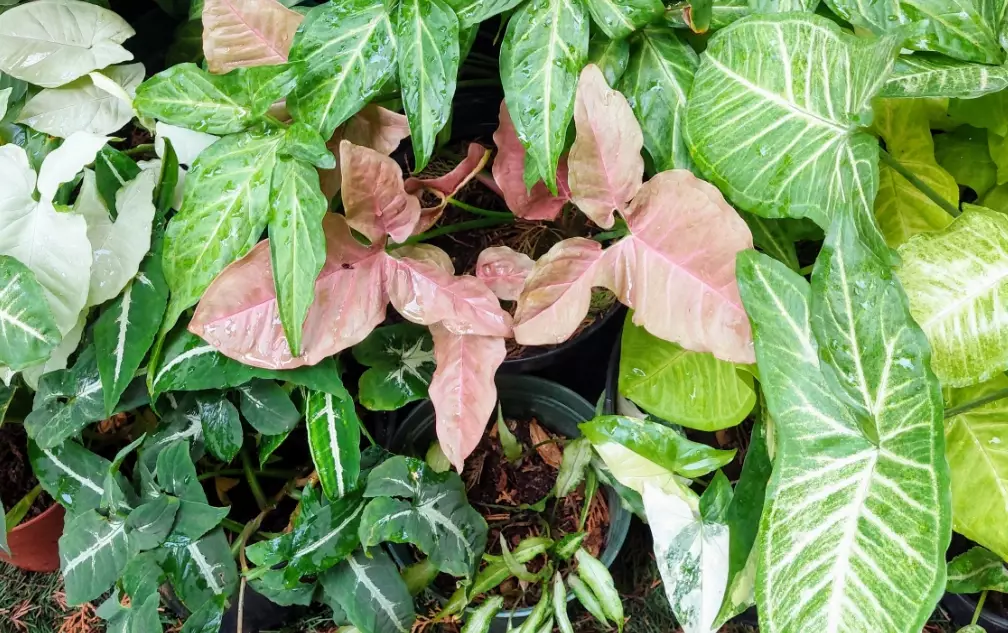
In This Guide
- Getting Started with Syngonium: What You Need to Know
- Creating the Perfect Environment: Light, Temperature, Humidity
- Watering Wisdom: Avoid the Most Common Mistake
- Soil and Fertilizer: Building a Strong Foundation
- Pruning and Propagation: Keep It Growing
- Troubleshooting Common Syngonium Problems
- Frequently Asked Questions
Getting Started with Syngonium: What You Need to Know
Syngoniums are tropical plants native to Central and South America. They're popular for their arrow-shaped leaves and adaptability. But here's something many guides skip: not all syngoniums are the same. Some varieties are more finicky than others.
I remember buying a variegated syngonium on impulse, only to watch it struggle in my dim apartment. It taught me that knowing your plant's type matters.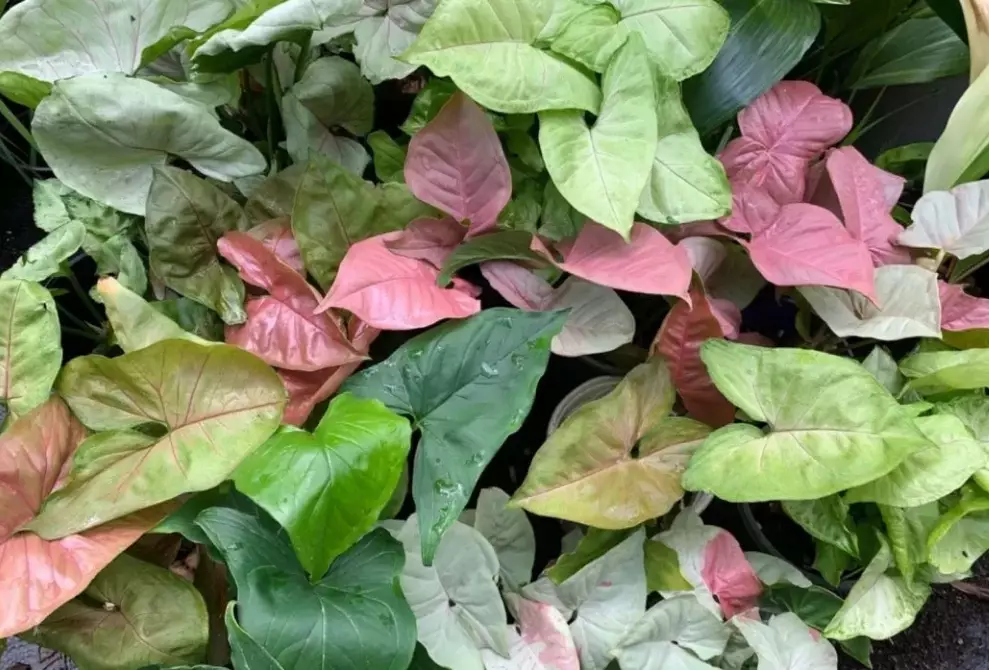
Popular Syngonium Varieties You Should Know
Here's a quick table of common types—pick one that fits your space.
| Variety | Leaf Color | Light Needs | Notes |
|---|---|---|---|
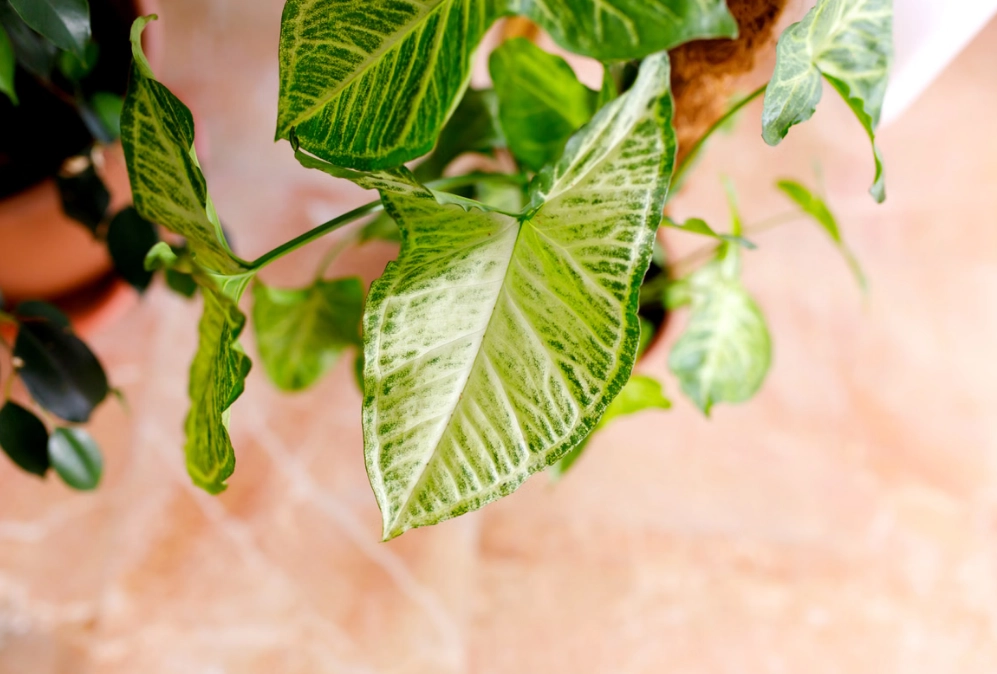
| Syngonium podophyllum 'White Butterfly' | Green with white veins | Bright indirect | Great for beginners, fast grower |
| Syngonium 'Neon Robusta' | Pinkish-green | Medium indirect | Color fades in low light |
| Syngonium 'Maria Allusion' | Dark green, bronze hints | Low to medium | Very tolerant, my personal favorite |
| Syngonium 'Gold Allusion' | Yellow-green | Bright indirect | Needs consistent moisture |
According to the Royal Horticultural Society, syngoniums are generally low-maintenance, but variegated types demand more light. If you're starting out, go for a green variety—they're harder to kill.
Creating the Perfect Environment: Light, Temperature, Humidity
Light is where most people mess up. Syngoniums don't want direct sun; it scorches their leaves. But they also won't thrive in a dark corner.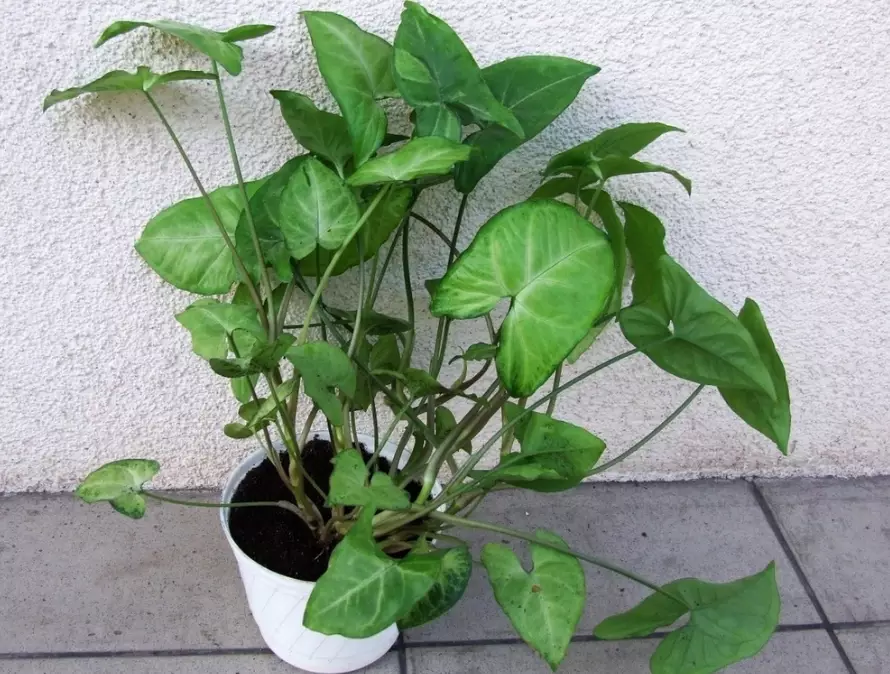
Think of it like this: place them near a north or east-facing window. If you only have south-facing light, use a sheer curtain to diffuse it. I've seen plants stretch toward light, getting leggy and weak—a sign they're not happy.
Finding the Best Spot in Your Home
Temperature-wise, keep it between 60-80°F (15-27°C). Avoid drafts from air conditioners or heaters. Humidity is crucial too. These plants love moisture in the air. If your home is dry, group plants together or use a pebble tray. A humidifier works wonders—I run one in winter, and my syngoniums perk up within days.
Here's a tip many overlook: syngoniums can adapt to lower humidity, but growth slows. If leaves start browning at the edges, it's a cry for more moisture.
Watering Wisdom: Avoid the Most Common Mistake
Overwatering is the number one killer of syngoniums. I killed my first plant by watering on a schedule, not by need. The soil should dry out slightly between waterings.
Stick your finger into the soil up to the first knuckle. If it feels dry, water thoroughly until it drains out the bottom. If it's damp, wait. In winter, cut back—plants drink less when light is low.
Personal story: Last year, I watered my syngonium every week, thinking I was being diligent. The leaves turned yellow and mushy. Turns out, the pot had no drainage holes. Always use pots with holes!
Signs You're Overwatering or Underwatering
- Overwatering: Yellow leaves, soft stems, soil smells musty. Root rot sets in fast.
- Underwatering: Drooping leaves, dry soil, brown crispy edges. The plant looks thirsty.
Adjust based on season. In summer, I water every 7-10 days; in winter, maybe every 2-3 weeks. It depends on your home's conditions.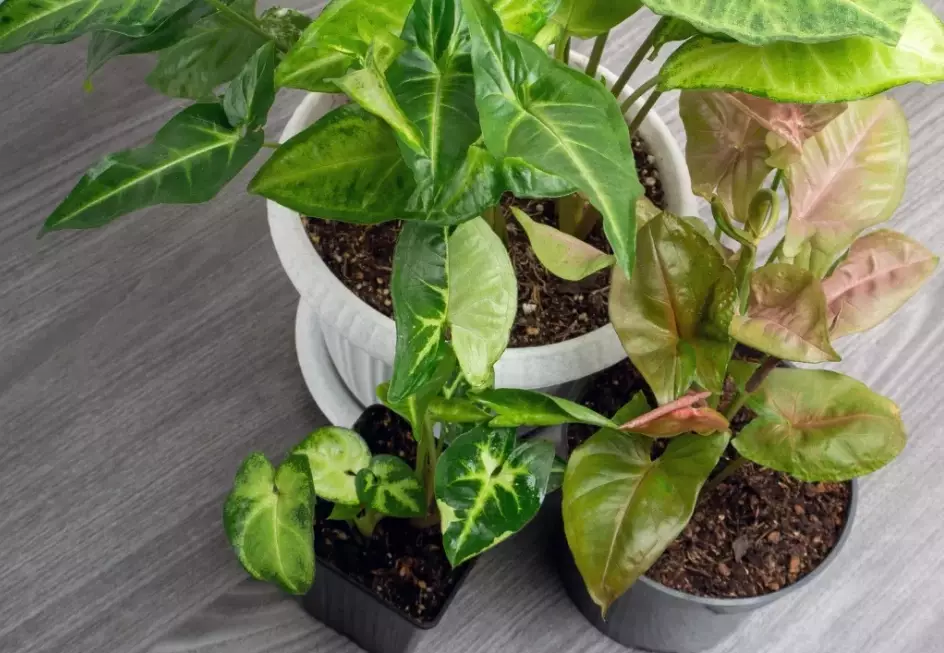
Soil and Fertilizer: Building a Strong Foundation
Syngoniums need well-draining soil. A mix of potting soil, perlite, and orchid bark works well. Avoid heavy garden soil—it holds too much water.
Fertilize during the growing season (spring and summer). Use a balanced liquid fertilizer diluted to half strength every 4-6 weeks. In fall and winter, stop fertilizing. Over-fertilizing can burn roots, a mistake I made early on by being too eager.
Choosing the Right Pot
Terracotta pots are great because they breathe, reducing overwatering risk. Plastic pots retain moisture longer. Size matters too—don't pot too large, as excess soil stays wet. Repot every 1-2 years when roots circle the bottom.
Pruning and Propagation: Keep It Growing
Pruning keeps syngoniums bushy. If they get leggy, pinch off the tips. You can propagate those cuttings easily.
Propagation is fun and cost-effective. Here's my step-by-step method:
- Cut a stem below a node (the bump where leaves grow).
- Remove lower leaves, leaving 2-3 at the top.
- Place in water or moist soil. I prefer water—you can see roots develop.
- Change water weekly to prevent rot.
- Once roots are 2-3 inches long, plant in soil.
A common error? Using dull scissors that crush the stem. Use sharp, clean tools to avoid infection.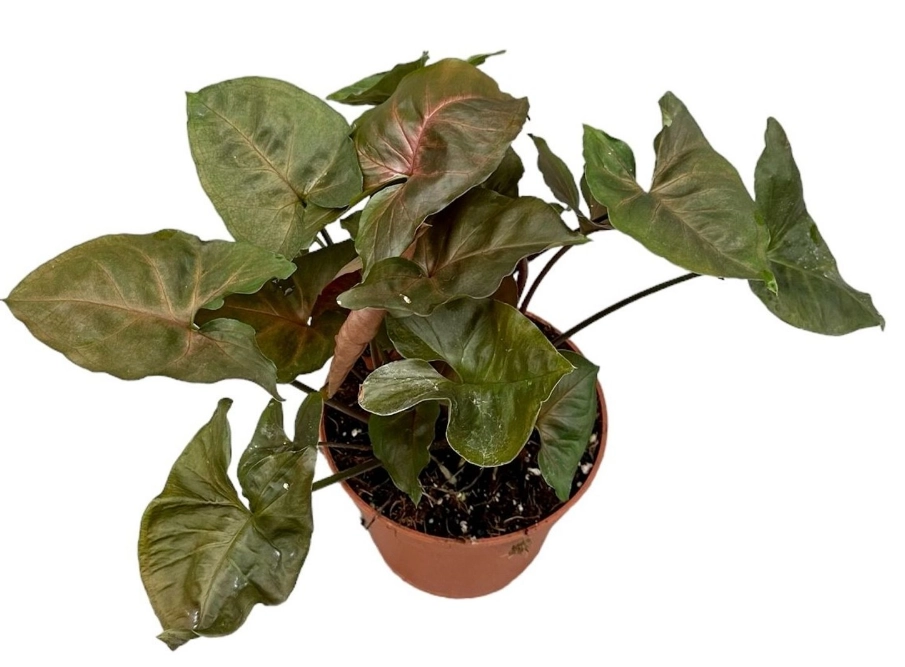
Troubleshooting Common Syngonium Problems
Even with care, issues pop up. Here's how to handle them.
Dealing with Pests and Diseases
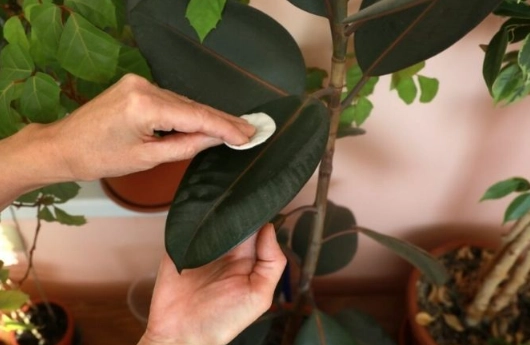
Syngoniums can attract spider mites or mealybugs. If you see tiny webs or cottony patches, isolate the plant. Wipe leaves with a damp cloth or use insecticidal soap. For severe cases, a mix of neem oil works—I've applied it with a spray bottle. It's a common treatment in my experience.
Root rot from excess moisture is a common issue. If the plant is wilting despite wet soil, check roots. Brown, mushy roots mean rot. Cut away damaged parts, repot in fresh soil, and reduce watering.
Leaf spots can signal fungal issues. Improve air circulation and avoid wetting leaves when watering.
Frequently Asked Questions
 Syngonium care isn't rocket science, but it requires attention to details. Start with a resilient variety, master watering, and adjust based on your home's conditions. These plants reward you with lush growth—mine have even flowered occasionally, a rare treat indoors. Happy planting!
Comments