Quick Guide
- Why the Chinese Evergreen is Every Plant Parent's Secret Weapon
- The Ultimate Chinese Evergreen Care Guide (No PhD Required)
- Choosing Your Chinese Evergreen: A Visual Tour of Top Varieties
- Troubleshooting: Reading Your Plant's Signals
- Beyond Basics: Propagation & Repotting Your Aglaonema
- The Long-Term Relationship: Keeping Your Plant Thriving for Years
Let's be real. We've all killed a plant or two. Maybe you forgot to water it for a month. Maybe you gave it too much love (and water). I've been there. That's exactly why I fell head over heels for the Chinese Evergreen, or Aglaonema if you want to get scientific. This plant? It forgives. It thrives on what feels like neglect. It's the perfect starter plant that somehow never feels "basic," thanks to its stunning, painterly leaves.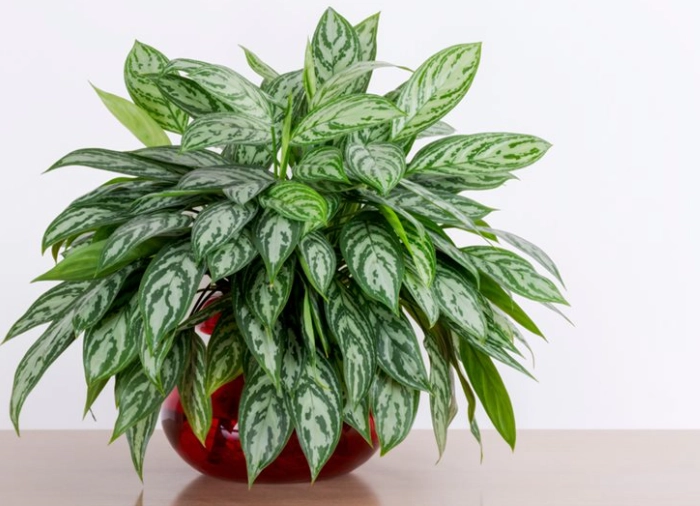
You've probably seen them. Those lush, spear-shaped leaves splashed with silver, pink, red, or deep green patterns. They sit quietly in a corner of a dentist's office or brighten up a dim hotel lobby, looking impeccable with zero apparent care. That's the magic trick. The Chinese Evergreen is arguably one of the most adaptable houseplants on the planet. It tolerates low light, irregular watering, and the dry air of modern homes better than most of its trendy counterparts.
I remember my first Aglaonema 'Silver Bay.' I bought it on a whim from a grocery store, stuck it in a north-facing bathroom with no window, and proceeded to ignore it for weeks at a time. Not only did it survive, it pushed out two new leaves. That's when I knew this was a special plant. This guide is everything I wish I knew then, packed with practical advice, some hard-learned lessons, and a deep dive into why this plant deserves a spot in every home.
Why the Chinese Evergreen is Every Plant Parent's Secret Weapon
It's not just about survival. Sure, a Chinese Evergreen plant will live where your fiddle leaf fig would throw a dramatic, leaf-dropping tantrum. But its appeal goes deeper. First, the variety is insane. From the almost neon pink of 'Siam Aurora' to the sophisticated, dark green and silver veins of 'Maria,' there's an Aglaonema for every aesthetic. They are living art.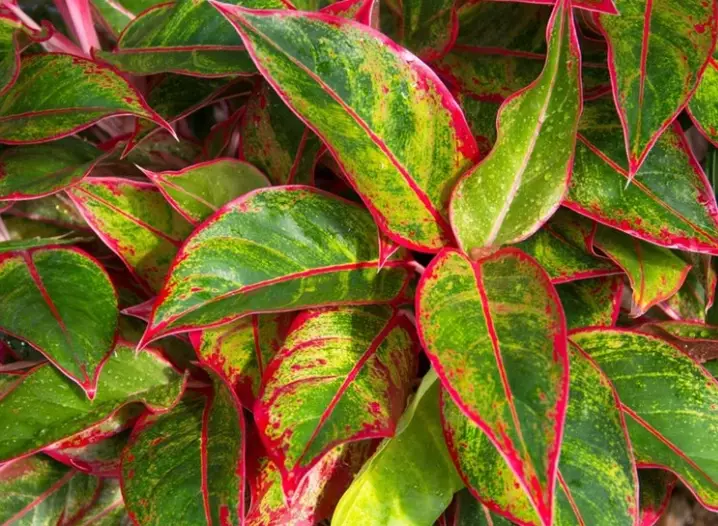
Second, they're silent air purifiers. A famous NASA Clean Air Study, which you can still reference through resources like the NASA Technical Reports Server, identified Aglaonema modestum as effective at removing common household toxins like benzene and formaldehyde from the air. While later studies have added nuance, the core takeaway holds: having plants like these contributes to a healthier indoor environment. It's a functional bonus on top of the beauty.
But here's my personal favorite reason: they communicate. Unlike some plants that just suddenly die, a Chinese Evergreen tells you what it needs. Yellow leaves? You're probably overwatering. Brown, crispy tips? The air might be too dry. It gives you feedback, which is how you actually learn to be a better plant caretaker.
The Top 3 Reasons You Need a Chinese Evergreen
- Unbeatable Low-Light Tolerance: It genuinely grows in corners where other plants just sulk. Perfect for rooms far from windows.
- Forgiving Watering Schedule: Prefers to dry out a bit between drinks. Your two-week vacation won't faze it.
- Non-Stop Visual Interest: The foliage is the main event, with patterns and colors that rival flowering plants, minus the fuss.
The Ultimate Chinese Evergreen Care Guide (No PhD Required)
Okay, let's get into the nitty-gritty. How do you keep your Aglaonema not just alive, but thriving and growing? It's simpler than you think, but a few key pointers make all the difference.
Light: The Golden Rule is "Avoid Direct Sun"
This is the most critical part. Think of the dappled light on a forest floor. That's what a Chinese Evergreen loves. Bright, indirect light is ideal and will encourage faster growth and more vibrant colors, especially in variegated types. But here's the kicker: it will also do perfectly fine in low to medium indirect light. The growth will be slower, but the plant will remain healthy. A north-facing window or a spot several feet back from an east or west window is prime real estate.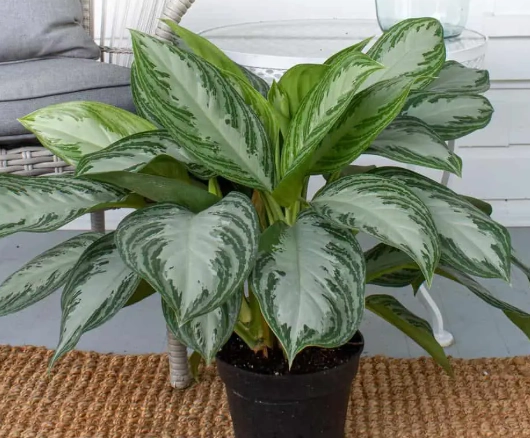
Direct afternoon sun? That's a hard no.
It will scorch the leaves, leaving ugly brown or yellow patches. If the only spot you have gets some direct sun, use a sheer curtain as a filter. I learned this the hard way with an 'Emerald Bay' I placed on a sunny sill. The leaves looked bleached and burnt within a week. Moved it back, and it recovered like a champ.
Watering: The "Soak and Dry" Method is Your Best Friend
Overwatering is the #1 killer of houseplants, and Aglaonemas are no exception. They have moderate watering needs but are highly susceptible to root rot if left sitting in soggy soil. My method is foolproof.
- Check the soil: Stick your finger about 2 inches into the potting mix. Is it dry? Then it's time to water. Is it still moist? Wait. A moisture meter is a cheap tool that takes the guesswork out completely.
- Water thoroughly: When you do water, take the plant to the sink and water slowly until you see liquid freely draining out of the bottom drainage holes. This ensures the entire root ball gets hydrated.
- Let it drain: Never let the pot sit in a saucer full of water. Empty the cachepot or saucer after 15-20 minutes. This step is non-negotiable.
In general, you might water every 1-2 weeks in summer and maybe every 3-4 weeks in winter when growth slows. But always, let the soil's dryness be your guide, not the calendar.
Soil & Potting: Giving Roots Room to Breathe
You can't talk about watering without talking about soil. A Chinese Evergreen needs a well-draining, airy potting mix. A standard, high-quality all-purpose potting mix is a good start, but I like to amend it. My go-to recipe is: 2 parts all-purpose potting mix, 1 part perlite, and 1 part orchid bark (or coco chips). The perlite and bark create air pockets, preventing compaction and improving drainage dramatically.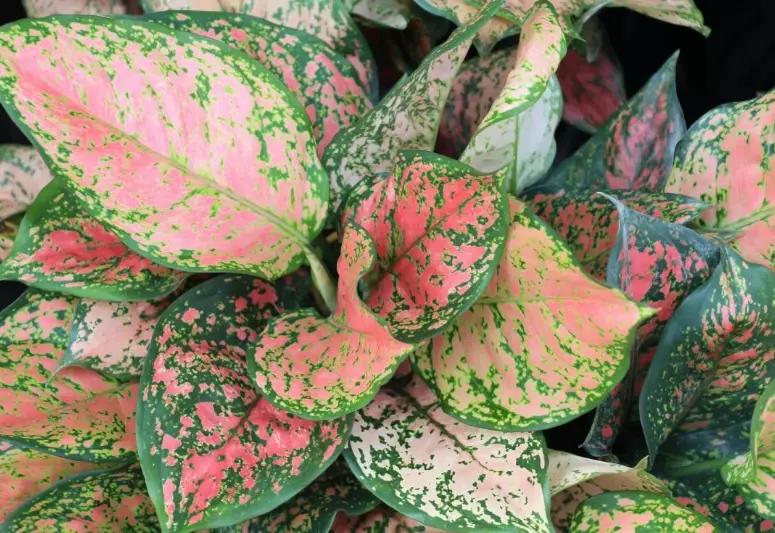
As for pots, always choose one with drainage holes. Terracotta pots are excellent because they are porous and help wick away excess moisture from the soil, reducing overwatering risks. Plastic or ceramic pots are fine too—just be a little more careful with your watering frequency.
Choosing Your Chinese Evergreen: A Visual Tour of Top Varieties
This is the fun part. Walking into a nursery and seeing the array of Aglaonemas can be overwhelming. Here's a breakdown of some of the most popular and stunning varieties to help you choose.
| Variety Name | Key Features & Colors | Best For | My Personal Take |
|---|---|---|---|
| Aglaonema 'Silver Bay' | Broad, oval leaves with a silver center and dark green edges. Very bushy. | Absolute beginners. It's incredibly tough and fast-growing. | The workhorse. Not the flashiest, but never lets you down. A classic for a reason. |
| Aglaonema 'Siam Aurora' | Stunning pink and red stems with green leaves edged in pink/red. | Adding a bold pop of color to neutral spaces. Bright, indirect light brings out the pink. | Looks expensive and tropical. The color can fade in low light, so give it some brightness. |
| Aglaonema 'Maria' | Darker green leaves with elegant, silvery-green chevron patterns. | Low-light champions. Its darker foliage photosynthesizes more efficiently in shade. | The sophisticated one. Grows slower than others but is unbelievably resilient in dim corners. |
| Aglaonema 'Red Valentine' | Deep pink/red leaves with small green speckles and edges. | Making a dramatic statement. The reddest of the common varieties. | Needs brighter light to maintain its spectacular color. High reward, slightly higher maintenance. |
| Aglaonema 'Sparkling Sarah' | Light green leaves with vibrant pink veins and speckles. Pink stems. | Brightening up a room. The contrast is cheerful and eye-catching. | A personal favorite. The pink is softer than 'Siam' but just as beautiful. Moderate grower. |
See what I mean? The diversity within the Chinese Evergreen family is wild. Whether you want subtle elegance or a neon punch, there's an Aglaonema waiting for you.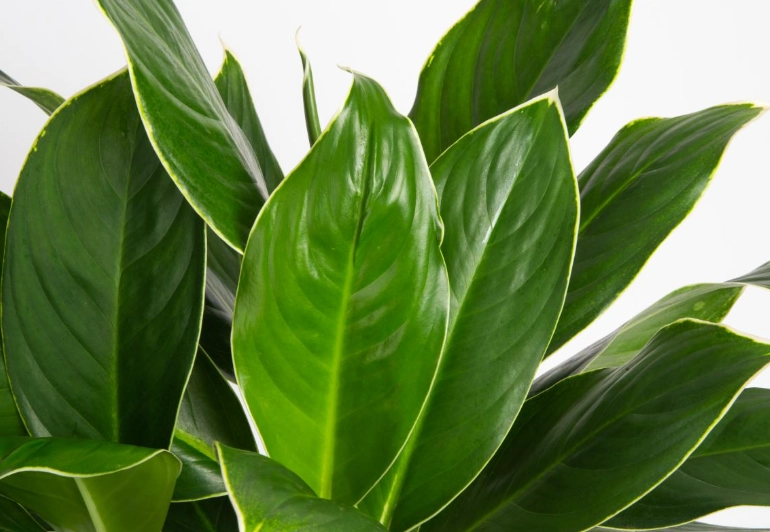
Troubleshooting: Reading Your Plant's Signals
Even the toughest plants have issues. Let's decode what your Chinese Evergreen is trying to tell you.
Yellow Leaves
This is the most common cry for help. Usually, it's overwatering. Check the soil. Is it soggy? You might need to repot into fresh, dry mix and trim any black, mushy roots. Sometimes, a few older leaves yellowing and dying off at the bottom is completely normal—the plant is just shedding its oldest growth. Don't panic.
Brown, Crispy Leaf Tips or Edges
This is typically a humidity issue or a chemical burn. Our homes, especially with AC or heat running, are much drier than a tropical rainforest. While Aglaonemas tolerate average humidity, they appreciate more. You can mist the leaves (though this is temporary), group plants together, or use a humidifier. Alternatively, brown tips can come from fluoride or chlorine in tap water. Using filtered water or leaving tap water out overnight before watering can help.
Leggy Growth & Small Leaves
As mentioned, this is a plea for more light. The plant is stretching to find a photon. Move it to a brighter location. You can also prune back the leggy stems to encourage bushier growth from the base.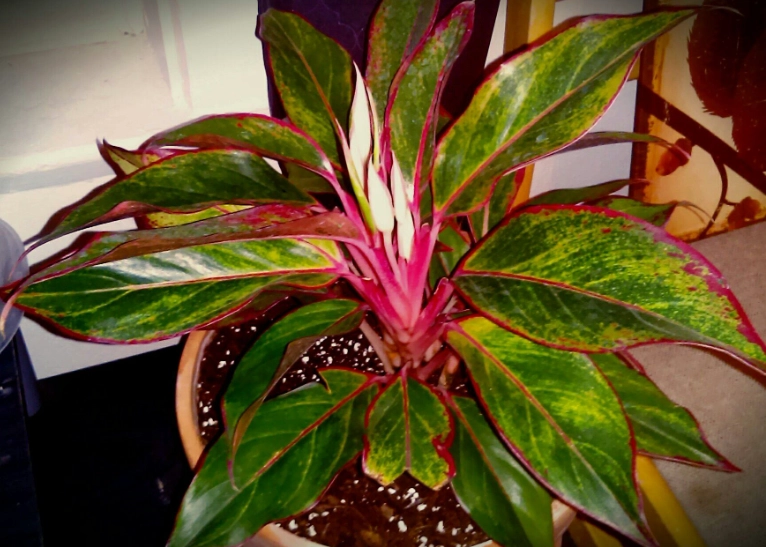
Beyond Basics: Propagation & Repotting Your Aglaonema
Once you've kept a Chinese Evergreen alive for a year, you'll likely want to make more or give it a bigger home. Both are surprisingly easy.
How to Propagate: Water vs. Soil
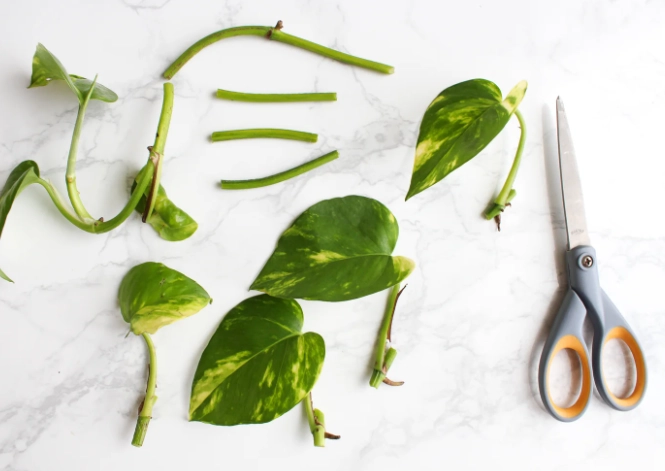
The easiest way is stem cuttings. In spring or summer, use a clean knife to cut a stem with a few leaves on it. You can:
- Root in water: Place the cutting in a jar of water, ensuring no leaves are submerged. Change the water weekly. Roots should appear in 2-6 weeks. Once they're a few inches long, pot it up. It's satisfying to watch.
- Root in soil: Dip the cut end in rooting hormone (optional but helpful) and plant it directly in a small pot with moist potting mix. Cover it loosely with a plastic bag to create humidity. Keep the soil lightly moist. This method skips the transplant shock from water to soil.
You can also propagate by division when repotting. Simply gently pull or cut apart the root ball into two or more sections, each with its own stems and roots, and pot them separately. Instant new plants!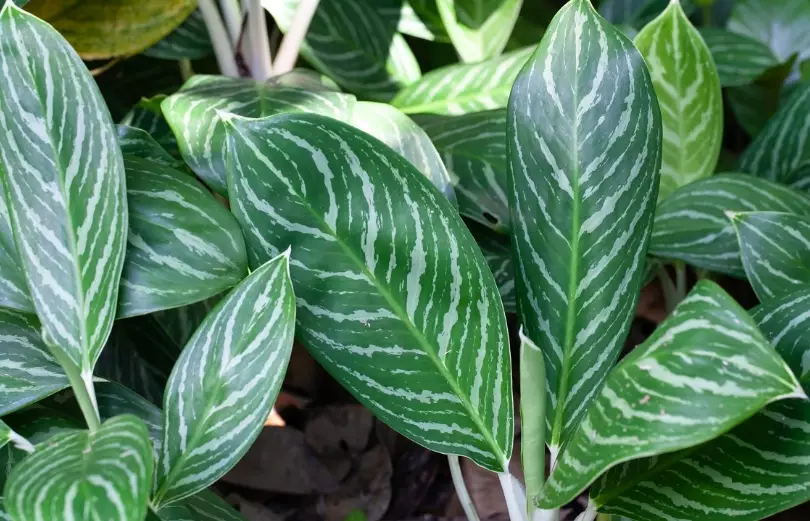
When and How to Repot
Chinese Evergreens like to be slightly root-bound, so don't rush to repot. Do it every 2-3 years, or when you see roots circling the bottom of the pot or growing out of the drainage holes. Spring is the best time.
- Choose a new pot only 1-2 inches larger in diameter than the old one. Too big = too much wet soil = root rot risk.
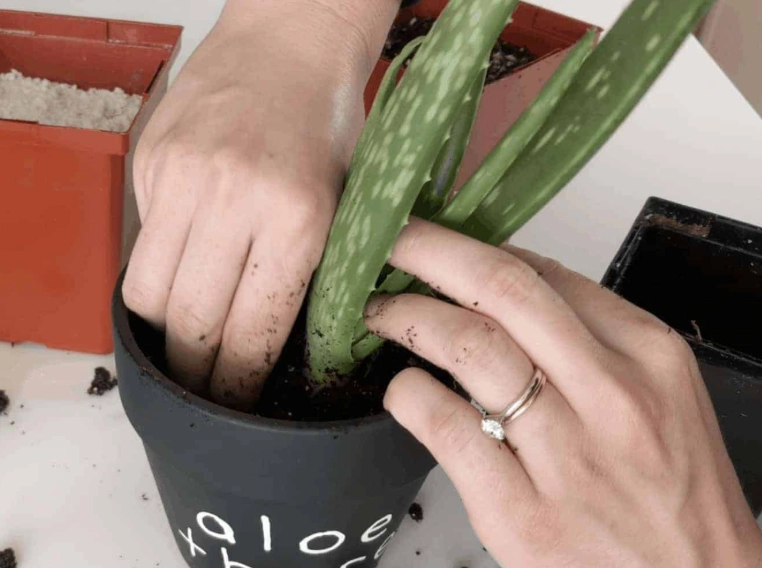
- Gently remove the plant, loosen the root ball, and shake off some old soil.
- Place it in the new pot with fresh potting mix at the bottom, fill in the sides, and water thoroughly.
Chinese Evergreen Q&A: Your Top Questions Answered
The Long-Term Relationship: Keeping Your Plant Thriving for Years
Caring for a Chinese Evergreen isn't a sprint; it's a marathon. A little regular attention goes a long way.
- Dust the leaves: Those big leaves are dust magnets. Wipe them gently with a damp cloth every month or so. This lets the plant breathe and photosynthesize efficiently, and it just looks better.
- Rotate the pot: Give the pot a quarter turn every time you water. This prevents the plant from leaning dramatically towards the light source, promoting even growth.
- Fertilize sparingly: During the active growing season (spring and summer), you can feed with a balanced, diluted liquid fertilizer (like a 10-10-10) once a month. Do not fertilize in fall and winter. More is not better—it can lead to salt buildup in the soil and burn the roots.
- Prune for shape: Don't be afraid to snip off a damaged or yellowing leaf at the base of its stem. To encourage bushiness, you can prune back a leggy stem. New growth will typically emerge from a node below the cut.
Look, at the end of the day, the Chinese Evergreen is a companion. It's a piece of living decor that asks for little and gives so much. It teaches patience, observation, and the quiet joy of nurturing something. Whether you're a serial plant killer looking for redemption or a seasoned collector wanting a stunning, low-drama specimen, this plant delivers.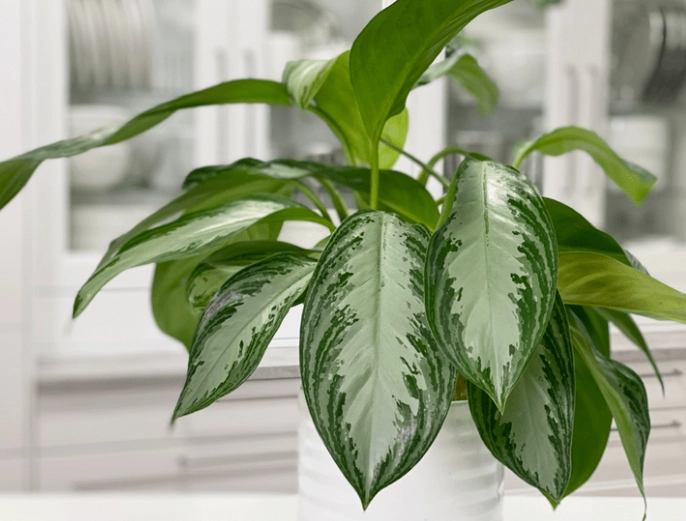
You might start with one. But trust me, the allure of different varieties is strong. Before you know it, you'll have a collection. And each one, with its unique pattern and personality, will be a testament to the fact that sometimes, the easiest plants are also the most rewarding.
So go ahead. Pick one out. Find it a spot away from the sun's harsh rays, promise not to love it to death with water, and just enjoy. Your Chinese Evergreen adventure is about to begin.
Comments