I killed my first pothos. There, I said it. I was so eager to be a good plant parent that I watered it every other day like clockwork. Turns out, that clock was ticking towards a soggy, yellowed demise. The most common question in indoor gardening—how often to water indoor plants—is also the one with the most misleading answers. You'll see "once a week" advice everywhere, but that's a recipe for disaster. Your home isn't a greenhouse with perfect conditions. Your watering schedule depends on a cocktail of factors unique to your space.
This guide isn't about memorizing a calendar. It's about understanding the why behind watering, so you can confidently assess any plant's needs. We'll move from theory to practice, covering everything from the subtle signs your plant is thirsty to a detailed watering guide for popular houseplants.
What’s Inside This Guide
Why "Once a Week" is the Worst Advice You Can Follow
Let's get this out of the way. A fixed schedule ignores reality. In summer, with the AC blasting and sun blazing, your fern might need water twice a week. That same fern in a cool, humid winter room might go 10 days. A terracotta pot dries out faster than plastic. A large, root-bound plant in a small pot drinks quicker than a small plant in a oversized pot.
Blindly following a schedule is how overwatering happens. And overwatering isn't just giving too much water at once; it's watering too frequently, not allowing the roots to breathe. This suffocates roots, leading to rot—the silent killer of more houseplants than any pest.
The 5 Real Factors That Dictate Watering Frequency
Forget the calendar. Your indoor plant watering schedule is set by these five elements. Think of them as dials you adjust.
1. Plant Type (This is Everything)
A cactus and a peace lily live on different planets, water-wise. Plants from arid regions (succulents, cacti, snake plants) have evolved to store water and need long, dry periods. Tropical plants (pothos, monsteras, ferns) prefer consistently moist (not wet!) soil. This is the single biggest factor.
2. Light Exposure
More light = more photosynthesis = more water use. A plant in a bright south-facing window will dry out much faster than the same plant in a low-light north corner. I once moved a ZZ plant from a dim hallway to a sunny spot and had to double its watering frequency.
3. Season & Indoor Climate
Most plants grow actively in spring and summer, drinking more water. In fall and winter, growth slows or stops—they need far less. Also, consider your home's humidity. Dry, heated air in winter can dry soil surprisingly fast, while a humid summer might mean less frequent watering.
4. Pot Size and Material
Small pots dry out fast. Large pots hold moisture longer. Terracotta pots are porous and pull moisture from the soil, drying it quicker. Glazed ceramic or plastic pots retain moisture. A moisture-loving plant in a tiny terracotta pot is a high-maintenance combo.
5. Soil Mix
Heavy, dense potting soil holds water like a sponge and stays wet for ages. A well-aerated, chunky mix with perlite, orchid bark, or coco coir drains quickly and allows roots to breathe, meaning you can water more frequently without risk of rot. I repot almost all my plants into a airier mix—it's a game-changer.
How to Check if Your Plant Needs Water (Forget the Schedule)
This is the practical skill. Ditch the guesswork and use these methods. I use a combination of 1 and 2 for 90% of my plants.
The Finger Test: Insert your finger into the soil up to the second knuckle (about 2 inches). If the soil feels dry at that depth, it's time to water for most common tropicals. If it feels damp or cool, wait. For succulents and cacti, let the soil dry out completely through the entire pot.
The Chopstick/Skewer Test: Great for deeper pots. Push a wooden chopstick into the soil, leave it for a minute, then pull it out. If it comes out with soil sticking to it or looks dark with moisture, the soil is still wet. If it comes out clean and dry, it's watering time.
Lift the Pot: With practice, this is incredibly effective. Pick up the plant. A pot with dry soil is noticeably lighter than one with wet soil. It's the best method for plants that hate wet feet, like snake plants.
Moisture Meters: A useful tool, especially for large floor plants. Insert the probe into the root zone. Don't rely solely on the "moist/dry" labels; learn what reading corresponds to "time to water" for each plant type. Calibrate it occasionally with the finger test.
Watering Frequency: A Plant-by-Plant Guide
Here’s a concrete starting point for common houseplants. Remember, this is a guideline assuming bright, indirect light and average room conditions. Always check the soil first!
| Plant Name | Type / Need | General Frequency (Growing Season) | Key Sign to Water | Winter Watering |
|---|---|---|---|---|
| Snake Plant | Succulent / Drought-Tolerant | Every 3-6 weeks | Soil completely dry, pot feels light | Can go 8+ weeks |
| ZZ Plant | Drought-Tolerant | Every 3-4 weeks | Soil completely dry | Every 6-8 weeks |
| Pothos & Philodendron | Tropical / Moderate | Every 1-2 weeks | Top 2 inches of soil dry | Every 2-4 weeks |
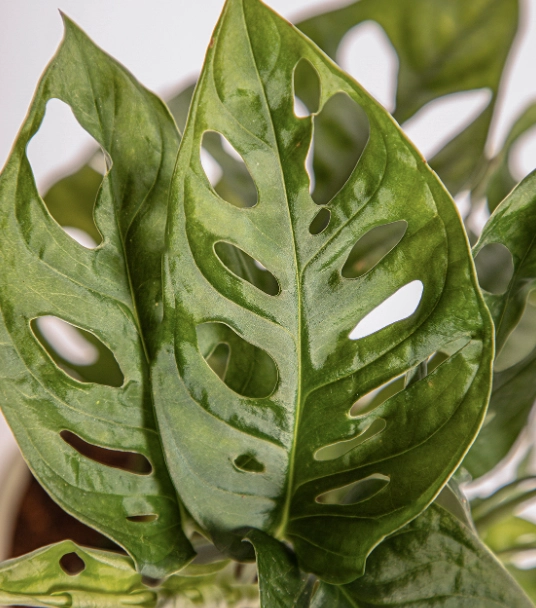
| Monstera Deliciosa | Tropical / Moderate | Every 1-2 weeks | Top 2-3 inches dry | Every 3-4 weeks |
| Fiddle Leaf Fig | Tropical / Moderate | Every 7-10 days | Top 2 inches dry | Every 2-3 weeks |
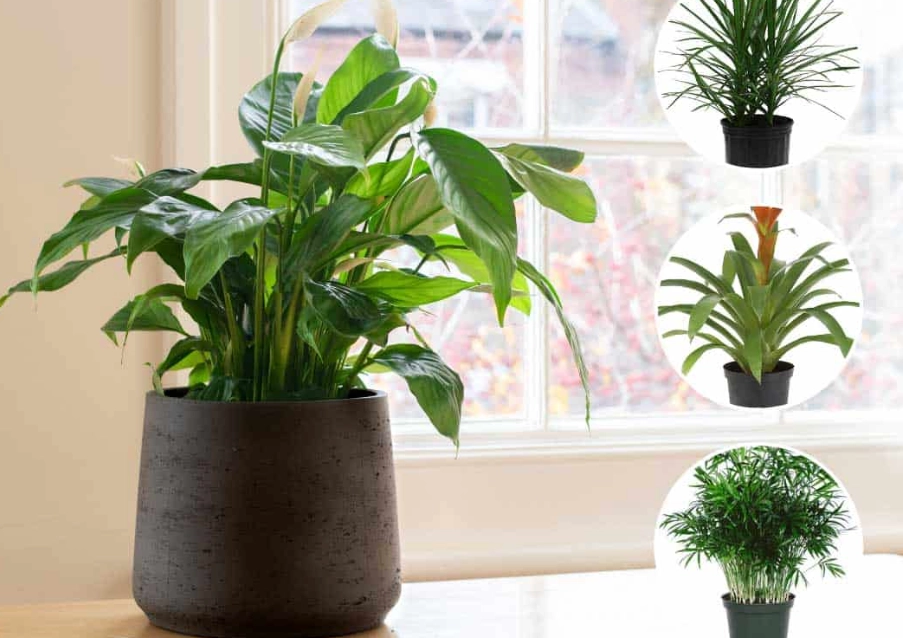
| Peace Lily | Tropical / Moisture-Loving | Every 5-7 days | Soil surface feels dry, slight wilt | Every 10-14 days |
| Fern (e.g., Boston) | Moisture-Loving | Every 4-5 days | Soil surface starting to dry | Every 7-10 days |
| Succulents (Echeveria) | Succulent / Drought-Tolerant | Every 2-3 weeks | Soil bone dry, leaves slightly soft | Every 4-6 weeks |
| Orchid (Phalaenopsis) | Epiphyte / Special | Every 7-10 days | Roots turn silvery-grey | Every 10-14 days |
How to Water Properly: Techniques That Matter
Frequency is one thing, but how you water is just as crucial.
Thorough Soaking: This is the goal for most plants. Water slowly and evenly over the soil surface until you see water freely running out of the drainage holes. This ensures the entire root ball gets moistened. Stop when it flows out. Empty the saucer after 15 minutes—no plant likes wet feet.
Bottom Watering: Place the pot (with drainage holes) in a tray or sink filled with a few inches of water. Let the soil soak up water from the bottom for 20-30 minutes, then remove and drain. Excellent for ensuring even saturation and for plants with dense foliage that's hard to water from above. Some experts, like those at the Royal Horticultural Society, recommend this for preventing crown rot in susceptible plants like African Violets.
What about misting? Misting leaves does almost nothing for humidity and can promote fungal diseases on some plants. For humidity-loving plants, use a pebble tray or a humidifier.
One subtle mistake I see: people water in the same spot every time. This can create channels in the soil where water runs straight through, leaving other roots dry. Water evenly around the pot's circumference.
Your Watering Questions, Answered
My plant's leaves are turning yellow and falling off. Am I overwatering or underwatering?
Check the soil and the leaf texture. Overwatering typically causes widespread yellowing, often starting with lower leaves, and the leaves and stems may feel soft or mushy. The soil will likely be soggy. Underwatering causes leaves to turn yellow or brown, become dry and crispy, and often wilt before falling. The soil will be bone dry. Yellow leaves from overwatering is the more common culprit by far.
Should I use tap water, filtered, or rainwater for my indoor plants?
It depends on your tap water and your plants. Most common plants (pothos, spider plants) tolerate tap water fine. Sensitive plants like Calatheas, prayer plants, or carnivorous plants can develop brown leaf tips from fluoride, chlorine, or salts in tap water. For these, rainwater, distilled, or filtered water is best. Letting tap water sit out overnight allows chlorine to evaporate, which can help.
How do I know if I have root rot, and can I save the plant?
Signs include persistently wet soil, a foul smell from the pot, black/mushy roots, and sudden leaf collapse. To check, gently remove the plant from its pot. Healthy roots are firm and white or tan. Rotten roots are dark brown/black, slimy, and fall apart. To save it: remove all soggy soil, cut away every single rotten root with sterilized scissors, repot in fresh, dry, well-draining soil, and don't water for at least a week. It's a race against time, but many plants can recover if caught early.
Is it okay to water all my plants on the same day?
Only if they all need it. This is the convenience trap. On your designated "plant day," go through each one and perform the soil check (finger test, weight). Water only those that are dry. You'll likely find your succulents and snake plants need water far less often than your ferns and peace lilies. Grouping plants with similar needs together on your shelf can make this process smoother.
What's the best time of day to water houseplants?
Morning is ideal. Watering in the morning gives leaves a chance to dry off during the day, reducing the risk of fungal diseases. It also prepares the plant for a day of photosynthesis. Avoid evening watering, as wet foliage and soil sitting cool overnight is an invitation for problems.
The bottom line? Your plant will tell you what it needs. Learning to read those signs—the weight of the pot, the feel of the soil, the slight droop of a leaf—is more valuable than any rigid schedule. Start by checking your plants weekly, not watering them weekly. Adjust for the seasons. Observe. You'll develop a feel for it, and your plants will thrive because of that attention, not in spite of it.
Throw out the calendar. Pick up your finger, a chopstick, or just lift the pot. That's the real start to nailing your indoor plant watering schedule.

Comments