That moment you see a rosary vine, or Ceropegia woodii, spilling over a shelf with its heart-shaped leaves and delicate purple stems—it’s instant plant lust. I brought my first one home years ago, a tiny pot with just a few tendrils. Today, it's a curtain of hearts trailing over six feet. But I almost killed it in the first month by doing what everyone says: "just neglect it." The truth about string of hearts care is more nuanced, and getting it right turns a surviving plant into a spectacular one.
What’s Inside This Guide?
- Getting to Know Your Rosary Vine
- The Perfect Environment for Growth
- How to Water Your String of Hearts Without Killing It
- Soil and Repotting: Getting the Foundation Right
- Propagating Your Rosary Vine: From One Plant to Many
- Common Problems and How to Solve Them
- Beyond the Basics: Advanced Tips for a Showstopper Plant
Getting to Know Your Rosary Vine
It's not just a pretty face. The rosary vine string of hearts is a succulent from South Africa. Those thick, heart-shaped leaves store water. The stems are thin and wiry, meant to trail and scramble over rocks in its native habitat. Along the stems, you'll sometimes find little bead-like tubers. These are survival mechanisms—energy stores the plant can use if a vine gets broken or during dry periods. Understanding this tells you everything: it's built for bright light, infrequent but deep drinks, and excellent drainage. The Royal Horticultural Society (RHS) lists it as a tender succulent, which is a fancy way of saying don't let it freeze.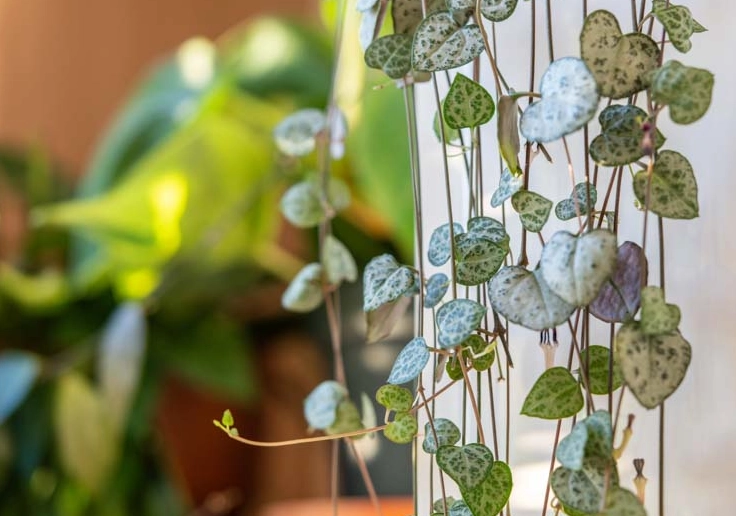
The Perfect Environment for Growth
Get the light and temperature right, and half your problems disappear.
Light: The Non-Negotiable Factor
This is where most people go wrong. "Bright, indirect light" is the mantra, but what does that mean for Ceropegia woodii? Think of a spot near an east-facing window, or a few feet back from a south or west window. The leaves should have a slight greyish or silvery marbling on the green. If the marbling is strong and the leaves are close together on the stem, you've nailed it. If the stems are stretching out with inches between each leaf (this is called etiolation), it's begging for more light. Direct, harsh afternoon sun can scorch the leaves, but morning sun is usually great.
I keep mine in a south-east bathroom window. The humidity from the shower is a bonus, but the light is key. In lower light, growth slows way down, and you risk overwatering because the soil won't dry as fast.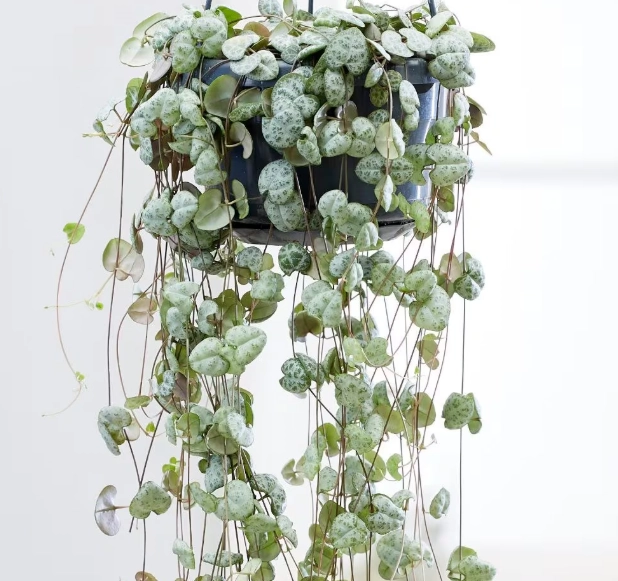
Temperature and Humidity
Average room temperatures between 65-80°F (18-27°C) are perfect. It can handle slightly cooler nights. The crucial thing? Keep it away from drafts—both hot air from vents and cold blasts from doors in winter. As for humidity, average home humidity (around 40-50%) is absolutely fine. You don't need a humidifier. In fact, too much stagnant moisture around the leaves can invite problems.
Quick Environment Check
Ideal Spot: East-facing window sill, or within 3 feet of a South/West window.
Sign of Good Light: Tight growth, silvery leaf variegation.
Sign of Poor Light: Long, leggy stems with sparse leaves.
Keep Away From: Radiators, AC units, and drafty hallways.
How to Water Your String of Hearts Without Killing It
Overwatering is the #1 killer. But "underwatering" is often misdiagnosed. The plant's watering needs are a direct response to light and season.
The Golden Rule: The Taco Test
Forget the calendar. The best method I've found isn't just checking the soil. It's checking the leaves. Gently pinch a leaf near the base of a vine. If it feels firm and resists folding, it's still full of water. Wait. If it feels soft and pliable, and you can fold it slightly like a taco shell, it's thirsty. Then, check the soil. If the top few inches are also dry, it's time.
When you water, do it thoroughly. Take it to the sink and soak the soil until water runs freely out the drainage holes. Let it drain completely before putting it back. This mimics the heavy rains of its natural habitat, followed by a dry period.
Seasonal Adjustments
In spring and summer (active growth), you might water every 7-10 days, depending on your home's conditions. In fall and winter, when light levels drop and growth slows, it might go 3-4 weeks between drinks. The taco test doesn't lie, even in winter.
A common mistake is giving it little sips of water more frequently. This only moistens the topsoil, encouraging roots to stay shallow and eventually rot. Deep, infrequent soaks are the way.
Soil and Repotting: Getting the Foundation Right
Your watering success is dictated by your soil. A standard potting mix holds too much moisture.
You need a sharply draining, gritty mix. Here’s a simple recipe I use:
- 50% succulent & cactus potting mix (like from a reputable brand)
- 30% perlite or pumice
- 20% orchid bark or coarse horticultural sand
This creates an airy environment where roots get oxygen and water flows through quickly.
Repotting: Don't rush to repot. String of hearts likes to be slightly root-bound. Repot only every 2-3 years, or when you see roots growing out of the drainage holes. When you do, only go up one pot size (e.g., from a 4-inch to a 6-inch pot). A pot that's too large holds excess wet soil, which is dangerous. Always use a pot with a drainage hole. Terracotta pots are excellent because they wick away moisture.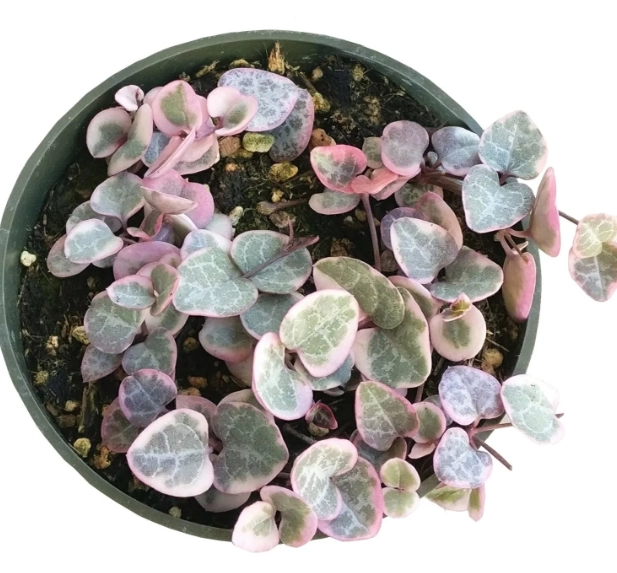
Propagating Your Rosary Vine: From One Plant to Many
This is the fun part. There are a few ways, but one is significantly easier and faster.
| Method | How-To | Success Rate & Speed | Best For |
|---|---|---|---|
| Water Propagation | Cut a vine, remove bottom leaves, place stem in water. | Moderate. Roots in 2-4 weeks. Can rot if changed to soil. | Seeing roots grow; small quantities. |
| Soil Propagation (Tuber Method) | Pin a vine with a tuber directly onto moist soil in another pot. | High & Fast. Roots from tuber in 3-4 weeks while still attached to mother plant. | Reliable results; creating a fuller mother plant. |
| Tuber Propagation | Detach a tuber, lay it on soil, keep slightly moist. | Slow but steady. Can take months to establish. | When you have loose tubers from pruning. |
The tuber method is the pro secret. Find a vine with one of those little beads (a tuber). While it's still attached to the main plant, lay that section of the vine on the soil of a new small pot. Use a bent paperclip or floral pin to hold it in contact with the soil. Keep that spot lightly moist. The tuber will send roots down. After a month, you can sever the "umbilical cord" vine. You now have a robust new plant that didn't suffer any transplant shock.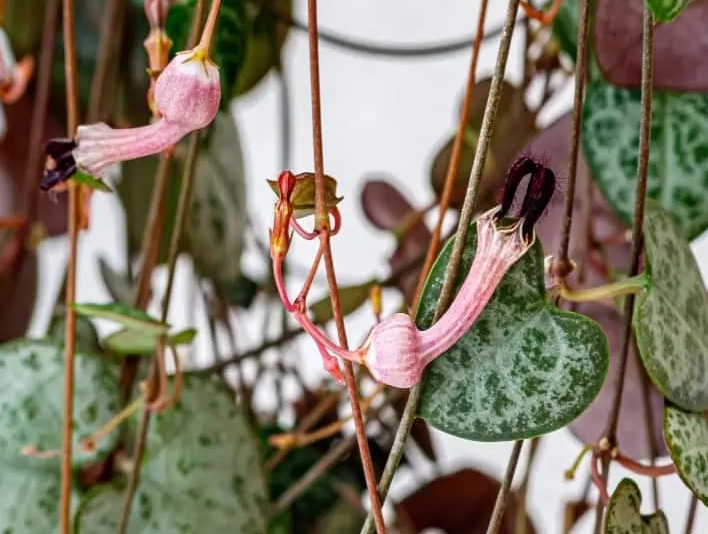
Common Problems and How to Solve Them
Let's diagnose the usual suspects.
- Yellow, Mushy Leaves: Classic overwatering. Stop watering immediately. Check for root rot (brown, mushy roots). If present, cut away all rot, repot in fresh, dry gritty mix, and don't water for a week.
- Shrivelled, Flat Leaves: Underwatering. The plant has used its stored water. Give it a good soak. It should plump up in 24-48 hours.
- Leggy Growth, Small Leaves: Not enough light. Move it to a brighter location. You can prune the leggy vines back to encourage bushier growth from the base.
- Pests: Mealybugs or aphids can sometimes appear, especially in the nooks between leaves and stems. Wipe with a cotton swab dipped in rubbing alcohol. For larger infestations, insecticidal soap or neem oil works.
Beyond the Basics: Advanced Tips for a Showstopper Plant
Want that lush, full, trailing masterpiece? It's about strategy.
Pruning for Density: Don't be afraid to cut. When a vine gets too long or bare at the top, cut it back. This encourages the plant to push out new growth from the base or from nodes further up the stem. Take those cuttings and propagate them right back into the top of the mother plant's pot. This is the single best way to create a dense, cascading effect instead of a few long, stringy vines.
Fertilizing: During the active growing season (spring/summer), a half-strength dose of a balanced, water-soluble fertilizer once a month is plenty. Or use a worm castings top dressing. Do not fertilize in fall and winter.
The Summer Outdoors Trick: If you have a sheltered patio or balcony, consider giving your plant a summer vacation outdoors in dappled shade. The increased light and air circulation can supercharge growth. Just acclimate it slowly over a week to avoid sunburn, and bring it back in before nighttime temps drop below 50°F (10°C).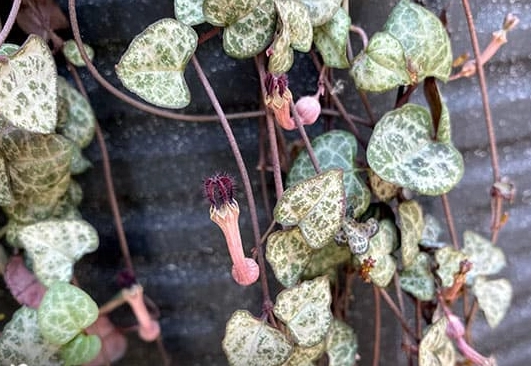

Comments